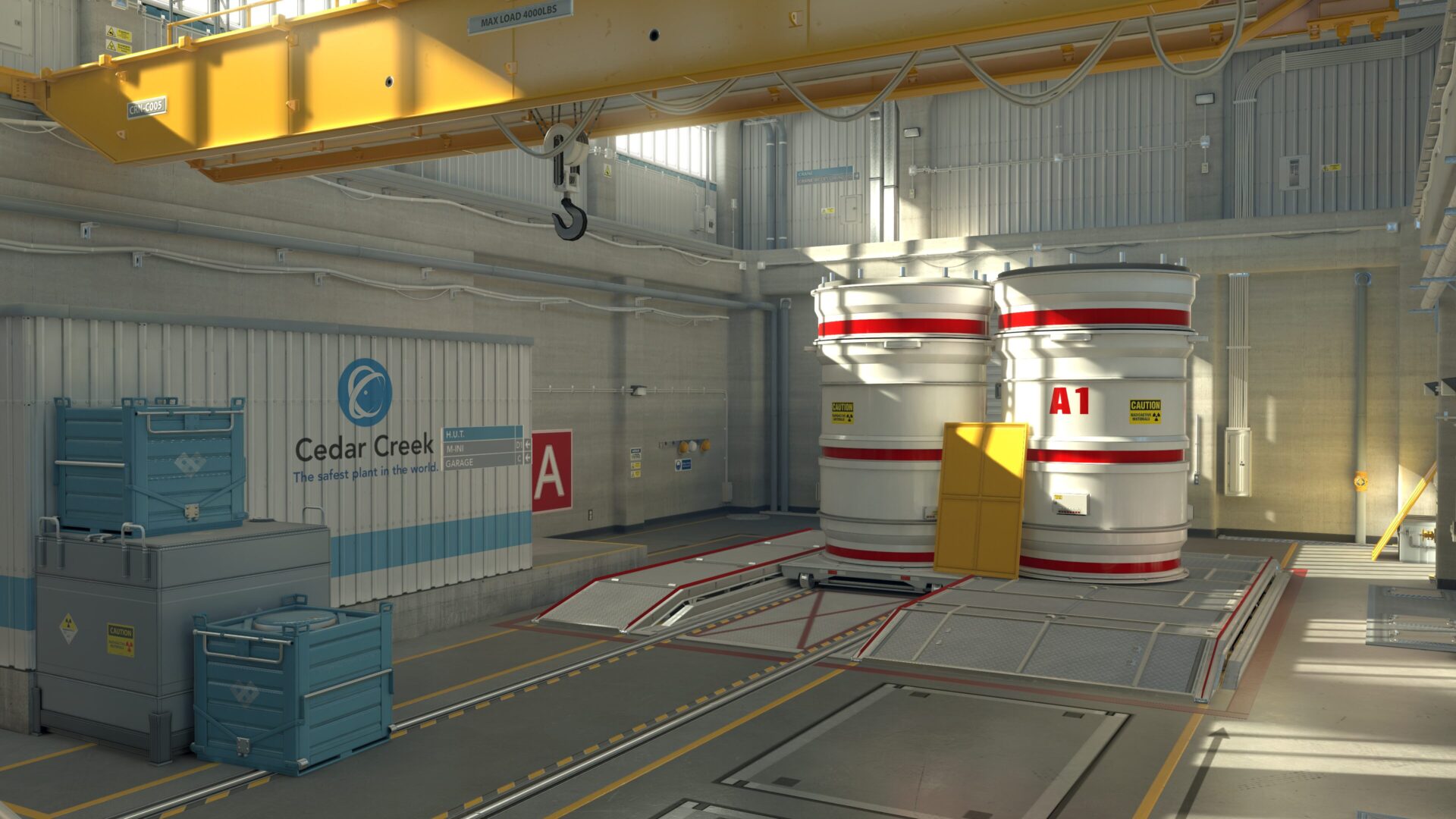

The recent Rush Hour update for Counter-Strike 2 reduced VRAM usage by more than 30% in a benchmark comparison conducted by ThourCS2, while average FPS remained almost unchanged. At the same time, system RAM usage increased by nearly 17% in the same test.
The comparison was performed on the Dust2 FPS Benchmark map using the same hardware and settings across the old build and the Rush Hour version.

VRAM usage drops by nearly one third
The biggest difference appeared in GPU memory usage.
Average VRAM consumption decreased from 4.07 GB on the previous CS2 build to 2.78 GB after the Rush Hour update, representing a 31.69% reduction.
System RAM usage moved in the opposite direction. The benchmark recorded an increase from 2.97 GB to 3.47 GB, or 16.83%.
The tested figures were:
- Average FPS — 899.9 → 911.4 (+1.27%)
- 1% low FPS — 299.5 → 302.7 (+1.06%)
- VRAM usage — 4.07 GB → 2.78 GB (-31.69%)
- RAM usage — 2.97 GB → 3.47 GB (+16.83%)

FPS remains almost unchanged
Despite the large change in memory usage, raw framerate performance changed only slightly in this test.
Average FPS increased from 899.9 to 911.4, while 1% lows moved from 299.5 to 302.7. Both differences were just above 1%.
The test also showed similar frame-time distribution between the two builds, suggesting the most noticeable technical change in this particular comparison was memory allocation rather than a major FPS increase.
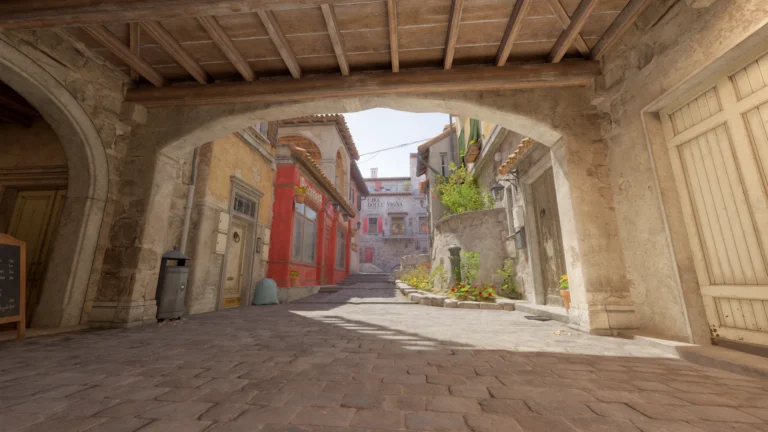
Benchmark used a high-end system
ThourCS2 ran three benchmarks on each build and aggregated the results.
The system used:
- AMD Ryzen 7 9800X3D
- NVIDIA GeForce RTX 5070
- 32 GB DDR5
- Windows 11 Pro
- 1280×960 resolution
- NVIDIA Reflex enabled
- 2x MSAA
- Remaining settings on Low
The results were captured with CapFrameX.
ThourCS2 also noted that the outcome may vary between different systems, meaning the reduced VRAM usage and increased RAM consumption should not be treated as universal figures for every PC configuration.