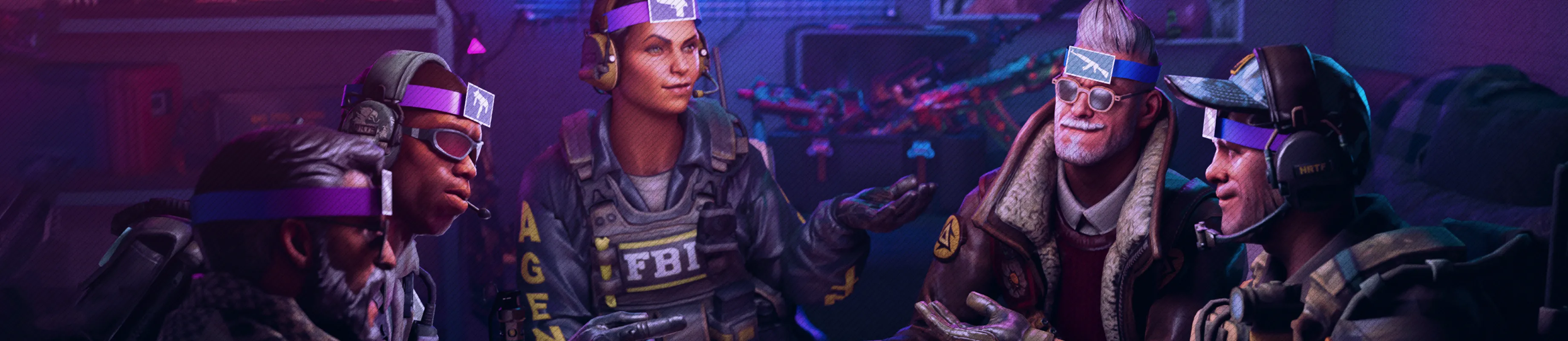

A source code build of Counter-Strike: Global Offensive from March 2019 has reportedly leaked online. Valve has not commented on the files or confirmed whether they are legitimate.
Why the Report Matters
Counter-Strike 2 was released nearly three years ago as a direct replacement for CS:GO. The new game moved the series to Valve’s Source 2 engine, while Counter-Strike: Global Offensive was built on the original Source engine.
However, CS:GO remains downloadable on Steam, although it is unlisted. The legacy version now depends on community servers, and it still has an active player base.
Details of the Reported Leak
The origin of the reported leak has not been confirmed. However, users agree that the files look quite legit.
The files are currently available to download on archive.org under the title “csgo_partner” Valve has yet to issue a statement on the reported March 2019 build.

A previous leak emerged in 2020. It included a limited engine depot from a 2017 version that had been shared with third-party developers and partners. Valve later confirmed that the 2020 leak was real.
That earlier release also contained Team Fortress 2 code. Meanwhile, the newly reported leak appears to include only Counter-Strike: Global Offensive files.
Danger Zone Is Reportedly Included
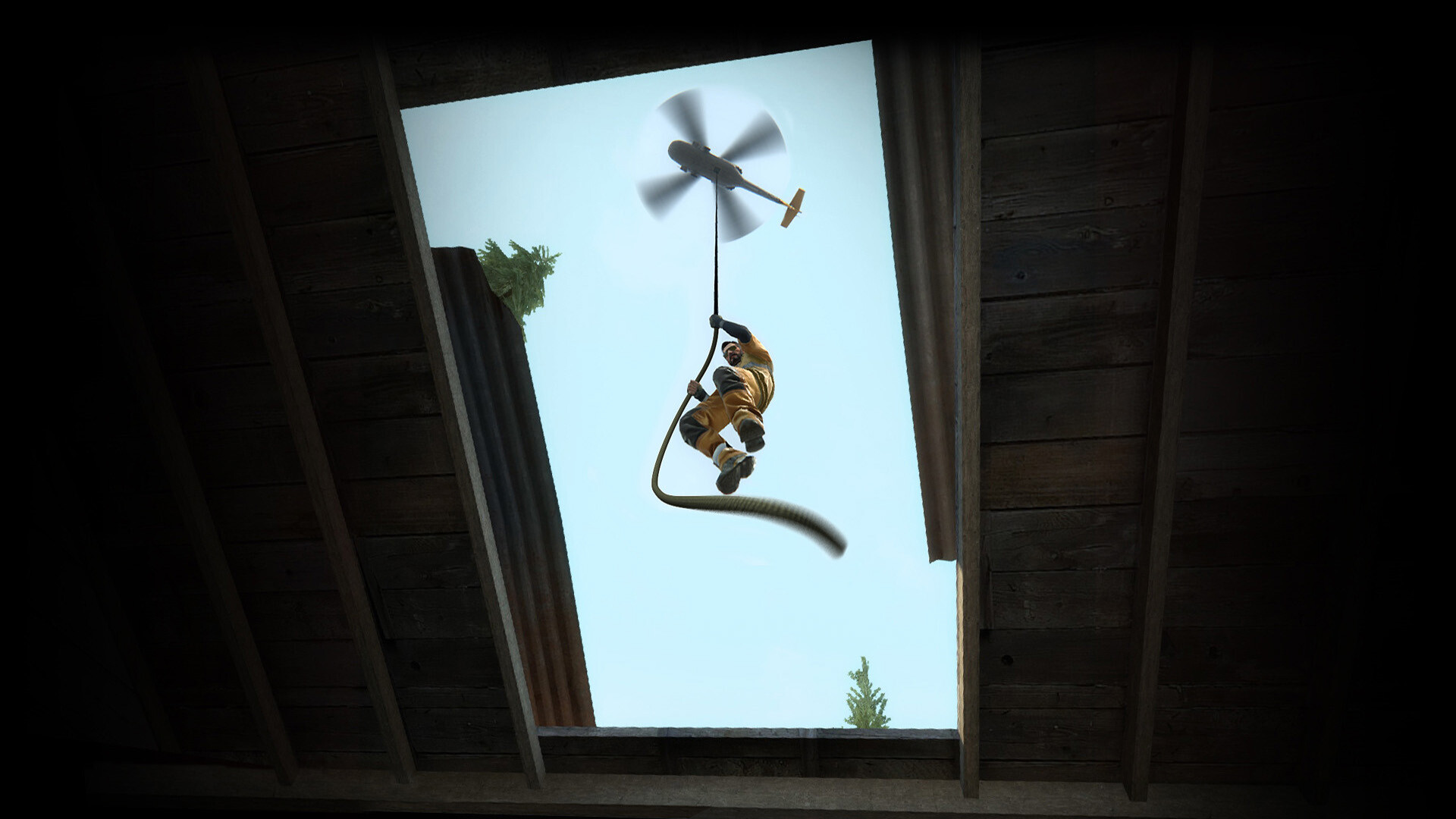
The March 2019 build reportedly contains a Danger Zone. This was CS:GO’s battle royale game mode and is not available as an official mode in Counter-Strike 2.
The 2017 build from the earlier leak came from a period when the mode was still incomplete. At that time, it was internally called “survival.”
Danger Zone launched publicly in December 2018. Therefore, a March 2019 build could contain a more developed version of the mode than the previously leaked 2017 files.
read more

What Happens Next
The reported March 2019 CS:GO source code leak has drawn attention because it may be the newest Counter-Strike build ever to appear online. However, its origin remains unknown, and Valve has not confirmed that the files are genuine.
The archive reportedly includes a later version of Danger Zone than the code seen in the previous 2017 leak. If verified, it would offer a closer look at a period when the mode had already launched publicly in December 2018.
For now, the leak should be treated as unconfirmed. Valve previously verified the authenticity of the 2020 CS:GO and Team Fortress 2 leak, so an official statement may clarify the origin and status of the March 2019 files.