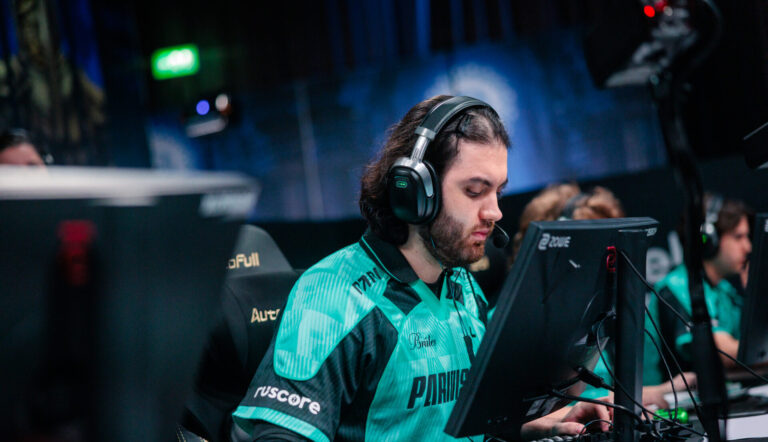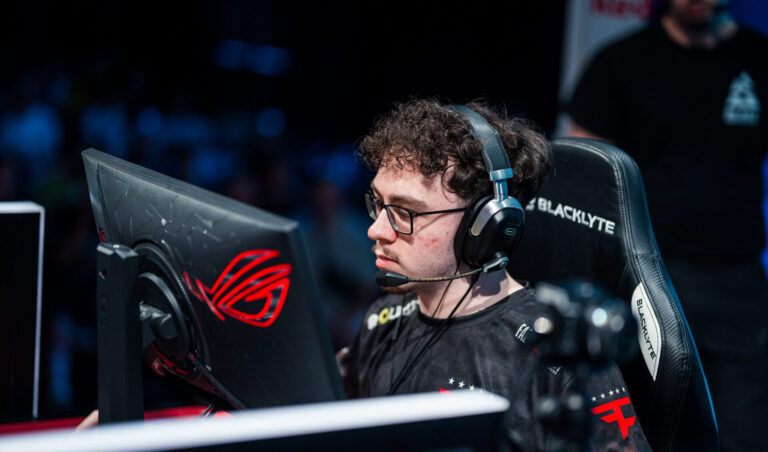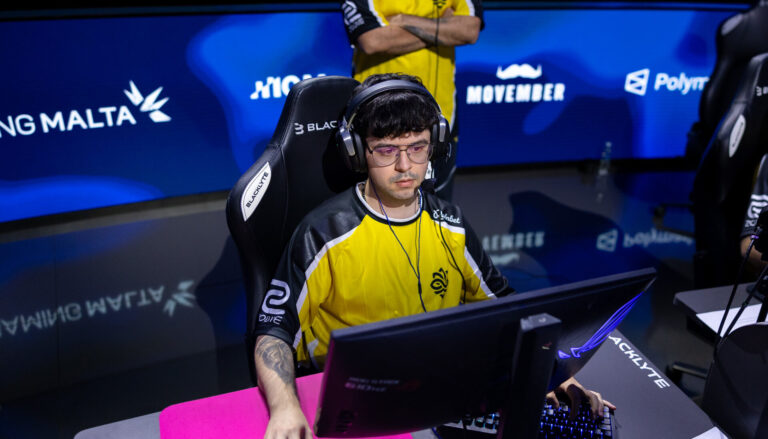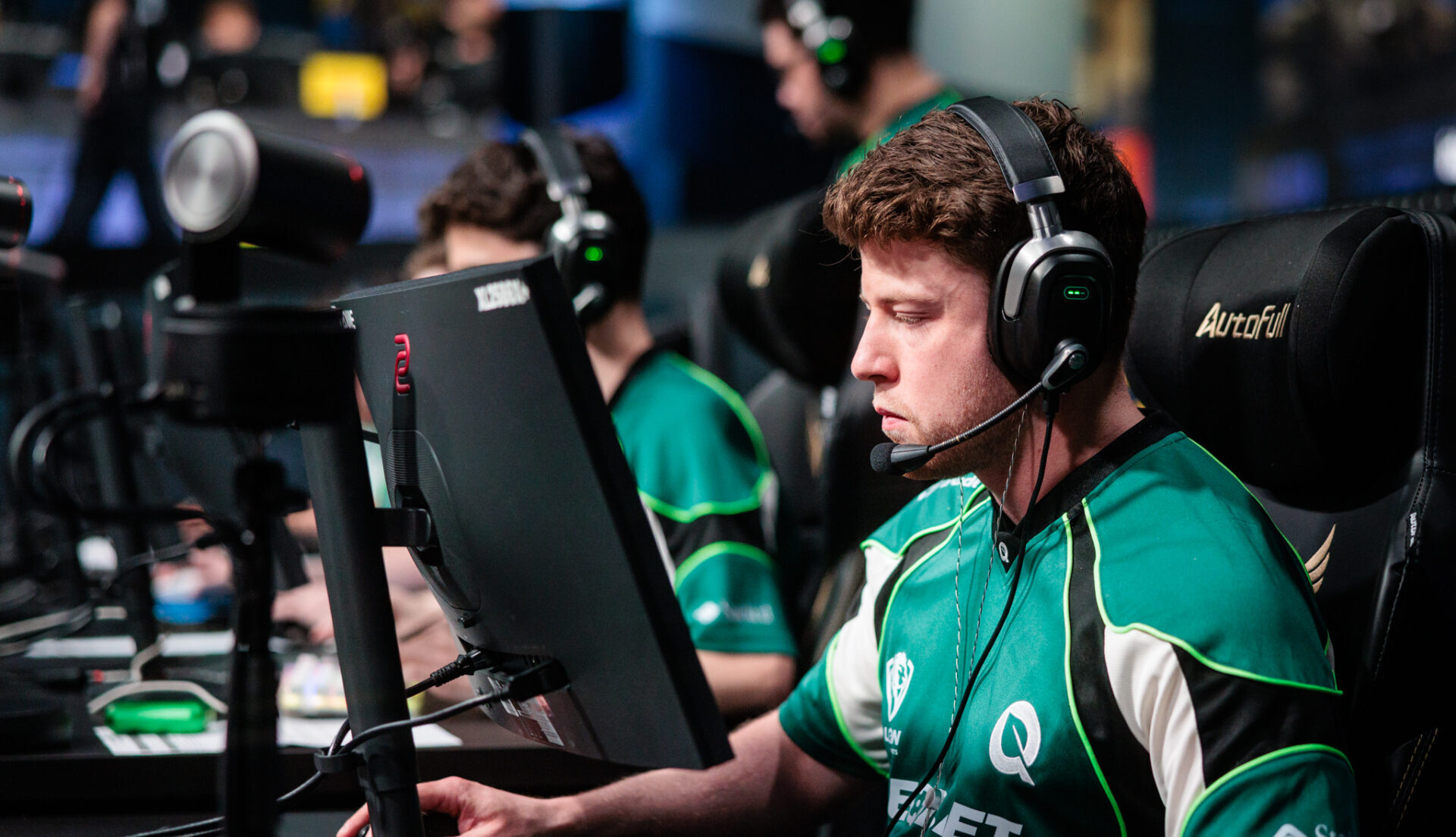
FlyQuest’s manager, known as GoMeZ, has spoken out about a forfeit that left fans confused. The team lost a costly investment of $15,000 during an online qualifier for an IEM Beijing. However, the real story goes deeper than a simple loss.
Why does this matter? The situation highlights a hidden problem in competitive gaming. Geography, internet infrastructure, and tournament rules can quietly decide outcomes before a match even begins. As a result, many fans may not realize how much travel and cost go into a single online qualifier.
A Difficult Region for Australian Teams
Australian esports organizations are grouped into the “Asia” region for competition purposes. This region includes all Asian countries as well as Australia. Therefore, Australian teams must qualify through the same online system as their Asian counterparts.
The problem starts with server access. Asian qualifiers use only Asian servers, and no Australian servers are included in the server pool. Meanwhile, about 80% of Australia’s population lives on the east coast, in cities such as Sydney and Melbourne.
For east coast players, the ping to the nearest Asian server in Singapore is around 110 milliseconds. In addition, that server is roughly an eight-hour flight away. For this reason, FlyQuest has historically avoided these qualifiers, since competing against strong teams like Tyloo and Lynn Vision under such conditions is extremely difficult.
The Core of the Story: A Costly Attempt to Compete Fairly
This time, FlyQuest tried a different approach. The team discovered that Perth, on the western side of Australia, offers a much better ping of around 50 milliseconds. However, reaching Perth from the east coast still requires a four to six hour flight, a longer journey than flying from Los Angeles to Miami or from London to Moscow.
Despite the distance, FlyQuest flew seven people to Perth and rented a venue with strong, reliable internet. The plan appeared to work. During the qualifier, FlyQuest recorded a ping of 50 milliseconds, while their opponent, Tyloo, had a ping of 55 milliseconds. This meant conditions were nearly even for both teams.
Then, the physical connection between Perth and Asia broke down. The disruption ended FlyQuest’s qualifier run. Flying seven players, renting the venue, and covering accommodation costs added up to around $15,000. Since all other Asian teams could compete from home, FlyQuest’s costs and risks were far higher from the start.
GoMeZ’s Explanation
According to GoMeZ, the decision to attempt the qualifier was a calculated risk. The team usually declines these invitations due to the high cost and uncertainty involved. This time, they chose to try. In the end, the broken connection cost FlyQuest their travel investment, their VRS points, and their chance to qualify for the event.
Why This Story Matters
This incident shows that competitive fairness in esports depends on more than skill alone. Infrastructure limitations can shape outcomes long before a match starts. For Australian teams, regional qualifiers built around Asian servers create a steep, often invisible disadvantage.
Finally, GoMeZ noted that FlyQuest may attempt the qualifier again next year. For now, the team’s experience serves as a reminder of the real-world costs behind online competition.