
Counter-Strike has always been a game where sound can be almost as important as what is happening on the screen. A single footstep can reveal a rotation, an AWP scope can confirm a position, and the sound of a reload can give an opponent the perfect moment to swing.
The latest CS2 update changes one of those rules. Players can now reload silently by holding the reload key, trading speed for the ability to hide one of the most recognizable sound cues in the game. It looks like a small addition, but in certain situations it could completely change how players read each other.
What Did Valve Change?
Valve released the Rush Hour update overnight on September 23, introducing the new Rush mode, changes to Premier, updated crosshair settings and several gameplay adjustments.
Among them is Silent Reload. Instead of tapping the reload key normally, players can hold it to perform the reload without giving opponents the usual audio information. The trade-off is simple: it takes considerably longer. Valve also removed the sound opponents previously heard when a player unscoped a sniper rifle.

Early testing suggests the difference is significant. With the AK-47, for example, one test measured roughly 2.47 seconds for a regular reload and around 4.73 seconds for a silent one. The exact timing depends on when the player starts or stops holding the reload button, since the mechanic can be switched between normal and silent during the animation.
That makes Silent Reload less of a replacement for normal reloading and more of another decision players now have to make.
Reloading Is No Longer Free Information
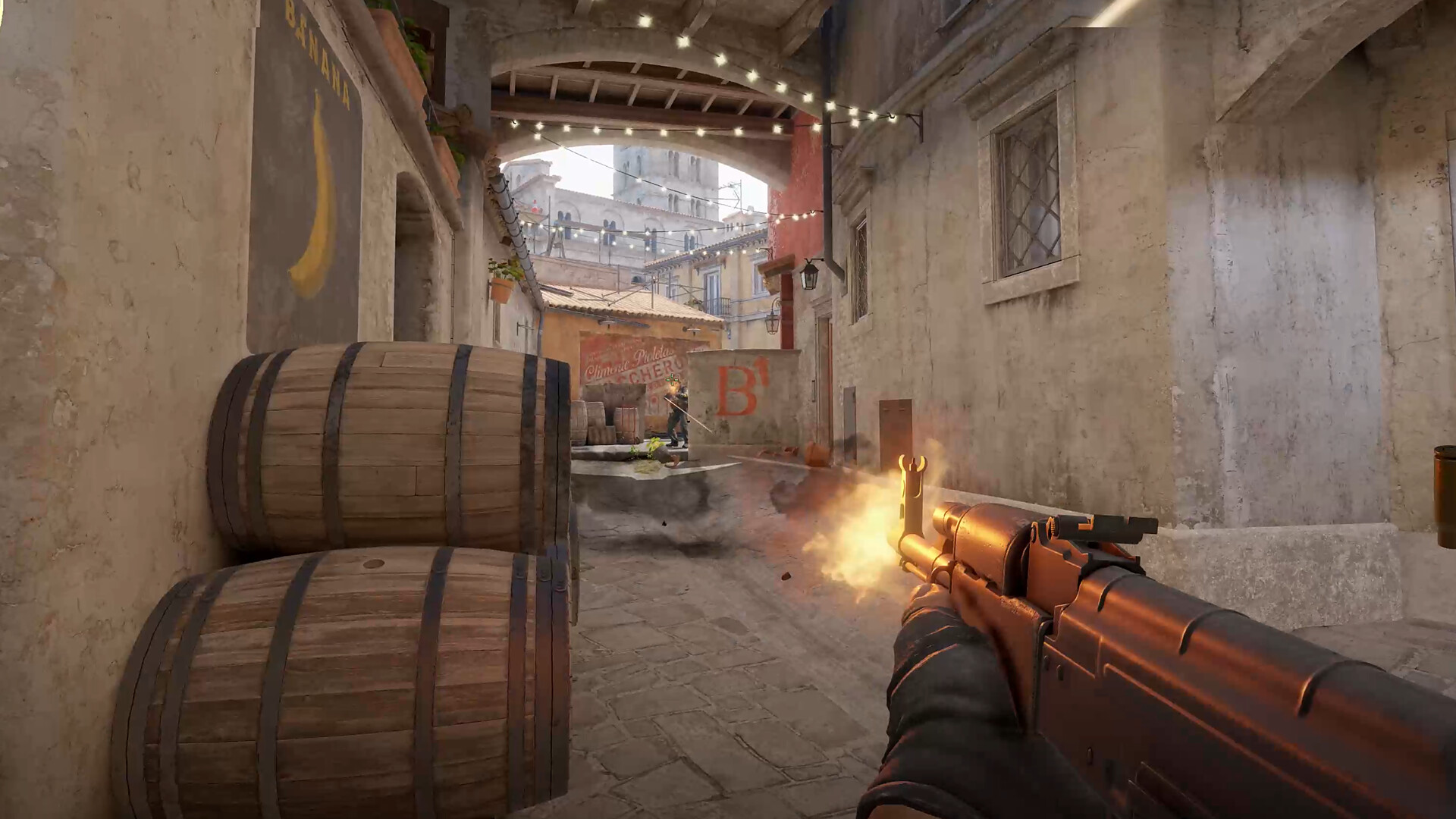
For years, hearing a reload has effectively been an invitation to fight. Imagine a player holding Banana on Inferno. You hear several AK shots, followed by the reload sound. There is suddenly a short window where you know that player cannot shoot back. That information can be enough to trigger an instant push. Silent Reload removes that certainty.
A player who has fired most of their magazine can now stay behind cover and reload without announcing exactly what they are doing. From the opponent’s perspective, silence no longer necessarily means that the enemy is ready to take another fight.
That creates another layer of uncertainty. You may know that the opponent has already fired 20 bullets, but you no longer know whether they still have ten left or have quietly returned to a full magazine. In a game built around small pieces of information, that matters.
Clutches Will Feel Different
The mechanic should be most noticeable in 1v1 and 1v2 situations. Clutches often slow down enough for every sound cue to matter. Players stop running, utility becomes limited, and both sides begin trying to build a picture of the round through audio.
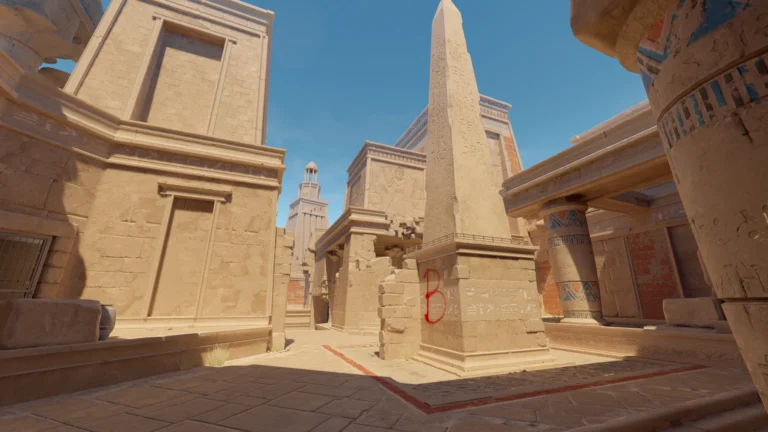
Previously, reloading in that situation came with an obvious risk. Even if you had enough time to complete the animation, the sound could reveal your approximate position and tell the opponent exactly what you were doing. Now there is another option.
A CT playing a post-plant with five bullets remaining might decide that spending extra time on a silent reload is safer than giving the Terrorist a clear sound cue. Likewise, an attacker hiding after the bomb plant can restore their magazine without immediately telling the retaking player where they are.
The extra reload time keeps it from being free. Choose the wrong moment and the opponent can still swing while your weapon is unavailable. But when both players are separated and neither knows exactly where the other is, Silent Reload suddenly becomes much more valuable.
It Changes When Players Can Safely Push
One of the bigger consequences may actually affect the player who isn’t reloading. Counter-Strike players are trained to react to audio. Hear someone pull a grenade? Swing. Hear an AWP fire? Take space before it can shoot again. Hear a reload? Pressure the player before the animation finishes.
Silent Reload weakens one of those automatic reactions. Players will have to rely more on counting bullets, understanding timings and reading the situation instead of waiting for a reload sound.
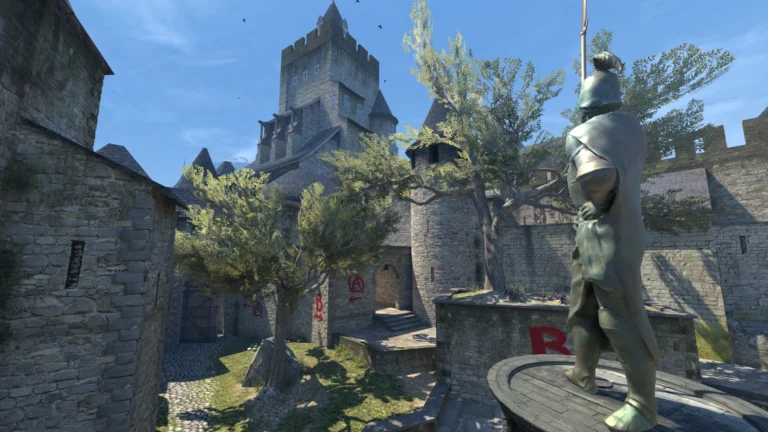
It also creates an interesting mind game around the regular reload. Because players now have the option to hide the sound, an audible reload becomes more of a conscious choice. In some situations, a player could even start a normal reload, cancel it and be ready for an opponent who interprets the sound as an opportunity to push — something that already existed in CS, but becomes more interesting when reloading silently is now an alternative.
The Slow Reload Keeps the Mechanic Balanced
There is an obvious reason Valve did not simply make every reload silent. The normal reload still has one major advantage: speed. Taking almost twice as long to reload an AK can be extremely dangerous in the middle of a site execute, during a retake or when multiple opponents could appear at any moment. In those situations, hiding information is often much less valuable than having the gun ready two seconds earlier.
That should keep Silent Reload situational. If there is gunfire, utility or teammates around to mask the sound anyway, a regular reload will usually make more sense. The same applies when an opponent already knows your position. There is little benefit in hiding a reload if the enemy is about to swing you regardless.
But when information itself is the most valuable resource — late rounds, lurks, post-plants and clutches — accepting the slower animation becomes much easier to justify.
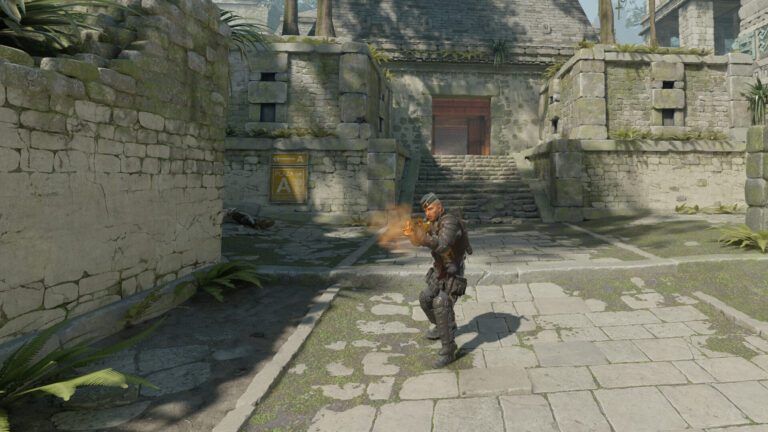
A Small Change With a Lot of Potential
Silent Reload probably will not transform every CS2 round. Most reloads will still happen normally, and using the slower version at the wrong time can easily get a player killed. Its impact comes from giving players another choice.
Before the update, reloading had a straightforward trade-off: refill your magazine, but potentially give away information. Now players can choose which resource they value more — time or sound. At the highest level of Counter-Strike, where players already count bullets, track utility and react to tiny audio cues, that extra choice could become particularly important. Silent Reload does not make sound irrelevant, but it does mean players can no longer trust one of the game’s most familiar audio cues completely.