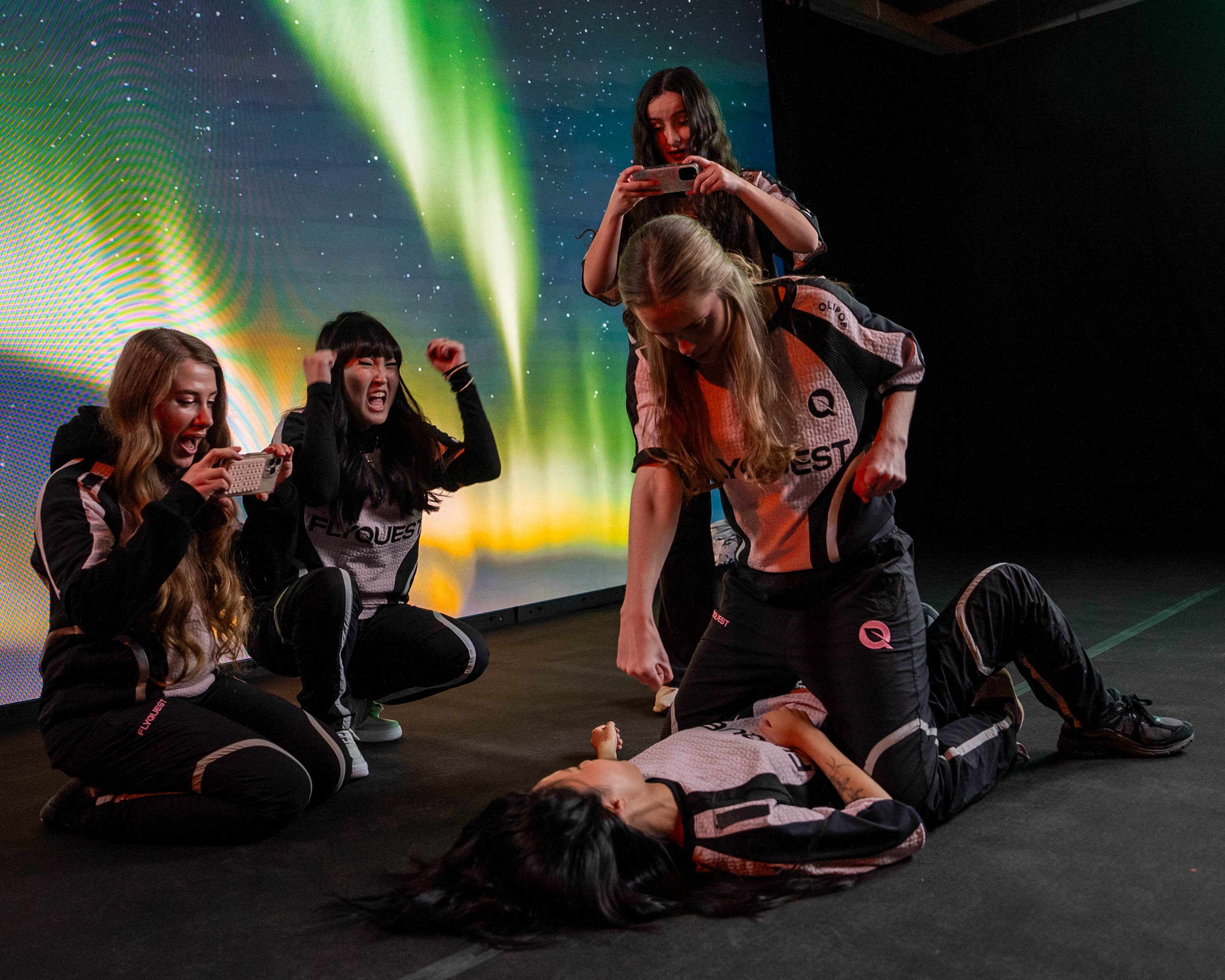
HLTV dedicated a special episode of Women’s CS Fans Come Here to one of the defining topics of late 2025 — the end of the ESL Impact League. For several years, Impact stood at the center of the women’s Counter-Strike scene. In the studio, Harry (@NEROcs) and Nohte (@Nohte) were joined by GooseBreeder (@goosebreeder), IGL of FlyQuest Red, to break down what this decision means for players, organizations, and the future of women’s CS.
Impact as a system, not just a tournament
GooseBreeder repeatedly stresses that ESL Impact stood out not because of its format or prize money, but because of the stability it brought to the scene. The circuit gave teams a clear seasonal rhythm. It allowed players to plan their preparation and gave organizations confidence to invest long-term.
According to her, this structure explains why more clubs entered women’s CS in recent years. It also helped the scene feel professional rather than temporary. The end of Impact does not deliver an instant blow, but it removes a foundation. The consequences may appear slowly over time.
read more
The “domino effect”: why the scene risks shrinking
One of the main concerns raised in the episode is a potential chain reaction. Without a stable circuit, organizations struggle to justify spending. That reality can push teams to leave the scene. When support disappears, players face difficult choices. Many must balance CS with work or education. Less time for practice reduces overall competitiveness and gradually narrows the field.
Still, GooseBreeder rejects the idea of an immediate collapse. Tournaments will continue. Local leagues already exist. New projects are rumored to be forming. For now, she believes it is too early to talk about the end of the scene.
ESL’s abrupt exit and the missing middle ground
The discussion also highlights what hurt the community the most: the sudden shift from a major circuit to a full stop. Even if ESL viewed the model as unsustainable, the panel agrees that a middle-ground solution should have existed.
ESL could have reduced prize pools, moved parts of the circuit online, or kept regular cash cups. A smaller LAN schedule could have preserved continuity. Instead, many fans view the decision not as a transition, but as a full withdrawal. GooseBreeder admits she does not know the financial realities behind the scenes. However, she understands why supporters struggle to accept such a sharp break without a transition phase.
Regional imbalance: North America under more pressure
GooseBreeder also points to the regional impact of Impact’s closure. Europe has more options thanks to local leagues and a denser tournament ecosystem. North America does not. In NA, Impact served as the only consistent pathway for most teams. One-off events existed, but the circuit provided structure. Without it, the region faces greater risk. She argues that international opportunities matter more than ever, not only for NA but for other developing regions as well.
She adds that Europe remains more stable in both competitive depth and practice quality. In NA, the scene historically revolved around just two or three teams. Impact helped revive competition and expand the field.
The Impact format and the bitter taste of BO1s
The episode also revisits long-standing criticism of the Impact format. From a player’s perspective, the structure leaves almost no room for mistakes. Lose pistol rounds, drop an eco, or start slowly — elimination comes quickly.
Because Impact events occur only twice a year, teams must live with those losses for months. GooseBreeder explains that teams rarely show their full depth. With so few maps played, they often use only a fraction of their playbook. This fuels a familiar debate. BO1s create upset-heavy results. BO3s, by contrast, reward consistency and preparation far more reliably.
The strongest scene ever — at the worst possible time

The paradox of 2025 is clear. Women’s CS has never been more competitive. Dominant eras have faded. More teams can realistically challenge for titles. Results feel less predictable than ever. That growth makes the end of Impact especially painful. The scene reached a moment where it could push forward, yet lost its main structural pillar at the same time.
VRS and criticism: “attack the system, not the players”
The conversation also touches on the toxic debate around VRS. Critics argued that women’s teams climbed the rankings through large prize pools and gained access to mixed events. GooseBreeder responds directly. She does not claim the VRS system works perfectly. However, she rejects targeting players. If a team cannot compete at that level, results will push it back down naturally. The system self-corrects over time. She believes criticism should focus on rules and formulas, not personal attacks.
read more
Looking ahead
To close the discussion, GooseBreeder urges the community to stay hopeful. A new generation of players is emerging. Passion for the game remains strong. The priority for the coming year is clear: protect the progress already made. If new tournaments step in and maintain momentum, women’s CS can move forward. The legacy of ESL Impact does not have to end with its closure.