
The second half of the 2026 Counter-Strike season was supposed to bring clarity. Instead, the first week back has made the scene even harder to understand. Falcons ended the first half of the year by winning the IEM Cologne Major, sweeping FURIA 3-0 in the grand final. Vitality remained one of the most reliable teams at the top of the scene, while Spirit, NAVI and several other contenders entered the break with enough evidence to believe they could challenge for trophies in the second half of the year.
Then came the player break. Another aggressive roster window followed. Teams changed AWPers, in-game leaders, coaches and entire structures. Some organizations rebuilt around new ideas. Others decided to trust the same five and use the break to solve existing problems.
BLAST Bounty was our first opportunity to see what all of that had changed. Instead, it was chaos.
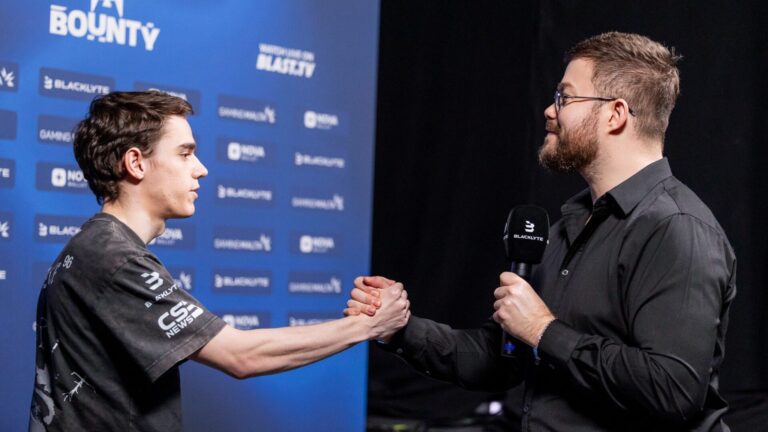
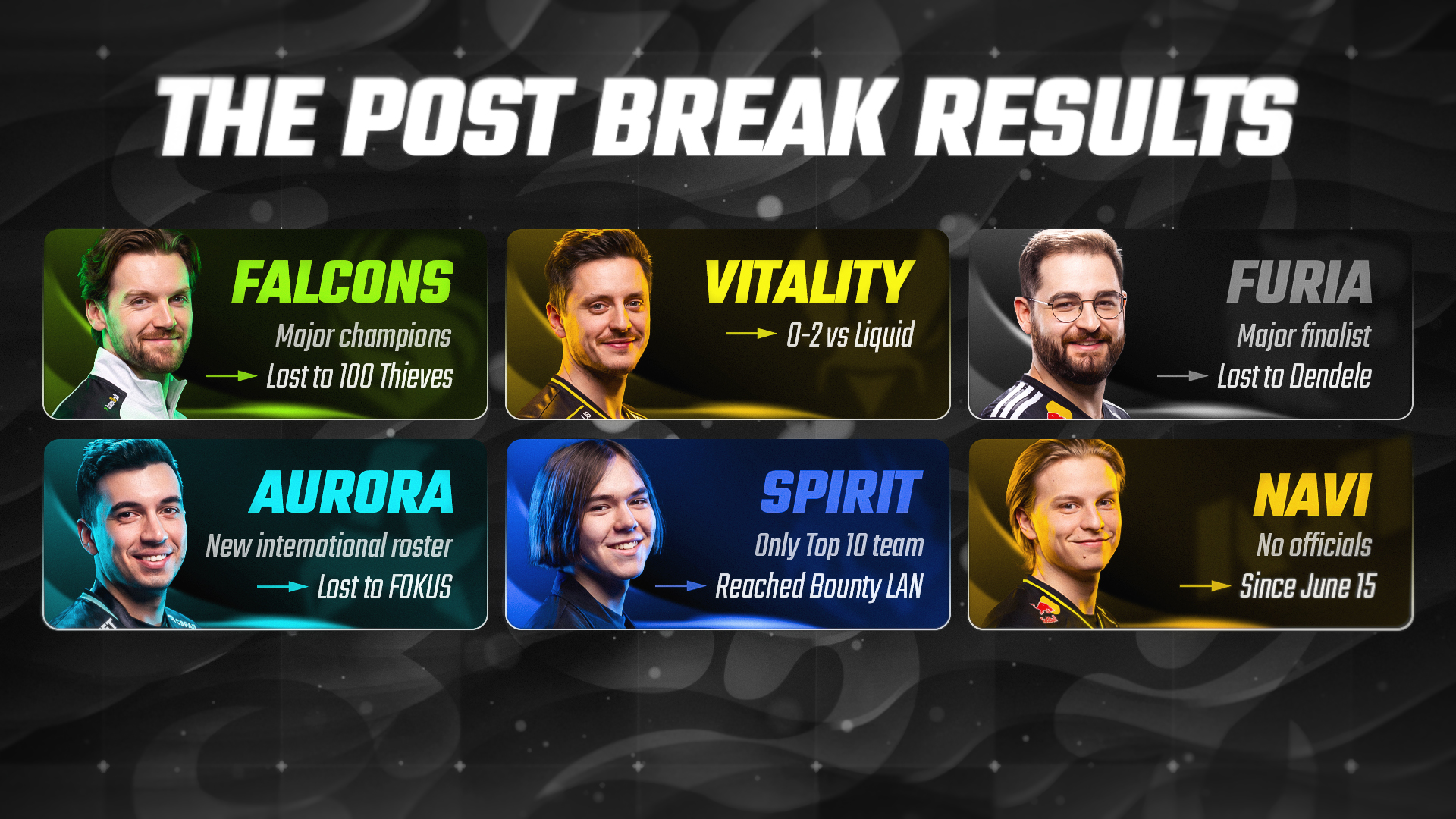
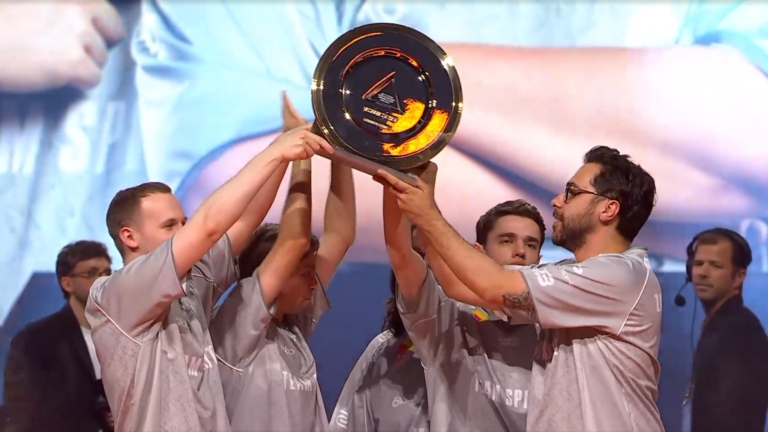
Falcons lost their first series as Major champions, falling 2-1 to 100 Thieves. Vitality were swept by a completely new Liquid lineup. FURIA lost to DENDELE. Aurora’s rebuilt international roster was eliminated by FOKUS. By the end of the online stage, Spirit were the only team ranked inside HLTV’s top 10 at the time to qualify for the BLAST Bounty Finals. MOUZ, The MongolZ, FaZe, Astralis, Liquid, paiN and 3DMAX completed a LAN field that looked nothing like a conventional list of title favorites.
read more

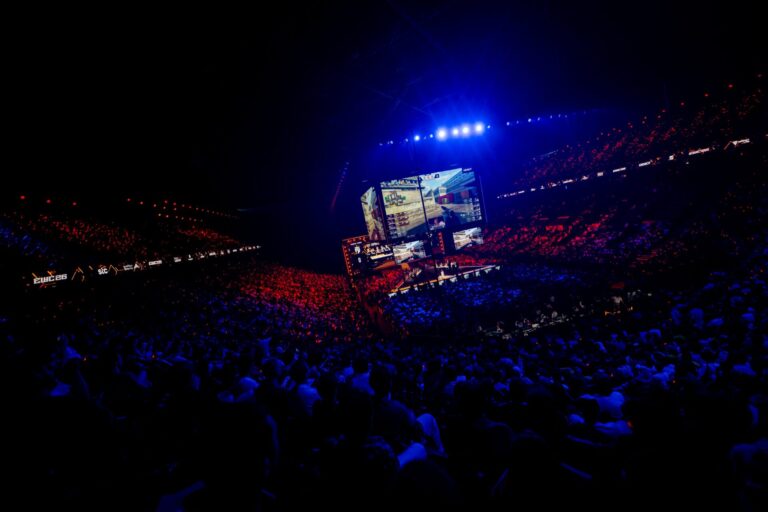
Those results produced plenty of headlines. They produced far fewer answers. That is what makes the Esports World Cup so important. From August 12-23, 32 teams will compete in Paris for a $2 million prize pool. Almost the entire elite of Counter-Strike will be in the same tournament, weeks removed from the immediate post-break period and with considerably more time to understand what worked — and what did not.
EWC will not simply be another major event on the calendar. It should be the first serious test of what Counter-Strike’s new hierarchy actually looks like.
BLAST Bounty Created Headlines, Not Answers
It would be easy to look at BLAST Bounty and immediately rewrite the power rankings. Four of the most important teams entering the second half of the year failed their first major test, but the context makes those results far more complicated than they initially appear.
Four results, four potential crises. But the context makes things far more complicated. The online stage began immediately after the player break. Some teams returned with established lineups and systems they had spent months developing. Others were effectively beginning again.
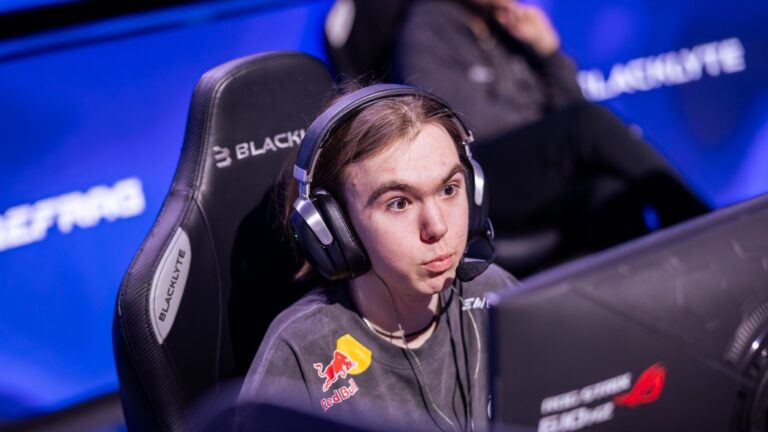
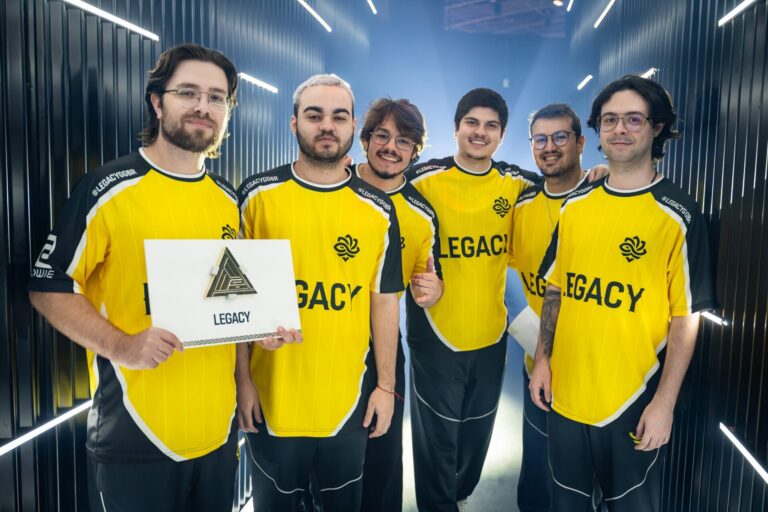
Liquid are perhaps the clearest example. The organization moved ultimate and siuhy out of the active lineup and brought in Jorko as their new AWPer and JT as their new in-game leader. Their first official series together came against Vitality — and ended in a 2-0 victory. They then swept G2 by the same score to reach the Bounty LAN Finals.
That is an impressive start. It is not yet proof that Liquid are suddenly ready to win Tier 1 trophies. Two good series can show potential. They cannot establish a new hierarchy. The same logic works in the opposite direction.
Falcons losing one BO3 does not erase the fact that they beat Vitality, Spirit and FURIA on their way to becoming Major champions. FURIA losing to DENDELE does not suddenly make their Cologne final irrelevant. Vitality suffering an early elimination does not automatically mean the foundation that made them so reliable has disappeared.
Bounty also naturally encourages volatility. The first portion is online, the opponent-selection system creates unusual matchups, and one poor best-of-three can immediately put a favorite under enormous pressure. That is part of the appeal of the tournament.
It also makes it an extremely difficult event to use as a definitive measurement of strength immediately after a player break. BLAST Bounty showed us that the scene is unstable. It did not tell us who is actually better.
The Summer Break Reset the Scene
The uncertainty is bigger than a few unexpected results. Several teams that expect to compete near the top of Counter-Strike are still figuring out what their new versions are supposed to look like. Aurora made one of the most significant changes of the summer.
The organization moved away from its fully Turkish structure by adding Jimpphat, kyxsan and coach ash. MAJ3R, soulfly and Fabre made way, leaving XANTARES, woxic and Wicadia as the remaining pieces of the old lineup.
That is not simply a player upgrade or a role adjustment. Aurora changed their in-game leader, introduced a new language and became an international team. Their loss to FOKUS in their first Bounty series was ugly, particularly the 13-4 defeat on the deciding Dust2, but judging the entire project from that one match would be premature.
MOUZ are dealing with their own reconstruction. MOUZ are dealing with their own reconstruction. The process began in April with Brollan and Jimpphat being removed from the starting five and xelex earning a promotion from MOUZ NXT. After temporarily using jL, the organization completed the new lineup in July by bringing PR back from GamerLegion. The Czech player returned to an organization he previously represented at academy level, but this is still a significantly different MOUZ from the one that established itself near the top of the scene.
FaZe took a different kind of gamble. After benching broky, they brought in young Danish AWPer JBOEN on loan for the remainder of 2026. It is another major responsibility handed to a relatively inexperienced player inside one of the most demanding organizations in Counter-Strike.
These are only some of the changes that happened during the summer. That is why comparing teams exclusively through what they achieved before the break has become increasingly unreliable.
And these are only some of the changes that happened during the summer. That is why comparing teams exclusively through what they achieved before the break has become increasingly unreliable. An AWPer change can alter the economy, defensive setups and opening-round philosophy of a team.
A new IGL can change almost everything. A roster that was ranked below another team in June might have a completely different ceiling in August. We know what most of these organizations were. We are still learning what they have become.
NAVI Are the Biggest Unknown
NAVI represent the other side of that uncertainty. While many direct rivals changed players and immediately returned to competition, NAVI have remained largely outside the post-break sample. Their lineup of Aleksib, iM, b1t, w0nderful and makazze has not played an official match since June 15, when G2 eliminated them from the Cologne Major. There is no Bounty result to analyze. No opening upset. No impressive debut.
No clear indication from official matches that the issues seen in Cologne have been solved. That could eventually work in NAVI’s favor. That uncertainty is even more striking because NAVI entered the Major only a month removed from winning IEM Atlanta. Their ceiling was obvious before the break; their current level is not. While other teams were immediately forced into officials, B1ad3 and his players have had a long uninterrupted period to practice, review the first half of the year and prepare for the next stage of the season.

For a structured team like NAVI, that time can be extremely valuable. But practice progress and tournament progress are two very different things. A team can solve problems in scrims and discover completely new ones the moment official pressure returns. That makes NAVI one of the most interesting teams heading into Paris. With Liquid or Aurora, at least we already have an early glimpse of their new direction. With NAVI, almost everything about their current level remains theoretical. EWC will provide the first real answer.
EWC Is Where the Real Evaluation Begins
The timing of the Esports World Cup is what makes it so useful. It is not the immediate return from the player break. It is not an online opener where teams can reasonably point toward a lack of official practice. It comes several weeks later. By then, Liquid will have had more time to develop around JT and Jorko. Aurora will have had more time to establish communication and structure under kyxsan. MOUZ will understand more about how PR fits into the team. FaZe will have a larger sample with JBOEN. Falcons will have had time to process their first defeat after winning the Major.
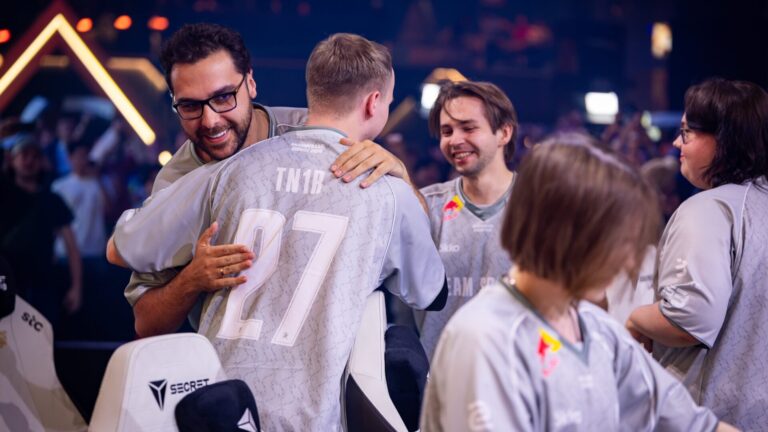
Vitality and FURIA will have the opportunity to demonstrate that their Bounty exits were simply poor first appearances rather than evidence of a bigger decline. And NAVI will finally return to officials. The format should also provide a better environment for evaluation. EWC begins with a 32-team double-elimination group stage. The opening upper-bracket quarter-finals are best-of-one, but the remainder of the group stage is played in best-of-three series. The playoffs then switch to single elimination, with a best-of-five grand final.
It is not a format that completely removes variance. No Counter-Strike format can. But it gives us considerably more context than one isolated online series immediately after the break. By the time EWC begins, the adjustment period should largely be over.
Teams will have had enough time to identify early problems, develop new systems and understand whether their summer changes actually improved the roster. The explanation that a team is simply “coming back from the break” will carry much less weight in Paris. That makes EWC a much cleaner measuring point than BLAST Bounty. A poor showing will be harder to dismiss as rust. A deep run will carry considerably more weight than a handful of online victories. For the first time since the Major, we should be able to judge most of the elite under roughly the same conditions. And there is no shortage of teams that need to provide answers.
You sold it out so we made it bigger.
The Counter-Strike 2 Championship Finals at EWC26 are moving to Accor Arena on August 23.
Additional tickets available now 👇 pic.twitter.com/trRwGZWjrq
— Esports World Cup (@EWC_EN) July 28, 2026
What Will EWC Tell Us?
Falcons have the most obvious question:
Was Cologne the beginning of something bigger? Winning the Major gave them the strongest possible argument for being the best team in the world. Their run was not easy. Falcons beat Vitality in the quarter-final, Spirit in the semi-final and then swept FURIA in the grand final.
The loss to 100 Thieves was surprising, but it cannot undo that. What EWC can do is tell us whether Cologne established a new standard. There is a difference between winning one tournament and becoming the team everyone else has to chase. Paris will be Falcons’ next opportunity to prove they are the latter.
For Vitality, the question is different:
Was Bounty simply a bad day? Their 0-2 loss to Liquid was shocking because consistency has been one of the defining characteristics of this lineup. Liquid won Anubis 13-10 and Nuke 13-9, preventing Vitality from even reaching a deciding map. It is not enough evidence to talk about a collapse. But that is precisely why EWC matters.
If Vitality immediately return to deep playoff contention, Bounty becomes an irrelevant post-break anomaly. If the problems continue, the conversation changes.
For FURIA:
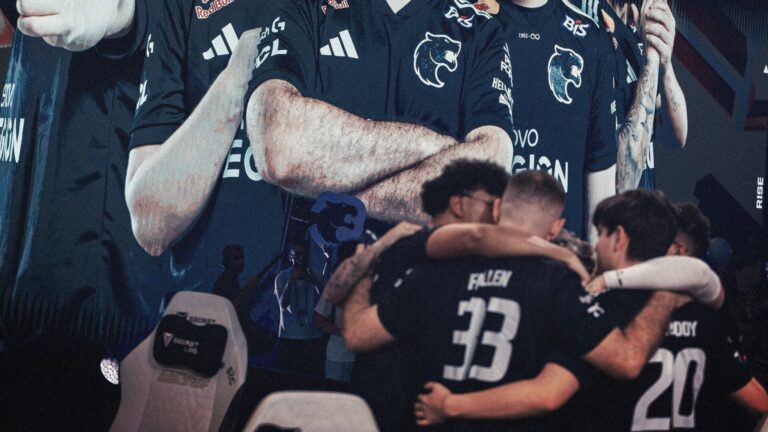
Can they stay among the elite? Reaching the Cologne final was one of the strongest statements the roster could make. That result means far more than losing one online match to DENDELE.
But maintaining a place among the very best teams requires consistency after the breakthrough. EWC gives FURIA the opportunity to show that Cologne was not simply their peak.
For NAVI:
What changed during the break? Their situation might be the most difficult to predict. There is enough talent and enough experience in the team to compete for trophies. There is also almost no current official data. Paris will reveal whether the long break helped them reset or simply delayed the same questions.
Then there is Spirit:
While much of the elite collapsed around them during Bounty, Spirit survived. They were the only top-ten team to reach the LAN Finals, making them the clearest source of stability during an otherwise bizarre opening week. That does not automatically make Spirit the best team in the world.
But in a scene currently defined by uncertainty, simply looking stable suddenly carries considerable value. And behind all of them are the rebuilt projects.
- Liquid have already delivered the strongest early statement.
- Aurora need to recover from an ugly first test.
- MOUZ are trying to remain competitive through another significant transition.
- FaZe are once again putting faith in young talent.
Some of those decisions will look brilliant by the end of the season. Others will probably lead to another roster change. EWC should give us the first meaningful indication of which direction those projects are heading.
The Scene Needs a New Reference Point
BLAST Bounty made one thing clear: the old hierarchy cannot simply be carried over from the first half of the season. What it did not establish is what should replace it.
The sample is still too small, the roster changes are too fresh and several contenders have barely played — or, in NAVI’s case, not played at all. EWC arrives late enough for those explanations to start losing weight.
By Paris, new players will have had time to settle into their roles, new leaders will have had time to establish their systems, and the favorites will have had time to respond to their first failures. The player break reset the scene. BLAST Bounty exposed the chaos that followed. EWC 2026 should finally show us what the new order looks like.