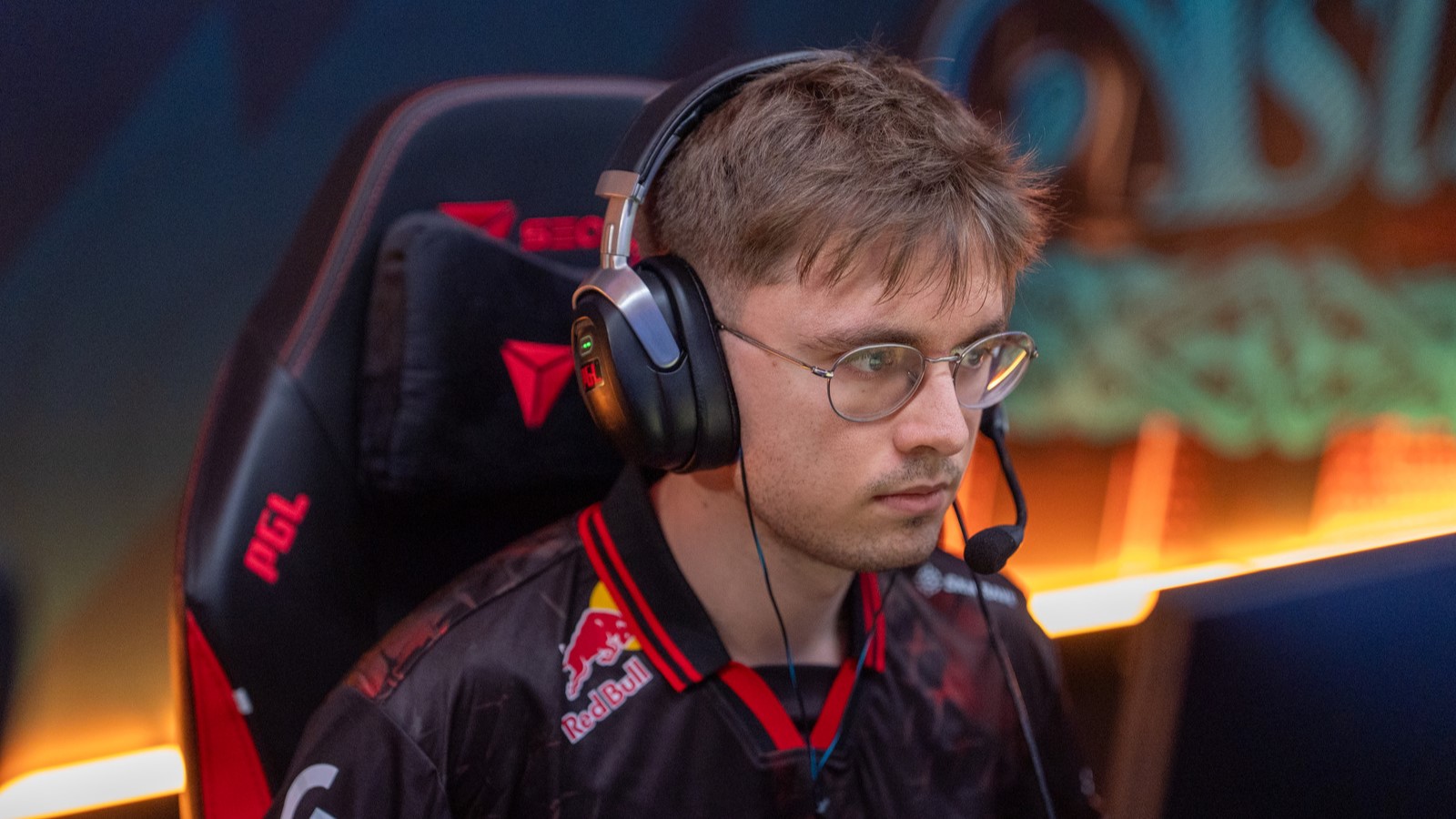
Polish AWPer hades gave a very packed interview in which he went over several painful topics at once: from the inner workings of Heroic and G2 to the main disease of the Polish scene — ego, resentment toward criticism, and the constant search for someone to blame. He also touched separately on the Inner Circle story, which, judging by his words, ended for him in the dirtiest possible way. The fact that this interview was released is confirmed by both the YouTube video and the announcement on hades’s own social media.
Heroic, G2, and the Polish scene are three very different worlds
The most interesting thing in this interview is not even the individual quotes, but the overall picture. hades effectively compared several different Counter-Strike ecosystems — a structured international approach, a productive top team, and a toxic local scene where teams often break not because of a lack of skill, but because of the people inside them.
By his description, Heroic had an almost unique model of preparation: demos before official matches were watched not only by the coach or the IGL, but by the entire lineup. Everyone brought their own ideas, their own work, and the game plan was then built collectively from that. It sounds like an extremely mature approach to CS, where responsibility for preparation is spread not across one person, but across the whole five-man unit.
On the other pole is his experience in G2. There, according to the interview’s retold points, practice was not exhausting in volume, but compensated for that with quality. And the most knowledge about the game itself, according to hades, came specifically from huNter- during that period.
read more
The Polish scene still seems to be fighting itself
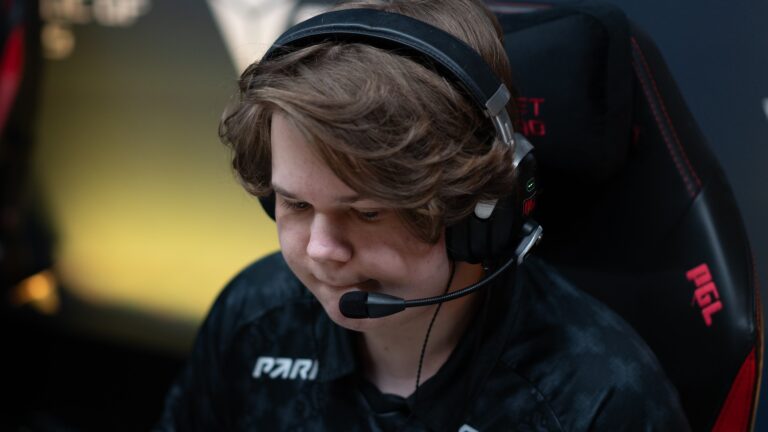
hades was the harshest when speaking about Polish Counter-Strike itself. In short, his main thought comes down to a very unpleasant thing: the problem there is not only in the results, but in the culture inside teams.
According to him, Polish rosters have a huge issue with ego and with how criticism is perceived. When a team starts slipping, people do not sit down calmly to break apart what exactly is working badly. Instead, there is whispering behind backs, internal camps, and a search for guilty parties. And if you tell a player directly about a mistake, the conversation often immediately turns into verbal ping-pong: not fixing the problem, but a counterattack in the style of “well, you messed up that round too.”
And that is probably the strongest thesis of the whole interview. Because the problem hades describes is not about tactics, not about shooting, and not even about coaches. It is about the inability of people inside a team to handle discomfort properly and work with criticism.
The Inner Circle story looks like a plain betrayal for hades
A separate block of the interview concerned Inner Circle, and there the picture turned out rather sad for hades. According to the retelling of his words, the organization initially seemed to be thinking about building a Polish lineup, and if that failed, then moving to an international version with his participation.
But then, when the opportunity appeared to quickly take an already assembled Ukrainian top-40 stack, the whole original structure simply collapsed. So the impression is that people were just kept in a suspended state, and then the direction was changed abruptly, leaving them without any real plan B.
For the scene, this is unfortunately not a story of world-shaking novelty. But when such things are told directly by a player, they once again remind everyone how often career decisions in CS depend not on honest dialogue, but on who managed to bring the organization a “more profitable” scenario first.
The ideal coach for hades is not only about CS
Another very telling thesis from hades is his vision of a coach. According to him, a good coach is not only a person who knows “pure CS,” but first and foremost a psychologist and a manager of atmosphere.
That is a very modern view. Because in top-level Counter-Strike, it is no longer enough just to explain rounds, timings, and map control. If there is no healthy atmosphere inside the team, if people do not trust each other and cannot survive failure without mutually destroying one another, then no game plan will live for very long.
And at this point, all of hades’s earlier theses come together into one logic: Heroic stayed in his memory as an example of shared responsibility, G2 as an example of productivity, and the Polish scene as a constant everyday war inside the team. So it is not surprising that he sees the ideal coach not as “a board with tactics,” but as a person who actually knows how to assemble five different players into one team.
Outside the server, there is an important story too
A less conflict-heavy but still strong line of the interview was his family. hades said that at first his parents pushed him toward a “normal job,” but after his first serious contracts their attitude changed completely. Now they not only support his career, but also watch matches and even try to discuss individual micro-moments of the game with him.
That is a good contrast to everything else in the interview. In the middle of stories about broken projects, toxic teams, and strange organizational decisions, it is a reminder that a player’s career still often begins with a very ordinary domestic struggle — proving to those close to you that “games” can be a real profession.
hades did not give an interview — he gave a diagnosis of part of the scene
Judging by the key points, hades in this interview did not simply share memories, but effectively gave a diagnosis of part of the Counter-Strike scene. He recalled Heroic as an example of collective responsibility, G2 as an example of maximum productivity, and Polish CS as an environment where ego and resentment very often suffocate development before a team even has the chance to reach its maximum.
And if all of that is reduced to one thought, then the main message is very simple: in modern CS, the team that wins is no longer the one that simply shoots better, but the one that knows better how to actually be a team.