
Modern Vitality looks like a team you would naturally assume was built through expensive and aggressive spending. But when all known transfer fees are finally put together into one picture, the result is almost paradoxical: one of the strongest rosters on the scene cost the organization significantly less than expected given its current status.
Vitality’s roster turned out surprisingly inexpensive by top-tier standards
If you add up all known transfer fees of the current Vitality lineup, the total comes to $900,000. For a team that currently sits at the top of the scene, holds a winning streak, dominates tournaments, and looks almost ideal in terms of balance, this is a very modest figure.
The known transfer fees are as follows:
- ZywOo from aAa — $100,000;
- apEX from G2 — $200,000;
- mezii from fnatic — $600,000;
- ropz — $0;
- flameZ — $0.
This is where the core of the story lies. Vitality didn’t just build a strong roster — they did it without the transfer frenzy that often accompanies big ambitions in modern CS. And when you look at the results today, this lineup appears not as an expensive construction, but as an almost perfectly calculated market play.
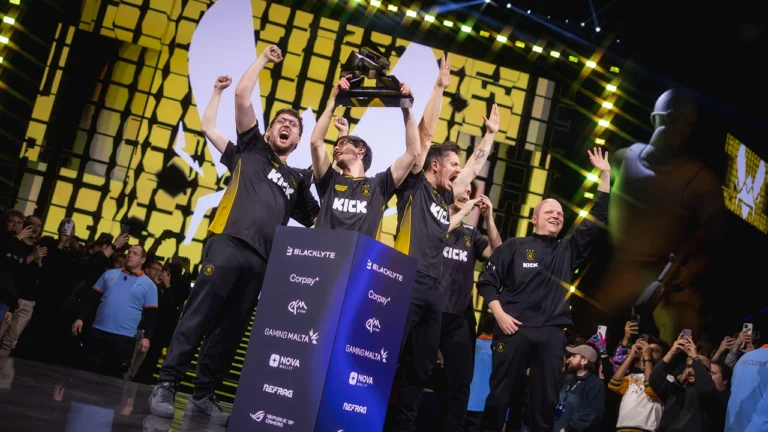
The biggest paradox is not ZywOo’s price, but the overall recruitment model
The first reaction to these numbers naturally revolves around ZywOo. From today’s perspective, $100,000 for a player of his caliber looks almost absurdly low. But what is even more interesting is how the club approached roster building as a whole.
Vitality did not act like an organization trying to simply buy a ready-made superteam with money. Instead, they acquired value before it became unattainable, or capitalized on situations where the market allowed them to sign elite players without a transfer fee. That is why the two zero-cost transfers — ropz and flameZ — are not a minor detail, but a fundamental part of the strategy.
Analytically, this story highlights three key points:
- Vitality had excellent timing in entering deals;
- the club avoided overpaying for big names when value could be secured differently;
- the strength of the current roster comes not from budget size, but from precision in decision-making.
And this is what makes these numbers so striking today. The Counter-Strike market often favors loud, expensive moves, but Vitality appears to have won through calculated, disciplined strategy.
The most expensive transfer is mezii, but apEX remains the symbol of value
Formally, the most expensive addition to this roster was mezii at $600,000. That is a significant amount, but it still does not push the overall picture into the category of “extreme spending.” For a top club signing a player for a championship-level system, it is a large yet controlled investment.

At the same time, the most interesting case in retrospect is apEX. His $200,000 transfer now looks completely different from how it might have been perceived at the time. Today, he is not just the captain of a top team, but one of the defining figures of the entire Vitality era. That is why this fee now seems almost symbolic in the context of the structural value he has provided.
As a result, a rare phenomenon emerges in esports: the most expensive transfer is not necessarily seen as the most valuable, because the true impact of certain decisions has long surpassed the initial cost.
Dominant Vitality shows that the market is not won by those who spend the most
Against the backdrop of the team’s current form, this story becomes even more compelling. Vitality are currently ranked number one in the world, on a winning streak, holding an almost perfect win rate in recent months, and looking like one of the most complete rosters in modern CS. That is why the $900,000 figure is no longer just an interesting statistic, but a statement about the quality of the club’s management.
Because it is not only about how much was spent, but what that money turned into. In the end, Vitality built not just a collection of strong players, but a system where:
- ZywOo became the face of the era;
- apEX became its structural core;
- ropz and flameZ added depth with almost no transfer cost;
- mezii filled a crucial part of the team’s balance.
This is the main lesson of the story: great rosters are built not only with money, but with a clear understanding of where value will emerge next.
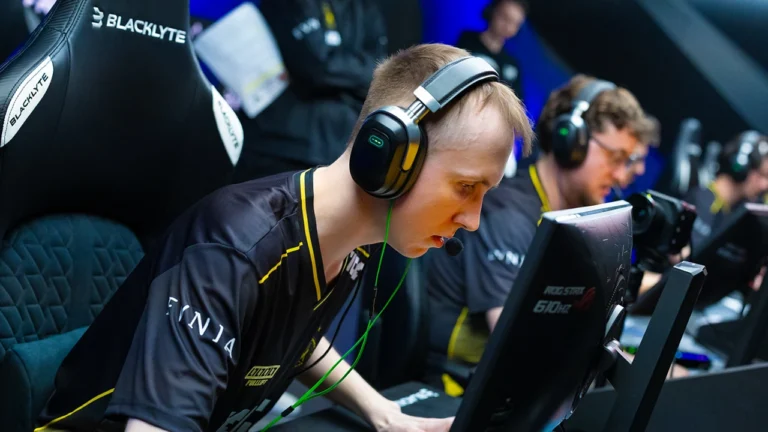
Against modern market prices, this roster looks almost like a market anomaly
The total of $900,000 for the current Vitality lineup looks shockingly low when compared to the team’s level today. This roster’s story demonstrates a simple truth: in Counter-Strike, it is possible to build a dominant project not through uncontrolled spending, but through precise deals, proper timing, and the ability to identify value before others.
That is why Vitality’s numbers are so impressive. They are not just low relative to the players’ current status — they highlight how effectively the club operated in the market. And from today’s perspective, this Vitality roster looks not only championship-caliber, but also one of the most efficiently assembled top rosters in recent years.