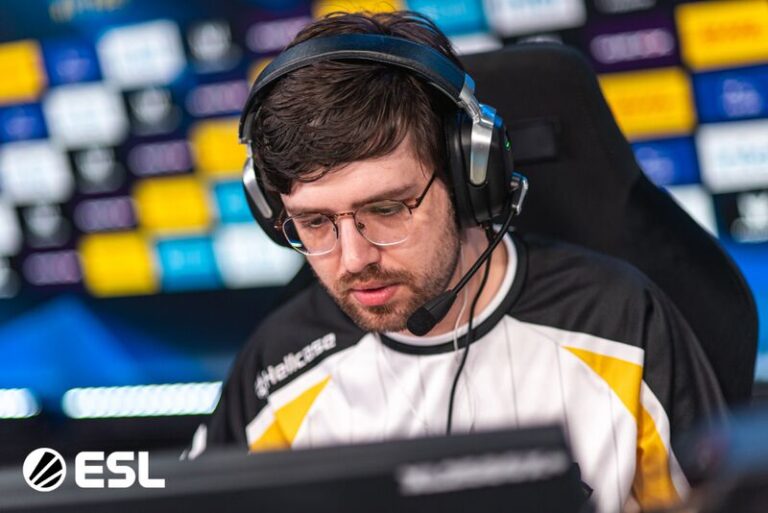

Amid the rumors surrounding a possible sticker separator in CS2, another popular theory has appeared in the community: Valve may not be moving against the market, but rather toward a model that, in the long run, will bring them more money from Steam fees. That is exactly how well-known investor TrueDad described the situation while commenting on the new wave of discussion around the skin economy.
A broader market
His main point is simple: if you look at any major Valve decision not emotionally, but through business logic, then almost every such step should work toward the company’s long-term revenue growth. And that means that even if the changes seem painful to some collectors or traders, inside Valve they may see them as a way to make the market broader, more active, and more profitable for the platform.

The logic of the theory: more trades, more fees
According to TrueDad’s version, if the main motivation really is earning more from fees, then such a strategy looks completely understandable. If the market becomes less skewed toward ultra-rare and ultra-expensive positions, and the mid-tier becomes more active, that potentially means more buy-and-sell operations.
And for Valve, that is the most important thing. You do not necessarily need one astronomically expensive item if you can build a system where far more people trade more often and bring the platform steady fees from every transaction.
A similar model has already been seen on souvenir skins
The investor also points out that this logic does not look random or new. In his opinion, a similar approach has already been tested on souvenir skins, meaning Valve already have experience with how a model works when the market is not centered only around a few completely unattainable items.
That is exactly why he does not see these rumors as something chaotic. If the company is really moving in this direction, then it is most likely not a random experiment, but a calculated scenario with an understanding of what it can bring to the Steam Market ecosystem.
TrueDad says it directly: updates are not being run by idiots
One of the key points of the entire comment sounds harsh, but very clear: “updates are not being run by idiots.” Translated into normal language, that means that major decisions inside Valve are unlikely to be made without financial logic and without understanding the consequences for the internal economy.
In other words, the idea that “Valve just went crazy and are killing their own market” looks too naive in this framing. The company may hurt a specific segment of collectors, but if it ultimately strengthens overall turnover, broadens the market, and increases fee revenue, then for Valve that is already a winning scenario.
Who loses and who wins in such a model
The most interesting part here is the consequences for different groups inside the skin economy. If you simplify this logic as much as possible, the picture looks like this: cheaper and mid-tier items could get more life, and the market would become more accessible to a wider circle of players.
Meanwhile, owners of the most extremely expensive items may feel less comfortable, because the model would no longer work as strongly around the cult of absolute scarcity. In that sense, the phrase “the poor get richer, the rich get poorer, and Valve wins” sounds rough, but describes the essence of this theory very accurately.
This is not confirmation yet, but a market interpretation
It is important not to exaggerate. Right now, this is not an official explanation from Valve, but an interpretation from an investor who is looking at the rumors through the prism of Steam Market economics and the company’s behavior in past updates.
But that is exactly why comments like this are interesting, because they move the discussion away from “I like it / I do not like it” and toward “who could benefit from this and why.” And if you look at everything that way, then the fee theory really does look very viable.
An attempt to balance prices
In TrueDad’s opinion, the possible changes around stickers in CS2 do not necessarily mean a blow to the market. On the contrary, this could be an attempt to balance prices, remove extremes, and increase turnover so that Valve ultimately earns more specifically from sales fees.
And if this logic really lies at the foundation of future decisions, then the main beneficiary of such a restructuring is already obvious. Not an individual collector, not an individual trader, and not even a specific segment of skins — but Valve itself, which traditionally thinks not in terms of one wave of hype, but in terms of the long run.