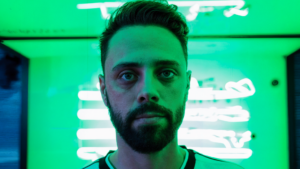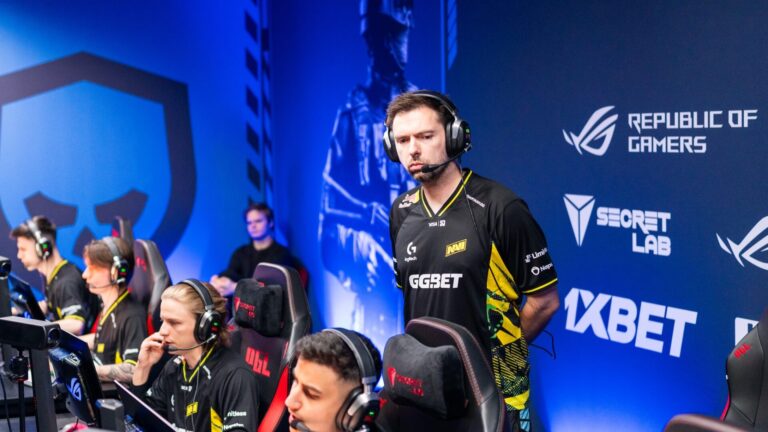

The scandal surrounding Mykhailo Mudryk quickly went far beyond a routine matchmaking ban. The Chelsea winger was banned on FACEIT for toxic behavior in Counter-Strike 2, but the aftermath turned into a large-scale online conflict with political and national overtones.
What happened in the match
According to chat logs and screenshots that spread across social media, Mudryk received a 28-day ban for Toxicity. During the match, he used provocative phrases after a loss, including “next volyn” and “next map 39”, which some users interpreted as sensitive historical references.
FACEIT applied standard sanctions:
- a temporary 28-day ban;
- removal of account verification, a measure typically used in reputation-sensitive cases.
At the time of publication, FACEIT had not issued a detailed explanation regarding the specific wording.
How the incident went beyond the game
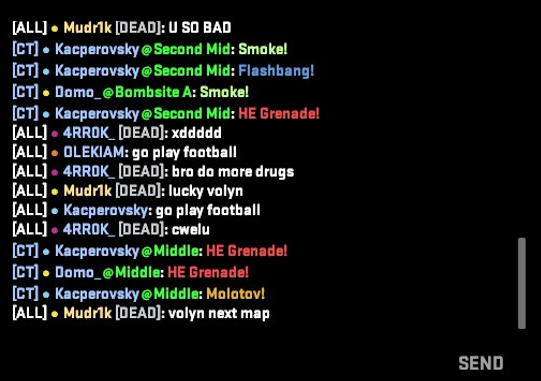
Once the first screenshots appeared, the situation quickly spilled outside the CS community. The topic trended on X (Twitter), drawing in not only players and analysts but also users far removed from esports.
A key point in the discussion: members of the opposing team publicly stated that they did not provoke Mudryk first, claiming the toxic message appeared only after the loss. While this did not absolve responsibility, it became part of the broader debate about context.
Community reaction: from criticism to outright hate
Community reaction was sharply divided:
- some argued that a public figure has no excuse for such language, even in a game;
- others agreed the ban was justified but stressed that the punishment does not legitimize subsequent harassment and abuse.
Crossing the line
The loudest segment of the discussion quickly devolved into a flood of insults, hate speech, and political statements, targeting not only Mudryk but Ukrainians in general. Replies included:
- calls for physical violence;
- historical manipulation;
- explicit national and political slurs.
Many users publicly called on FACEIT to intervene not over in-game toxicity, but over hate speech in the replies themselves.
Platform and club stance

As of now:
- FACEIT have not released a separate statement addressing the wave of hate;
- Chelsea have not commented publicly;
- Mudryk himself has remained silent.
At the same time, the situation clearly showed how a minor matchmaking incident can instantly turn into a major public controversy when a high-profile individual is involved.
Why it matters
This case is illustrative for several reasons:
- FACEIT reaffirmed a strict stance on toxicity regardless of a user’s status;
- the line between in-game conflict and real-world hate speech proved dangerously thin;
- esports platforms are increasingly being pulled into geopolitical and social conflicts they are not structurally prepared to handle.
Mudryk will serve his ban and likely return to play. But the informational fallout has already far outgrown the 28-day suspension itself — and that is what makes this incident resonate across the CS2 community.