
Valve has rolled out a new Counter-Strike 2 update, and this time the spotlight falls on the crosshair system. The patch, released on September 24, 2026, follows the previous day’s update and arrives as a set of hotfixes rather than a major overhaul. However, the crosshair changes alone make this update worth a closer look for competitive players.
Why does this matter? Crosshair precision is one of the most personal settings in CS2, and small changes to how it’s measured can affect thousands of player configs at once. In addition, the update touches Rush mode timing and fixes several animation bugs, so the patch reaches beyond just visual settings.
Rush Mode and Timing Adjustments
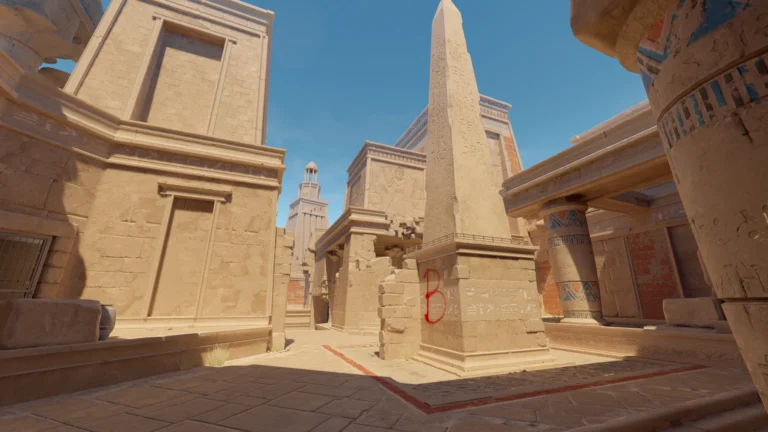
The update increases the maximum countdown-after-elimination time from 7 seconds to 14 seconds on end rooms and in Convoy mode. This countdown will not trigger, though, if an entire team is eliminated through suicides, team kills, or disconnects. Meanwhile, Valve also trimmed warmup time once all players have connected, along with freeze time and technical timeout duration. The patch notes mention various gap fixes and clipping adjustments as well, though no further detail was given.
read more
A New Pixel-Based Crosshair System
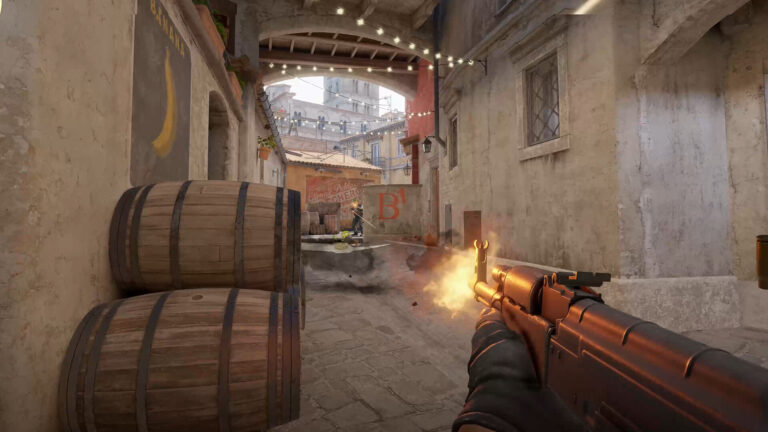
The core of this update is a reworked crosshair system. Previously, crosshair thickness and length used an arbitrary scale that converted differently depending on display resolution. As a result, the same settings could look completely different from one monitor to another.
Now, thickness, length, and gap are measured directly in pixels. For example, a player who wants a 1-pixel-wide crosshair with an 8-pixel bar length and a 4-pixel gap simply sets those exact values. Valve noted that the system automatically rescales these pixel counts when resolution changes. If a crosshair was set to 2 pixels thick at 1280×720 and the player switches to 2560×1440, the thickness will automatically adjust to 4 pixels, keeping the crosshair proportionally the same.
Several smaller crosshair fixes came with this change too. Valve added an option to draw half-outlines, which shows only the top-left portion of the outline. The team also fixed a bug that prevented a 0 gap width from working correctly and introduced a new static square crosshair style.
– Added option to draw half-outlines. This will only draw the top-left portions of the outline for a crosshair.
You can use this via cl_crosshair_drawoutline in console. 0 = No outline, 1 = Full outline, 2 = Half outline. pic.twitter.com/mjwo8YVzQx
— Thour (@ThourCS2) September 23, 2026
Dynamic Spread Changes
Valve also reduced the minimum dynamic spread distance to 64 pixels. The new dynamic crosshair styles now display the actual weapon spread and inaccuracy in real time. Therefore, the “Dynamic Spread Limit” setting now acts as a cap on how far the crosshair can spread during maximum inaccuracy. According to the patch notes, this 64-pixel baseline covers weapons with the largest spread, helping players better judge their true accuracy with any equipped weapon.
Additional Fixes
A handful of animation bugs also got fixed in this update. Left-handed viewmodels no longer animate incorrectly during silent reloads. Thirdperson player models no longer animate too fast during the same action. Firstperson Dual Berettas also got a fix for incorrect reload animations. Finally, clan tags now appear in death notices, a small but visible change for organized play.
Conclusion
According to Valve’s official patch notes, this update focuses on giving players more precise and predictable control over their crosshair settings. It also fine-tunes Rush mode pacing along the way. The shift to pixel-based measurements removes a long-standing inconsistency between different display resolutions. This should make crosshair configs easier to share and replicate across setups. Combined with the Rush mode timing changes and animation fixes, this update addresses both competitive mechanics and visual polish. Players who rely on custom crosshair configurations will likely need to revisit their settings, since values that worked under the old scale may now behave differently under the new pixel-based system.