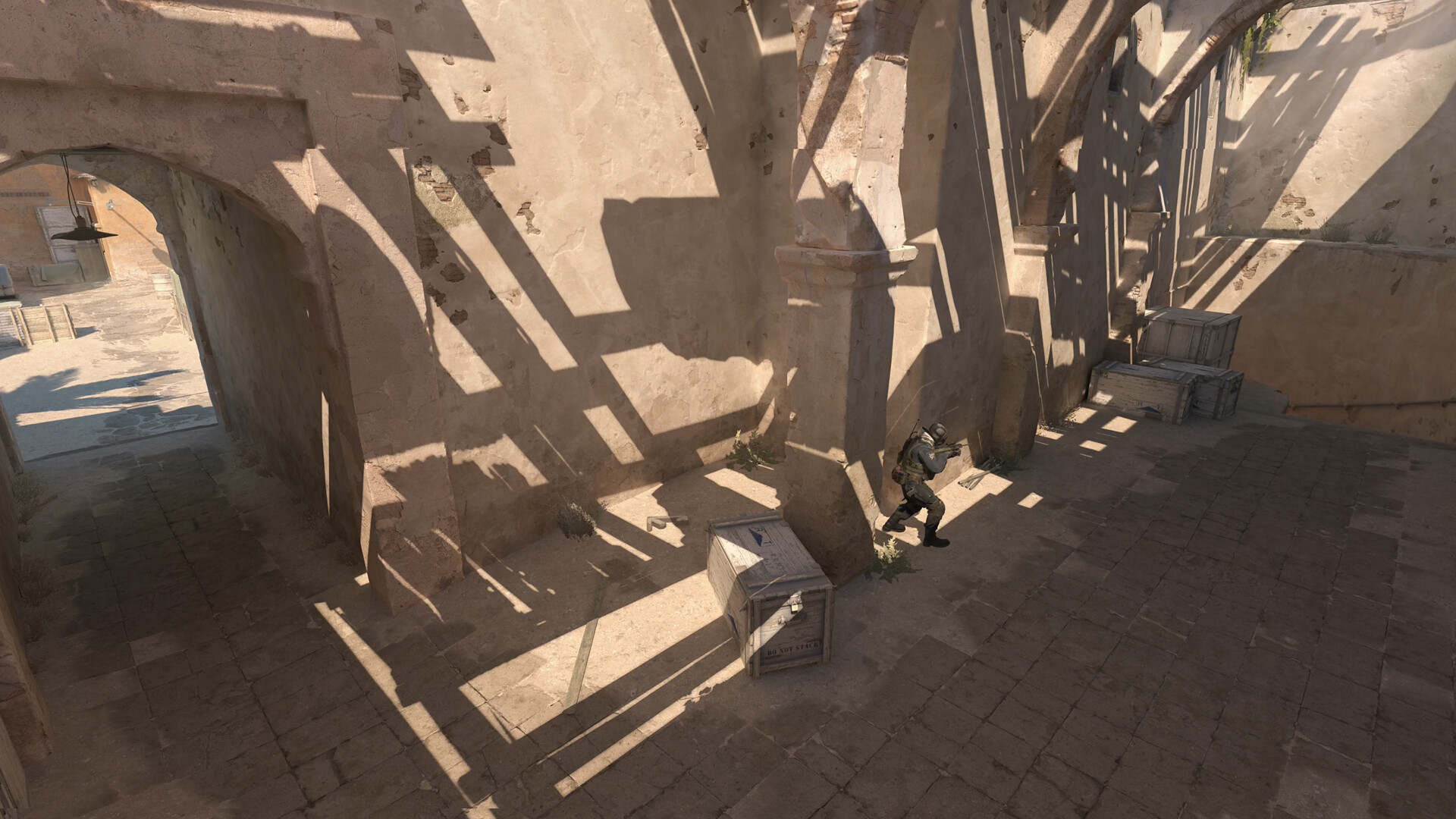
A group of Argentine programmers is working on a new tool for Counter-Strike 2. The tool searches through professional matches. It finds rounds that closely match a situation a team just lost. As a result, players and coaches can see how other teams handled the exact same scenario in the past.
This matters because round analysis is a standard part of CS2 team preparation. Every team reviews demos after matches. This includes top-tier rosters and smaller organizations alike. However, this process has mostly relied on manual review and discussion. Finding a truly comparable example from past pro matches usually meant someone had to remember it or stumble upon it by chance.
How Teams Currently Review Lost Rounds
At the moment, teams typically review a lost round by watching the demo. They talk through what went wrong together. Often, the solution comes from whatever idea someone raises in the moment. This idea usually draws on personal experience rather than a wider set of examples. The approach can work well. However, it depends heavily on the knowledge and memory of the people in the room at that time.
What The Tool Is Designed To Do
Developer Ian Carruccio announced the tool on X. He calls it “Similar Rounds.” The tool searches a database of more than 860,000 rounds from professional matches. A user can pause a demo at a specific moment. Then, they can use the tool to find comparable rounds from pro play.
Users can also filter the search by several factors. These include grenade usage, the number of players alive, and team economy. They can also filter by the presence of an AWP and the timing of the round. In addition, an “Auto” mode lets the system find relevant rounds automatically within seconds. This filtering system aims to narrow down results. That way, the examples shown stay as close as possible to the original situation.

Why This Development Matters
This kind of tool could change how teams study professional play, if it works as described. Instead of relying only on memory or intuition during a debrief, teams could compare their own rounds directly against a large pool of professional examples. Over time, coaching staff could also build structured breakdowns of common round situations. This would replace relying on scattered notes from individual sessions.