
B8’s first half of the season has been defined by progress, but also by the uncomfortable feeling that there was more available. For a young Ukrainian lineup that has spent a long time fighting around the edge of tier one, the last few months have been less about proving they can upset strong teams and more about proving they can stay in the conversation consistently.
That is what makes their recent rise important. B8 are currently placed #15 in the VRS standings, having peaked as high as #9 and stayed there for three weeks. For a team still working with an average age of 20.6, that is not a small detail. Ranking is no longer just a badge of form in the current Counter-Strike ecosystem. It affects invitations, seeding, the level of opposition, and the number of chances a team gets to test itself against the best.
A Major run shaped by pressure and adaptation
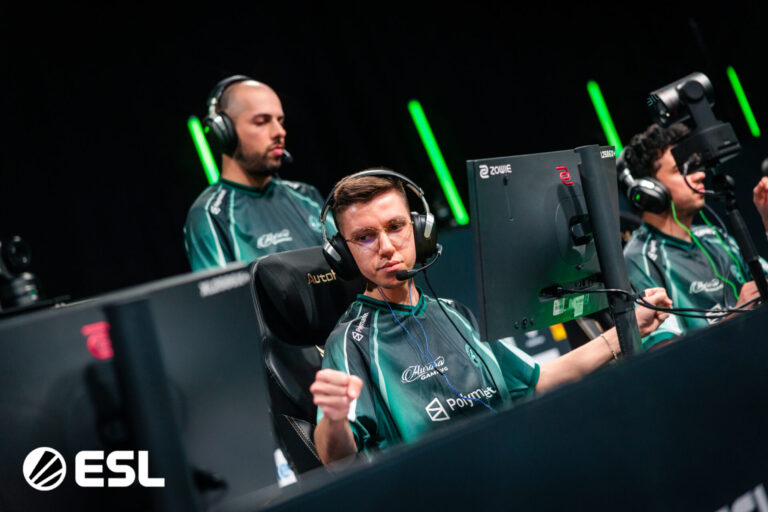
B8 entered the IEM Cologne Major 2026 in that exact position: close enough to the elite to believe, but still young enough for every pressure moment to matter. The team had already been through a major role change after headtr1ck’s departure. And the fact that they had to play without a coach, added even more pressure. But even under tremendous pressure, the players evolved to fill the gaps in communication, and despite their younge age, showed commendable runs. s1zzi stepping into the AWPer role during key rounds also helped B8 massively. He was still adapting, but his 1.11-rated Stage 2 helped B8 reach the third stage of the Major, keeping the team’s playoff hopes alive.
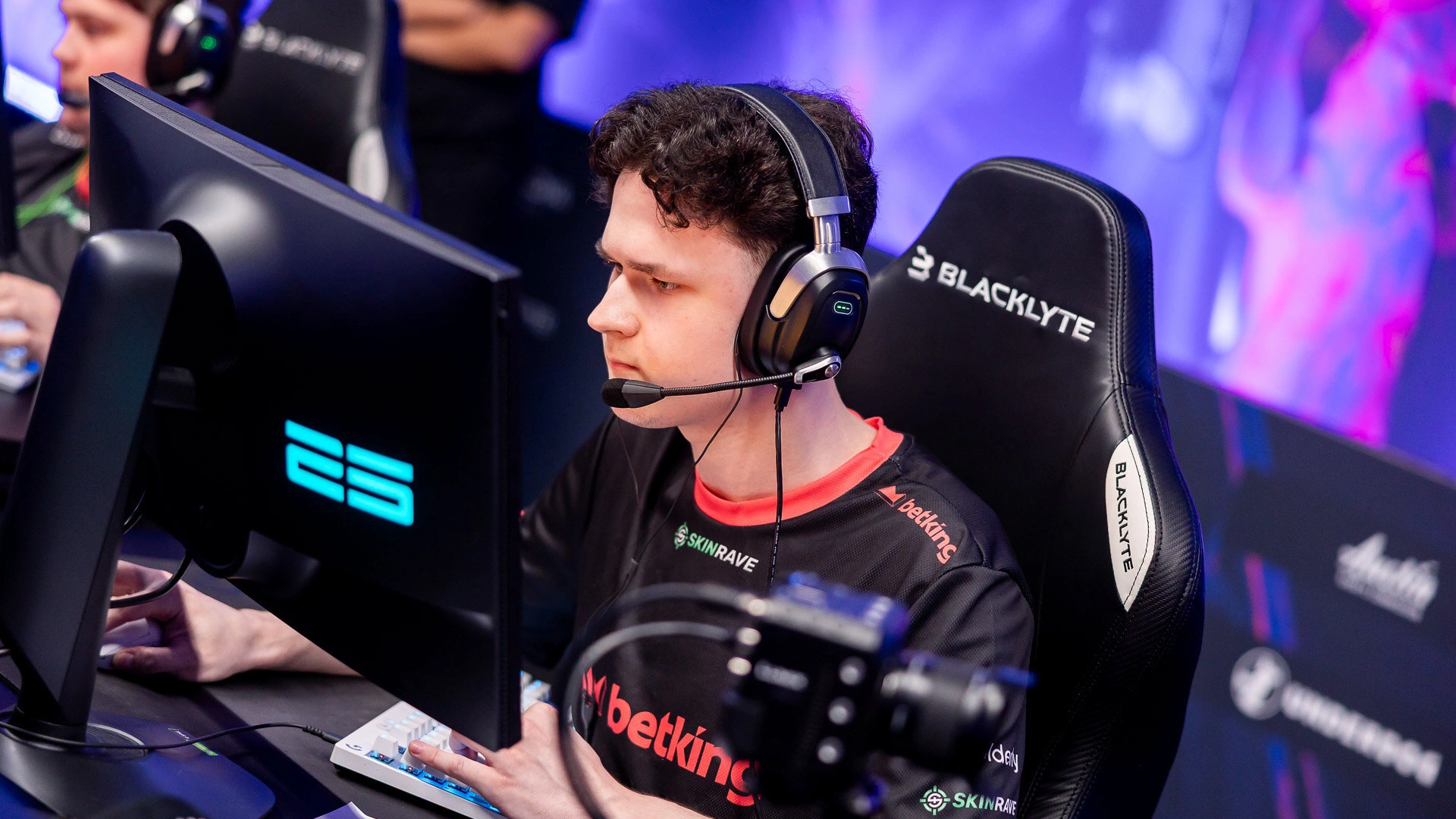
One of the more important stories inside the server was s1zzi’s growth. Replacing headtr1ck was never going to be simple. The AWP is often the emotional centre of a team’s identity, especially in a young lineup, and s1zzi had to learn that role under Major pressure. His recent three-month rating of 1.03 does not suggest a finished star yet, but his Stage 2 performance showed why B8 are willing to be patient with him.
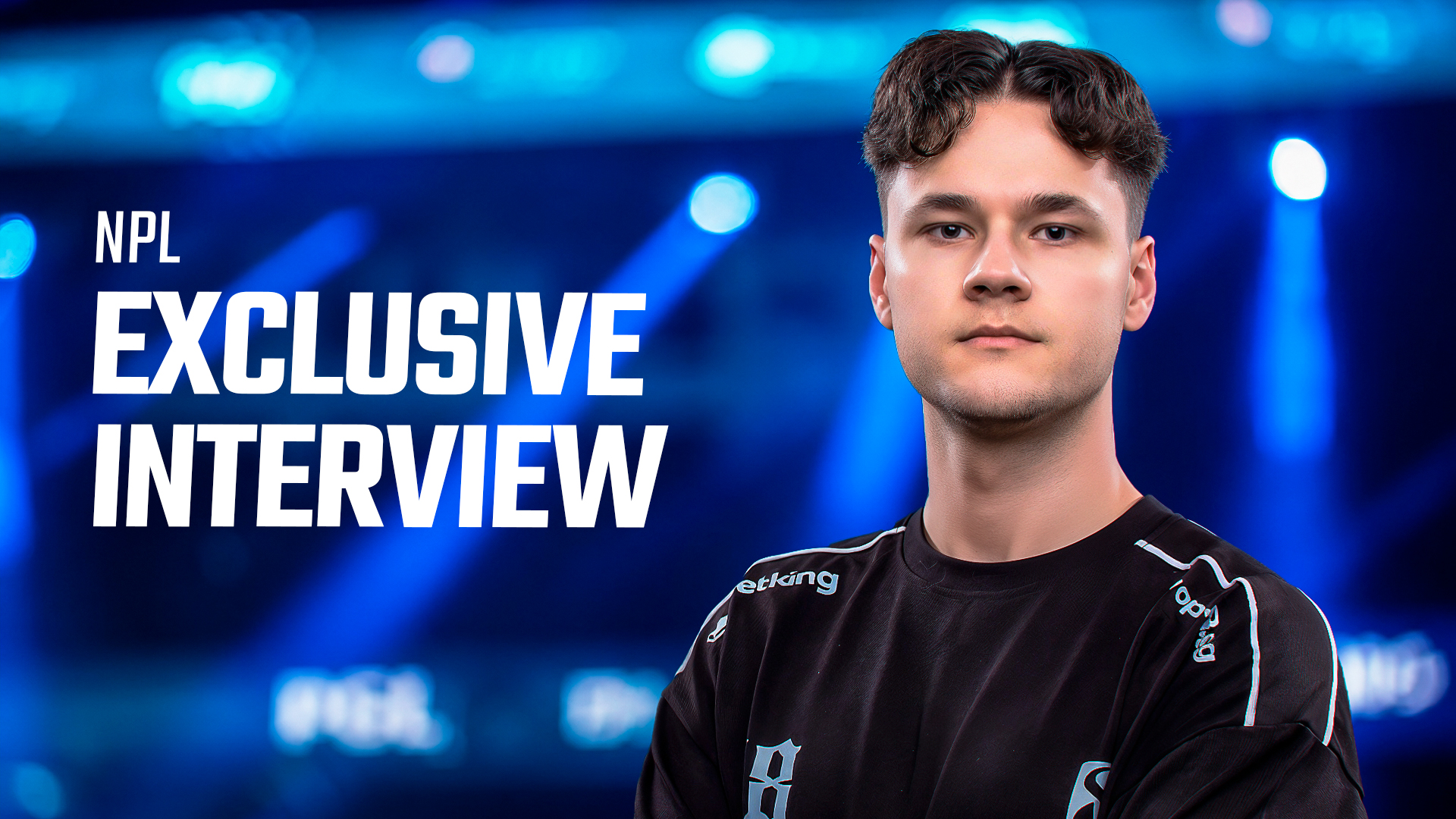
npl could see the nerves early, but also the change as the tournament continued.
“At first, he was just really nervous. I could feel it. I told him to relax and not worry because nothing terrible would happen even if he had a few bad games. With every match, he became more confident, opened up more, and stopped feeling as nervous.”
That development matters because B8’s long-term ceiling depends heavily on whether s1zzi can become more than a replacement. They do not need him to instantly reproduce headtr1ck’s level, but they do need him to become a stable source of impact. In Stage 2, he gave them exactly that. The more comfortable he became, the less B8 looked like a team surviving a roster change and the more they looked like a team growing through one.
B8’s identity has often been tied to individual quality. They have players who can win isolated duels, turn broken rounds into something playable, and create momentum without needing every part of the system to be perfect. That kind of firepower is valuable, especially in high-pressure games, but the Major also showed why it cannot be the whole foundation. npl admitted that individual skill is one of the team’s biggest strengths, but he did not treat it as enough on its own.
“Yes, I’d say it’s one of the biggest strengths of our team. But against really strong opponents, that alone isn’t enough, so we’re constantly trying to improve our structure and team play.”
That is the most important distinction in B8’s current journey. They are good enough to beat teams through confidence and mechanics, but tier-one consistency demands more. The next step is making sure their individual moments come inside a structure, not instead of one. Against the strongest teams, talent can win maps, but structure wins runs.
Their comeback against GamerLegion on Nuke was the clearest example of that balance. B8 were in the final map of the 0-2 bracket, where losing the series would have ended their run in Stage 2. After a poor CT half in which they managed only three rounds, the situation looked dangerous. But their T side became far more controlled, and the comeback was not built only on panic or hero plays.
npl pointed to the preparation around Outside as the key.
“We had a clear game plan to play around Outside. The coach and our captain prepared it before the match. Once we switched to the T side, we simply stuck to the plan. We played the late rounds well, won our duels, and that’s how we came back into the game.”
That is the kind of round-by-round maturity B8 will need more often. Coming back from a bad half is not only about energy. It requires a team to trust something even when the scoreboard tells them the match is slipping away. For B8, that meant staying with a prepared idea and executing it better once the side switched.
npl also explained that the team’s approach in difficult situations is not to focus on the deficit itself, but to identify the problem and solve it.
“We try not to focus on the fact that we’re losing. Instead, we look for solutions to the problems we’re facing during the game. If something isn’t working, we change the plan and focus on fixing the situation.”
That mindset is valuable for a young team because pressure can easily turn into emotional Counter-Strike. B8’s best moments at the Major came when they stayed practical. They did not need to reinvent themselves mid-map, but they did need to recognize what was not working and adjust around it.
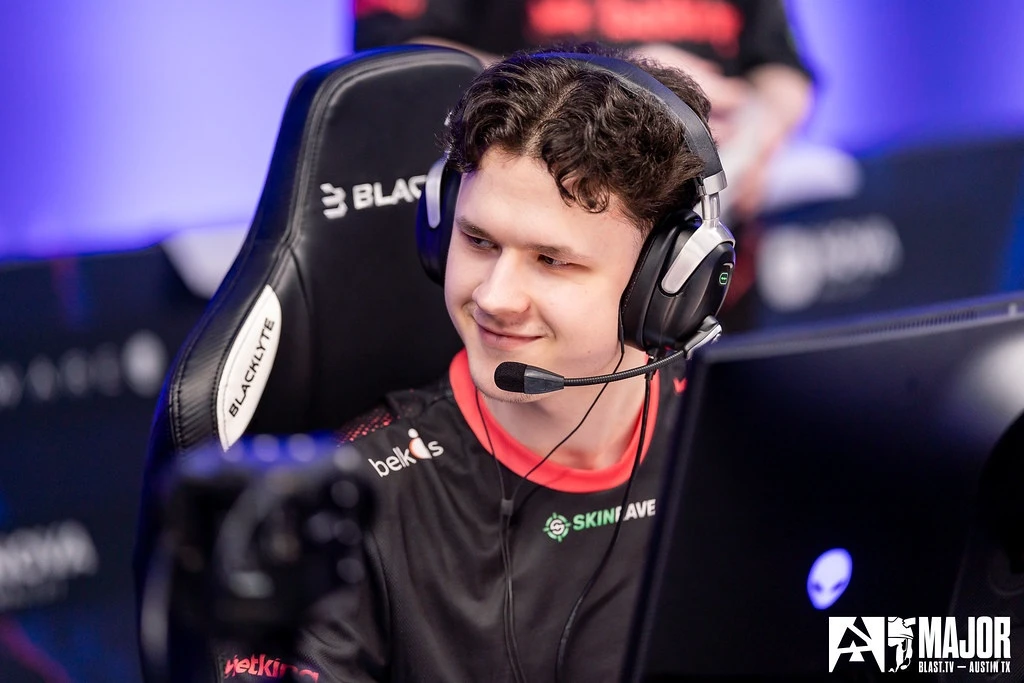
At the same time, npl made it clear that B8 are not a team that wants to abandon their pre-match approach too quickly. Adjustments happen, but most of the time, they still prefer to trust the preparation.
“It depends. Sometimes we make adjustments depending on how the game develops, but most of the time we stick to the plan we prepared before the match.”
That balance is important. Too much rigidity can make a team predictable, but too much improvisation can make it unstable. B8 are still learning where that line is. Their Major showed both sides: the discipline to follow a plan against GamerLegion, and the inconsistency that hurt them later in Stage 3.
The tournament also became harder because of illness. Several members of the team got sick during the Major, and for npl personally, it affected communication and performance. Even so, he was B8’s second-highest-rated player in Stage 2, posting a 1.07 rating across 11 maps.
He did not frame the illness as motivational. He described it as exactly what it was: another difficulty.
“I’d actually say the opposite. It made everything more difficult. Personally, it was really hard for me. I think being sick affected my performance by around 10 to 15 percent. Sometimes I wouldn’t hear something, sometimes I’d make mistakes. Of course, winning still felt great, but being sick only made things harder.”
Why Stage 3 still feels like a missed chance
That detail adds context to B8’s run without fully explaining away the result. They were dealing with physical problems, but they still reached Stage 3. The frustration comes from what happened after that. B8 had given themselves a real chance to fight for playoffs, but once they got there, the level dropped.
They finished Stage 3 with a 0-3 record, losing to FURIA, The MongolZ, and FUT. For a team whose goal was playoffs, that was a painful ending. It was not just that they lost. It was that they felt they had not shown their real game until it was too late.
“Our goal from the beginning was to reach the playoffs. But in Stage 3 we didn’t play our game at all. We only started looking decent by the third match, but by then it was too late, and we finished 0-3. I honestly think we were capable of fighting for a playoff spot.”
That quote captures the whole contradiction of B8’s Major. Reaching Stage 3 was progress. Finishing 15-16th was respectable for a team still adjusting around a new AWPer. But inside the team, the result clearly felt like a missed chance. The gap between “good tournament” and “playoff run” was close enough to hurt. npl also pointed to the format as one reason early pressure can become so difficult. Best-of-1s leave very little room for recovery, especially for teams still growing into the event.
“I’d play only Best-of-3 if it were up to me. Best-of-1 is just too random. Someone can show up and play the match of their life, and there’s not much you can do against that. Over a best-of-three series, that happens much less often.”
Learning under Major pressure
For a team like B8, that makes sense. Their strengths often show through adaptation and confidence over time. The more maps they play, the more they seem to settle. That is why npl felt the biggest improvement by the end of the tournament was not tactical, but emotional.
“The biggest difference was dealing with pressure. In the first matches, everyone was nervous because every round felt incredibly important, especially in Best-of-1s. But after you’ve played around twenty maps at a tournament, it becomes much easier. You just go out there and play your Counter-Strike.”
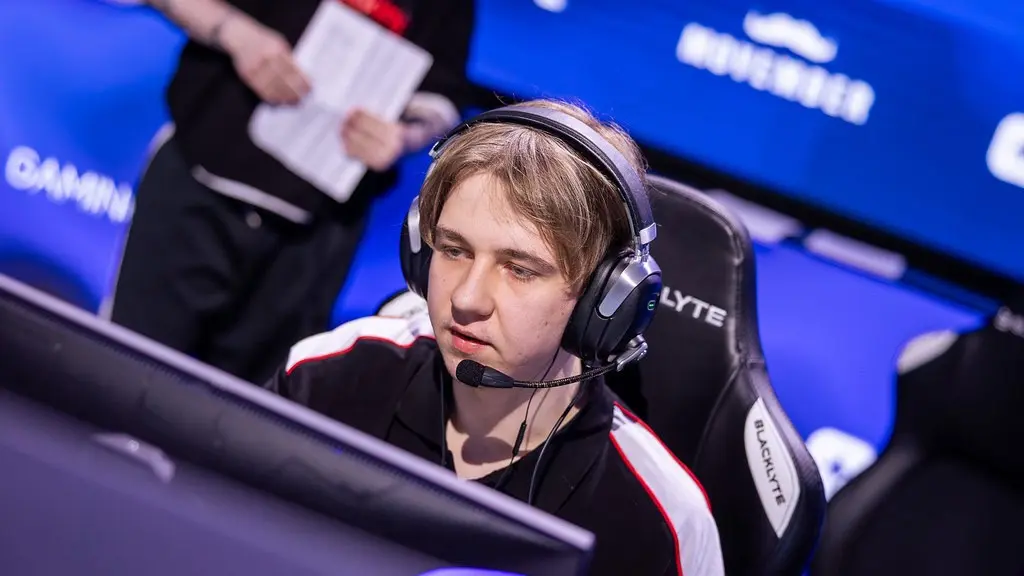
That is one of the most important lessons B8 can take from the Major. The event gave them experience that cannot be replicated in practice. A young team can talk about pressure, but it only really learns it by playing elimination maps, losing advantages, dealing with crowd moments, handling illness, and trying to keep communication clean when every round feels decisive. Away from the server, B8 also had to deal with noise around the incident involving gr1ks on Ancient. npl’s response was direct. For him, the only meaningful part was apologizing personally, not answering every reaction online.
“Honestly, I didn’t care. I don’t pay attention to the drama people create on social media. The only thing that mattered to me was apologizing to gr1ks personally. That’s what was important. I don’t feel like I owe anyone else an explanation.”
He described a similar approach to criticism in general: support is appreciated, constructive criticism is considered, but insults are ignored.
“If it’s support, I always appreciate it and try to thank people. If it’s constructive criticism, I’ll read it. But if it’s just insults, I usually block the person and move on.”
That mental filter is useful for a team that is now visible enough to be judged like a tier-one side. The higher B8 climb, the more every result becomes a discussion. A 15-16th Major finish can be seen as a step forward from the outside, but internally, npl judged the first half of the season with more nuance.
“Overall, it was decent, especially considering we had to replace our AWPer. But of course, it could have been better. I think we had the potential to perform stronger and finish in the top 12. Invitations to tournaments depend heavily on the rankings now, so that would’ve been important. In the end, we finished in the top 16.”
How the future looks for B8
That is the practical reality of B8’s position. Being ranked around #15 is strong, but the difference between top 16 and top 12 can matter a lot in the current ecosystem. It can change which events a team gets invited to, how often it faces top opposition, and whether it can build momentum without constantly fighting uphill through harder routes. That also explains why continuity matters. B8 are not expected to make roster changes before the second half of the season. After already replacing their AWPer, the team appears more interested in giving this version time to grow.
“I don’t think so.”
The focus now turns to s1zzi’s development and the team’s ability to turn close runs into deeper ones. npl still sees the young AWPer as a major asset, even if he is not yet a finished product.
“He’s still learning, of course. But you can already see how skilled he is. He’s capable of winning maps almost by himself through individual ability, and that’s a huge asset for the team.”
B8’s next decisions will also be shaped by how they handle the calendar. They have accepted an invitation to a tournament in China and are skipping BLAST Bounty to play it. For a team trying to climb and protect its ranking, choosing events carefully matters almost as much as playing well at them.
“After the tournament in China, we’ll still have about a month to rest. We’re intentionally skipping BLAST Bounty to play that event because it’s more important for us. It has a good prize pool, and we believe we have a real chance to achieve something there. Overall, I don’t think there are too many tournaments. If you manage your schedule properly and don’t accept every invitation, it’s completely fine.”
B8’s Major ended earlier than they wanted, but the tournament also gave them a clear view of where the next level is. npl pointed to 9z and BetBoom as teams that surprised him, especially because both looked organized rather than lucky.
“Definitely 9z. I didn’t expect that kind of performance from them at all. I watched several of their matches, and it was clear they weren’t winning through randomness. They have a solid structure, great teamwork, and they look like an experienced Tier 1 team. BetBoom also impressed me. They played with a stand-in and still managed to make a deep run.”
That comparison probably matters to B8 because it shows how thin the line can be. They were close enough to believe playoffs were possible, but not sharp enough in Stage 3 to take the final step. Their ranking, their Major run, and their young core all point in the same direction: B8 have moved beyond being an outsider story.
But the next stage is harder. It is no longer about showing potential. It is about converting potential into repeated results. Cologne proved they can survive pressure, win difficult maps, and adjust around adversity. It also proved that tier-one margins punish every slow start, every nervous game, and every missed chance. For B8, the Major was a step forward. And in the coming months, as the roster develops, they will be able to show better results.