
Player Gilboorg ran a simple experiment to find out if holding an angle still pays off in Counter-Strike. In the older games, it did. In CS2, the advantage moved to the player who peeks.
Why does this matter? For many players, a good position was a reliable reward for smart play. If that is no longer true, CS2 may now reward a different style of play.
Why Gilboorg Ran the Test
Gilboorg began playing Counter-Strike at the age of nine, trying to beat his brothers. Over time, he learned that he did not always need better aim. Instead, he could win by playing smart and taking a spot his opponents did not expect.
However, in CS2 he felt that he was losing that edge. As a result, he decided to check whether this feeling was real or just nostalgia for the old games.
How the Experiment Worked
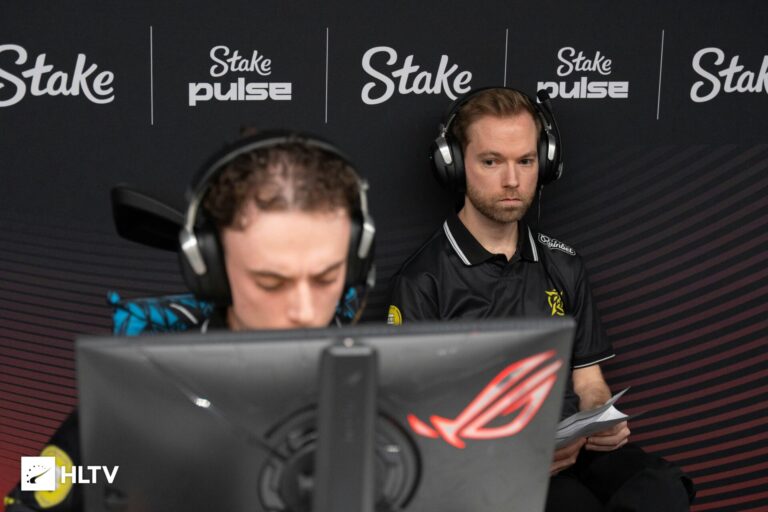
He invited two friends to help. One friend tested the angles by peeking the same corner over and over. The other friend tracked the results and entered them into a spreadsheet.
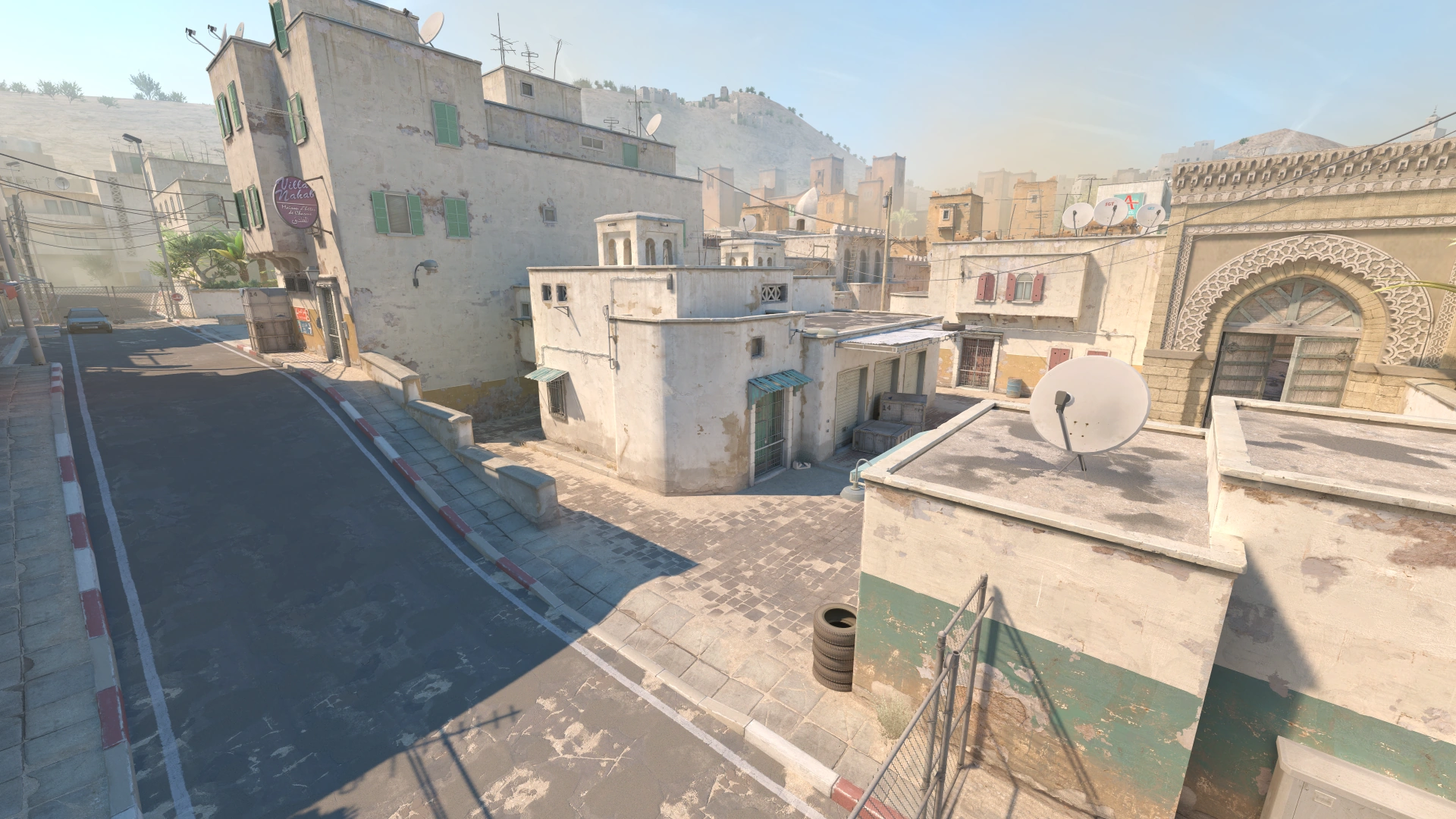
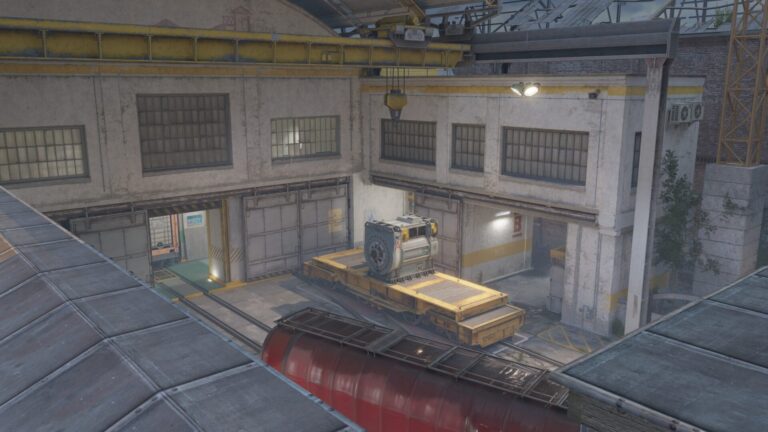
The setup was the same in every game. Gilboorg tested Counter-Strike: Source, Counter-Strike: Global Offensive and Counter-Strike 2. Each game used the same map, the same corner and the same gun. One player held the angle, and the other peeked. In total, the group played 120 duels in each game.
Gilboorg admitted that human error is part of any test like this. For that reason, he chose to play a large number of duels in every game.
Results in CS:S, CS:GO and CS2
In Counter-Strike: Source, the holder won 65 of 120 duels, while the peeker won 55. That means holders won 54.2% of fights, and peekers won about 46%. Gilboorg noted that he had played around 700 hours of Source in 2011, while his friend had about 50.
The results in CS:GO were very close. The peeker won 56 duels, and the holder won 64. Therefore, holders won 53.3% of the time, and peekers won about 47%. Despite the nine years between the two games, the numbers were almost the same.
CS2 changed the picture. This time, the peeker won 70 of 120 duels, and the holder won 50. As a result, peekers won 58.3% of fights, while holders won 41.7%. Gilboorg won 34 of his 60 peeks, and his friend won 36 of his 60. Both players saw the same pattern.

A Look at the Faceit Leaderboards
Gilboorg also looked for signs of change outside his own test. Before checking, he wrote down a prediction. If aim now matters more than anything else, players known for mechanics should do better. Meanwhile, players known for positioning, utility and teamwork should struggle.
To test this idea, he turned to Faceit, where top online players compete. On the CS:GO leaderboard, 11 of the top 20 players, or 55%, were from Europe. In CS2, that number fell to four out of 20, or 20%.
However, Gilboorg pointed out that this alone does not prove that aim matters more than before. The leaderboard data only adds context to the main result of his test.
Why the Change Matters
According to Gilboorg, a good position paid off in Counter-Strike for 19 years, from 2004 to 2023. In CS2, he says, that rule no longer holds by his numbers. He also noted that standing still no longer works well. A player who does not move while holding an angle can lose the fight, so holding now has to include movement.
Gilboorg also worries about the effect on playstyles. If peeking is the better choice, more players will choose it. In his words, it feels like everyone is climbing the same ladder, with better aim and faster reactions and less room to win another way. He believes that having fewer ways to win makes the game less interesting.
He also reminded viewers that CS2 was presented as an upgrade to CS:GO. For him, an upgrade should mean a better version of a game he already loves. He said he does not know if this shift was intended, but he believes it deserves more attention.
What This Means for Players
This is a small, informal test with two players, so it does not settle the question for everyone. Even so, the contrast between the games is clear. Holders had a small edge in Source and CS:GO, while peekers had a clear edge in CS2.
Therefore, players who built their style around patient positioning may need to adapt. The test also raises a bigger question for the community. If one approach gets stronger, how much room is left for other ways to play?