The major is over, and that familiar feeling of emptiness creeps in. We call it the post-major depression, and for good reason. The highs of Counter-Strike were incredible this time around, and when it’s all going on, there is almost too much to really take it all in. But now that it’s over, maybe we can do a little reflecting on what actually happened in this major, both the good and the bad.
Starting at stage one, I think one of the things that stood out to me the most was that the quality of Counter-Strike from many teams was below a level I would consider major worthy. Now, as soon as I noticed that this was how I felt, I immediately began to wonder if my expectations were off. In simple terms, it is definitely true that a tournament with 32 teams is bound to have a few games that just don’t feature the highest level of play.
I think to a large extent, I would actually feel different if the first few stages of the tournament had a different naming scheme. Maybe this is stupid, but to me, calling something ‘Stage 1’ of the major sets a different kind of attitude for the kinds of games you expect to watch.
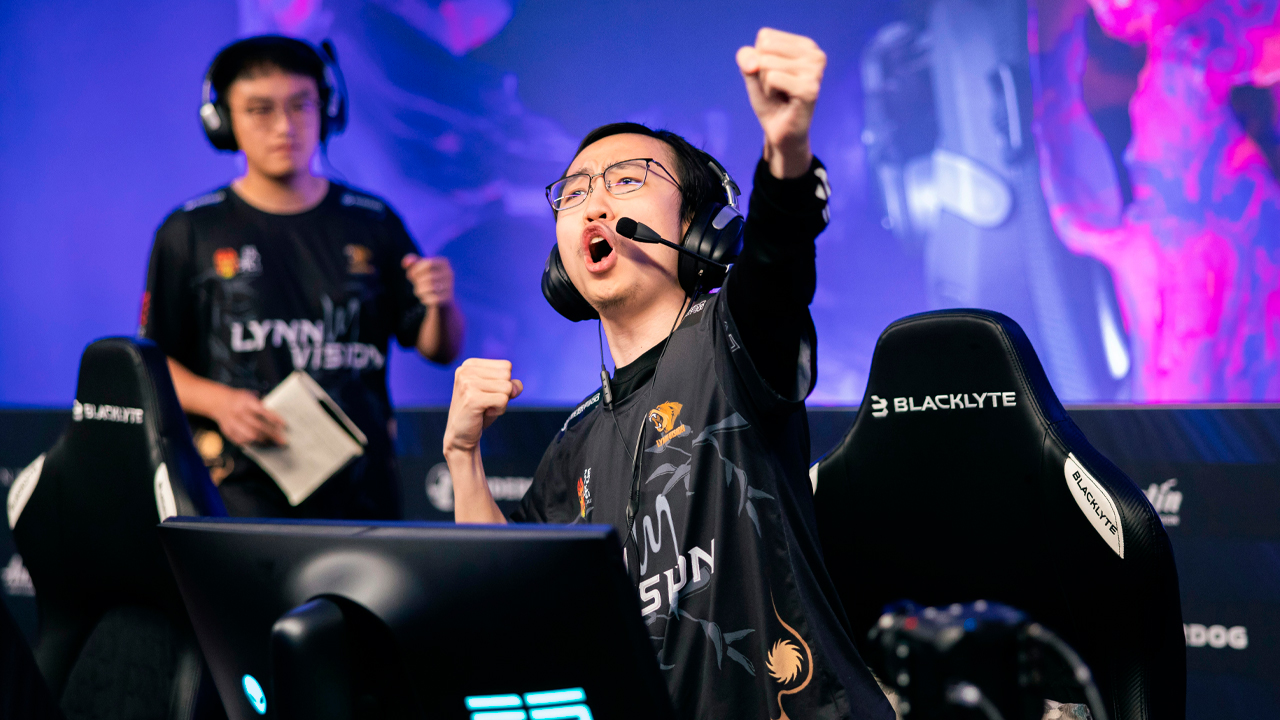
In the past, I would argue that this quality of CS had its home at the RMR, and interesting during that stage of the tournament, it just made a lot more sense. Specifically, one of the teams I thought didn’t just underperform, but played somewhat tragic CS was Lynn Vision. Maybe they stand out in my mind because their performance at this major was such a contrast to how they were last major in Austin, where they really surprised the world. This time, they looked like a team that lacked coordination and genuinely seemed way out of their depth. I think this was true for a surprising number of teams in stage 1, and I remember leaving the first part feeling like this format for doing the major just doesn’t cut it.
Some really good stories came out of it, however. For one thing, the near-total crash-out that Faze experienced obviously ended up standing in sharp contrast to where they ended up in the grand final ahead of teams like Spirit and Falcons. But beyond that I thought B8 showed really strong planning and determination and the same could be said for Parivision. I also think Starladder did a really great job in terms of setting the stage and finding a crowd for even the very start of the major. I know there were some technical difficulties along the way, but that aside, I think the atmosphere was rock solid given how much was on the line.
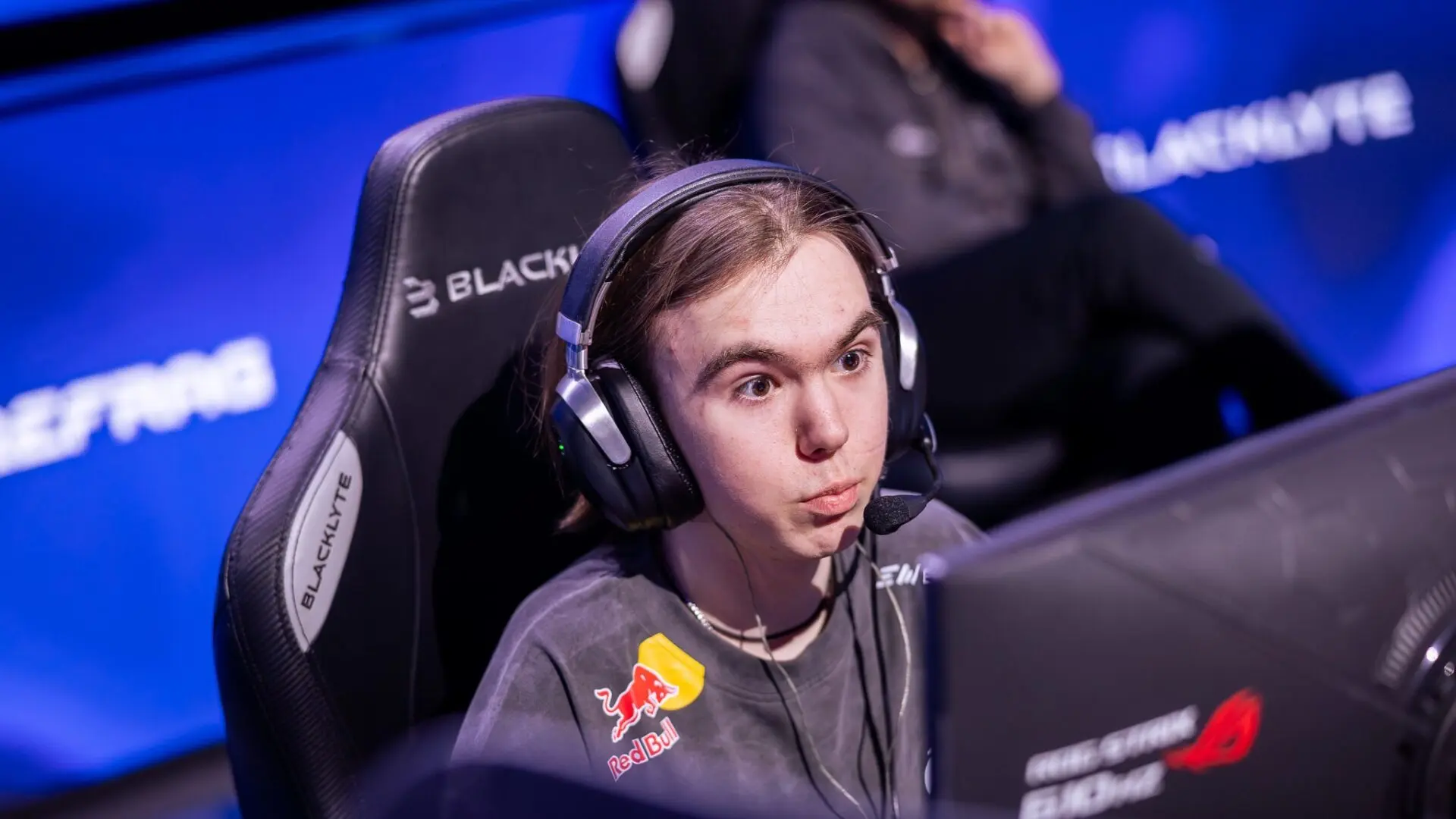
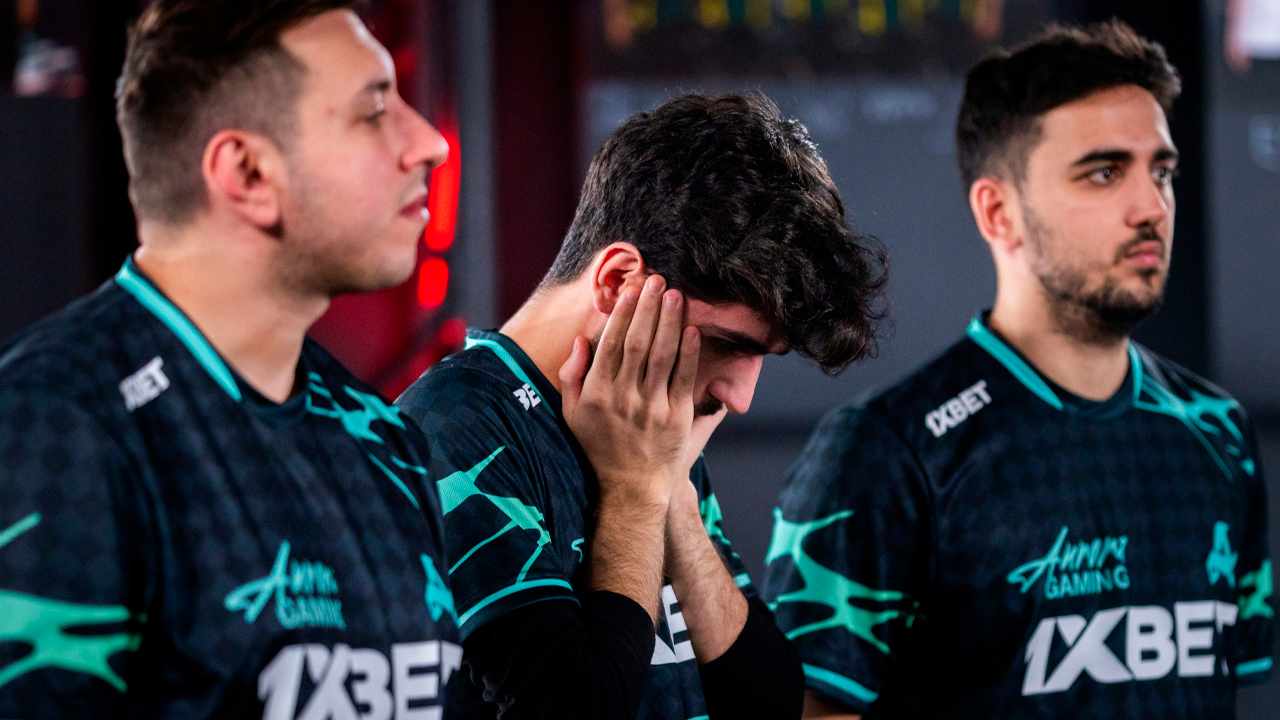
For stage 2, easily the biggest letdown was Aurora leaving the major way sooner than they should have. Aurora are a team that have played in almost every tournament imaginable, which to my mind should have meant that they were coming into the major battle hardened.That howeve,r did not appear to be the case, and it’s hard to imagine that roster won’t be seeing some changes in the upcoming roster mania season. Some part of me also wants to put FlyQuest into the category of disappointments, but only because they played so well in Stage 1, and I guess that would be unfair. Speaking of unfairness, I would surely be charged with that if I didn’t mention the run that PassionUA had. In truth, I had nearly zero expectation of the ex-complexity core, but the fact that they made it into stage 3 is wild. This wasn’t something they accomplished by having some hot superstar; they were underdogs who had nothing to lose, a recipe that always feels dangerous at the majors.
From here on, though, I feel like with the possible exception of G2, every team we would have wanted made it out of stage 3 into the top 8 playoffs. This, in some sense, feels like a vindication of the actual process of the tournament. There is much discussion during every major about the wisdom of having two Bo-1s decide so much of a team’s fate at every new stage. I personally feel that if we are going to have this case going forward, it would somehow be better if those two Bo-1s were not on the same day. To me, it feels like having teams reduced to a single game after one day has the advantage of being pretty dramatic, but it also increases the chances that a single day of bad vibes can significantly disadvantage a team going forward. I think in totality, I would have preferred to have fewer teams and a more rigorous system involving all Bo-3s.
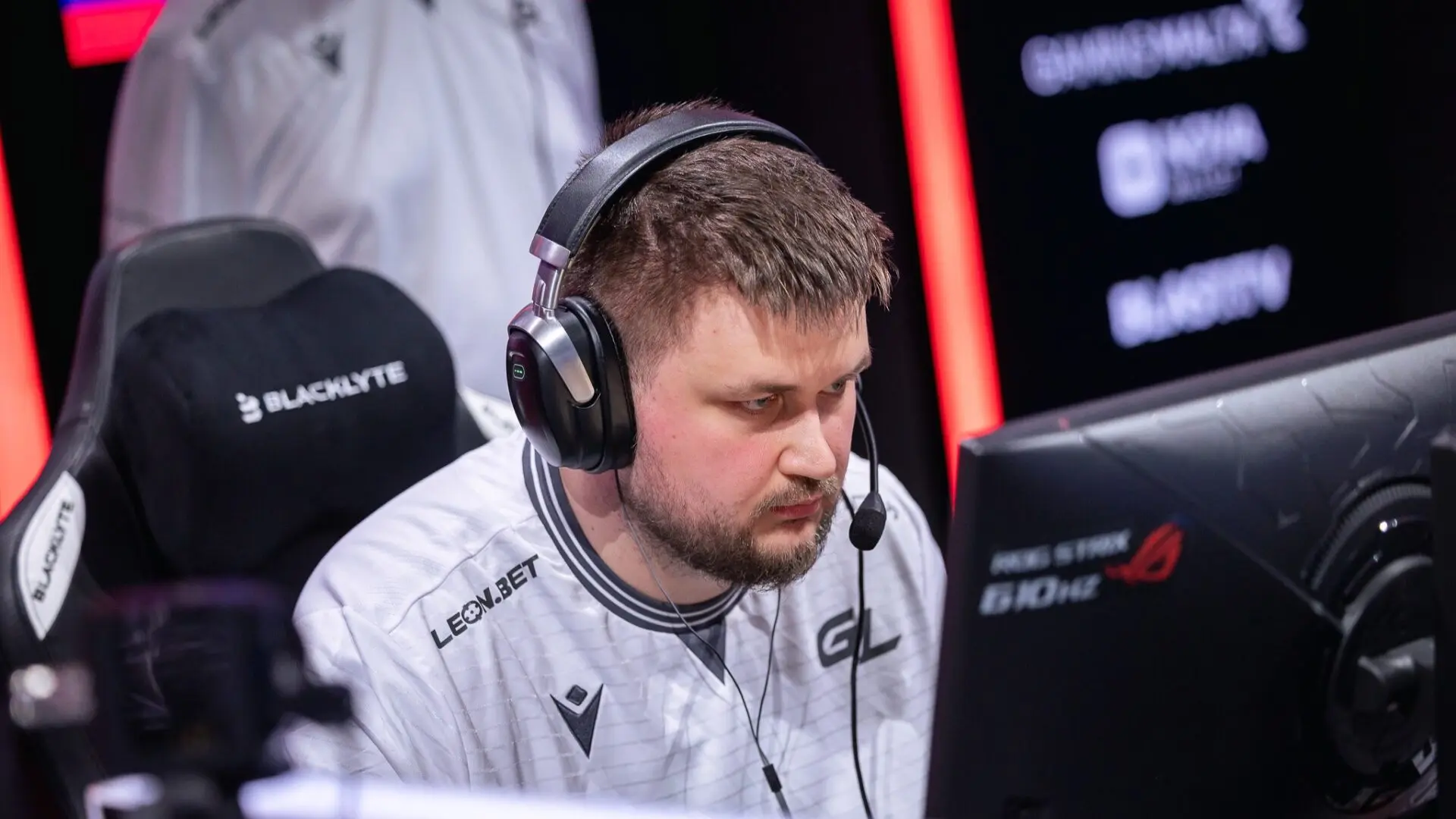
I think there are many smaller points to bring up that Starladder could have done better from a production point of view, but honestly, in the grand scheme, I’m actually really happy with what they brought this time, and personally, I think it’s good to have them back in the space.
When it comes to playoffs, what did we actually learn about the teams that made it work, and the teams that didn’t? If I had to sum it up in a single sentence, it would be something like: Great leaders make great teams. Perhaps a bit simplistic when you say it out loud, but I think we have some evidence for this claim. If you look at the two teams that made the grand final, Faze and Vitality, the leadership question becomes an interesting one. Are Apex and Karrigan great leaders because they also shoot the hardest? Perhaps quite the opposite…
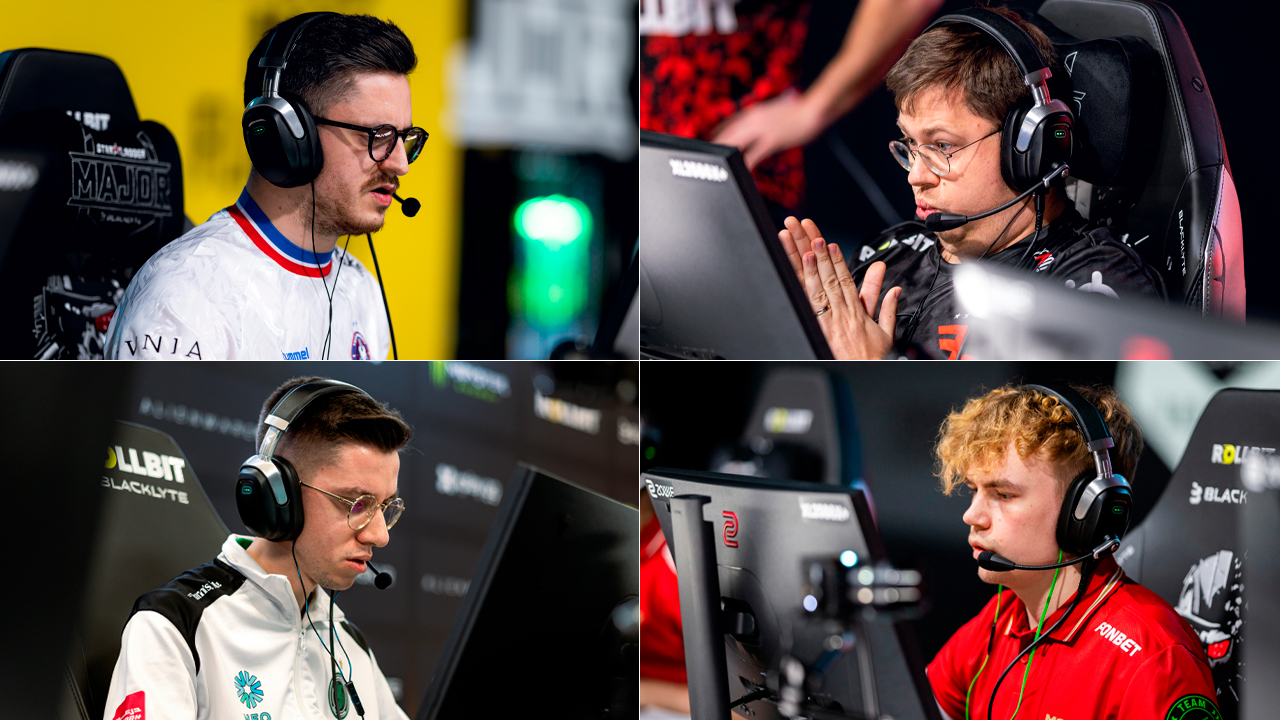
Both players are frequently criticized heavily by the community for being potential anchors weighing the teams down in maps where they don’t get enough frags. But the kind of leadership you get from people like Apex and Karrigan is obviously worth more than having a 5th player who is great at fragging. Some part of it no doubt has to do with a tactical approach, but it seems to me that more than that, it has to do with the faith their team has in their captain. Are Kyxsan and Brollan better fraggers than Apex and Karrigan?
The stats say yes, but both Mouz and Falcons are becoming notorious for disappearing in big games just when it matters the most. This isn’t to blame either of these two as leaders necessarily, but rather to say that if you look at this major, it feels like perhaps one of the rarest resources we have in CS is leadership that can rally a team under any amount of pressure.
In some sense, this is all great news for Counter-Strike. We have a returning tournament organizer who will hopefully stay and keep the level of competition higher between different TOs. We’ve proven that while aim superstars are important, maybe even vital, they’re not alone enough to win a major. How sad a place CS would be if you could aim your way to the top every time. But thankfully, that once again doesn’t appear to be the case.
In closing, I think this major had one of the most insanely stacked top 8 bracket we’ve seen, it was truly an unpredictable playoffs, and that is ultimately a great sign that the system is probably doing something right.
Let’s hope the VRS system continues to deliver majors of this caliber, and let’s hope that the rest of the ecosystem slowly adapts to VRS over the next few years.