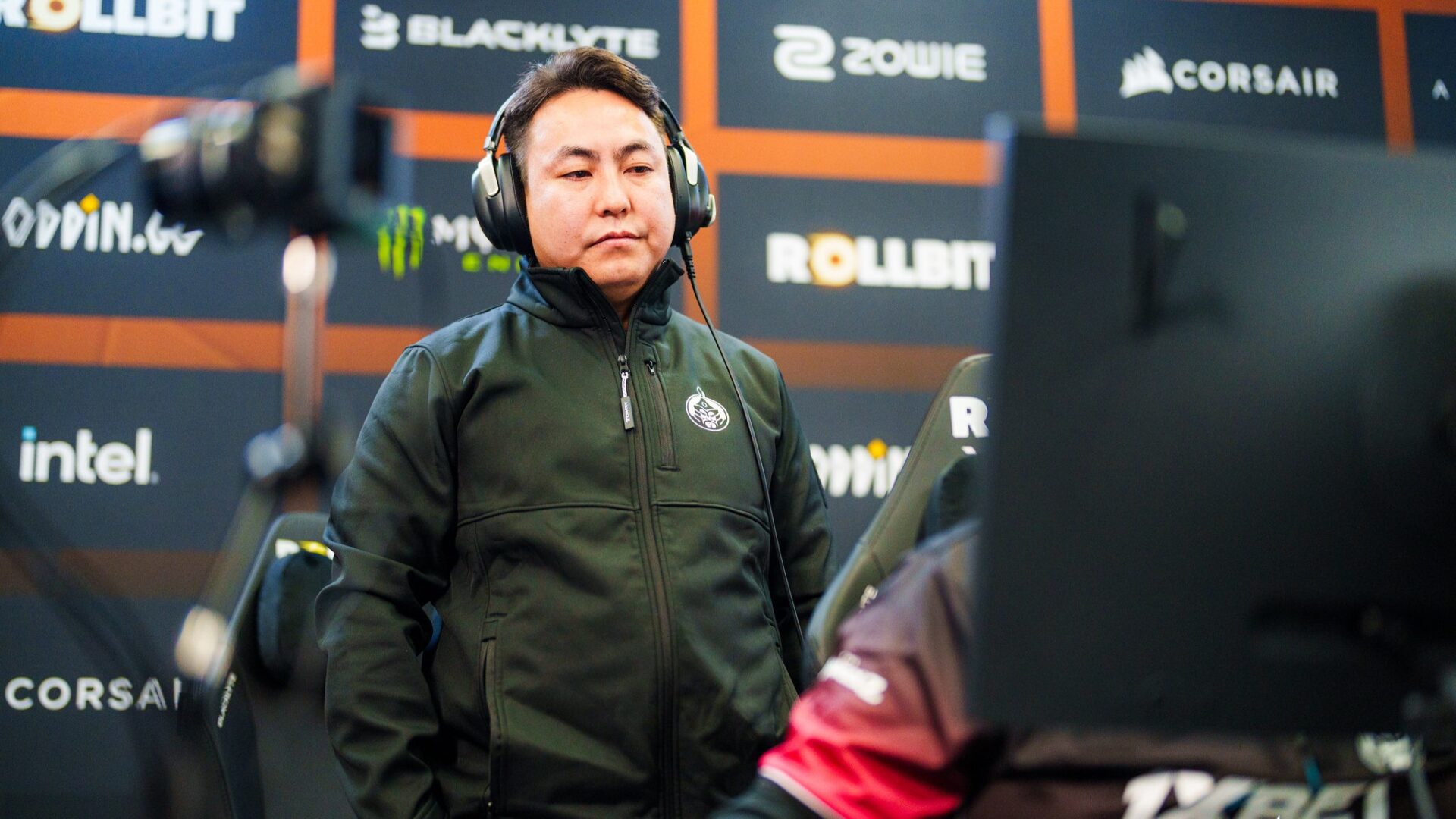

PGL Cluj-Napoca 2026 continues its Swiss Bo3 opening stage with a matchup that carries significantly more weight than it may initially appear — The MongolZ versus paiN. In this format, every series directly shapes the tournament trajectory: a victory opens comfortable advancement scenarios, while a loss immediately pushes a team into a high-risk path.
This meeting features teams with contrasting stylistic identities. The MongolZ traditionally rely on tempo, mechanics, and aggressive mid-round play, whereas paiN lean toward a more structured, controlled approach built on discipline and economic stability. This clash of philosophies introduces substantial variability into the series.
PGL CLUJ-NAPOCA 2026 — FORMAT SPECIFICS
Swiss Bo3 is an environment where adaptability becomes critical. Teams have little room for a slow entry into the tournament — any instability in decision-making or economic management rapidly transforms into strategic disadvantages over the course of the event.
Map pool depth and veto quality are particularly decisive. In series of this nature, correct map selection frequently determines the structural framework of the match even before play begins.
HEAD-TO-HEAD — DYNAMICS VS STABILITY
Previous encounters between the teams indicate an advantage for The MongolZ. Their high-tempo style and ability to disrupt standard patterns have consistently created difficult tactical scenarios for paiN. At the same time, most maps remained competitive — paiN often sustain pressure through disciplined structure and controlled economy.
This is a classic tempo-versus-structure matchup, where initiative frequently shifts depending on early-half momentum.
CURRENT FORM
The MongolZ — Aggression, Tempo, Impact in Chaos
The team remains consistently dangerous in fast-paced and unconventional scenarios. Their style demands high individual responsibility and persistent mid-round pressure. When The MongolZ successfully impose tempo, they are capable of systematically breaking the opponent’s economy.
Their defining strength lies in converting micro-advantages into round wins without prolonged positional play.
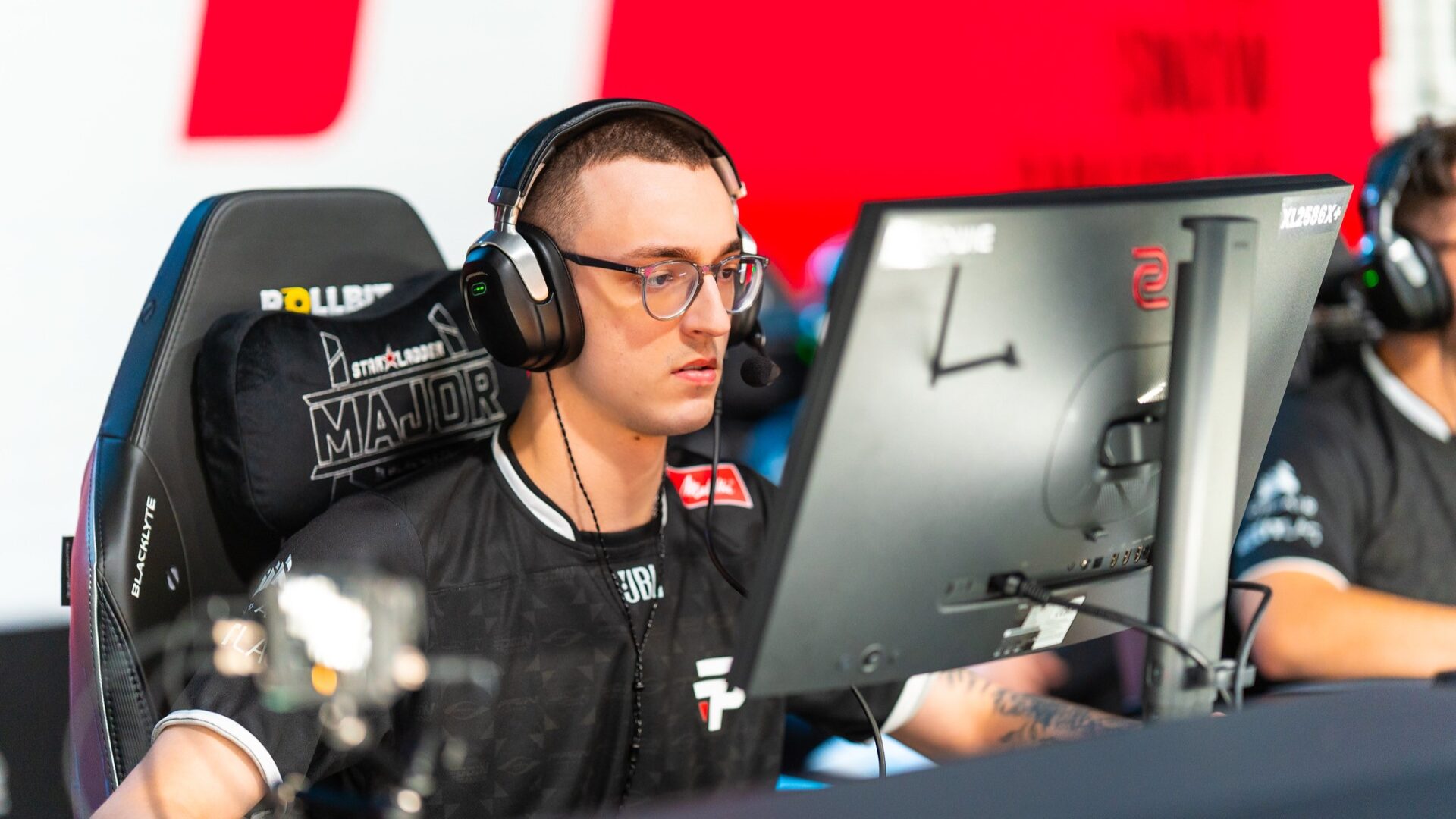
paiN — Structure, Control, Dependence on Stability
paiN display a more cautious and systematic game model. The team performs best on slower maps characterized by frequent positional duels but may struggle under sustained tempo pressure.
Their success in this series will largely depend on economic control and the ability to avoid chaotic exchanges.
MAP POOL & VETO
Statistics from the past three months (The MongolZ | paiN):
- Dust2: 25% | 20%
- Mirage: 67% | 50%
- Inferno: — | —
- Nuke: — | 60%
- Overpass: — | 0%
- Ancient: — | —
- Anubis: — | —
Expected Veto
- The MongolZ are highly likely to remove Nuke — a map where paiN demonstrate clearer structural advantages and greater consistency. This represents a logical ban aimed at minimizing tactical imbalance.
- paiN will almost certainly eliminate Mirage — The MongolZ’s most comfortable battleground, where their tempo and aggressive decision-making are particularly effective.
Probable Picks
- The MongolZ: Dust2 — a map well-suited for dynamic play and individual impact.
- paiN: Ancient or Nuke (if available) — favoring controlled tempo and structured rounds.
Decider
The most realistic scenario points toward a competitive decider, where economic management and mid-round decision quality become decisive factors.
KEY DUELS
- 910 vs nqz — an AWP duel directly influencing tempo control
- Techno vs biguzera — contest for initiative in critical map zones
- blitz vs vsm — aggression confronting positional discipline
In matchups of this profile, individual duels frequently determine stability in pivotal rounds.

PREDICTION
paiN possess sufficient tools to make the series competitive, particularly on comfortable maps. However, The MongolZ’s stylistic dynamism and capacity to apply sustained tempo pressure appear as the more universal advantage within the Bo3 format.
Projected result: The MongolZ 2–1 paiN