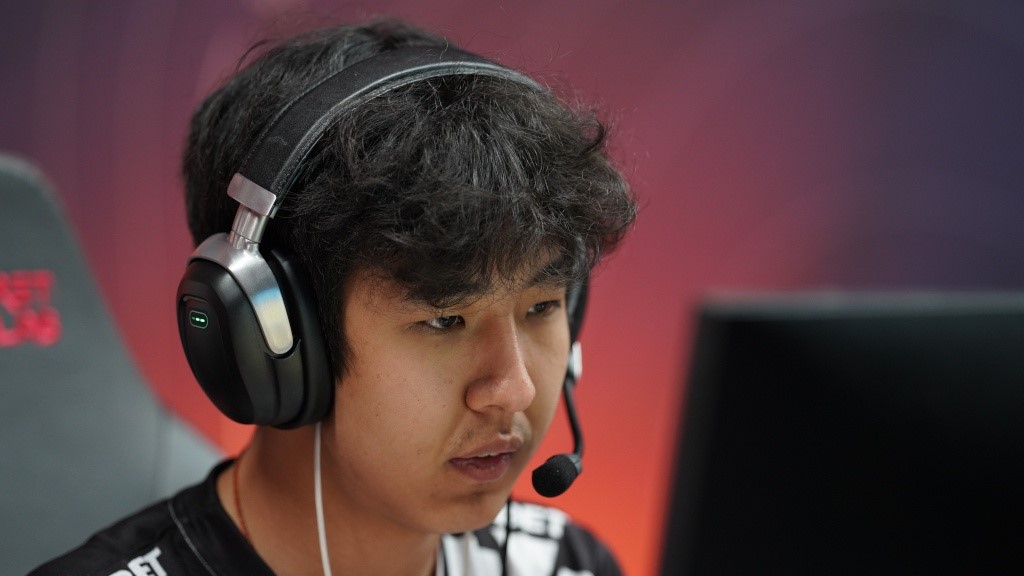

Public friction between two organizations has unexpectedly spilled into the spotlight of the CS2 scene. Statements from Passion UA’s management regarding NAVI’s alleged involvement in the Senzu negotiations triggered a sharp response from NAVI representative aMi, quickly turning an ordinary transfer discussion into a high-profile media dispute.
Passion UA Statement
The informational trigger was a quote from Passion UA’s management that appeared in the media space via HLTV. In it, the organization’s CEO described the context of potential financial expectations surrounding a transfer situation:
There were rumors about what NAVI were willing to spend, and we agreed with MongolZ on a slightly higher sum.
The wording immediately sparked discussion, as it directly touches on the budgets of top clubs and potential negotiations. Even mentioning “rumors” in such a context almost inevitably provokes a reaction from the community.
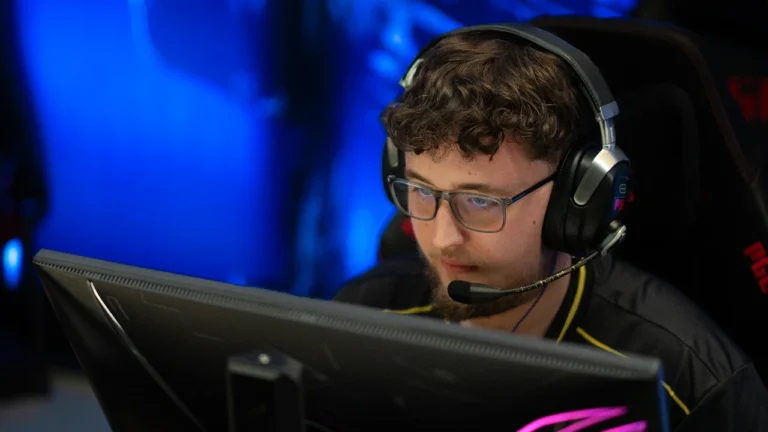
NAVI Response
The reply from NAVI’s management was swift. The organization’s head of esports operations, aMi, publicly questioned the accuracy of the statement:
That’s a lie, we didn’t offer anything. Delusional CEO. Let’s reject NAVI and join PassionUA
The key point here is not merely disagreement with the interpretation of events, but a direct rejection of the claim that any offer ever existed. NAVI effectively state that they were not involved in the process referenced by Passion UA.
Where the Contradiction Lies
Such informational conflicts are common within the Counter-Strike transfer ecosystem. The root cause often stems from differing interpretations of what constitutes “negotiations” or “interest.”
In professional practice, there are several distinct levels of interaction:
- informal contacts and inquiries;
- discussions of potential terms;
- a formal offer.
For one party, early-stage communication may appear as active interest, while the other may view it strictly as market monitoring. This discrepancy frequently becomes the source of public disagreements.
Why the Situation Became Public
A few years ago, disputes of this nature would likely have remained internal matters between managers. Today, social platforms have effectively become part of the industry’s infrastructure.
Any ambiguous statement can rapidly escalate into a public incident due to three factors:
- the high sensitivity of the transfer market;
- the instant spread of quotes and reactions;
- the personalization of communication through managers’ accounts.
As a result, even routine professional situations can evolve into media controversies.
A Revealing Case for the CS2 Scene
This episode illustrates the modern dynamics of the information environment in CS2. Public comments from management increasingly serve as news sources rather than mere reactions.
Incidents like this highlight a significant shift: the struggle for narrative now occurs not only between teams, but also between organizations at the managerial level. Reputation management has become nearly as critical as competitive performance.
Conflicts
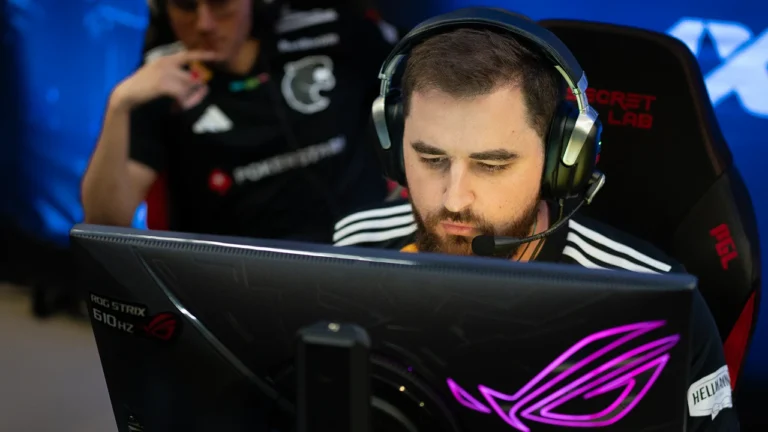
The disagreement between NAVI and Passion UA representatives is unlikely to have any formal continuation, yet it has already entered the scene’s information space. Such conflicts are becoming characteristic of modern Counter-Strike, where social media exchanges can exert influence comparable to official press releases.
For the audience, this serves as another reminder of how opaque and multi-layered transfer processes remain, even at the highest levels of CS2 competition.