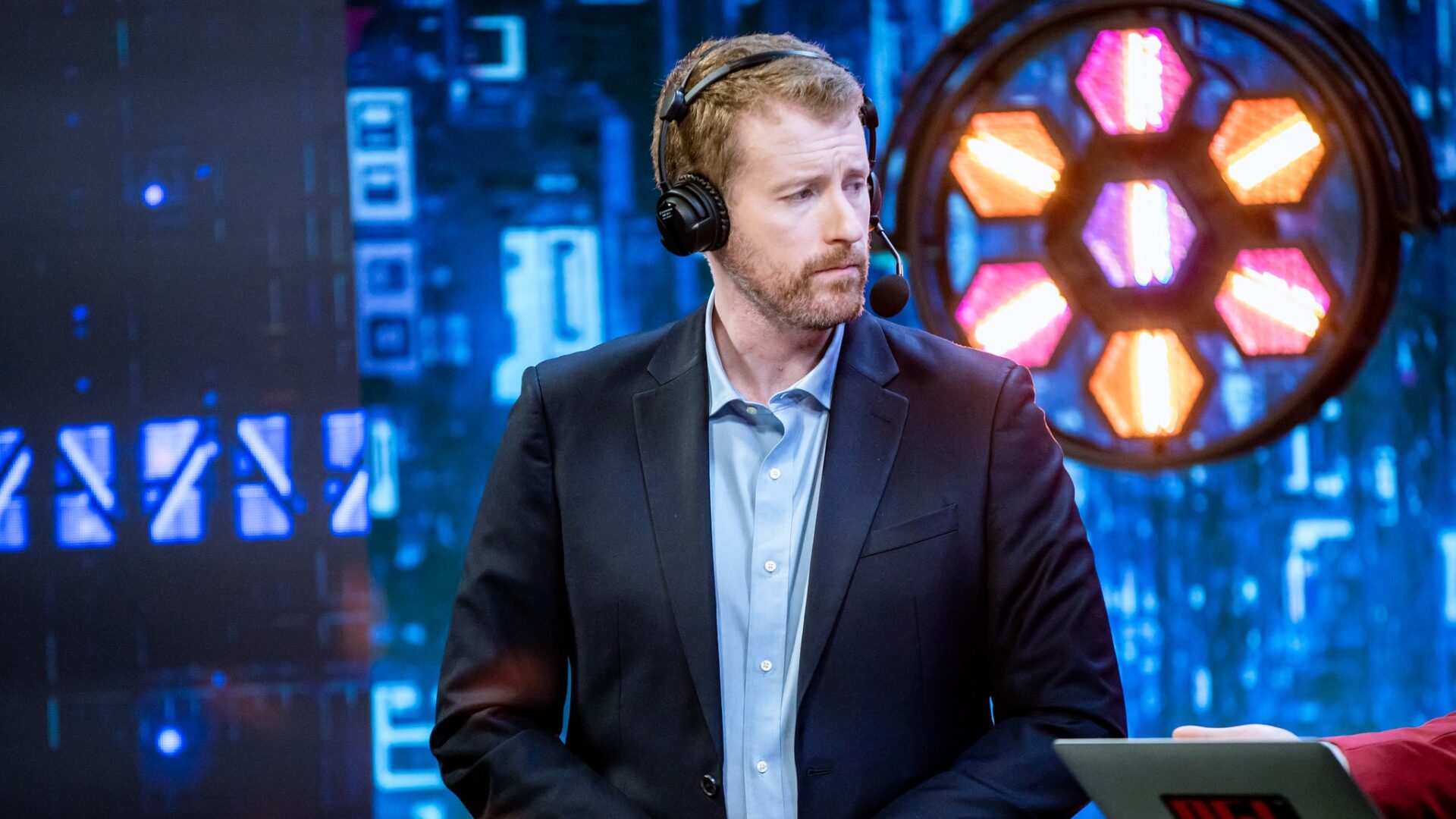
Thorin commented on EWC tournaments in CS2 and stated that the main problem with their prestige may not be the lack of official recognition from Valve. In his opinion, the tournament format itself is a much more important factor.
The analyst directly advised the organizers to make the tournament with a lower bracket. In his view, such a format could make the competition more entertaining, fairer for top teams, and more attractive for viewers.
Thorin criticized the EWC format
Thorin’s main point comes down to the idea that EWC does not necessarily lack status because of external factors. The problem may be much simpler: if the format does not provide enough big matches, comebacks, and dramatic storylines, the tournament is automatically perceived as weaker.
His position sounds quite direct: the organizers should not simply wait for greater recognition, but change the structure of the event itself. That is why the phrase “make the tournament with a lower bracket” looks not like a random complaint, but like a specific proposal.
Why a lower bracket could help
A lower bracket always adds more storylines to a tournament. A team can lose one match but not be eliminated immediately, instead going through a long path of elimination games. For viewers, this often works better because it creates stories of recovery, rematches, and pressure in every following series.
In CS2, this is especially important because even a top team can start a tournament poorly because of a bad day, an unsuccessful veto, or strong form from the opponent. In a format with no room for error, such a result quickly shuts down a potentially strong storyline. In a format with a lower bracket, on the contrary, that storyline may only just begin.
Prestige depends not only on money
EWC has major resources, but in esports that is not enough. The prestige of a tournament is shaped not only by prize money, branding, or the list of participants. It is important that the path to the title itself looks convincing.
If the champion goes through a strong bracket, plays several big matches, and withstands pressure in different situations, the victory is perceived as much more meaningful. But if the tournament ends too quickly for some of the favorites, viewers are left with the feeling that the format did not fully reveal the competition.

Valve is not the main reason here
Thorin separately emphasized the idea that the problem is not necessarily how Valve treats EWC. Even without maximum integration into the official system, a tournament can have high status if it provides a strong competitive structure.
In this sense, his criticism is aimed specifically at the organizational decision. A tournament can have strong teams, major attention, and a large prize pool, but if the format does not create enough tension and big matches, its prestige will still be lower than it could be.
Format decides a lot
For the modern CS2 scene, the tournament format has already become one of the key factors. Viewers want not only to see top teams, but also to get a complete story: a start, a crisis, a comeback, a rematch, and a final resolution.
That is exactly what a lower bracket provides. It makes the tournament longer and more difficult, but at the same time creates more big series. And for an event that wants to look like one of the main tournaments of the season, this can be critically important.

EWC needs more than just a loud name
Thorin’s advice looks simple, but logical: if EWC wants more prestige, it needs to start with the format. A lower bracket could make the tournament more intense, give top teams more room to fight, and create a stronger narrative around the winner.
In other words, the main conclusion here is not that EWC lacks attention or resources. On the contrary, there are enough resources. The question is whether the organizers are ready to make the format feel not just large in scale, but truly important for the scene.