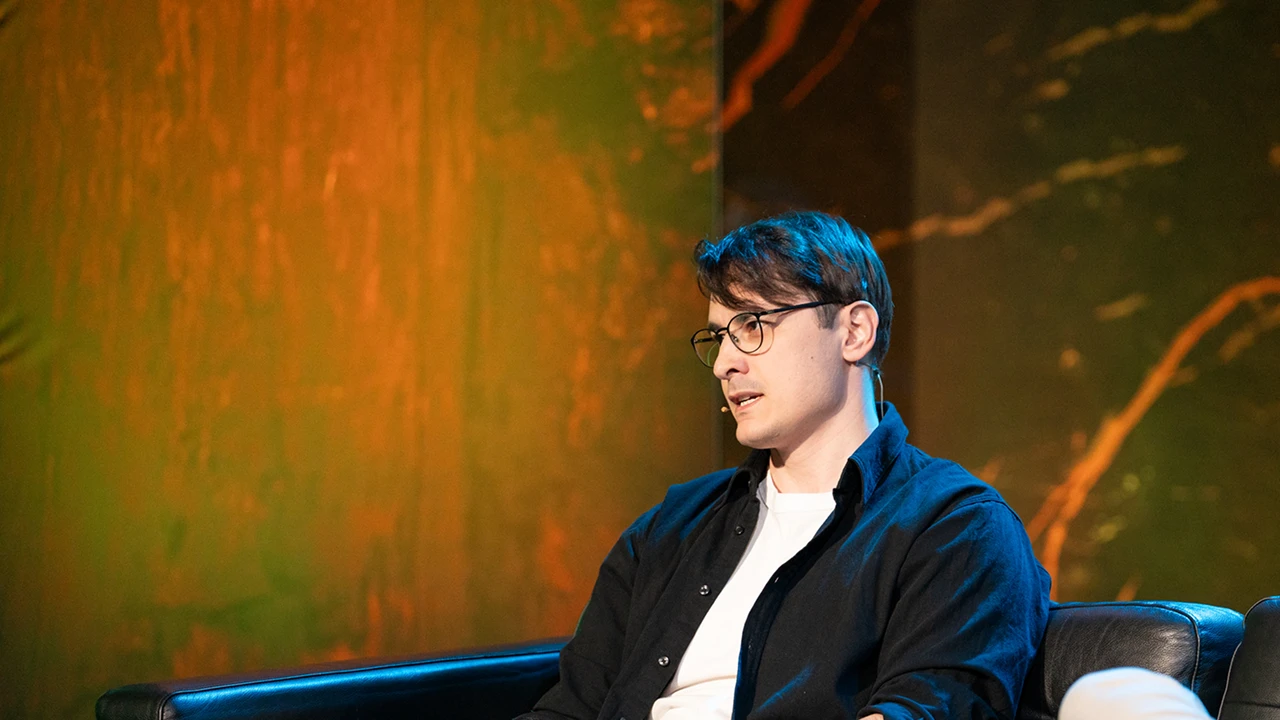

Valve’s new Major revenue-sharing model could significantly change how teams and players earn money from Counter-Strike’s biggest events. During HLTV Confirmed, Milan “Striker” Švejda revealed that all Major-related revenue will now be combined into a single pool and distributed equally between organizations and players, explaining that “the 5 players and the team will now get the exact same amount.” The change could lead to widespread contract renegotiations as teams adjust to the new financial structu
Existing Contracts Could Become a Problem
The biggest concern is not the new split itself. The real issue is that many contracts were signed under the previous system. In many organizations, players already receive a percentage of team sticker revenue. These agreements were negotiated when team and player income streams were separated. Now players will receive a larger direct share from Valve. At the same time, many contracts still guarantee them additional revenue from the organization’s side.
It’s caused some ripples between the teams and players because these deals and contracts still exist for players to get a part of the team revenue as well.
As a result, some teams could end up paying players far more than expected. This may force organizations and agents to reopen negotiations before future Majors. Striker suggested that many teams will likely revise their contract structures. Players, meanwhile, may push to keep their current benefits.
Direct Sticker Purchases Raise Questions
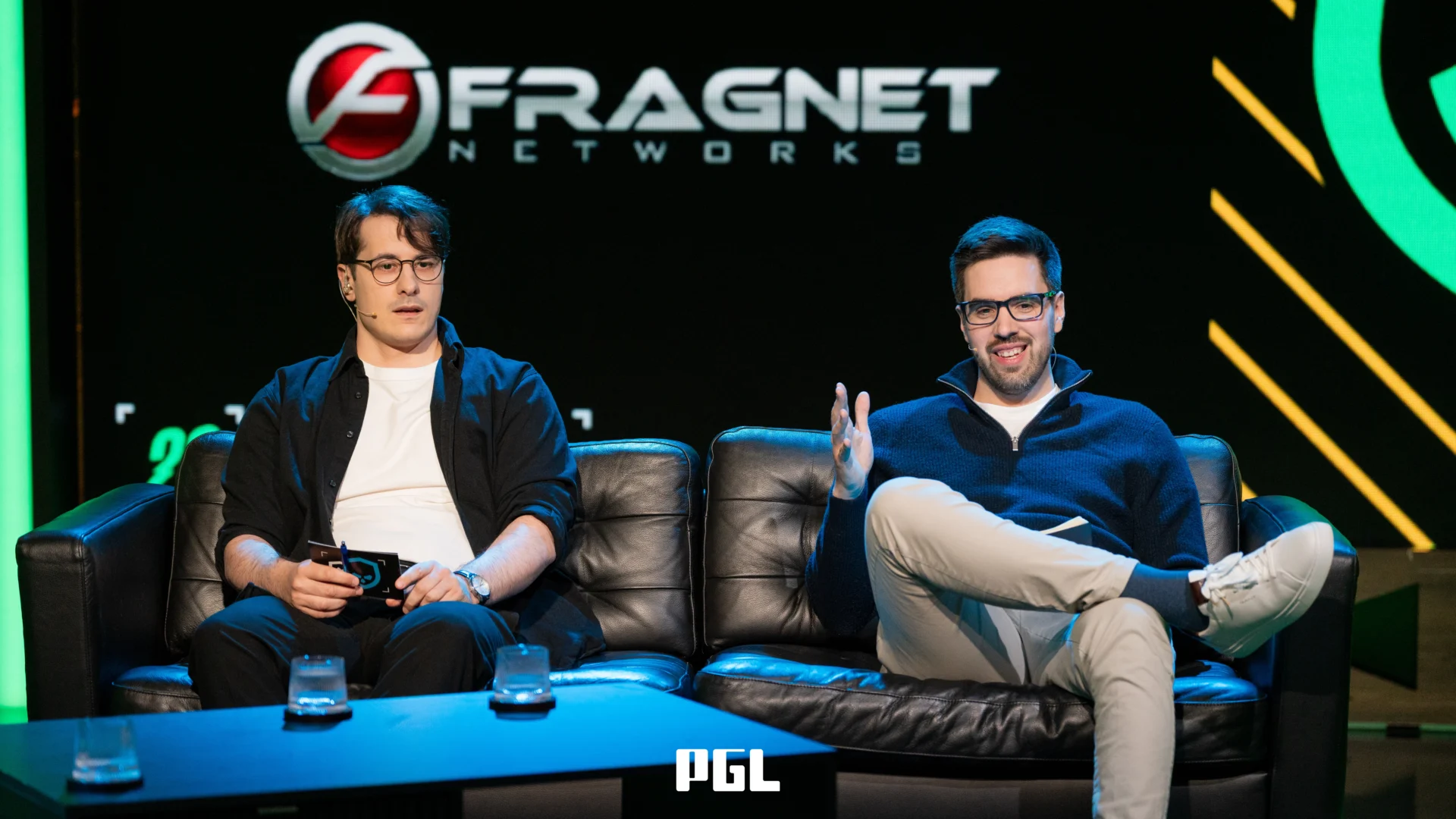
The HLTV panel also discussed Valve’s new sticker system. For the first time, fans can buy individual player stickers directly. They no longer need to open capsules and rely on random drops. Many players welcomed the added transparency. However, some analysts worry that removing the gambling element could reduce overall sales.
So far we’re hearing that it is a negative trend for the moment.
Striker stressed that it is still too early to draw final conclusions. The system has only been available for a short time. In previous Majors, randomness played a major role in sticker sales. Many fans spent extra money chasing specific players or rare items. The new model depends entirely on direct consumer demand.
Major Revenue Is Becoming Performance-Based
Another important change affects how revenue is distributed between teams. In the past, simply qualifying for a Major often guaranteed a significant financial reward. Sticker sales generated substantial income regardless of tournament results. Valve’s new structure places greater emphasis on competitive success. Qualification still matters, but final placement now plays a larger role.
Stickers are now part prize money rather than a participation fee.
The change creates stronger incentives for teams to perform well. Better results should translate into larger revenue shares. Several HLTV analysts viewed this as a positive development. They believe the system rewards competitive achievement rather than simple participation.

More Negotiations Are Expected
The full financial impact of the new system remains unknown. However, the HLTV panel expects extensive discussions between organizations, players, and agents in the coming months. Existing contracts, uncertain sticker sales, and the new revenue model could create difficult situations behind the scenes.
There’s going to be some interesting conversations throughout the Major behind the scenes.
Valve has introduced several major economic changes at once. Direct sticker purchases, the new souvenir system, and the updated revenue structure are all arriving together. For now, teams are preparing for the Major while trying to understand the long-term consequences. How the new model affects players, organizations, and future contracts remains one of the biggest questions in Counter-Strike today.