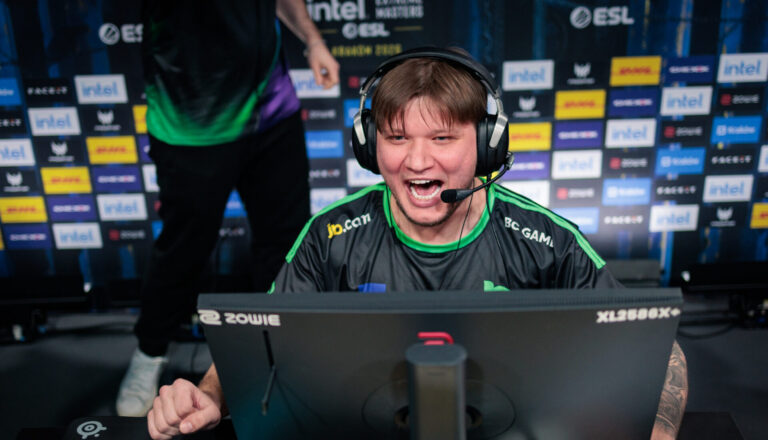

BC.Game may still play at PGL Major Singapore 2026, and the answer could come from Valve itself. HLTV editor Striker shared what the developers told affected teams. The team will likely avoid punishment for its region switch, yet its path to the event is still very hard.
Why does this matter? The case shows how much the new roster and region rules affect real teams. In addition, it raises a big question about how Valve will treat organizations that did not expect the change to hurt them.
Valve’s Message to Affected Teams
After the rule change, Valve said that organizations hurt by it should contact the developers. Many fans did not understand what this meant in practice. One post on X asked Striker to explain what “unless they reach out and find a solution” really means.
Striker answered with the details about BC.Game. He wrote:
They [Valve] said that since BCG already made the switch without knowing what the impact would be, they’d consider ignoring their one-time Asia entry to help them stay in the race from Europe.
Why BC.Game Needs Help
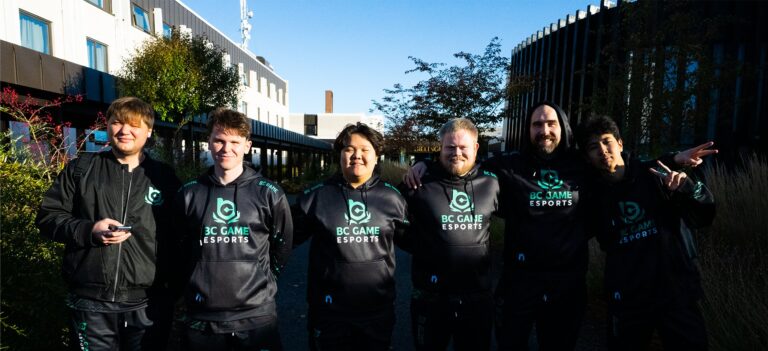
BC.Game moved from Europe to Asia and built a new Asian core. However, the team did not know how this move would affect its chances at the Major. Striker reported that the switch counts as region abuse. Even so, the team will not be punished, because it did not know about the consequences.
What Happens Next in Europe
Valve may ignore the one-time move to Asia, but BC.Game must now compete through the European region. The team sits around the top 40 in the European ranking. Invites, however, require a place in the top 18. Therefore, the team has a long way to climb.

Udknud Questions the Rules
Udknud disagreed with this plan. He asked: “Why can’t they instead be allowed to qualify from scratch with the asian core. That would be fair.”
He also said Valve could have fixed the problem in a different way. According to him, the developers could have changed the VRS code to get exactly the outcome they want in the global and regional rankings. Instead, he argued, the rules are now “VERY unclear.”
Udknud then asked several questions. Is a team now not allowed to start a completely new roster within three months of the Major? Is there a three-month window twice a year when teams cannot swap regions? He also asked what counts as a “roster” under the new rule. Finally, he said the rule needs an update or an addition to show exactly what is allowed.
How the Ranking Judges a Roster
Striker replied to these points. He said his understanding is that BC.Game could qualify with the Asian core if it added two different players. In that case, none of the matches played with that lineup would count in the European ranking.
He added that the way the ranking views a roster is what counts. If matches from the old core count toward the ranking of the new one, it is the same roster.
What This Means for the Road to Singapore
According to Striker’s posts on X, Valve may ignore BC.Game’s one-time entry into Asia and will not punish the team for the switch. As a result, the team stays in the race for PGL Major Singapore 2026. However, BC.Game still needs to rise from around the top 40 in Europe to the top 18 to earn an invite. Meanwhile, the questions from Udknud show that many fans want clearer roster and region rules. Until Valve explains them, BC.Game’s case will remain a key example of how the system works.