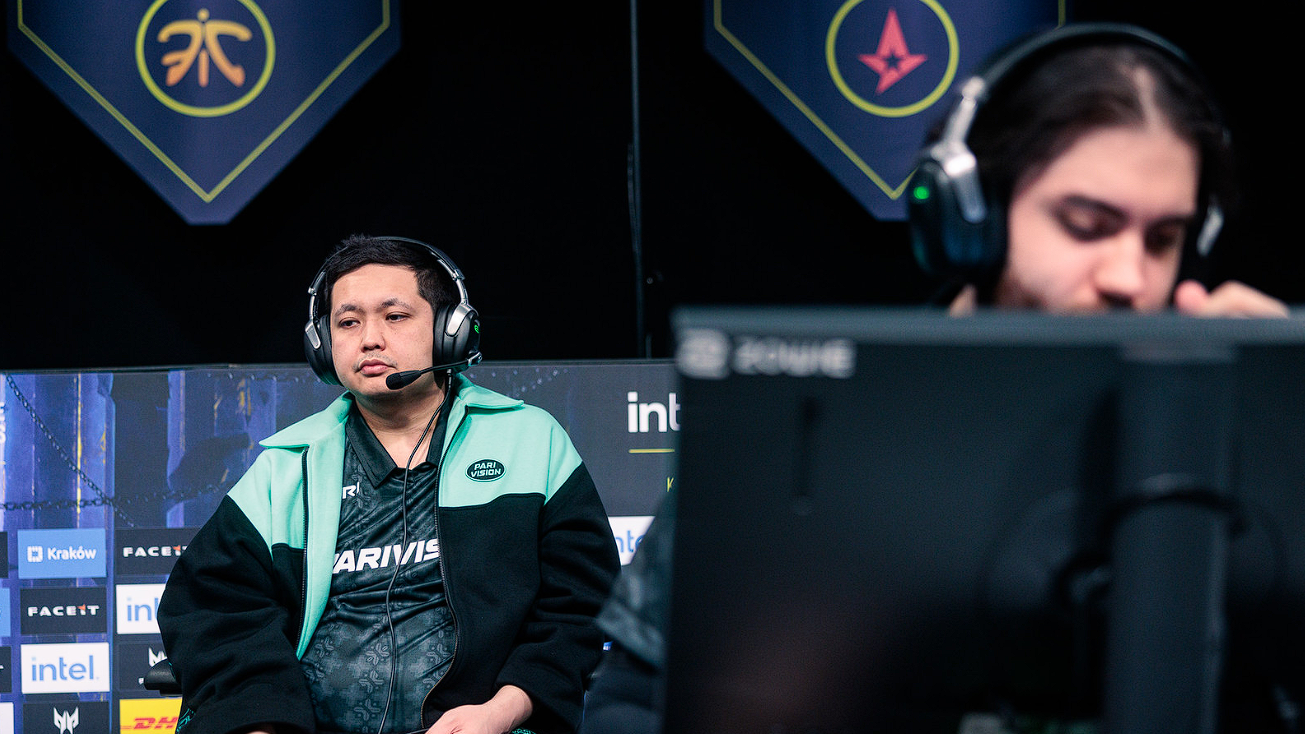
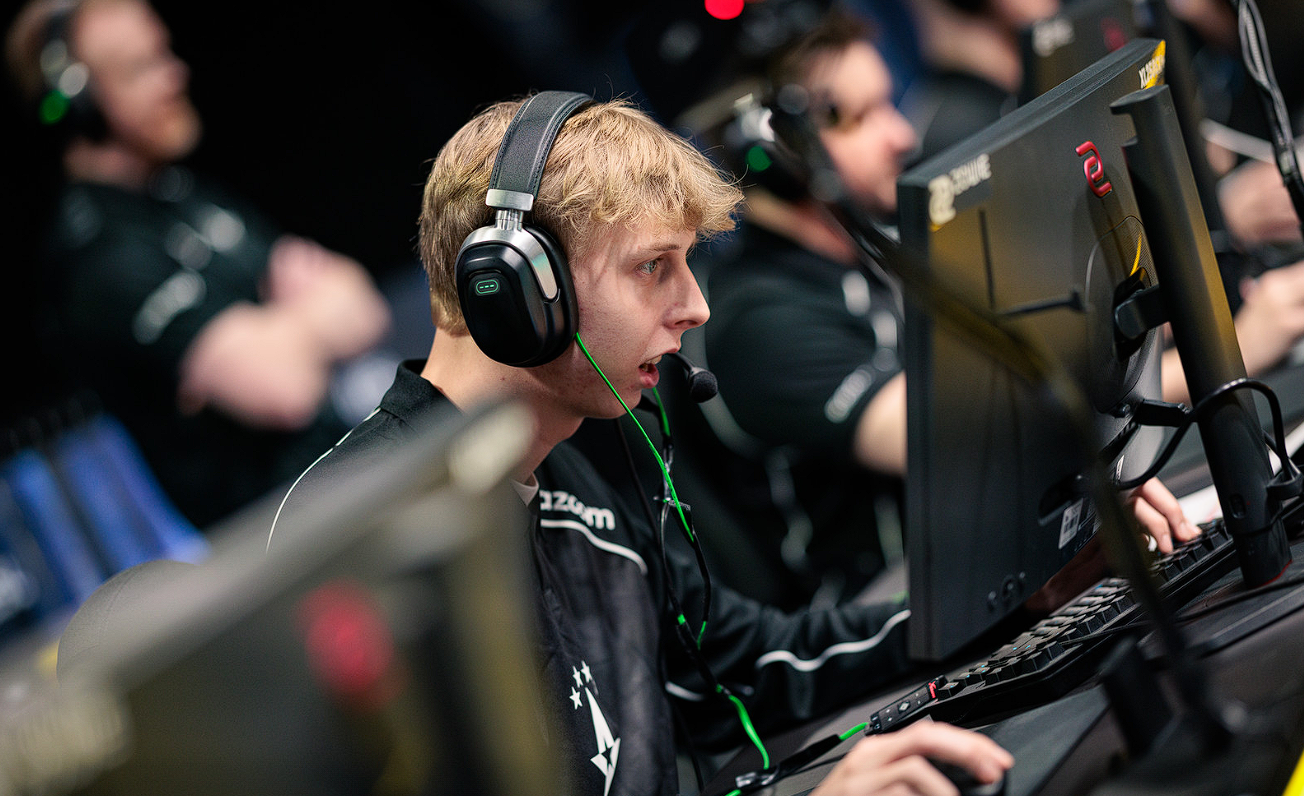
BLAST Bounty 2026 Season 1 begins with a clash between HOTU and Aurora — a match where the difference in class looks noticeable on paper, but the single-elimination format leaves no room for complacency. The winner continues their run in the tournament, while a loss means an immediate exit from the bracket with no chance to recover.
For HOTU, this is an opportunity to make a loud statement against a world top-10 team. For Aurora, it is a test of maturity and the ability to consistently defeat lower-ranked opponents without losing concentration.
BLAST BOUNTY 2026 SEASON 1 — TOURNAMENT START
BLAST Bounty 2026 Season 1 is held as an online tournament with a strict single-elimination system. Thirty-two teams take part, and all matches are played in a Bo3 format.
There is no room for error here: one unsuccessful series and the tournament is over for the team. That is why favorites are forced to play with maximum discipline, while underdogs get a chance to punish any lapse in concentration.
For HOTU and Aurora, this is not just the start of the tournament, but a test of readiness for pressure and playoff tempo from the very first match.
read more

HEAD-TO-HEAD — DIFFERENCE IN CLASS AND EXPERIENCE
There is virtually no history of head-to-head meetings between HOTU and Aurora, which makes this match a tactical “blank slate.” However, the difference in team status is obvious: Aurora are consistently holding a place in the world top 10, while HOTU are only trying to establish themselves in the top 30.
Aurora have an advantage in all key aspects:
- experience at major tournaments
- a stable map pool
- a deeper tactical arsenal
- higher individual player class
HOTU, on the other hand, can rely only on the element of surprise and an aggressive start to the series.
CURRENT FORM
HOTU — inconsistency and dependence on individual maps
HOTU show decent potential on certain maps, but their overall form remains fragmented. The team can win individual maps through aggression and individual decisions, but in a long series they lack stability, economic control, and clear adaptation during the game.
In a Bo3 format, this creates a serious risk of a quick collapse after losing just one map.
Aurora — structure, experience, and stable tempo
Aurora approach the match as clear favorites. The team demonstrates a high level of discipline, flexible use of their map pool, and strong play in clutch situations. Their system allows them to control the tempo of the series even if the start of a map is not ideal.
MAP POOL & VETO
Statistics over the last 3 months (HOTU | Aurora):
- Dust2: 75% | 75%
- Mirage: 80% | 40%
- Inferno: — | 25%
- Nuke: 100% | 75%
- Overpass: — | 50%
- Ancient: 75% | —
- Anubis: — | —
Expected veto:
- HOTU will most likely remove Inferno — a map where Aurora have significantly more experience at a high level.
- Aurora will almost certainly ban Ancient — the only map where HOTU show a confident win rate and can create real problems.
Probable picks:
- HOTU: Mirage — their most stable map, where they can impose aggressive mid control.
- Aurora: Nuke — one of their strongest maps, where discipline and defensive structure create constant pressure on the opponent.
Decider: Dust2 looks like the most logical option for the deciding map. Both teams have the same win rate there, but Aurora’s higher individual player class and better economy management can become the key factor in the late rounds.
KEY DUELS
- nor3br7 vs woxic — consistency versus AWP experience
- mizu vs XANTARES — a raw aim duel in open spaces
- kaLash vs MAJ3R — aggression versus tactical control
In a Bo3, even one won clutch can break the economy of the entire map.
read more

PREDICTION
HOTU have several strong maps and can create problems at the start of the series, but over the long run Aurora look much more stable: a better map pool, stronger team structure, and extensive experience playing against opponents of this level. In a Bo3 format, this almost always gives the favorite an advantage.
Predicted score: Aurora 2–0 HOTU