Fnatic’s failure in the IEM Rio qualification turned into a much bigger story than just another unsuccessful run. After the team finished dead last, the situation escalated following a harsh and very public statement from former coach and analyst Aleksandar Trifunović, better known as kassad.
“Who is making the decisions there?” — a statement that hit the nerve of the scene
In his post, kassad showed no diplomacy and went straight to the core of the issue:
Ukrainian Fnatic was also dead last in the IEM Rio qualifier. How they convinced people to sign, keep KRIMZ, and at the same time ruin a potentially good lineup with MATYS and blameF, I will never know. Who is making the calls there? I need a name.
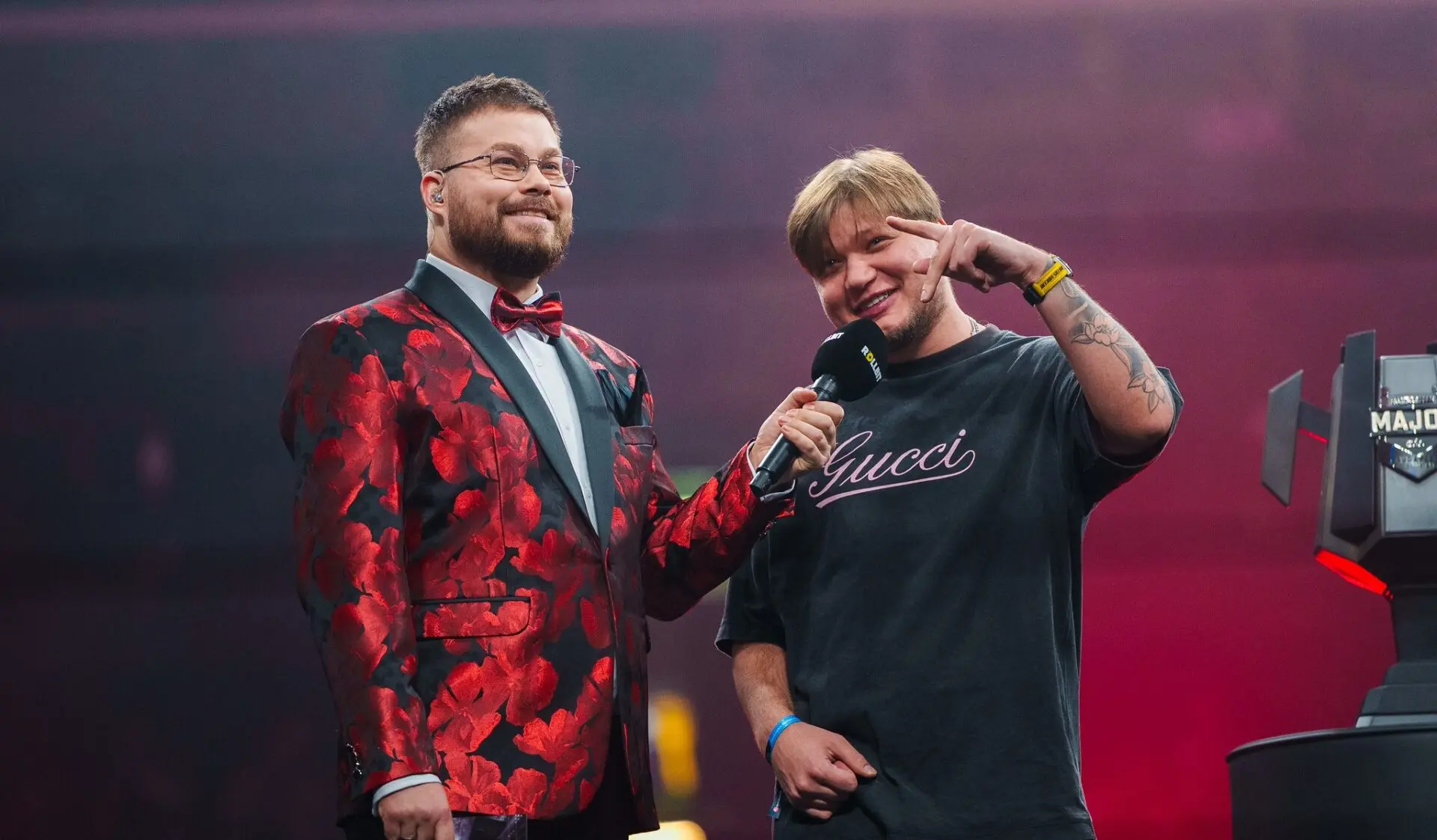
What stood out was not just the wording, but the tone. kassad was not speaking as a fan or a troll, but as someone who has spent years inside the professional scene and is openly demanding personal accountability.
The Rio failure as a symptom, not an accident
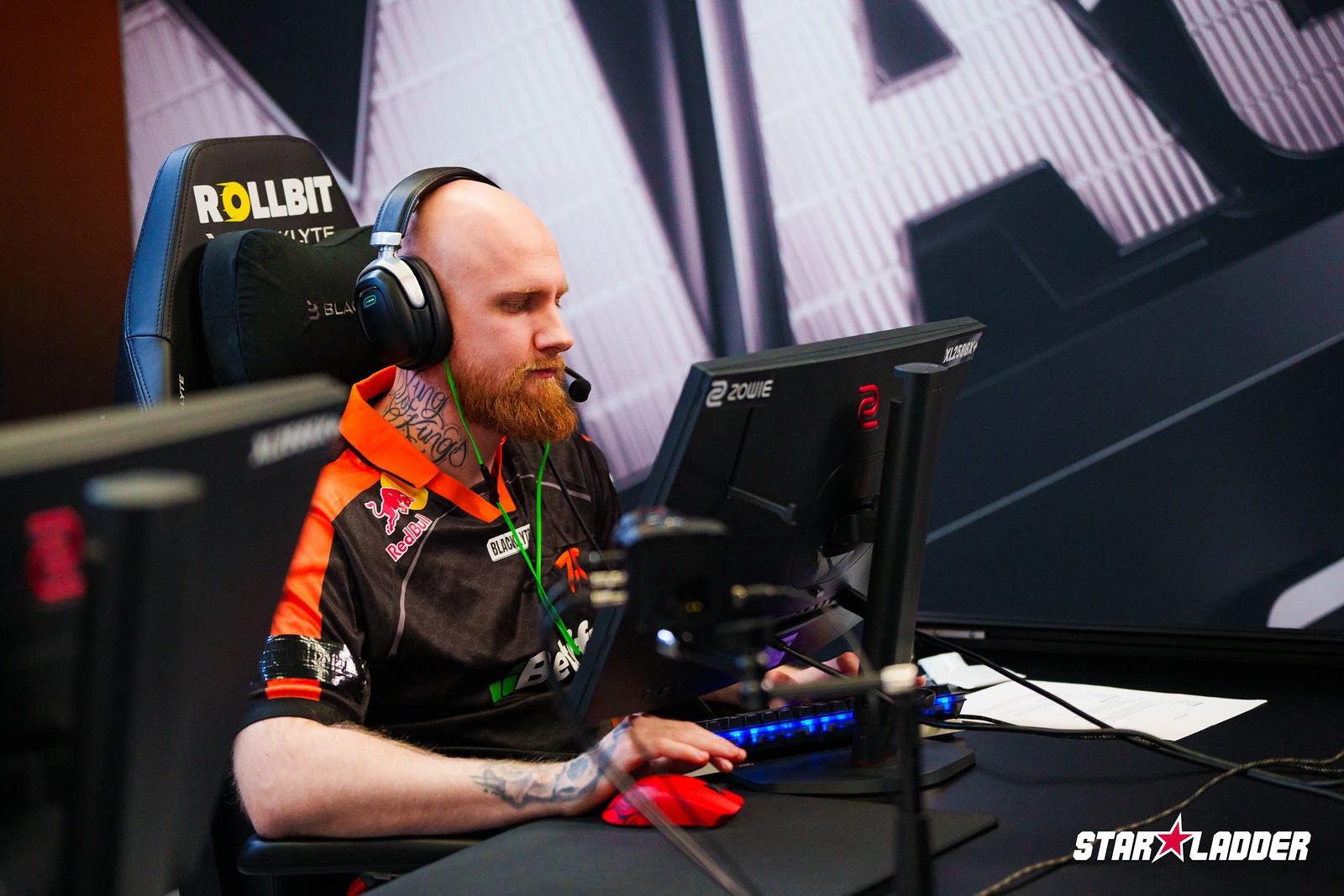
The result in the IEM Rio qualifier became just another checkpoint in a long list of Fnatic’s ongoing issues. The team:
- failed to show a stable in-game structure
- looked lost in key moments
- lacked a clear game plan against organized opponents
For part of the community, the last-place finish was symbolic. Fnatic were not just outside Tier 1 — they were at the very bottom of the qualifier, a place a brand of this stature was never expected to occupy.
Roster decisions under the microscope
A separate and equally important layer of criticism focused on roster construction and past transfer decisions. kassad directly referenced:
- keeping KRIMZ as a foundational piece of the project
- abandoning a potential lineup built around blameF and MATYS
This is where, according to many observers, Fnatic lost their chance for a true reset. A roster featuring blameF and MATYS was seen as potentially Tier-1 competitive — offering clearer structure, leadership, and a more modern approach to the game.
Instead, the organization once again opted for compromise solutions that delivered neither short-term results nor a long-term developmental direction.
Community reaction: from sarcasm to open frustration
Following kassad’s statement, the discussion quickly moved far beyond a single match:
- fans openly stated that Fnatic are “living off the past”
- comparisons were made to other legacy organizations that either rebuilt aggressively or disappeared from the top level
- a recurring sentiment was that management remains in the shadows while responsibility falls on the players
Some users sarcastically noted that Fnatic are starting to resemble a Tier-2 organization wearing a Tier-1 logo, while others bluntly said that watching the situation unfold is “simply painful.”
The bigger picture: a brand crisis, not just a roster issue
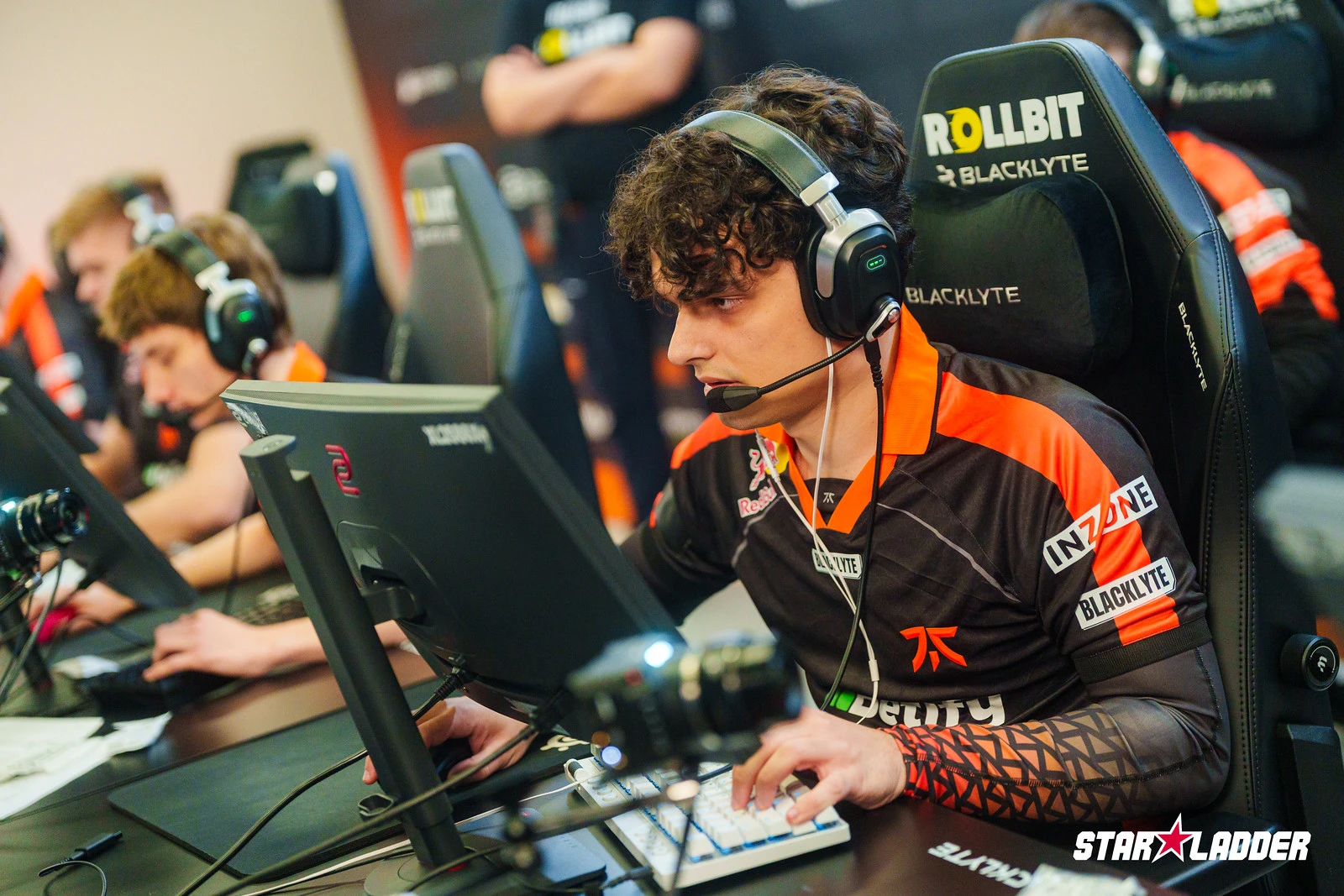
The real impact of kassad’s words lies in the fact that he questioned Fnatic’s entire management model. The criticism goes far beyond individual players and points to deeper structural issues:
- lack of a long-term strategy
- unclear decision-making hierarchy
- repeated mistakes without meaningful course correction
In modern CS2 — where competitors adapt quickly, take risks, and make tough calls — Fnatic increasingly look like an organization that reacts after the damage is done, rather than one that actively shapes its future.
An unanswered question
The most important takeaway from this situation is the question kassad pushed into the public spotlight — and one that still has no answer: Who exactly is making the key decisions at Fnatic, and will anyone be held accountable for yet another failure? Until that name is known, every new elimination, every failed qualification, and every broken project will only reinforce the feeling that Fnatic’s problem runs far deeper than the scoreline on the server.