A few of the articles I have written here in 2025 were about esports business in one way or another. Off the top of my head I think I’ve attacked the audience, the tournament organizers and players. So things are going well! Obviously they’re not really so much attacks as they are my attempt to highlight what I think is going wrong when it comes to the business end of esports. This matters because if we can’t get this part right, we’re doomed to see more firings and downscaling, which is never fun. So who is left for me to complain about you might ask? The sponsors of course!
The sponsor problem in esports
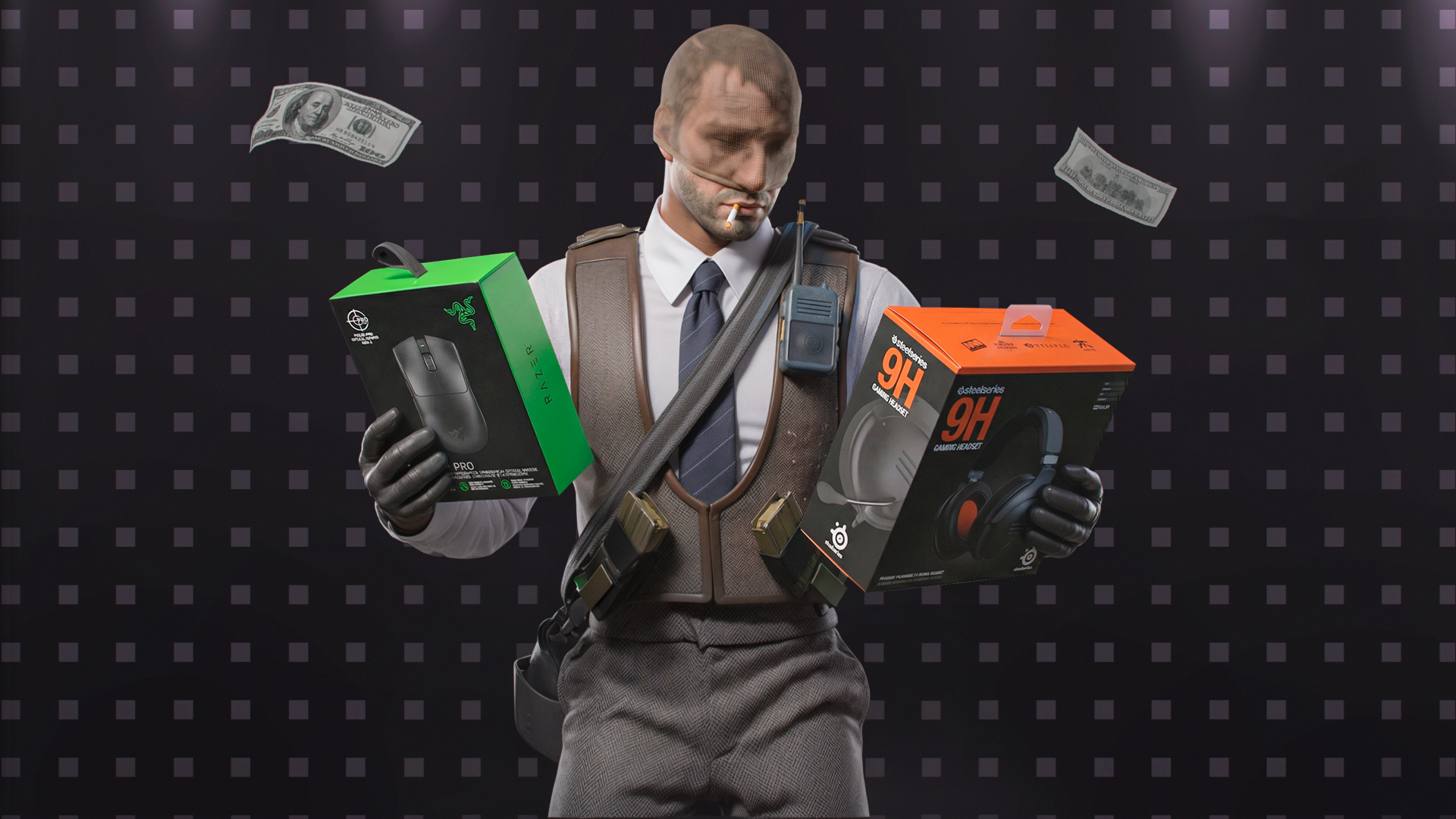
One of the central problems esports has been facing for a long time is that while we have a sizable audience of interested fans, it’s very hard for us to convert those fans into money. A big reason for that is that we don’t know who you guys are. Not that we’d have to know you personally for the businesses to work, but we do need to be able to explain why you bought a Razer headset over a Steelseries one, or the other way around.
read more
The logic is fairly easy to track really. For Razer to want to spend a million dollars on some sponsorship, they have to be in one of two mindstates, broadly speaking. One is an effort to spread awareness about their brand to an audience that might not know them and another is to drive direct sales to a new product line, by an audience that already knows who and what they are.
Top-funnel vs lower-funnel confusion
These two mindstates are sometimes referred to as ‘top-funnel’ or ‘lower-funnel’ positions and part of the confusion of esports is the mixup of these two states. Whenever a new brand is introduced to an esports audience with the goal of getting their name out there and for the regular viewer to be able to recognize them in the future as ‘having had something to do with esports’, that’s a top-funnel effort. In this area you can get paid by a sponsor for showing a certain amount of viewership and how many eyeballs were on the brand logos at any given time.
But in the lower funnel, sponsors start to care about whether or not the advertising they are paying for is actually driving sales. An easy way to think about this is to imagine yourself walking into an esports hardware related store after having just watched a big tournament where that sponsor was. If you walk and say the words “Hey I just come from that tournament you guys were advertising at, and I’m here to spend money!” that might register with the store as a successful outcome of their money spent. But if you do the same things with no reference to the tournament, that sale might go into the bucket of “we don’t know how they made this choice”.
read more

The attribution gap
The sentence “I’m here because I was watching this tournament” is translated by advertising as a whole into things like affiliate links, discount codes, emailed offers and so on. Unsurprisingly these are ways to track if a given partner is actually helping to drive customers to the business.
The issue is that plenty of the esports audience remain fairly untrackable, which is interesting given that all of this is happening digitally. If you end up buying a new headset but don’t use any of the affiliate links, at best you’ll be seen as a top funnel customer by the seller and they won’t really know who to attribute the sale to. But there is another potential error that can happen and which might be happening, which is simply that sponsors and tournaments or teams don’t have the same expectations when it comes to the two funnel situations.
Why esports is treated differently
I think where esports wants to be is much more in the top funnel conversation. Imagine for a moment the absurdity of a situation where you’re buying a BMW, and the BMW sales assistant is trying to figure out which advert you saw, so they can attribute the sale of the car to the right football stadium or broadcast. That never happens because BMW, when advertising in sports, knows it’s less about driving and tracking direct sales and more about being involved and lifting their brand with a certain audience.
read more

They also trust the long term provable conversions from sports in a way they probably wouldn’t from esports, yet. But if you think about it for a few seconds, how many of the adverts you’ve seen most recently at various esports events have casters read-outs that say “if you use the promo code…” or banners that read “use code and get X% off”? I would argue it’s happening a lot. My point isn’t that this kind of advertising is bad, but it is a symptom of the fact that esports is often regarded as a lower funnel advertising tool, but it’s better at delivering upper funnel type engagement.
All of this is a problem because if your advertising deal is contingent on hitting certain goals along the way, but you have an audience of people who for whatever reason are reluctant to click the links or use the codes, you won’t get that much value out of the deal. If you then also can’t convince the brands to view you as an upper funnel platform, they will end up spending that money elsewhere. An easy way to put it might be to say that esports is an upper funnel advertising platform that has lower funnel customers.
Where this leaves esports
Why should you care about this though? Well the truth is unless you work in advertising maybe you shouldn’t. But for me personally when trying to learn and think about this stuff, I care because it helps me try to track and guess which direction esports is going in. If we can’t figure out the business model properly, then we might end up with things like pay-per-view models being attempted again or the whole thing will see a significant reduction in scale.
read more

It’s also possible that the solution here isn’t to try to fit esports into an existing model, but that we simply need new technology in some fashion. Tracking links and promo codes is a form of technology, but how native does it feel to an esports audience? If the tournaments were in full control over the game they were broadcasting, you could imagine a world in which a promo code might be built into the game in a more direct fashion. Imagine a skin that also works as a discount for your next purchase at whatever tournament partner is sponsoring the event.
At any rate it’s very likely you will begin to see more attempts from teams and organizers to know more about you in the future, and perhaps with this fairly light background, it’ll be easier to understand why that is happening. Either that or you will hopefully see more longer term partnerships with brands that want to stay in esports long term and therefore care less about the end-to-end tracking of each potential customer.
The more I was thinking about this while writing this article the less doomer pilled I was getting. I don’t actually think this means that esports is just automatically a loss making business. It feels more likely that we just have things a bit upside down when it comes to our position in the advertising landscape. It might not be a quick fix though, because building that trust with brands takes time, but hopefully that is what the future will bring.