January is always messy in Counter-Strike: teams are coming off a long season, the VRS race resets the pressure, and orgs have to decide whether they’re fixing a real problem… or just panic-swapping parts. With only a few weeks of official matches in the books (as of January 31, 2026), “best” and “worst” doesn’t mean proved over six months, it means the moves that already look smart (or shaky) based on role logic, timing, and immediate results.
Below are the roster changes that stand out most so far in 2026. not because they’re the biggest names, but because they reshape how teams actually function.
What makes a roster move “good” in January?
At this point in the year, the best changes tend to share a few traits:
- They fix a single obvious weakness (missing AWPer, missing IGL, lack of structure).
- They reduce chaos (clear roles, clear caller, fewer “who’s doing what?” situations).
- They improve your floor quickly because early VRS points and invites matter.
The worst moves usually do the opposite: they add uncertainty, disrupt identity, or gamble on development when the team actually needs stability now.
read more
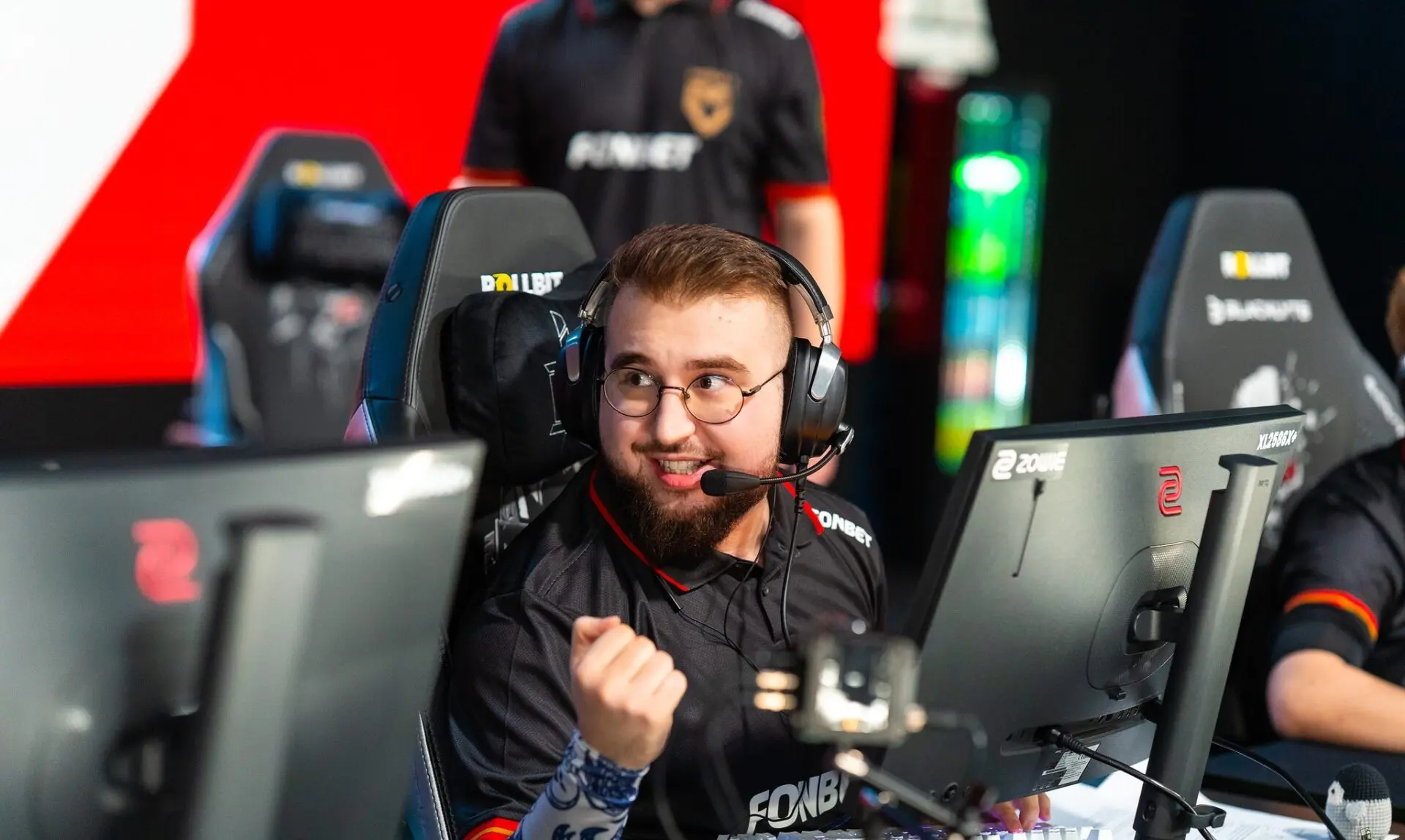
The best roster changes (so far) in 2026
1) BIG: A New Era of Success in 2026?
After a period of rebuilding and roster reshuffles, Berlin International Gaming (BIG) has begun 2026 with noticeable momentum and results in the competitive Counter-Strike 2 scene. Having completed a strategic overhaul of their lineup, the German organization has started to reap the rewards of their new structure, showcasing both consistency and rising performances on the CS2 circuit.
At the core of BIG’s evolution this year was the signing of Josef “faveN” Baumann, marking his return to the organization and providing an experienced and reliable presence alongside team captain Benjamin “blameF” Bremer and a solid core that includes Johannes “tabseN” Wodarz and Jon “JDC” de Castro. With blameF’s leadership and seasoned firepower, the lineup now balances veteran stability with dynamic playmaking, giving the squad renewed tactical depth and competitive edge.
This revamped roster has already translated into tangible results. Recently, BIG secured their second consecutive LAN title of 2026 at the United21 Esplay Challenge Season 1, defeating HAVU with a commanding 2×0 scoreline. The victory not only added silverware to BIG’s early season tally but also bolstered their standing in the Valve Regional Standings (VRS), a key metric for qualification and seeding in premier events.
read more
What makes this success all the more significant is that it comes after what many considered a transitional phase for the team. BIG’s leadership opted for a complete roster rebuild in the off-season. A gamble that is clearly paying off as the lineup gels and begins to outperform expectations. Their recent LAN wins are building confidence internally and are a strong statement to the rest of the CS2 competitive field that BIG is once again a force to be reckoned wit
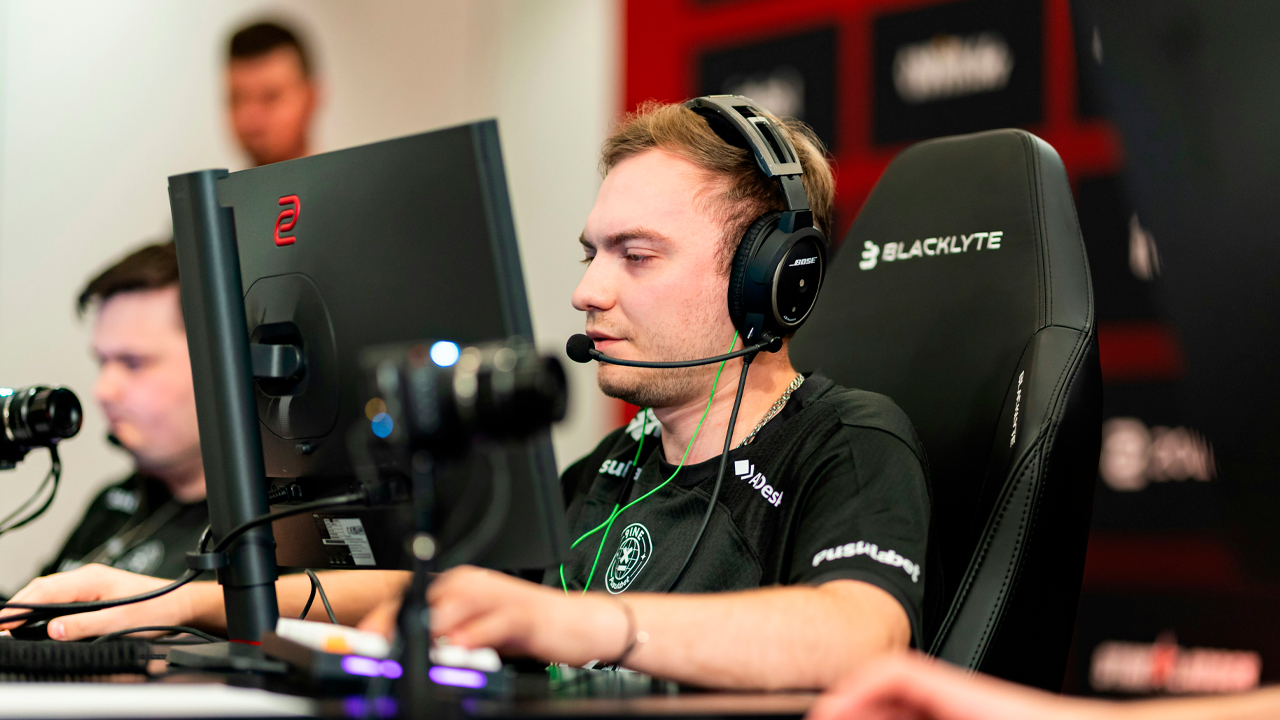
2) PARIVISION’s Breakthrough Success in CS2 in 2026
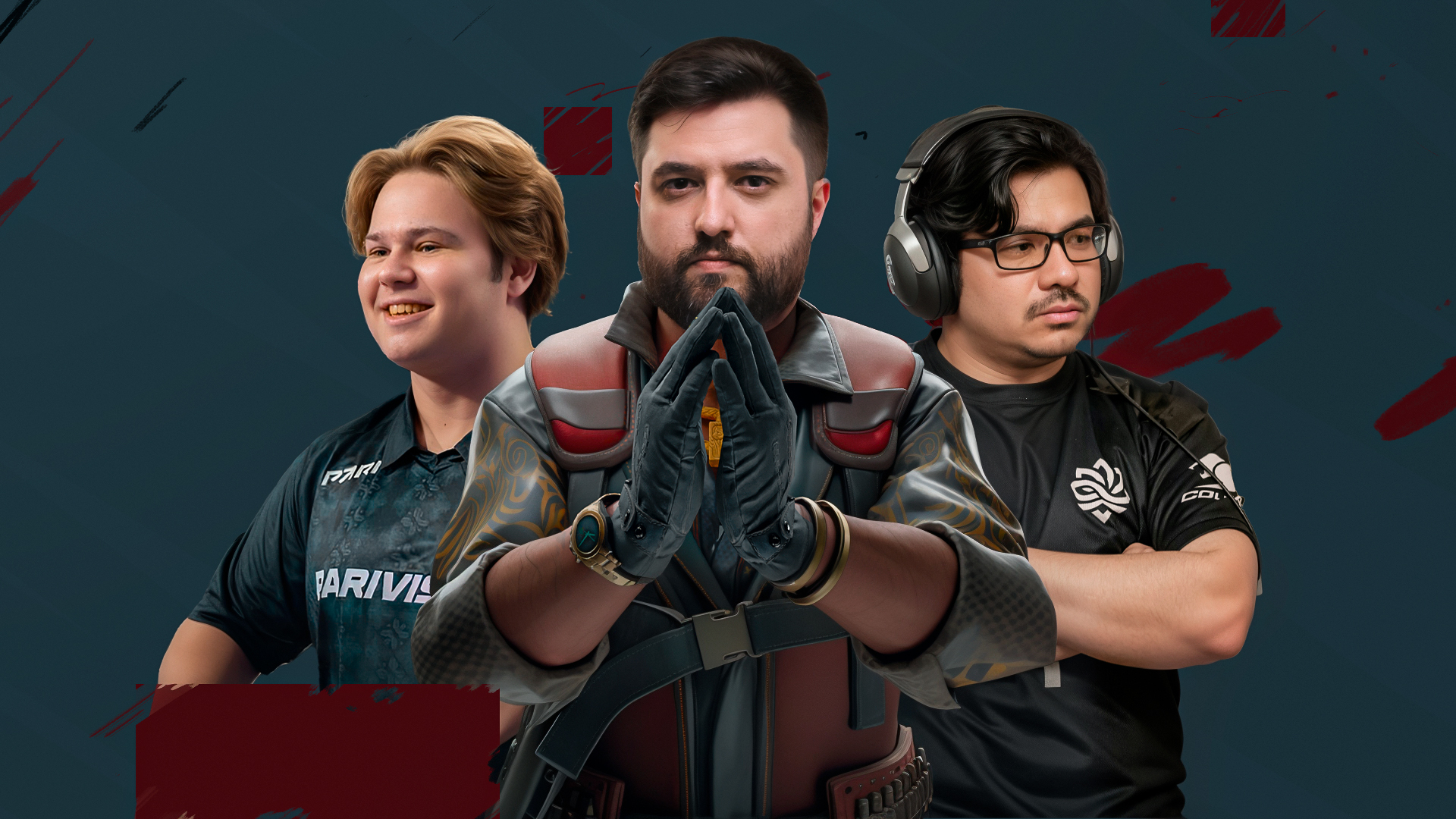
At the start of 2026, PARIVISION has firmly announced itself as one of the rising forces in Counter-Strike 2 competition following key roster changes and a string of impressive performances on the competitive circuit.
After parting ways with Andrey “AW” Anisimov and bringing in young rifler Ivan “zweih” Gogin late in 2025, PARIVISION reshaped its lineup with a renewed emphasis on youthful talent and aggressive firepower. The addition of zweih alongside core members such as Jame, BELCHONOKK, xiELO, and nota helped the squad refine its tactical depth heading into the new season.
That roster adjustment immediately showed results. In late January 2026, PARIVISION achieved their first Tier-S tournament victory by winning BLAST Bounty Winter 2026 Season 1. In the grand final held in Malta, they swept Team Falcons 3×0 in a dominant performance that saw them drop only one map across the entire playoff run.
This victory was more than just a trophy, it marked PARIVISION’s transition from underdog status to a great contender on the global CS2 stage. Winning a Tier-S event so early in the season not only boosted their confidence but also their Valve Regional Standings ranking, positioning them comfortably among the world’s top teams.
read more
Following that triumph, PARIVISION continued to build on their momentum with solid showings in IEM Krakow 2026 play-ins, advancing into Stage Two of the event and demonstrating that their success was no fluke.
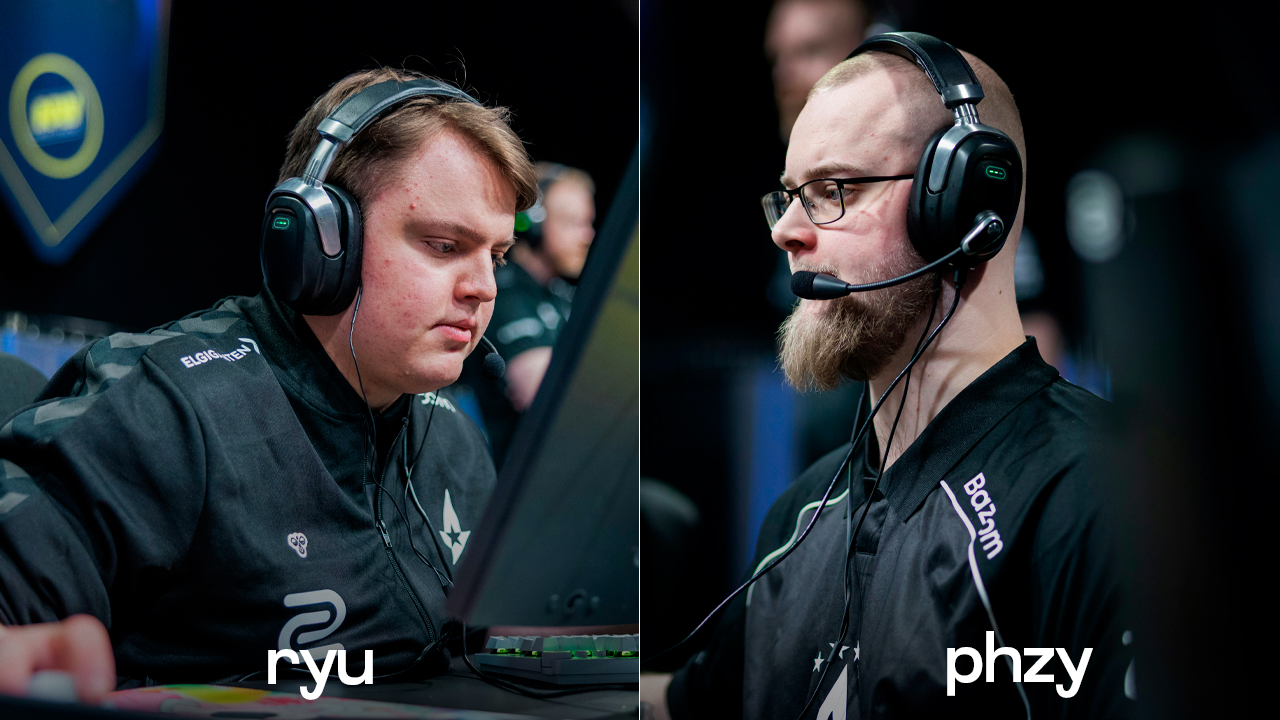
3) Astralis go international with Love “phzy” Smidebrant + Gytis “ryu” Glušauskas. Bold, coherent, necessary
This is a classic “we can’t keep pretending it’s 2018” pivot. Astralis officially committed to an international roster by signing phzy and ryu. The move is risky (more on that in the “worst” section), but it also makes sense: if the domestic talent pool isn’t solving your problems fast enough, you widen the search and try to build something modern.
Why it can be a great change:
- phzy addresses a critical need: stabilizing the AWP role in a post-superstar era.
- ryu is a development-with-purpose pickup: not just “potential,” but a player brought into a defined structure.
- The org is clearly aiming for a new identity, not a patch job.
Astralis’ presence in these early events reflects a team still finding its identity, blending veterans and newer faces in high-pressure matches. Even in losses, for example against favorites like Team Spirit, the side displayed tactical resilience and flashes of strategic depth that hint at a brighter trajectory as the roster gels more cohesively.
read more
The worst roster changes (so far) in 2026
1) The MongolZ continuing without Azbayar “Senzu” Munkhbold: A self-inflicted ceiling drop
Technically the benching happened earlier, but the consequences are very much part of the 2026 landscape: The MongolZ removed Senzu in a shock decision, and the team is still living in the fallout of benching what many viewed as their best player.
Why it’s hard to defend:
- If you’re trying to win big events, you don’t usually bench your most explosive difference-maker.
- Even when a replacement is talented, you’re still rewriting chemistry and roles and that takes time you might not have.
This isn’t automatically doomed, but the burden of proof is on the team to show the new version has a higher ceiling than the old one
2) B8’s recent struggles
At the start of 2026, B8’s Counter-Strike 2 squad has endured a rocky patch of form, culminating in a disappointing early exit from IEM Kraków 2026. After benching long-time AWPer headtr1ck and giving Mykhailo-Nazarii “segukawa” Bybel a chance in the starting lineup, the experiment didn’t deliver the impact B8 needed on the big stage.
The young AWPer struggled to find his footing against elite opponents, and B8 went 0-2 in their decisive lower-bracket match against paiN, bowing out of the tournament without a single series win.
read more
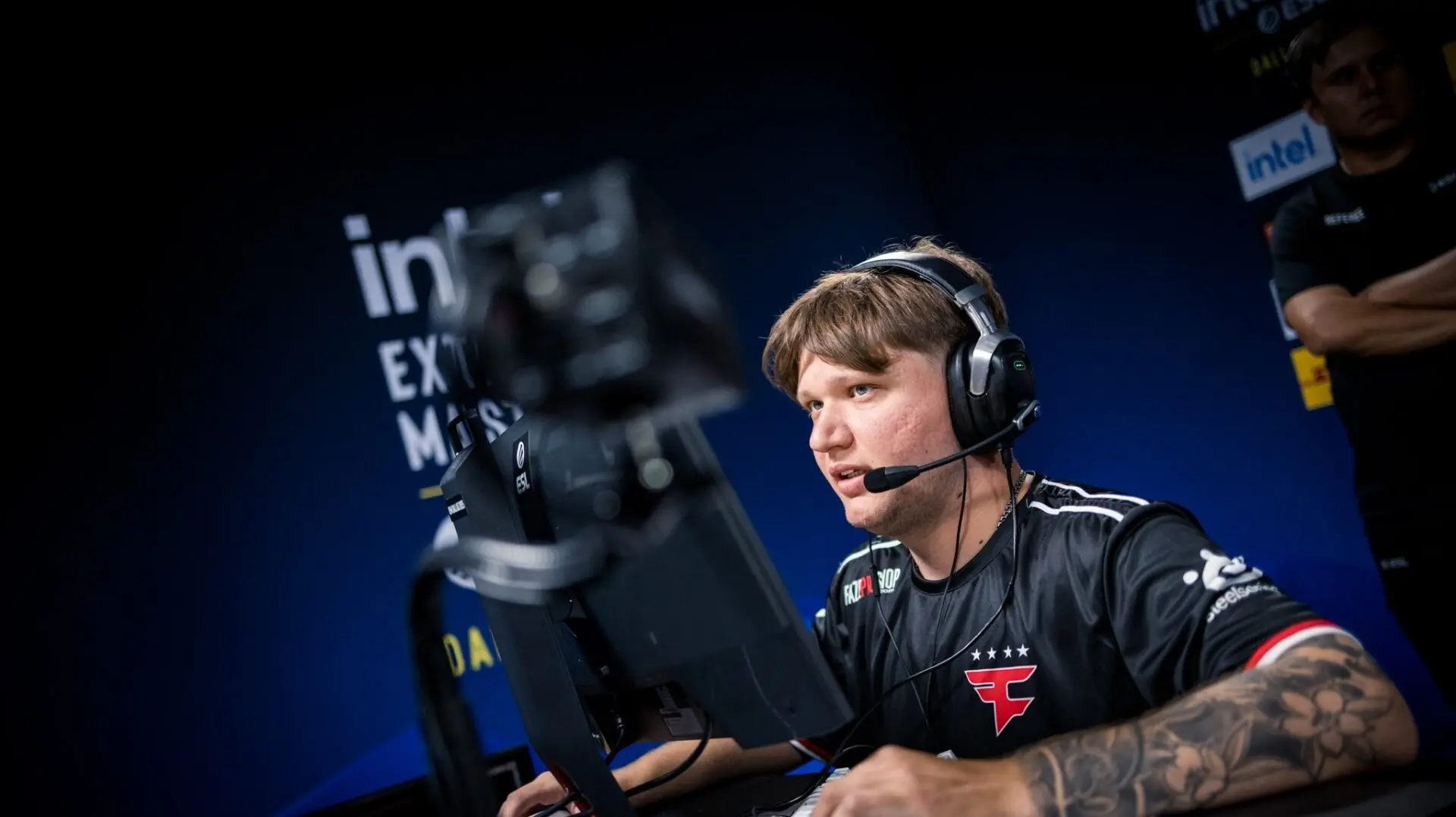
I don’t think it was a great idea to introduce such a young player on segukawa directly into one of the most prestigious events of the year and just after a player-break. The team now heads into the next events with renewed urgency to stabilize their core five and rediscover the form that once saw them compete at top international events.
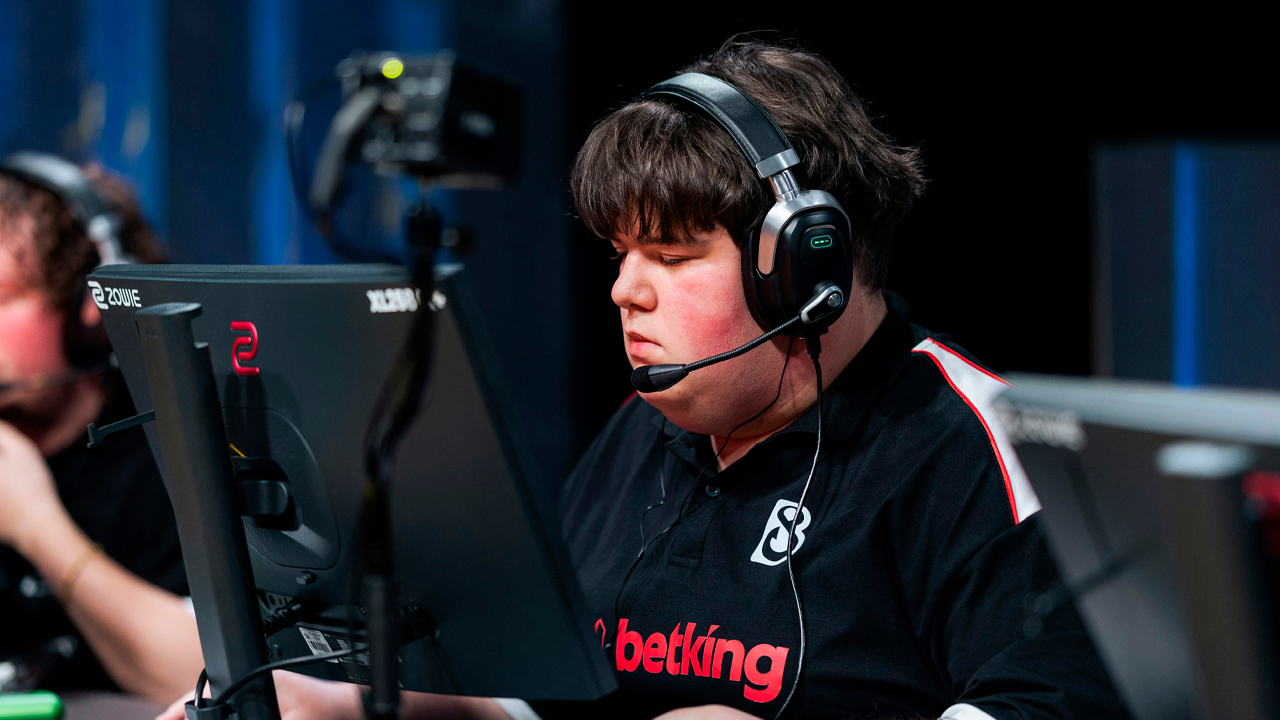
3) Legacy: Was it Chucky’s fault? Or is it lux’s as the IGL? What a mess..
After a promising rise in the Counter-Strike 2 scene, Legacy’s trajectory has hit a rough patch. Following the departure of long-time coach Olavo “chucky” Napoleão, the Brazilian outfit has struggled to regain consistent form in major tournaments, disappointing fans who expected continued growth after their strong Austin Major run.
Results have been underwhelming since the coaching change, with the team failing to make deep runs and showing a lack of the cohesion they once had. This has sparked chatter in the CS2 community about possible roster instability.including rumours that Legacy might part ways with IGL Lucas “lux” Meneghini as part of another shakeup to try and reinvigorate performance.
One thing is for sure, something real bad happened because they certainly didn’t expect to start the year in this fashion and then to decide and remove their IGL after the player break is over and possibly having to start from scratch tactically speaking says a lot about how deep the problems inside the team really are.