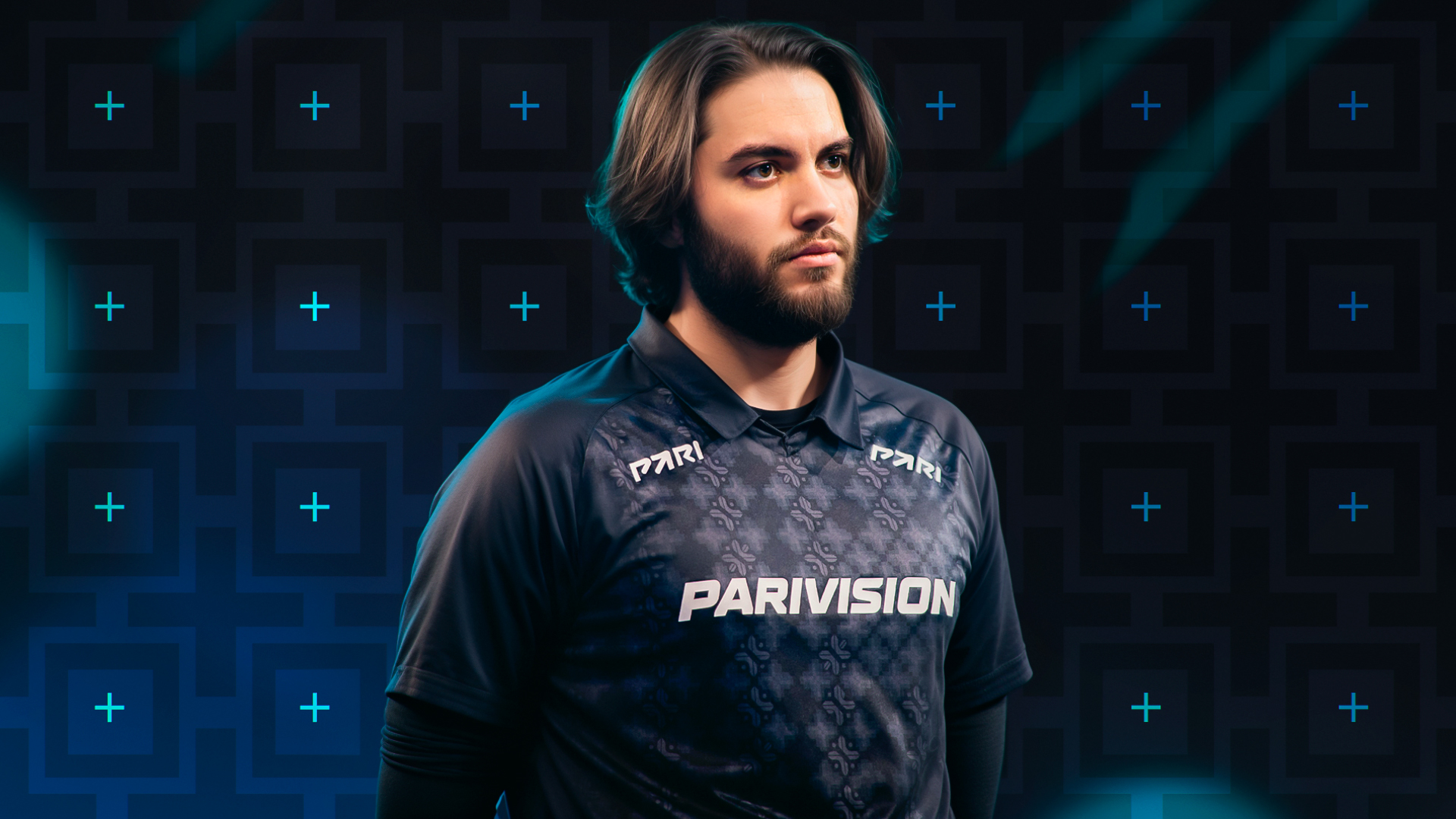
Jame (Dzhami Ali) has always been a polarizing name in Counter-Strike. Even in CS:GO, his approach to risk, economy, and pacing split fans into two camps: those who saw a cold, modern strategist maximizing win probability, and those who saw an overly conservative leader whose teams “saved too much.” In CS2, that same debate continues, but it’s also evolved, because the game’s rhythm, utility dynamics, and meta trends have changed. So the real question isn’t “Is Jame good?” It’s whether his specific strengths as an in-game leader translate into elite value in CS2. value that holds up against the very best IGLs in the world.
My take: Yes, Jame deserves to be in the conversation for “best IGLs in CS2,” but with an important caveat. He’s not the universally “best-fit” leader for every meta or roster, and his style has a higher dependence on system buy-in than most. When his structure is functioning and his pieces match his philosophy, he can make a team punch above its raw mechanical level. When it isn’t, the same system can look rigid, low-tempo, and easier to read.
read more

What makes an IGL “best in the world”?
- A coherent identity (knows how it wants to develop map control and win rounds).
- Repeatable round-winning protocols (defaults, spacing, trading rules, utility usage)
- Strong mid-round decision-making (reacting to info, rotating quickly).
- Economy of the game (managing the economy of the team and the game properly, knowing when to save weapons and when to try to win rounds, managing expectations in rounds in disadvantage etc…)
- Role and resource management (putting stars in positions to win duels and developing his players in those respective roles).
- Leading by example in and out of the game (being calm and collected, outspoken, being a leader of men and not just a strat caller)
- Adaptability (not collapsing when opponents anti-strat you)
Jame’s candidacy is strongest in categories 1, 2, 4, 5, and debated in category 6 and 7.
The “Jame System”: why it works (when it works)
No IGL in modern Counter-Strike is more associated with economy manipulation than Jame. His teams historically treat money like a win condition: preserve expensive guns when the round is truly lost, avoid coin-flip retakes, and make sure future gun rounds are high-percentage. This isn’t just “saving for stats.” It’s a philosophy: reduce variance, increase the number of full-buy rounds across a map, and force opponents to win more cleanly.
That mindset is especially relevant in CS2 because the game can swing hard on a couple of chaotic rounds. one missed smoke gap, one mistimed peek into a stronger peekers’ advantage moment, one lost anti-eco with MP9s flying. An IGL who minimizes those volatility spikes can keep a match in their team’s control longer than expected.
read more
The hardest evidence: results and relevance in the CS2 era
One criticism people sometimes aim at legacy great IGLs is that their reputation lingers after their peak. With Jame, CS2 has actually offered a more nuanced picture: he’s clearly remained relevant as a high-level player (he’s listed as actively competing in CS2 and is associated with PARIVISION in recent records).
At the same time, there was a very public signal that results matter even for a system leader: after Virtus.pro’s disappointing showing at the Perfect World Shanghai Major 2024, Jame was benched by the organization (also reflected in VP communications/news coverage).
That benching can be read two ways:
- Against his “best IGL” argument: if your system is elite, why did it fail on the biggest stage in CS2?
- For his “best IGL” argument: it highlights how system IGLs are vulnerable to roster fit, form, and internal alignment. When the pieces don’t match, the system looks worse than it is.
Leadership beyond tactics: why teammates buy in (or don’t)
A top IGL isn’t only a playbook. It’s also:
- convincing four other pros to follow calls,
- keeping morale stable when the crowd is loud,
- and mediating role conflict when a star wants freedom but the system wants discipline.
read more
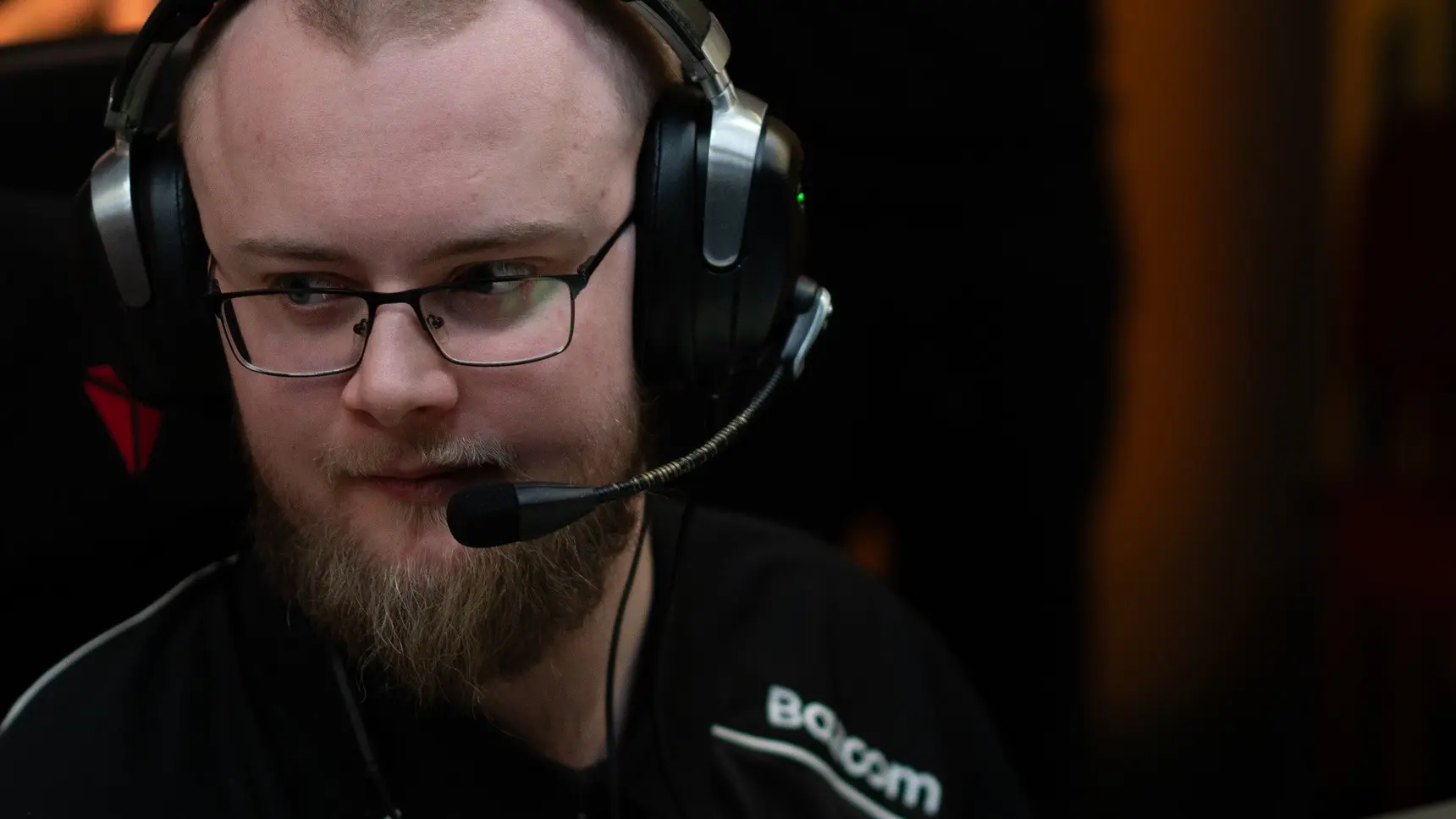
Jame’s interviews paint him as unusually transparent about internal disputes, pressure, and uncertainty. he doesn’t project fake confidence. That can be a strength (honest culture) or a weakness (publicly visible instability), depending on how a lineup handles it.
And this is why his “best IGL” status is conditional: Jame is at his best when the roster is designed for his worldview. disciplined spacing, low-ego role acceptance, and players who understand and embrace his system and way of thinking about the game.
Jame’s Leadership Renaissance with PARIVISION
In the constantly evolving world of Counter-Strike 2, few in-game leaders (IGLs) have proven their long-term impact as convincingly as Dzhami “Jame” Ali. Known for his disciplined style and calculated approach to the game, Jame has once again demonstrated why he deserves to be considered among the best IGLs in the world this time through his work with PARIVISION.
Over the past year, Jame has guided a relatively inexperienced roster to results that few analysts predicted. At the StarLadder Budapest Major 2025, he led a lineup featuring four Major rookies through multiple stages of the tournament, overcoming more experienced teams despite the pressure of the biggest stage in Counter-Strike. Their run included remarkable comebacks and strong tactical preparation, highlighting Jame’s ability to maximize the potential of young players.
read more
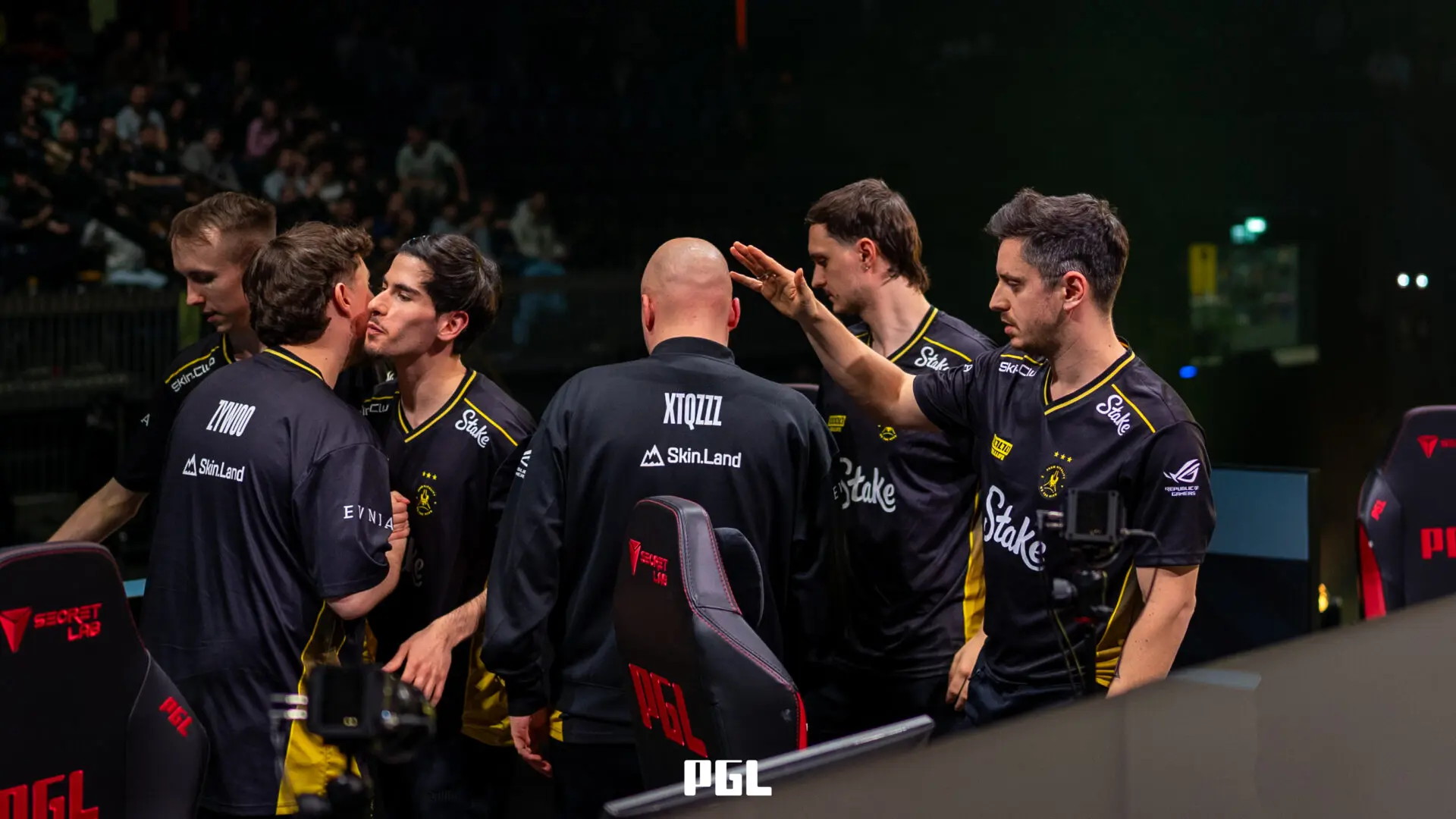
That momentum carried into 2026, when PARIVISION captured the title at BLAST Bounty Winter 2026. Analysts credited the victory largely to Jame’s tactical system and leadership, which unified the team and allowed its individuals to shine within a structured framework. The win propelled PARIVISION into the top five of the global Valve rankings, a massive achievement for a roster that had previously been viewed as a developing project rather than a contender.
PARIVISION recent struggle at ESL Pro League S23 – Mental Burnout or just an excuse?
PARIVISION’s campaign at ESL Pro League Season 23 ended earlier than expected, marking a disappointing moment for the roster. After a difficult series that knocked the team out of the tournament, the in-game leader addressed fans on social media and spoke candidly about the team’s current struggles.
In his message, Jame admitted that the intense competitive schedule has begun to take a toll on both him and the team. He explained that constant travel, practice, and back-to-back tournaments have created a sense of burnout, making it difficult to maintain peak performance. Community discussions referencing his Telegram posts noted that the player acknowledged mental fatigue and the pressure of competing continuously at the top level.
Despite the disappointing result, Jame remained reflective rather than overly critical. He emphasized that the team is still developing and that mistakes are part of the process when building a roster capable of competing with the world’s best teams.
read more
Final Conclusion
Ultimately, Jame’s recent success with PARIVISION reinforces a reputation he has built over many years: the ability to take unconventional rosters and transform them into competitive teams through structure, patience, and strategic depth. In an era filled with mechanically gifted lineups, leaders who can build systems and elevate young talent are rare and Jame continues to prove he belongs among the elite IGLs in the world. which in my books, it definitely makes him one of the most important and underrated IGLs in the world at the moment.