Natus Vincere is in a peculiar spot. For the remainder of last year since June, when they acquired makazze, NAVI have not looked better than a fringe top eight team, with only a few stronger placements offering a flicker of hope. Take the StarLadder Budapest Major 2025, where they managed to reach the top four. On the surface, that appears impressive. But when you examine the teams they defeated to get there, it was PARIVISION, paiN, B8, and FURIA. Apart from FURIA, who are still battling their reputation for inconsistency, that list is not particularly flattering.
Then at ESL Pro League Season 23 Finals, a tournament that featured the likes of Spirit and MOUZ in the playoffs, NAVI put together a run against The MongolZ, FUT, and Aurora. Even at BLAST Rotterdam, they reached the final by beating PARIVISION, B8, Aurora, and Falcons. At face value, it can be labelled a decent run. In reality, it is nowhere near the level required to overcome Vitality and genuinely contend for a premier trophy.
Beating teams that are themselves struggling for consistency and reaching the grand final of a tier one event can create a false sense of security. That is precisely the illusion NAVI seem to be operating under. Believing they could take down Vitality, only to be swept 0–3, unfolded almost exactly as expected. Over time, the central issue within this roster has become increasingly evident.
iM has gone quiet against top teams
This year, iM has averaged a 1.06 rating overall. While his rating climbs above 1.05 against top 20, 30, and 50 teams, it declines to 0.98 versus top 10 sides and drops further to 0.90 against top 5 opponents. That downward trajectory is concerning. The elite teams are the ones you encounter in playoffs and deep tournament runs, and a marked dip in performance at that level is not an encouraging sign.
These numbers are not what you would anticipate from a player of iM’s calibre against top competition. On the contrary, he was expected to be the difference maker when the standard rises. However, it is apparent that he has struggled to sustain impact when the stakes intensify, which is far from ideal for a player on a supposed title contending roster.
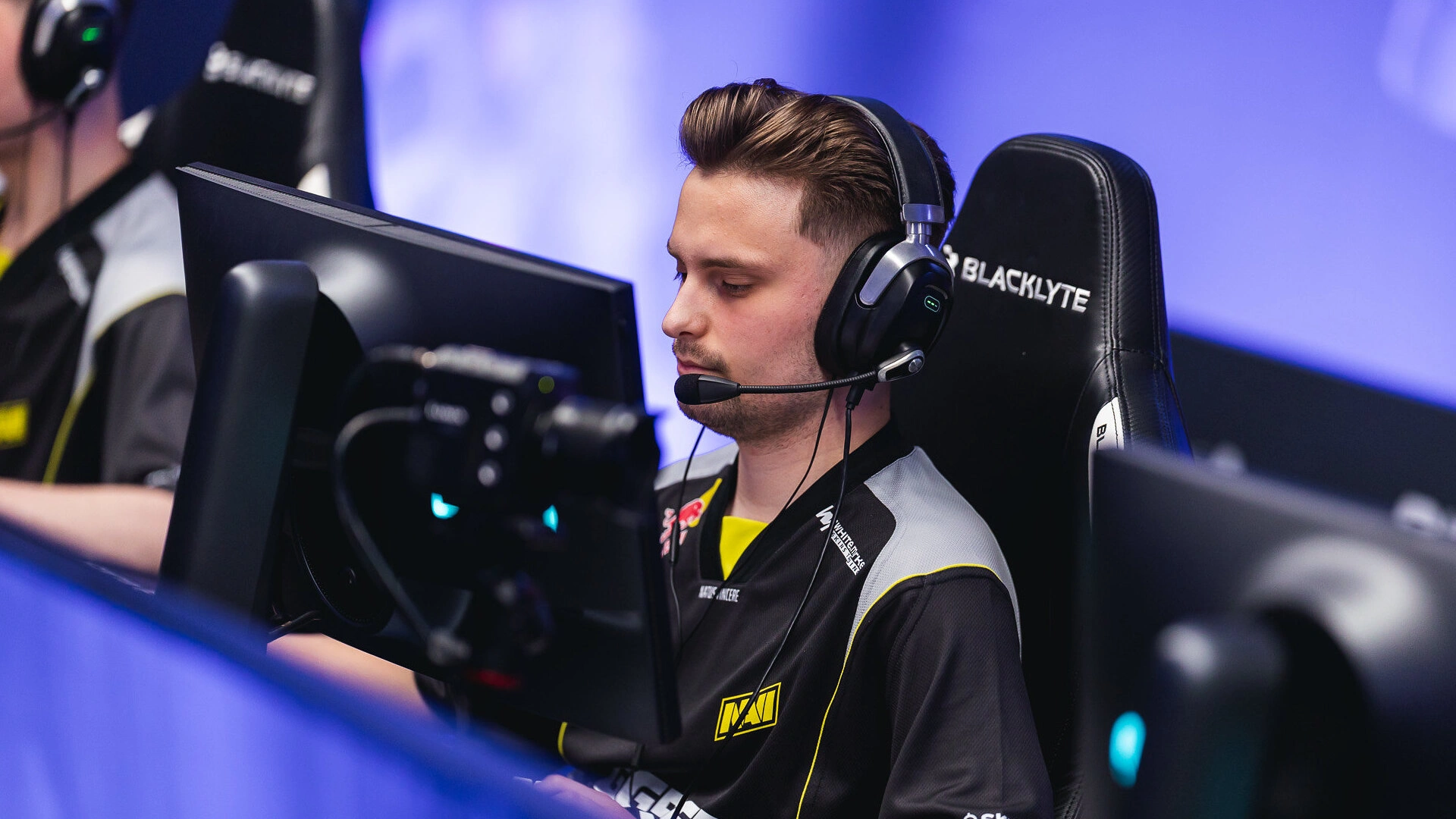
For the roles iM has occupied in NAVI, the returns have often been underwhelming. On CT sides, he has frequently enjoyed some of the stronger positions, yet his output has been somewhat muted. It is not as though he averages below a 1.00 rating, but with an elite anchor like b1t posting figures around 1.16 on the defensive half, and makazze also contributing heavily, greater production is expected from iM, especially given the space created by those players.
Moreover, while iM does not possess a particularly low floor, his ceiling has rarely been exceptional. Since the inception of this international roster, he was meant to be the star, the player who would replicate his standout numbers from GamerLegion. Instead, he has appeared slightly misaligned with NAVI’s current structure, a team with two reliable anchors yet lacking a consistent closer to convert their advantages. He remains a valuable asset in general terms, but perhaps not the precise profile NAVI require at this juncture.
The solution to NAVI’s problems is frozen
This is where frozen becomes compelling. David Čerňanský offers a different profile. He has demonstrated durability against elite opposition and a steadier output in playoff environments. Unlike the statistical tapering seen with iM, frozen’s performances historically hold firmer against top tier teams. He is comfortable in late round scenarios, adept at trading, and capable of anchoring difficult bombsites without his numbers collapsing.
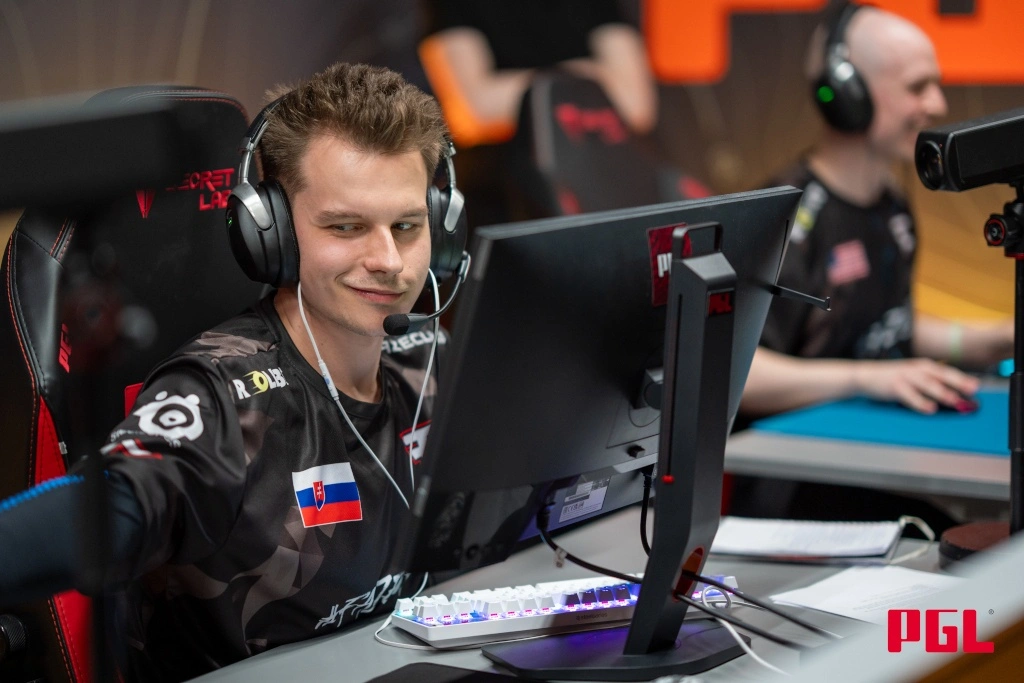
Frozen also brings clarity in role definition. He can operate as a secondary star without disrupting structure, yet he has shown the capacity to take over games when required. That balance is precisely what NAVI lack. Instead of oscillating between solid and subdued performances, frozen tends to provide reliable impact across both halves. His composure in high pressure series would directly address NAVI’s recurring problem of fading when facing the elite.
Comparing frozen and iM
In essence, the problem with iM is not mediocrity but mismatch. His strengths have not translated into consistent, high ceiling performances against top five competition. Frozen, by contrast, aligns more naturally with NAVI’s structural needs. If NAVI aspire to transition from a peripheral contender into a legitimate title challenger, replacing volatility with stability and scaling impact against elite teams is essential. On current evidence, frozen appears far better equipped to deliver exactly that.
| Stat | frozen (FaZe) | iM (NaVi) |
|---|---|---|
| T Rating | 1.17 | 1.04 |
| CT Rating | 1.12 | 1.06 |
| K-D (via DPR) | 0.68 (DPR) | 0.68 (DPR) |
| ADR | 77.9 | 78.1 |
| KAST | 73.7% | 72.5% |
| Multi-Kill % | 18.2% | 18.1% |
If you look at the T-side, neither of the two players are exactly openers. However, it is worth noting that iM has been slightly more aggressive than frozen on the T-sides. But that doesn’t necessarily mean he has been good at it, averaging a 0.96 opening rating with a success rate slightly above 43%. The addition of frozen will give NAVI the necessary star power on the T-sides, and also help b1t activate more on the T-sides.
On the CT-side, it is clear that the swap will not be a one for one by any stretch of the imagination. iM has most of the rotator roles on NAVI, where he is significantly more active. However, the output after taking that into consideration has been minimal. A 1.06 rating on the CT-sides highlights exactly that. On the other hand, frozen has been playing lights out while being chained to bombsites. Allowing frozen into these rotator roles can help unleash him even further, as NAVI already has two strong anchors in b1t and makazze.