Coming into the 2026 season, BIG were no longer firmly in the Tier-One conversation. In January, the team of tabseN, JDC, prosus, JBOEN, and freeZe had almost fallen out of the top 50 in the world. The German dream that had started in 2017 was beginning to fade. Even the young prodigies like Krimbo, the ones meant to carry the German torch forward, proved to be unsuccessful in the test of time.
The decline was gradual but damaging. Ranking drops in the VRS system directly impact event invitations and seeding, meaning BIG were reduced to tier-3 events. While in 2025 they were able to participate in several tier-1 tournaments like BLAST Bounty Season 2, IEM Melbourne 2025, IEM Katowice 2025, PGL Cluj-Napoca 2025, and PGL Astana 2025, they were completely out of the scope of any tier-1 invitation in 2026. They were met with a harsh reality, to stay stubborn with the German dream and forget about any tier-1 invitation anytime sooner, or look for foreign talent. And they chose the latter.
BIG’s 2026 Rebuild
Instead of making reactionary changes, BIG opted for a calculated reset. tabseN had pulled himself out of the shackles of an IGL, but was yet to give it to potent hands. At the same time, the team was still in search of more firepower at their disposal, and a star presence to push them forward. And they found all that in Benjamin “blameF” Bremer. With gr1ks and blameF, the org was fighting to maintain its German identity. To deal with that, while also getting a familiar face to support the team, BIG signed faveN as the fifth.
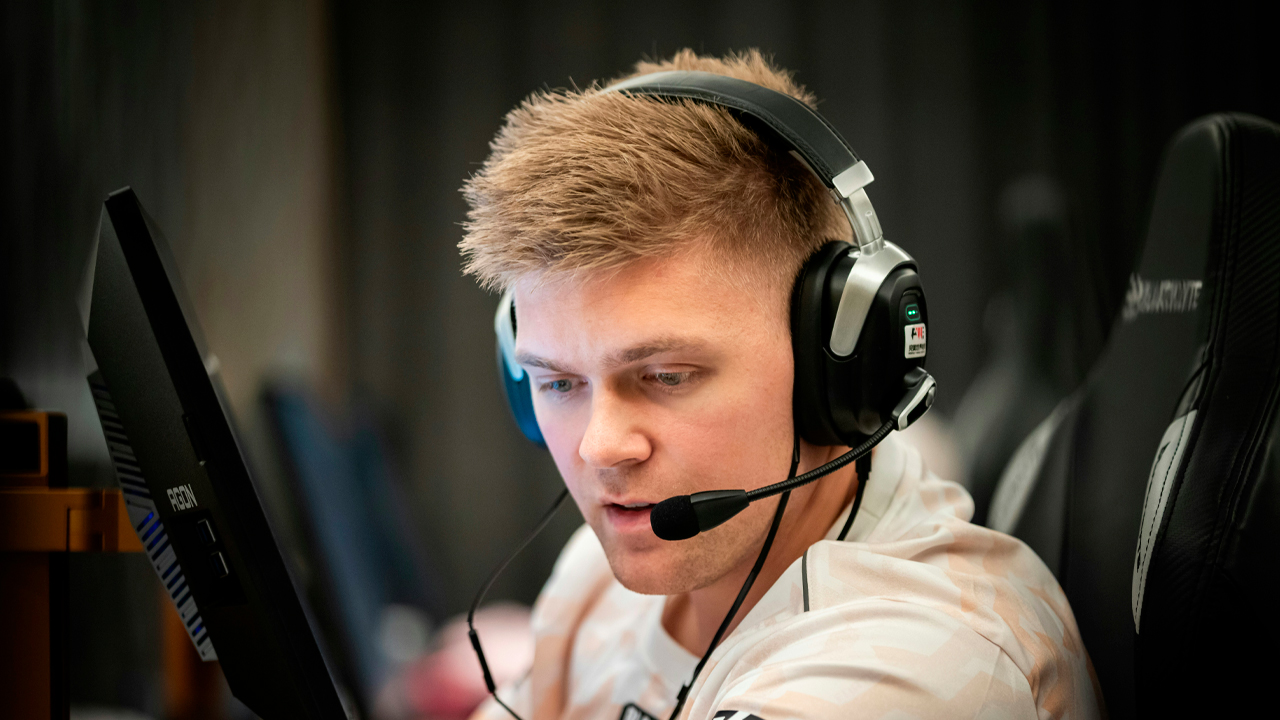
The rebuild was not centered around assembling a superteam. But it is experience that anchors this rebuild. blameF brings a methodical, space-controlling style and strong mid-round awareness. His approach aligns naturally with a system-focused team identity.
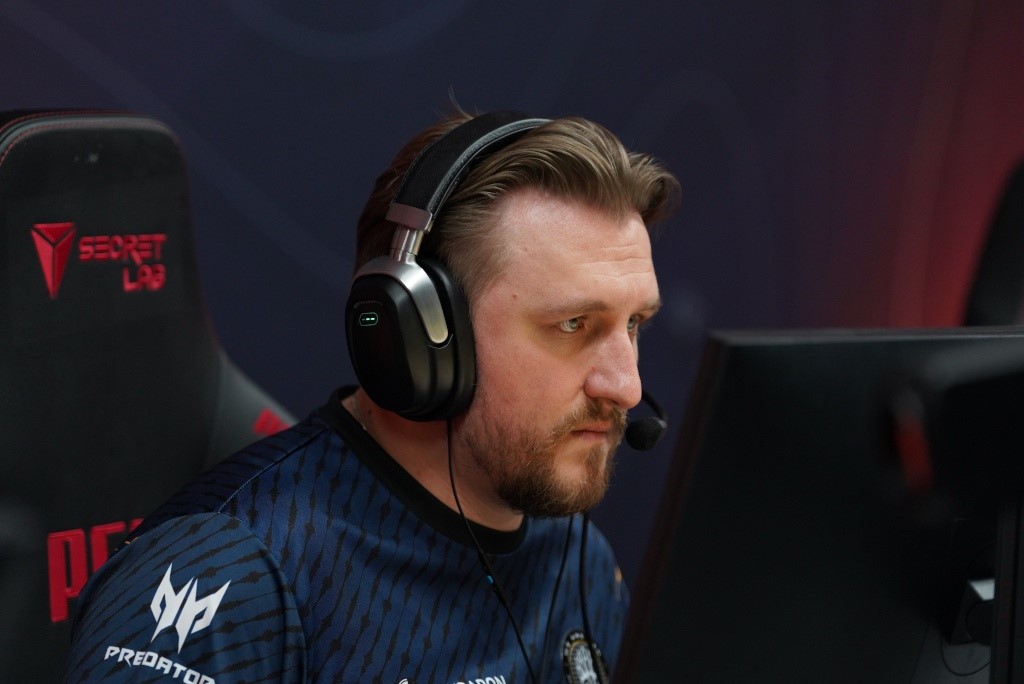
faveN adds mechanical ceiling and regional continuity. Once considered one of Germany’s most promising riflers, his return comes with incentives of both individual redemption and renewed domestic ambition. In a stable structure, his impact has room to grow. tiziaN, the new assistant coach contributes familiarity and discipline. Having previously thrived within BIG’s structured setups, he understands the organization’s tactical expectations, and more importantly, how to work with tabseN.
What This Version of BIG Is Trying to Build
BIG’s idea of success has been playing to their strengths. And in this year so far, it has been their defense. That is why, you will find maps like Ancient and Overpass at the top of the list of the maps they have played, and Inferno and Anubis at the bottom. Nuke and Dust2 are two exceptions, but that is also because of the same reason, that is playing to their strengths. In this case, it has been blameF.
blameF has not been historically good on Nuke in recent years, averaging just 1.02 in 2026, 1.06 in 2025 . While on Dust2, he has averaged 1.28 and 1.21 respectively. And he has been BIG’s top performer this year, with a rating of 1.30.
| Player | Maps | Rounds | K-D Diff | K/D | Rating 3.0 |
| blameF | 50 | 1081 | +276 | 1.46 | 1.30 |
| JDC | 50 | 1081 | +119 | 1.17 | 1.19 |
| gr1ks | 50 | 1081 | +230 | 1.40 | 1.16 |
| faveN | 44 | 953 | +109 | 1.19 | 1.15 |
| tabseN | 50 | 1081 | -7 | 0.99 | 1.00 |
So, to answer the question at hand, what BIG is trying to build is simple. They are trying to centralise around blameF, who is known to be heavy on firepower even with leading the team. And the idea has been to utilise blameF as much as they can, and not let him be passive. He has been engaging in duels a lot more compared to his previous tenures. In fact, the team has equally distributed the responsibility of finding openings. Each player on the team has around 20% attempts at opening on both CT and T sides.
How the VRS System Rewards Consistency and creates a clear Path Back to the Top
The Valve Regional Standings system has reshaped competitive Counter-Strike completely. Rankings are now built through a combination of five criterias: LAN Wins, Opponent Network, Bounty Offered, Bounty Collected, and Head to head. And one of the most telling aspects of this rebuild is BIG’s willingness to embrace Tier-Two competition. Lower-tier tournaments provide an ideal testing ground for new systems.
Now, even though BIG have only been playing lower tier LANs, their wins have still accumulated a fair amount of points under the LAN wins section. These lower-tier win contribute to measurable upward movement. Currently, BIG is ranked 20th in Europe with a total of 1406 points. Out of these 1406 points, they have collected 361 from LAN wins alone.
This amount of 361, while not by a great deal, is still more than the likes of Spirit, FaZe, and G2. So, even though they are restricted in getting points through Opponent Network, Bounty Offered/Collected, they are playing all the LANs they can get to gather VRS points. They are inches away from qualifying for the IEM Cologne 2026 Major, but even if they fail narrowly, their results so far will still set them up for more tier-1 competition in the second half of the season.
German Counter-Strike’s Future and BIG’s Role in Rebuilding Regional Relevance
German Counter-Strike has been on a decline lately. Across meaningful sample sizes, only a select group of players are producing consistently strong numbers, and most of them are on BIG. faveN holds a 1.17 rating with a +103 K-D differential, JDC also sits at 1.17 with +74, and prosus posts a 1.12 rating with +100. Their output shows that top-tier individual performance still exists within the system.
But beyond BIG’s immediate core, the number looks meager. There are a few players on M80: slaxz- stands out with a 1.12 rating over 56 maps while s1n sits at a 1.05 rating. Then tehre is AM’s kyuuubii who has logged 90 maps with a stable 1.06 rating. But it falls pretty fast. And for a region which has stayed at the very top for over 8 weeks, the talent seems scarce.
| Player | Rating 3.0 |
|---|---|
| JDC | 1.19 |
| faveN | 1.15 |
| prosus | 1.12 |
| slaxz- | 1.12 |
| pr1metapz | 1.06 |
| kyuubii | 1.05 |
| s1n | 1.05 |
| h4yanh | 1.04 |
| sheezy | 1.02 |
| tabseN | 1.00 |
| k1to | 1.00 |
| Krimbo | 0.96 |
| w1dow | 0.92 |
| spike | 0.87 |
| levantino | 0.85 |
| pxsl | 0.85 |
| statikS | 0.69 |
This context makes BIG’s rebuild more significant than a simple roster change. Sticking to their roots is important, but that limits the amount of talent you can get. While the German players on BIG may not, on individual merit alone, be able to return the team to the upper echelons, they have not been so obstinate as to ignore that reality. Realising their own weakness, they have sought international talents to reisntate the German organisation,which continues to cultivate young domestic prospects through its academy system. By getting blameF, who can potentially solve a number of their issues, and having gr1ks at disposal, BIG has the firepower they need to reach top 15 again.
The stats, the potential, show there is still a competitive core within German Counter-Strike. BIG’s project therefore carries weight beyond their own results. If they can align their strongest contributors into a cohesive, stable system, the ripple effects could extend beyond tournament placements and into the broader revival of German relevance on the international stage.


![CS2 Cache Callouts: Full Interactive Map [2026]](https://community.skin.club/wp-content/uploads/2026/03/Main-x-Name-3.jpg.webp)