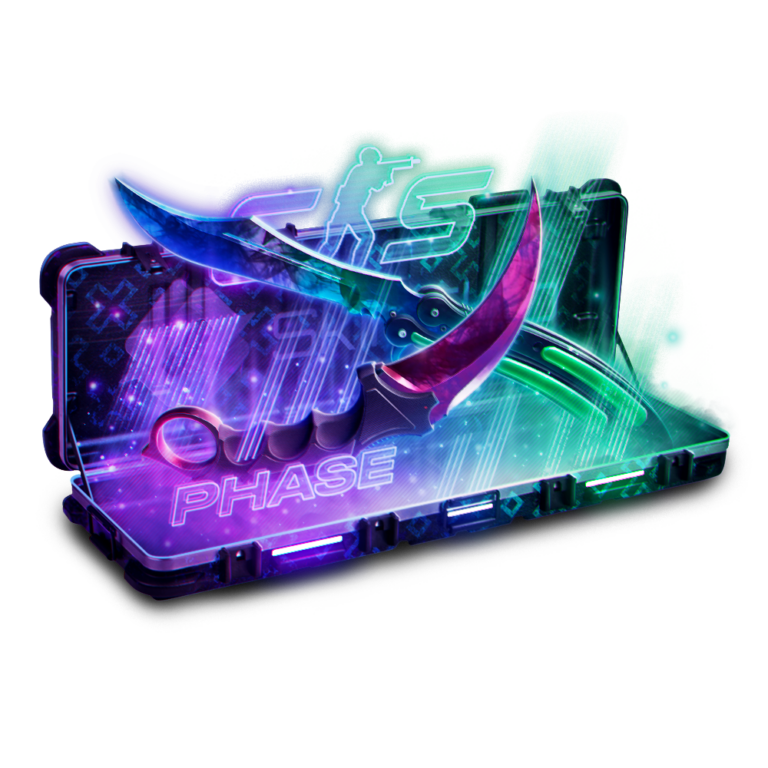

Brazil Ministry of Justice and Public Security has asked the National Data Protection Authority to prioritize monitoring Counter-Strike 2 and five other games over the availability of loot boxes to minors.
The request comes under the ECA Digital rules, which restrict access to paid random-reward systems for children and teenagers. The Ministry stressed that the preliminary review does not by itself establish that Valve or any other publisher has violated the law.

CS2 among six games selected for monitoring
Technical Note No. 55/2026 reviewed 15 popular games and franchises in Brazil and identified six titles where loot box functionality remains available without measures considered sufficient in the initial assessment.
The games selected for priority monitoring are:
- Counter-Strike 2
- NBA 2K26
- WWE 2K26
- Call of Duty
- Genshin Impact
- PUBG Mobile
The ANPD is being asked to verify whether the age-control systems used by these games effectively prevent children and teenagers from accessing paid random-reward mechanics.
The Ministry specifically noted that the review is preliminary and does not allow authorities to conclude that any listed publisher is already non-compliant.
Brazilian law does not ban CS2 cases for adults
Article 20 of ECA Digital restricts loot boxes in games aimed at children and teenagers or likely to be accessed by them.
Decree No. 12.880/2026 provides three ways for game providers to comply with the rule:
- Verify the age of users and block loot boxes for minors
- Offer a version of the game without loot boxes
- Disable the functionality by default for users in Brazil
The rules therefore do not require loot boxes to be removed for adult users.
The Ministry also states that an 18+ age rating, displaying probabilities or simply warning users about the mechanic is not enough on its own. Access by minors must actually be prevented.
Ministry compares loot box mechanics to gambling
The technical note reviewed international research into loot boxes and their possible effects on younger users.
According to the Ministry, studies have found associations between loot box purchases and problematic gambling behavior, psychological distress, impulsivity and financial harm.
However, the document also stresses that those associations alone do not establish a direct causal relationship with clinical disorders.
Brazilian authorities describe loot boxes as mechanics in which users pay money or purchased virtual currency for a random reward without knowing the content in advance.
For CS2, the next step is monitoring by the ANPD rather than an immediate restriction or sanction. The regulator will determine whether the current system meets the requirements introduced by ECA Digital.