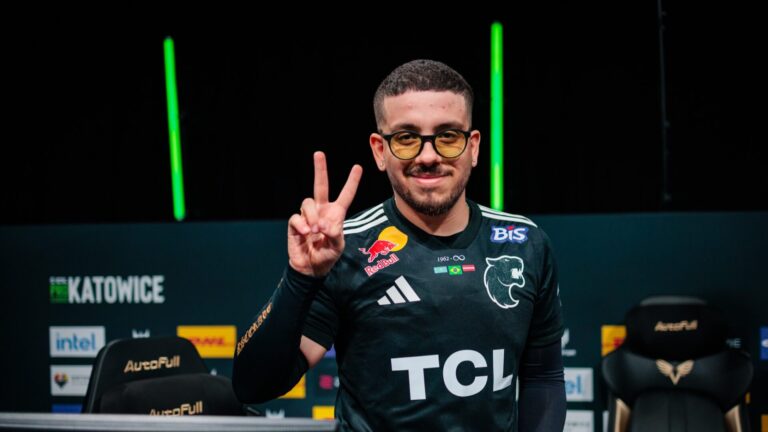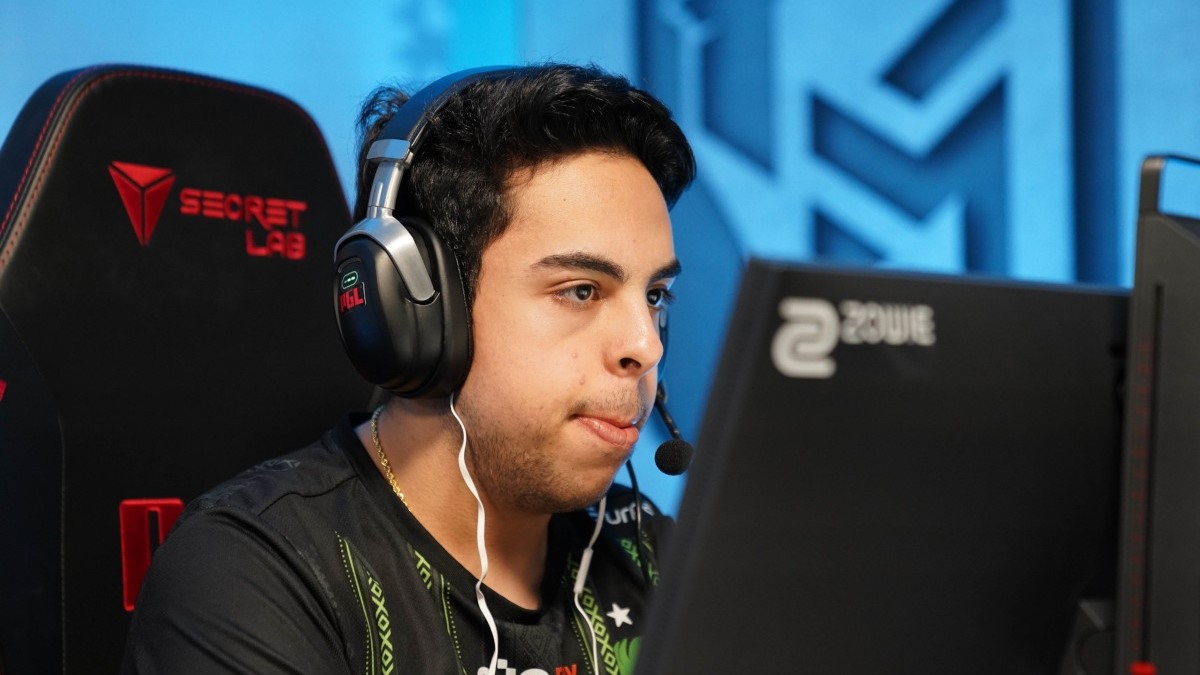

The story of Mohammad “BOROS” Malhas is not just about a player rising and falling in Counter-Strike. It is about how quickly perception can change in esports, where talent earns attention but consistency sustains respect. His journey moves through phases of promise, pressure, instability, and controversy, ultimately reshaping how the community sees him. What began as a dream backed by undeniable skill gradually turned into a cautionary tale, and eventually, into a meme repeated across forums and social media.
The rise of BOROS
BOROS emerged at a time when Counter-Strike was expanding beyond traditional European strongholds, allowing players from less represented regions to break into the spotlight. From the beginning, his playstyle set him apart. He was aggressive to a fault, relying heavily on instinct rather than structure. While many young players struggle to assert themselves in professional environments, BOROS did the opposite. He forced his presence into rounds, taking duels others would avoid and often winning them through sheer mechanical ability.
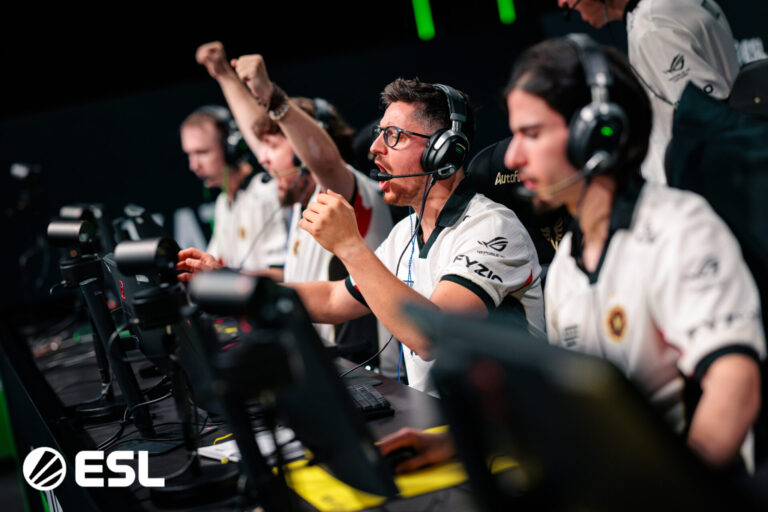

His time with Monte proved to be the foundation of his early reputation. During their run at the BLAST Paris Major 2023, BOROS was not just contributing but actively shaping the team’s identity. He played with a kind of fearlessness that made him unpredictable, and unpredictability is a powerful weapon in Counter-Strike. Analysts and fans alike began to see him as a player with elite potential, someone who could evolve into a top-tier rifler if given the right environment.
This period established the narrative that would follow him for years: BOROS as the “unpolished diamond.” It was a label that carried both praise and expectation. It suggested greatness, but also implied that refinement was necessary. At that stage, however, the focus remained on his upside. The flaws were visible, but they were easy to overlook when the highlights kept coming.
Joining Falcons and the weight of expectation
Joining Team Falcons marked a turning point in BOROS’s career. The move represented validation of his potential and a significant step into a more ambitious and resource-heavy environment. Falcons were building a roster designed to compete at the highest level, and BOROS was expected to be a central figure in that vision.
However, this transition exposed the gap between raw talent and professional consistency. While he continued to produce moments of brilliance, they became increasingly sporadic. His aggressive tendencies, which had once been his greatest strength, began to clash with the structured approach required in a top-tier team. Instead of controlled chaos, his play often resulted in unnecessary risks that put his team at a disadvantage.
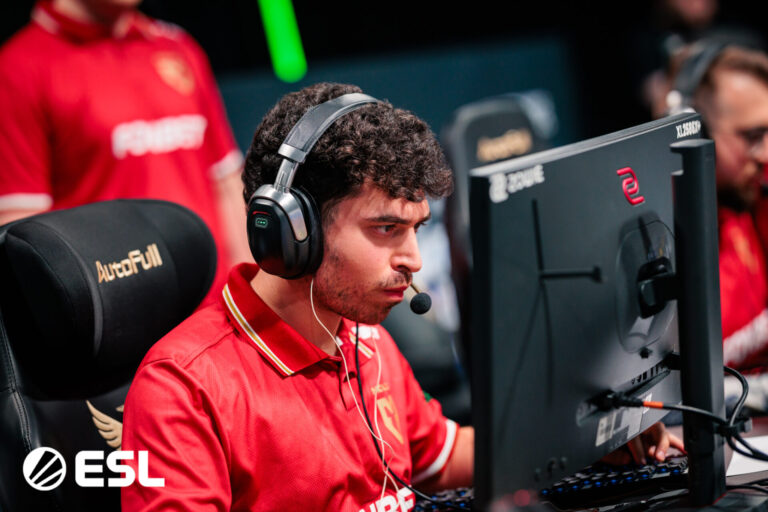
Concerns around decision-making became more visible during the Copenhagen Major RMR. In the middle of the qualifier, BOROS changed his mouse and in-game setup, a move that drew frustration from teammates and staff. In one of the videos Falcons released on Youtube, that frustration was clearly visible from the other players and coach zonic. The decision coincided with one of his weaker stretches of performance in a Falcons jersey, reinforcing internal doubts about his approach under pressure.
The pressure intensified as results failed to match expectations. Finishing short of that goal created internal and external scrutiny, and BOROS found himself at the center of criticism. The situation reached its breaking point when the team failed to qualify for the Copenhagen Major. In a project built on ambition, missing a Major was a defining failure.
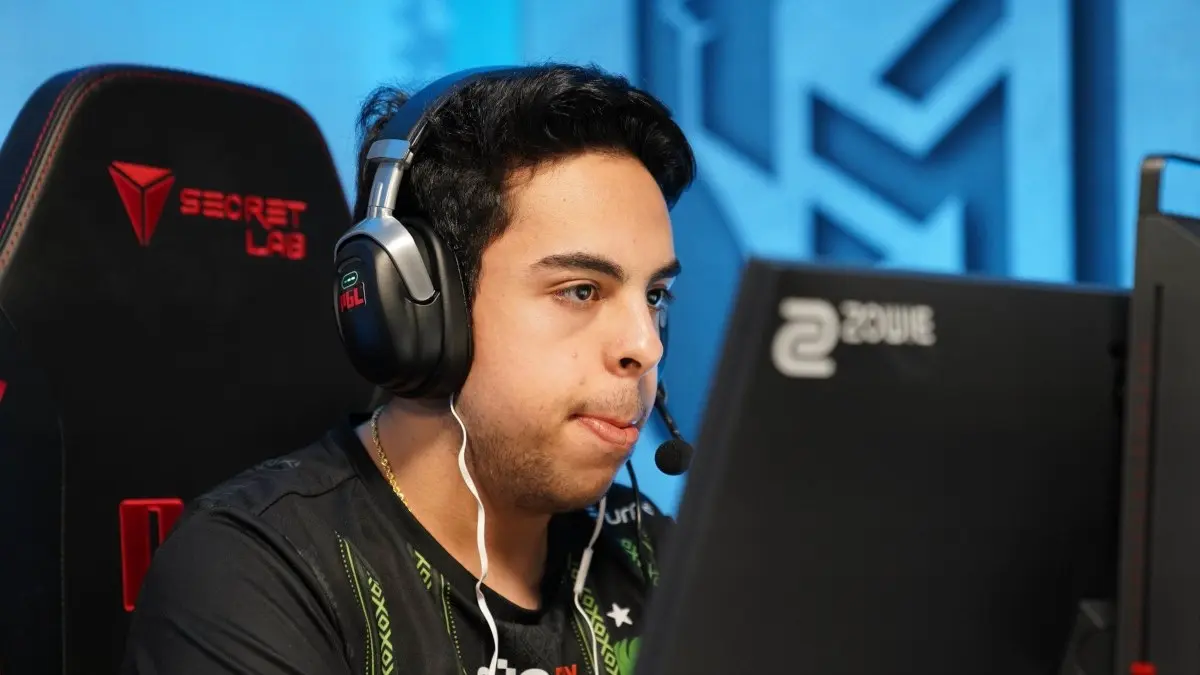
His benching came as a signal that the experiment had not worked. Reports suggesting that Falcons were willing to pay out part of his salary to facilitate his departure only reinforced the perception that the relationship had deteriorated beyond repair. In a short span of time, BOROS went from being a key inestment to a liability that needed to be offloaded.
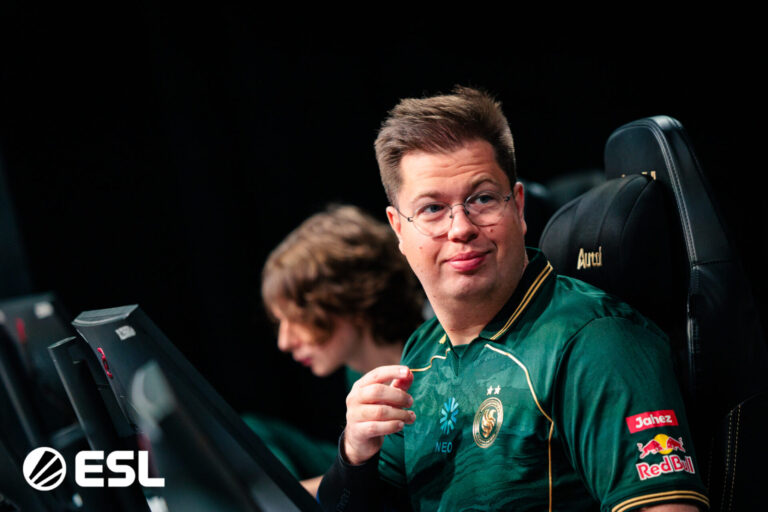
Instability in JiJieHao
After his departure from Falcons, BOROS struggled to establish continuity in his career. His next move was to Into The Breach, a team that offered a lower-pressure environment compared to his previous roster. On paper, it was a reasonable step for a player looking to rebuild form and confidence. However, the stint was short-lived and did not produce any notable results that could shift the trajectory of his career.
He later joined JiJieHao, an organization competing within the Asian Counter-Strike ecosystem. The move aligned with a broader trend of players exploring opportunities outside Europe, where competition is less saturated and roster pressure can be comparatively lower. For BOROS, it presented a chance to reset both competitively and mentally.
However, his time with JiJieHao became notable for reasons beyond performance. According to reports, BOROS chose to buy himself out of his own contract in order to enter free agency. Such decisions are uncommon and generally indicate either dissatisfaction with the current setup or a belief that better opportunities are available elsewhere. In this case, neither outcome materialized immediately.
Within a relatively short period, BOROS re-signed with JiJieHao following the departure of teammate ISSAA. This sequence of leaving by paying his own buyout, within the span of four months drew attention across the community and contributed to an already growing perception of instability in his career decisions.
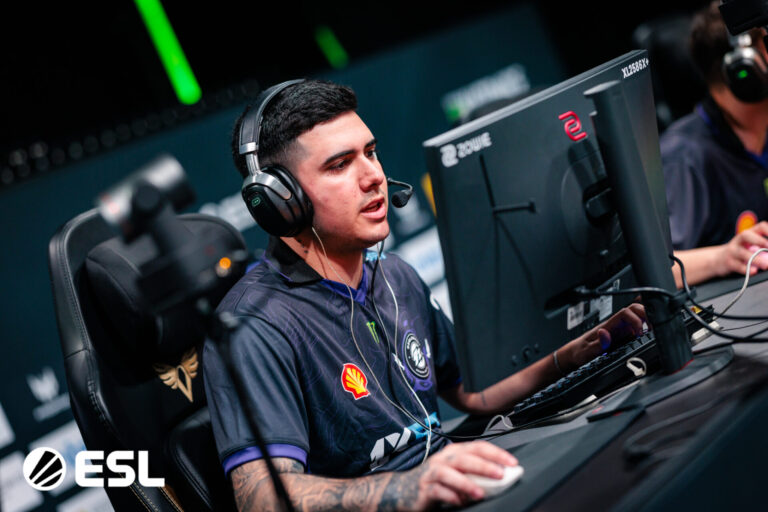
From a performance standpoint, his time during this phase did not significantly alter his standing within the professional scene. He continued to produce occasional high-impact rounds, particularly in opening duels, but these moments were not sustained across matches or tournaments. Teams operating at a competitive level require predictable output from key riflers, and BOROS was unable to provide that consistency.
As a result, discussions around him began to shift. Earlier narratives that focused on his potential were increasingly replaced by concerns about reliability, role fit, and long-term viability within structured rosters. And slowly, he had already started to become a meme.
Disciplinary Action against BOROS at Asian circuit
The most significant setback in this phase of BOROS’s career came last week, during his time in the Asian circuit. Reports confirmed that he was banned from the Hero Esports Asian Champions League 2026 following the use of racial slurs. The decision was made by tournament organizers and represented a formal disciplinary action.
This incident had a direct impact on his professional standing. While performance-related issues can often be addressed through roster changes or role adjustments, disciplinary actions tied to conduct carry broader implications. Organizations, particularly those operating in international environments, place increasing emphasis on professionalism and public behavior when evaluating players.
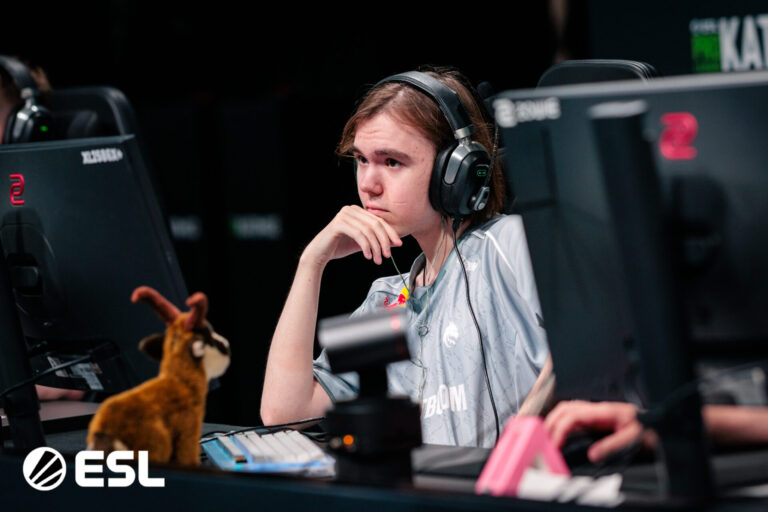
Racism videos were not the reason why BOROS was kicked from Alter Ego and banned from playing at ACL the reason was that, after that incident and the warning, he decided to repeat the joke in front of tournament admins, his former teammate Polbandana wrote about this at telegram
BOROS responded to the situation through public statements on social media, where he addressed the incident and attempted to provide his perspective. But with so many incidents now already happened involving him, the community became relentless this time.
Early in his career, mistakes were often framed as part of development, something that could be corrected with time and experience. But slowly, the benefit of the doubt started to disappear. Discussions around BOROS no longer centered on what he could become, but on patterns that seemed to repeat without resolution. They were cynical, often sarcastic, and increasingly dismissive, reflecting a player whose story had moved from promise to something the community now treated more as a recurring talking point than a developing career.
Current Position and Future Outlook
Despite still being active, BOROS is effectively out of the conversation when it comes to top-tier Counter-Strike. Even though he is only of an age oft 22, he has finished his career by his own actions. BOROS had that window of development, but he has consistently failed to capitalize on it. And the funny thing is that the issue is not a lack of skill, it is a repeated pattern of inconsistency, questionable decisions, and off-server problems that teams at the top simply do not tolerate anymore.
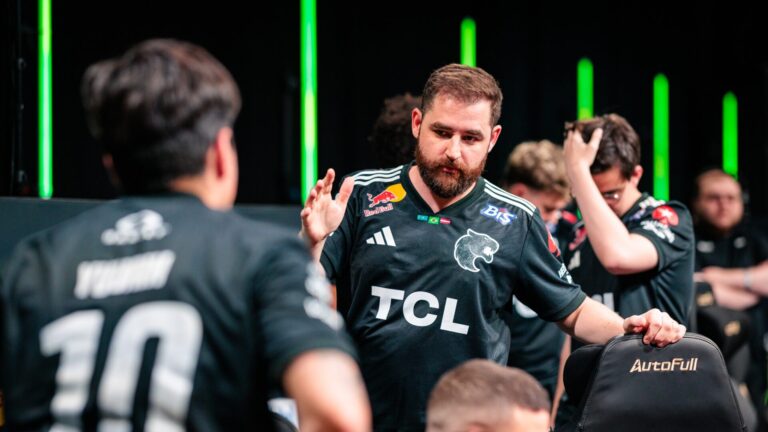
BOROS: Career Timeline
- 2023: Breaks out with Monte, strong showing at BLAST Paris Major
- Late 2023: Joins Team Falcons
- Early 2024: Inconsistent performances; struggles at Major RMR (mouse change incident)
- 2024: Benched and exits Falcons
- 2024: Short stint with Into The Breach
- Late 2024: Joins JiJieHao
- 2025: Buys himself out, then re-joins JiJieHao
- 2026: Moves to lower teams like Alter Ego
- 2026: Banned from Hero Asian Champions League (racial slur incident)
The off-server issues only reinforce that reality. In modern esports, reputation matters as much as performance, and BOROS has damaged both. When teams evaluate players, they are not just looking at aim or highlight clips. They are looking at risk. Right now, BOROS represents more risk than reward.
At this stage, the conversation is no longer about a comeback to Tier 1. It is about whether he can remain relevant at all. The gap between him and top competition has widened, and the scene has moved on. New talent has replaced the space he once occupied, and organizations have better, safer options. The raw ability is still there, but it no longer matters. In Counter-Strike, potential has an expiry date, and BOROS has long passed it.