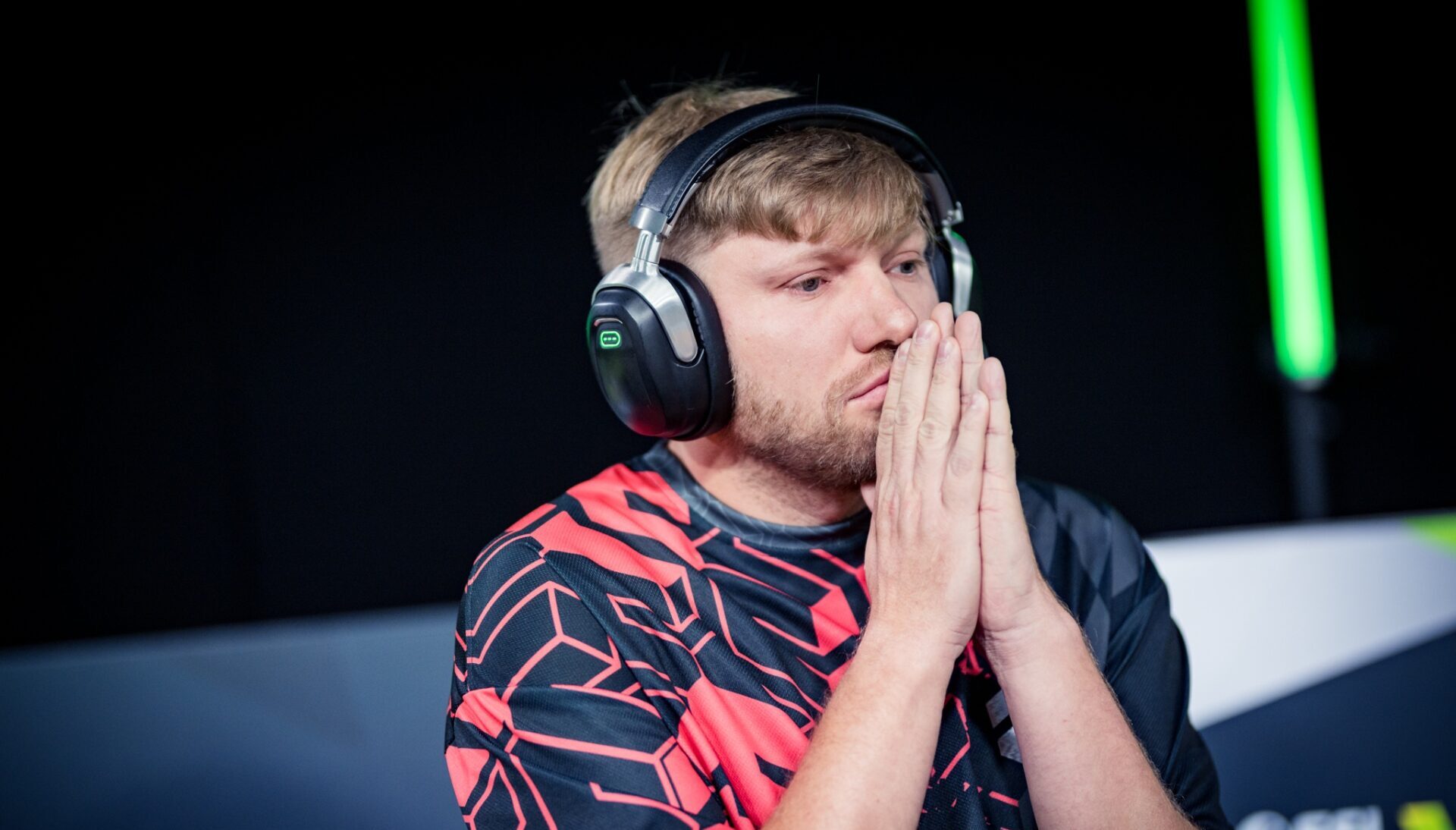

Coach Mykhailo “Kane” Blagin has published a detailed breakdown of NAVI’s Counter-Strike 2 situation, arguing the organization needs changes despite a strong overall finish at the Esports World Cup. His comments raise pointed questions about roster decisions, aging talent, and the direction of the team under captain B1ad3.
Kane opened by praising NAVI’s fourth-place finish in the EWC overall standings, calling it “a genuinely impressive result” since NAVI remains the only top-level multi-gaming organization also fielding a competitive CS2 roster. From there, however, his focus turned entirely to problems within the Counter-Strike lineup itself.
The Dawy Transfer And iM’s Role
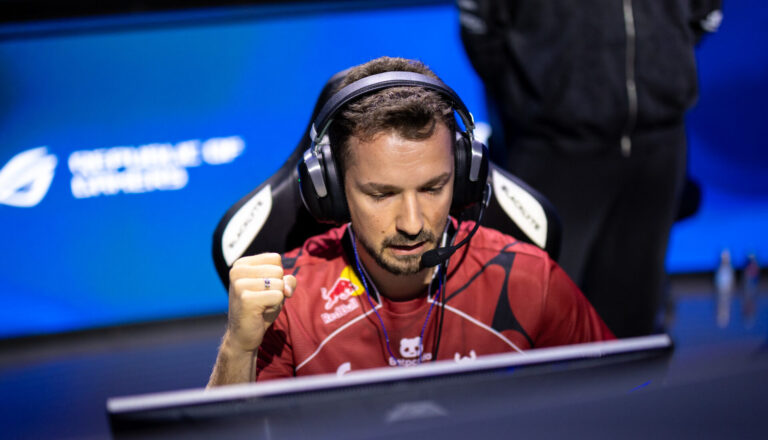
Kane examined the decision to sign Dawy instead of pursuing a more expensive alternative, pointing out that makazze already covered a similar role for free as a product of NAVI’s own academy, which made the cheaper choice financially logical. At the same time, he flagged concerns about iM, a 27-year-old player he describes as “very smart and experienced” but who is increasingly struggling to keep pace mechanically with younger, hungrier riflers like Dawy.
According to Kane, NAVI now faces a choice: gradually shift iM toward an in-game leader role that leans on his game sense and gives him more passive positions, or accept that he will keep losing individual duels to the new generation. He was careful to note this isn’t about blaming iM for all of NAVI’s issues, but about how the team plans to use him going forward, since in his view iM has already passed his individual peak from 2023–2024.
Kane also suggested NAVI may have originally viewed Dawy as a potential upgrade specifically for iM’s role, not just competition for makazze. As he put it:
It seems B1ad3 valued the Romanian mainly because he created a lot of space for team strategies — and it looks like he kept believing for too long in a solution that once worked but eventually became the problem itself.
Sale Of The Academy Roster
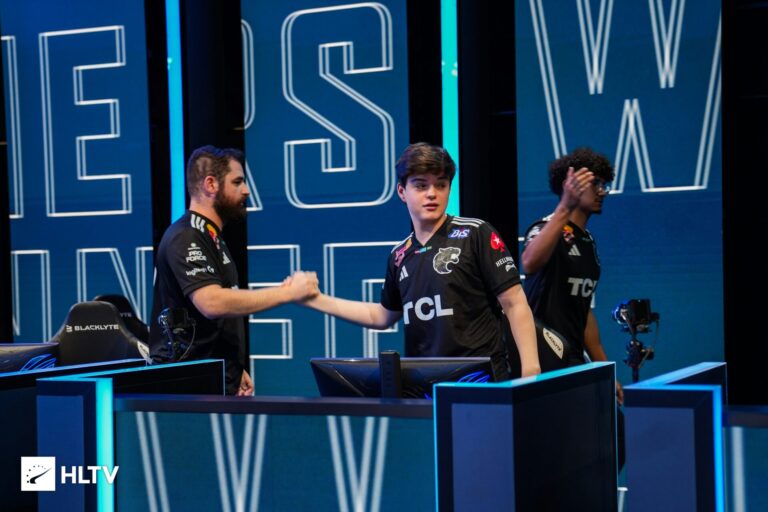
Kane also addressed the sale of NAVI’s academy lineup, FUT, which he had hoped signaled the organization freeing up resources to strengthen its main CS2 team. He tied this to the club’s identity, noting that Natus Vincere translates to “born to win,” and argued that the entire purpose of such a roster is to compete for trophies at any tournament. He wrote:
Without strong and, more importantly, timely investments, at some point this simply stops being possible.

NAVI Versus Spirit Since 2024
Kane compared NAVI’s trajectory since 2024 to that of Team Spirit. Both organizations were considered the two strongest CS2 teams that year, and both won a Major, though NAVI ultimately claimed the Team of the Year title. Since then, Spirit changed captains, tested different lineups, paid a large fee for tN1R once the opportunity arose, and brought in an academy coach who had already proven successful developing young talent. Spirit’s systematic rebuilding, Kane says, restored their status as the world’s strongest team roughly a year and a half later — something he hopes is only temporary.
NAVI, by contrast, made essentially one change in that same span: replacing jL with makazze, a move Kane suspects may have even been forced rather than planned. He acknowledged NAVI picked up three tournament wins during this period, at IEM Atlanta, ESL Pro League 23, and StarLadder Fall 2025, but argued each of these events lacked significant top-10 world-ranked opposition, meaning the wins masked rather than reflected NAVI’s real standing against elite competition.
Criticism Of The Map Pool Strategy
Kane extended the same critique to NAVI’s current approach under B1ad3, who he says is trying to solve a lack of firepower and mental issues by expanding the team’s map pool. As he wrote:
It’s hard for me to understand how a seventh map is supposed to solve those two problems. Here I see the same logic as with iM: instead of dealing with the root cause, the team once again chooses a solution that lets it avoid admitting that something fundamental has stopped working.
Concerns For Ukrainian Esports
Beyond trophy counts, Kane raised a concern he considers even more significant: NAVI’s status as the aspirational destination for young Ukrainian talent. He recalled that the career path for a promising Ukrainian player used to be obvious — improve, get stronger, and eventually join NAVI. Watching promising Ukrainians increasingly build careers with other teams over the past two years, he says he is no longer certain that dream holds the same weight it once did.
Kane closed on an optimistic note, saying NAVI still has plenty of tournaments ahead and enough opportunities to prove his concerns wrong, something he says he would genuinely welcome, since he still hopes to see NAVI as the strongest team in the world again.