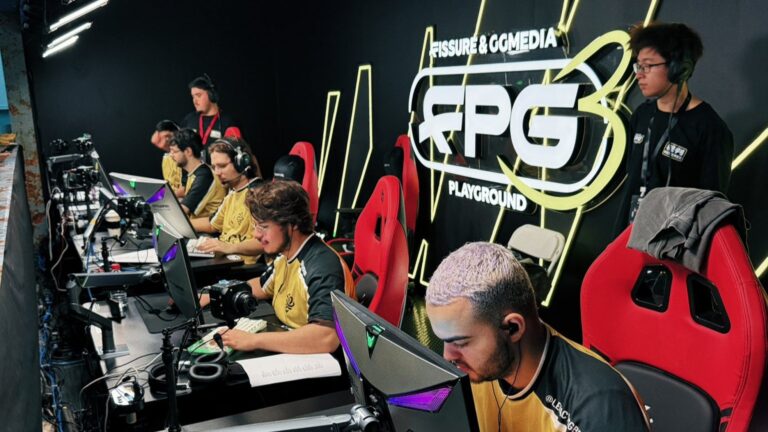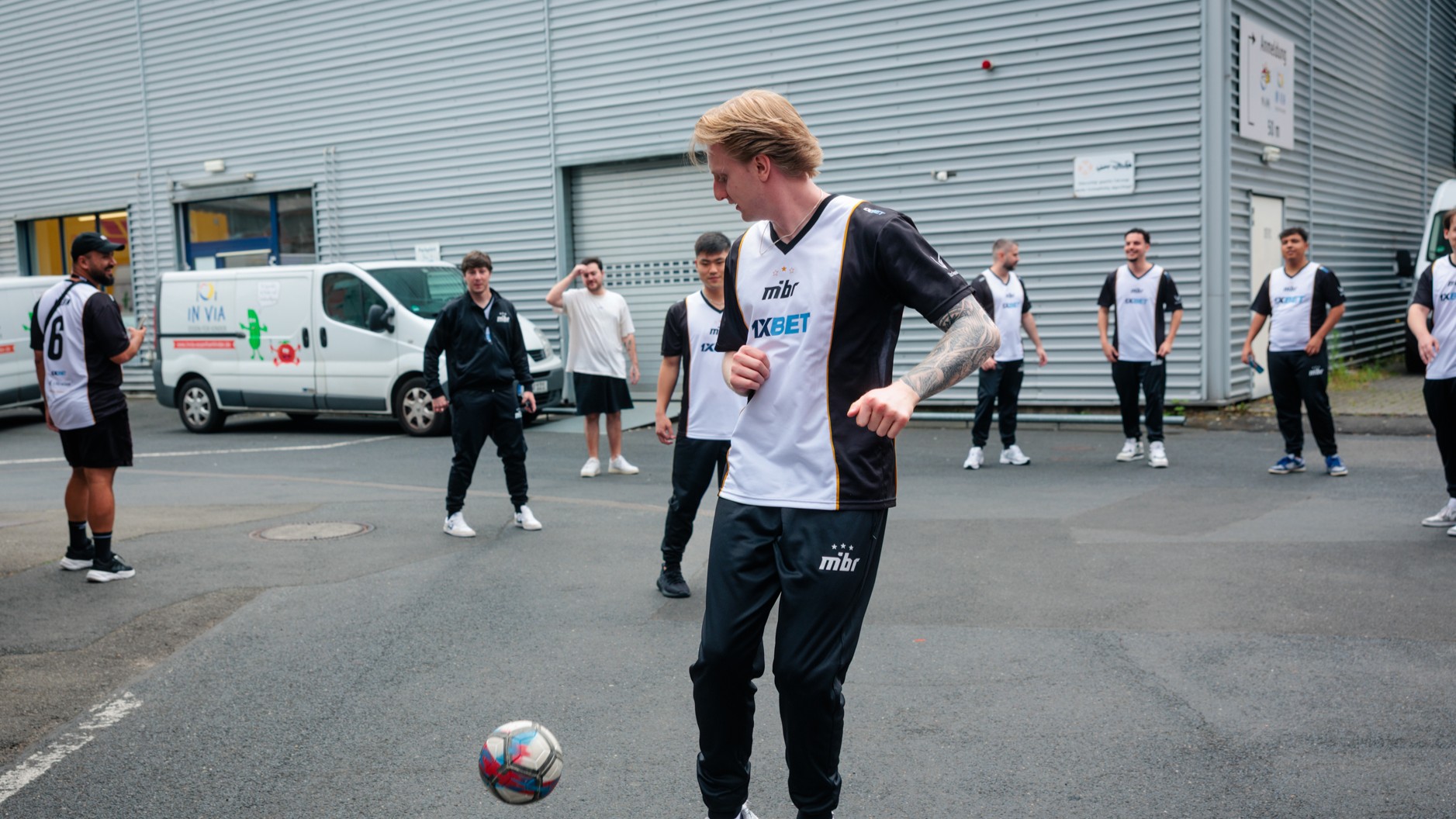
MIBR ended their run at FISSURE Playground 3 after a painful 1:2 semi-final loss to Legacy. Linus “LNZ” Holtäng believes that the team came closer to beating their principal opponent, but a lack of experience in matches of this level and problems converting advantages once again became decisive.
MIBR lacked experience in decisive moments
Inferno turned out to be especially painful, where MIBR had an advantage but allowed Legacy to get back into the game. The map went to overtime, and in the final round the team lost a 5v2 situation, which ultimately closed the series.
I think we still lack experience in big matches of this level. This was the first semi-final for this roster, and maybe today none of us individually showed the level we usually demonstrate.
According to LNZ, the difference at the end of the series came down precisely to details. Legacy converted difficult shots better and made fewer mistakes, while MIBR could not turn their own opportunities into victory.
An advantage at the start of rounds does not always bring results
Earlier, LNZ had already emphasized that MIBR do not want to depend on perfect matches from insani or kl1m. Against Legacy, this problem partly appeared again: even when the team got opening frags and created a man advantage, not every such round ended in victory.
With tomaszin, who is still new to the team, and because we have not played that much with nqz, it is still difficult for us to play such situations perfectly. But I think we are moving in the right direction. We just need to go through trial and error and learn from it.
In other words, the problem no longer comes down only to individual form. MIBR need to improve their collective reactions after gaining an advantage — who takes which position, when the team slows the game down, and how it minimizes the risk of giving the opponent a chance to return to the round.
tomaszin is still adapting
The new MIBR roster had only about a week of practice together with tomaszin before the tournament. Against this background, reaching the semi-final can already be considered a positive result, but LNZ admits that the team is still far from automatic execution in many situations.
It is not so much that we did not have enough time to prepare. We have simply not played much with this roster yet and need to learn better how to act together and understand how to react in different situations.
This is especially noticeable in chaotic mid-rounds, where a standard plan is no longer enough. It is exactly there that mutual understanding is formed only through a large number of official matches and practices, so MIBR’s current mistakes partly look like a natural stage in the development of a new roster.

Legacy remain a very uncomfortable opponent
This was already the seventh meeting between MIBR and Legacy during the year, although the Brazilian team’s roster changed during that time. LNZ described the opponent as an unpredictable team that can pull out practically any round thanks to strong individual players.
They are a bit like a joker. They can pull out any round at any moment, it is always very difficult to play against them, and they have strong individual players. You cannot always read them.
This unpredictability once again played a role in the decisive moments. Even when MIBR had a good scenario, Legacy remained dangerous until the very end of the round, and the final 2v5 situation became the clearest example.
MIBR were closer to victory than before
Despite the loss, LNZ also saw positives. According to him, this time MIBR felt closer to beating Legacy than in previous meetings, and the changes in their approach to the series really did produce results.
Today we were probably closer to beating them than ever before. We approached our game plan a little differently, and I think it worked. But in the end, we still did not convert all the situations.
That final part is now the main barrier for MIBR. The team can already build the right plan and create favorable conditions for themselves, but the next step is to learn how to consistently close such matches, especially when the pressure is at its highest.
The first semi-final became important experience
For the new MIBR roster, FISSURE Playground 3 still became a noticeable step forward. The team reached the semi-final for the first time in its current configuration and forced Legacy to go through a full series before falling short in an extremely close ending.
Now the main task is to turn this experience into progress. LNZ has already identified the key problems: the interaction of the new roster, converting man advantages, and composure in big matches. If MIBR can improve exactly these components, the next similar semi-final may end very differently.