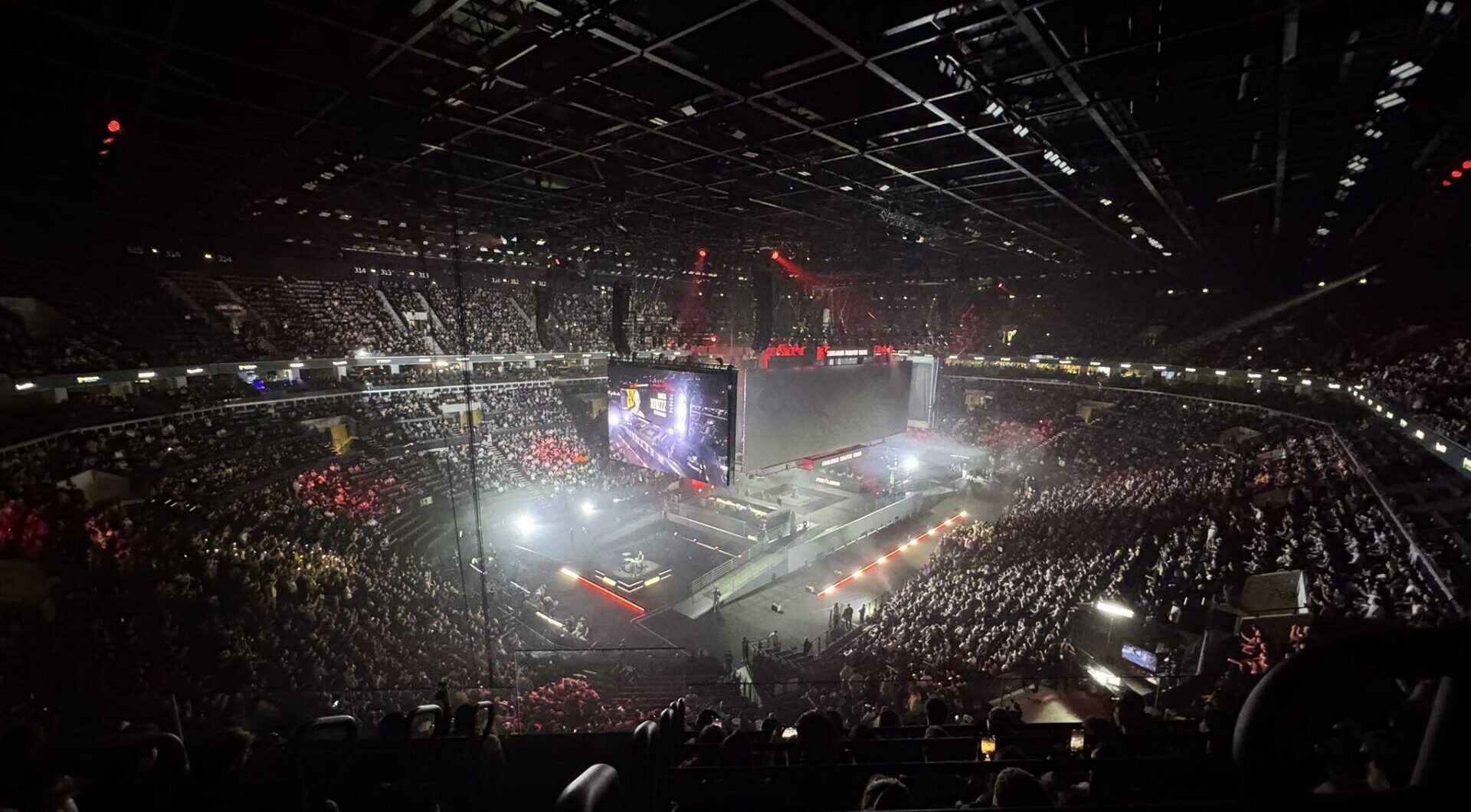

After the conclusion of the StarLadder Budapest Major, the community was left with many mixed evaluations of the tournament — from technical remarks to debates about production quality. Against this backdrop, 🇪🇺 G2 manager peca made a public statement that sharply contrasts with some of the critical narratives.
In his post, peca stated directly that StarLadder did an excellent job, emphasizing that he was speaking exclusively from the team’s perspective — players and back-office staff.
An inside look: conditions, organization, and team support
According to the G2 manager, the key fundamentals that directly affect a team’s performance were handled at a high level:
Hospitality, hotel, location, spacious practice rooms, PCs, and equipment were all top-notch.
Peca stressed that logistics, accommodation, practice facilities, and technical setup met top-tier standards — without the delays and chaos that often accompany large events.
A medical incident as a stress test for the support system
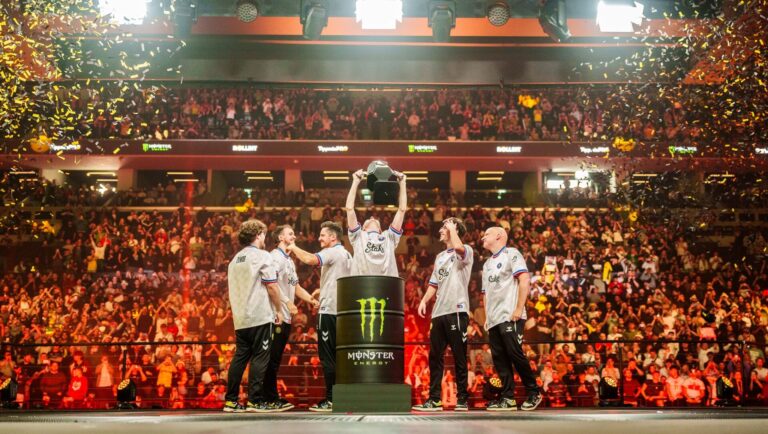
The manager placed special emphasis on a situation that became a serious test for the organizers. During the tournament, one of the G2 players faced a medical emergency at the worst possible moment.
A Hungarian-speaking player manager volunteered to help, assisted in bringing a medic to the hotel, and later accompanied our staff member and player to the hospital after work hours.
According to peca, the tournament manager was not obligated to stay after working hours, yet accompanied the team until four in the morning, waited until the player received full treatment, and was ready to work on stage again the next day.
He did not have to, but he stayed until the very end.
What tournament operators often forget
In his post, peca more broadly addressed the issue of priorities in modern CS esports. He directly stated that tournaments exist first and foremost for the players, not for flashy stories or marketing activations.
This should be a standard in our ecosystem… TOs and PlaMas tend to forget that it all starts and ends with the players.
According to him, content, narratives, and brand activations matter, but they cannot be more important than the comfort and safety of people who spend 250+ days a year away from home.
Now that the Major is behind us, it's time for an unpopular opinion: StarLadder did a great job.
I am speaking purely from our perspective as a team, involving players and backroom staff. Hospitality, hotel, location, spaceous practice rooms, PCs, and equipment were all…
— G2 Peca (@pecagg) December 15, 2025
Communication and the work of the StarLadder staff
The G2 manager also highlighted the speed and quality of communication during the tournament:
Every single issue we had in Budapest… was answered within minutes.
Minor technical issues after arrival were resolved immediately, media day was quick and not overloaded, and there was a sufficient number of staff on site — both senior and junior specialists.
Everyone was willing to help and take responsibility.
Comparison with previous Majors
The concluding comparison is particularly telling. Peca noted that the last StarLadder event he attended was during the Berlin Major, and that he traveled to Budapest without inflated expectations.
I can honestly say that the Budapest experience was among the better ones compared to the last few Majors we have attended.
How should the support system work?
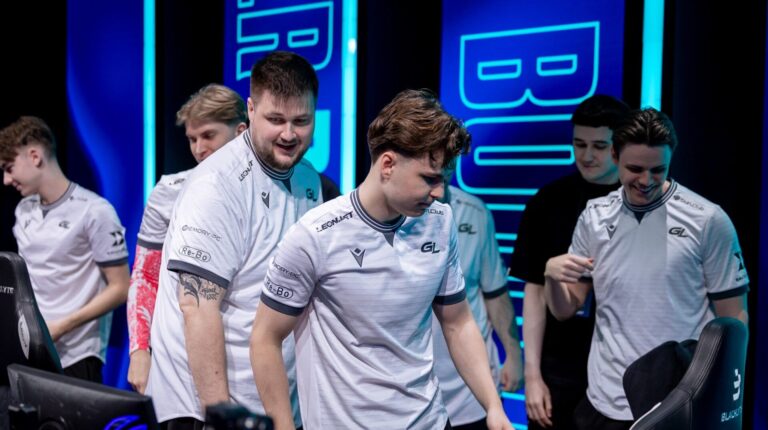
Against the backdrop of public criticism, which is often shaped by broadcast issues or isolated incidents, the G2 manager’s position adds important balance to the discussion. It shows that from the teams’ internal perspective, the Budapest Major became an example of how a player support system should function.
Whether this will outweigh the negative narratives surrounding production remains an open question. But one thing is clear: for those who stepped onto the server and prepared for matches, StarLadder managed to provide what should be a baseline standard in CS esports.