The CS community has once again raised the topic of how deeply Counter-Strike is integrated into Danish culture. The discussion was sparked by a user who moved to the country three years ago and is still surprised that CS there is perceived not simply as a game, but as a full-fledged part of the sporting and working environment.
The main idea of the discussion is simple: in Denmark, Counter-Strike has long gone beyond ordinary esports. It is known in schools, offices, bars, and families, while the path toward a professional career in CS looks much more normalized there than in many other countries.
CS in Denmark is not just a game
The author of the discussion described Denmark as a country where Counter-Strike is visible literally at different levels of life: from corporate tournaments to family leisure. He was especially surprised that even in the workplace, the game is not seen as something strange or childish.
Nammmu9:
To put it briefly, I moved to Denmark three years ago for work at a shipping company, and it is still crazy to me how big CS is here.
According to the author, many people in Denmark know Astralis, a professional career in CS is perceived roughly like a career in traditional sports, and schools even have specialized classes connected with teamplay, management, and preparation.
Nammmu9:
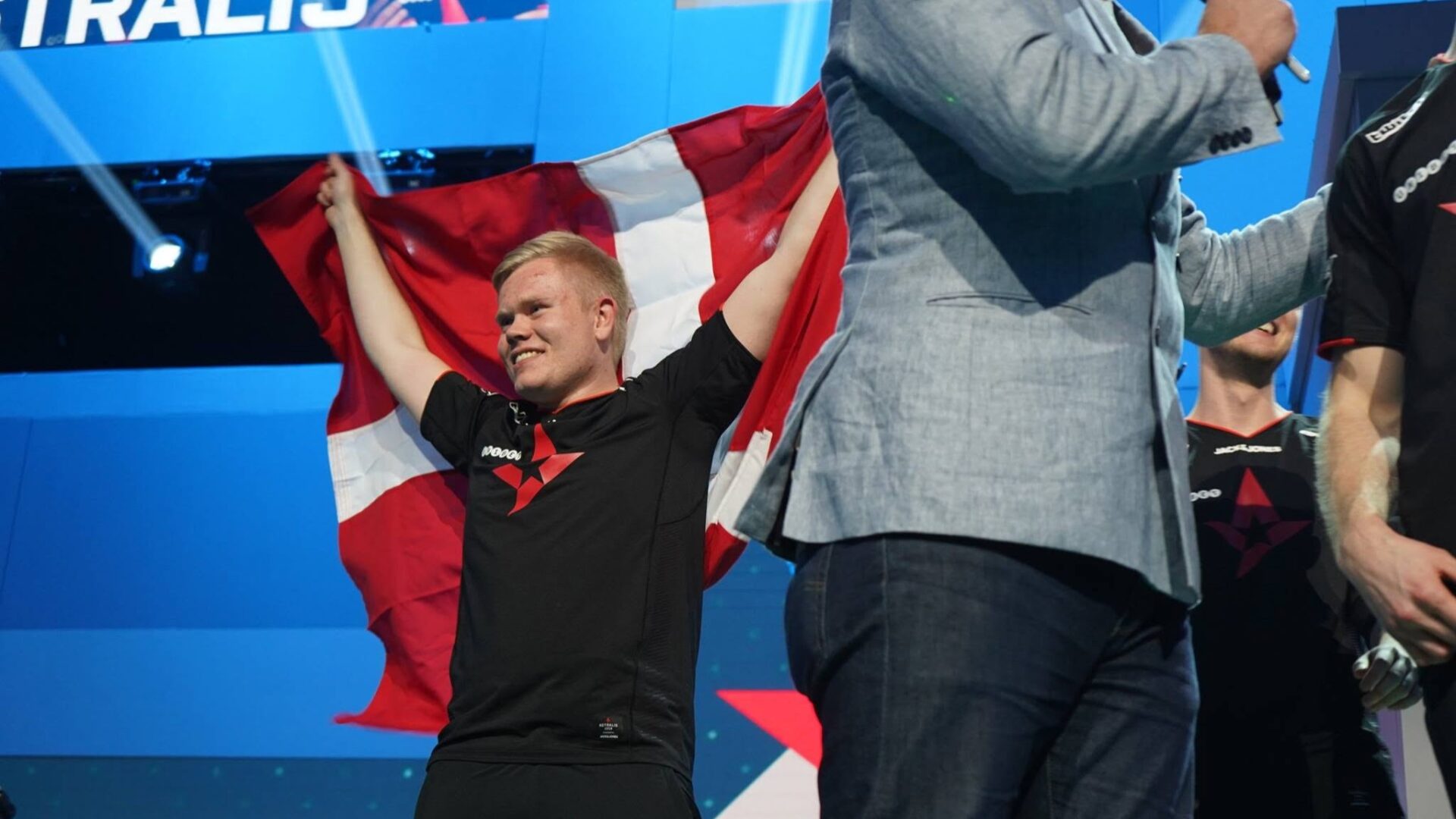
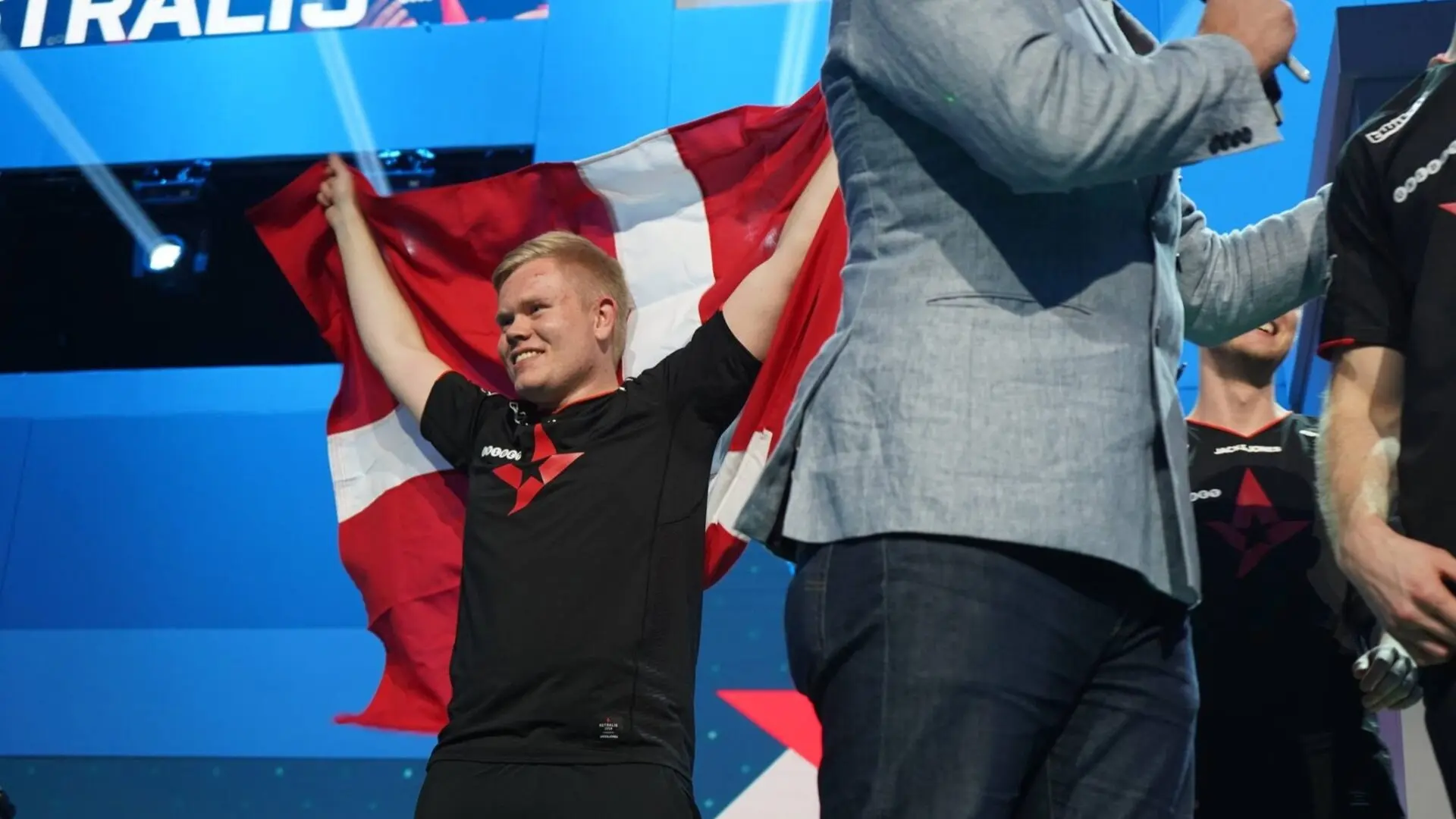
Everyone knows Astralis.
Going pro in CS is somehow more or less the same as going pro in any other sport.
You can learn CS in specialized school classes, including management, teamplay, and so on.
This kind of normalization is what separates Denmark from many other regions. CS there does not look like a narrow hobby for a small group of fans. It exists as part of a broader culture, where becoming a professional player can be an understandable and acceptable career model.

Corporate culture also supports CS
The author also separately pointed to the workplace. According to him, his company holds internal after-work tournaments, and the level of the participants turned out to be unexpectedly high. This is not simply “a couple of people logging in after the office to play,” but a full-fledged activity that colleagues also watch.
Nammmu9:
The place where I work has an after-work CS tournament series for fun. There are a lot of level 10 players, which shocked me, and a lot of people watch it in-house.
The company also had a booth at the Major in Denmark where employees could sign up to watch matches. According to the author, the spots were always full.
Nammmu9:
The place where I work had a booth at the Major in Denmark where you could sign up to watch games. It was always full.
This clearly shows why the Danish scene looks so stable. When the game is present not only in the online community, but also in companies, schools, and public spaces, it gets a much broader base for development.
Astralis: the reason for the boom or just a symbol?
A question quickly appeared in the discussion: was CS always big in Denmark, or was it Astralis who made it mainstream? Opinions were split here, but most comments agreed that Astralis did not create the popularity from scratch, but rather took it to a new level.
27roninn:
Was CS always that big in Denmark, or did Astralis cause the CS scene to boom there?
To this, the author of the discussion replied that CS had been popular even before the Astralis era, but it was the success of the legendary roster that helped bring the game into the broader mainstream and make it more accepted as a sport.
Nammmu9:
My colleague said that it was “big” in the 2000s, but Astralis brought it into the mainstream and made it accepted as a sport.
Other participants in the discussion added to this idea. Part of the community believes that Counter-Strike was the dominant esport in Denmark even before the word “esports” became widely used.
GreedoShotFirst2000:
CS was always the biggest esport in Denmark, before it was even called esports. It was the most played game at every LAN event in 2000 and was even big when it was still in beta in 1999.
That is why Astralis in this story look not like the root cause, but like a catalyst. They gave the country a global symbol around which the already existing Counter-Strike culture became visible to a wider audience.
In Denmark, CS is passed between generations
Another interesting detail is the family aspect. The author directly noted that his colleagues play CS with their children, and the general impression is that almost all children in Denmark are at least familiar with the game.
Nammmu9:
My colleagues play CS with their kids.
It feels like all the kids growing up here play CS.
This is more important than it may seem at first glance. In many countries, esports is still perceived as something separate from “normal” sports or adult life. In Denmark, CS already has continuity: older generations do not simply know the game, but can play it together with younger ones.
This kind of foundation explains why Denmark consistently gives the scene strong players, coaches, captains, and analysts. If the game is part of the environment from childhood, the chance of new talents appearing is much higher.
Comparison with other countries
The discussion then moved on to comparisons with other regions. Participants saw the biggest contrast with Italy, where, according to several commenters, CS has almost no similar status.
FranciManty:
Italy is the complete opposite: nobody plays CS. Even among the few games that are played more than usual, mostly R6 and FIFA, the pro scene is not winning much internationally. The concept of a pro player in a video game disgusts the average Italian.
Other users supported this idea, emphasizing that meeting an Italian CS player in matchmaking or on FACEIT is almost a rarity for them.
JandsomeHam:
I have 2.7k hours in CS, and I do not remember meeting an Italian.
AdAggravating7738:
I have seen maybe three or four Italians in five years on FACEIT. It is crazy. I have seen more players from the Faroe Islands than from Italy.
This contrast clearly highlights the main topic of the discussion: CS popularity does not depend only on the size of a country or internet access. Cultural acceptance, history, local heroes, LAN traditions, and how ready society is to take esports seriously also matter.

Germany was also mentioned as an example of a different approach
A separate part of the discussion touched on Germany. There, some participants described a completely different attitude toward shooters and technology in general. In this comparison, Denmark again looked like a much more favorable environment for CS.
SMYYYLE:
Meanwhile, in Germany, the government does not even know how a PC works. And if you play shooter video games, you are most likely a terrorist or a danger to the rest of the population.
This quote, of course, sounds sharp and emotional, but it clearly conveys the tone of the discussion. For some European players, Denmark looks almost like an exception: a country where CS does not constantly need to justify itself to society.
Why Denmark became so strong in CS
The entire discussion creates a fairly clear picture. Denmark has several factors working in Counter-Strike’s favor at once: a long LAN culture, strong historic teams, the public success of Astralis, the normalization of esports in society, support in education, and the presence of the game even in corporate environments.
Wimc:
No, man. Every kid in Denmark has tried CS. Even before Astralis was TSM.
That is exactly what makes the country special for CS. In Denmark, the game does not rely only on one generation of fans or one successful roster. It has become part of a broader gaming culture that existed before Astralis and continues to work after the peak of their era.
Denmark remains one of the main Counter-Strike countries
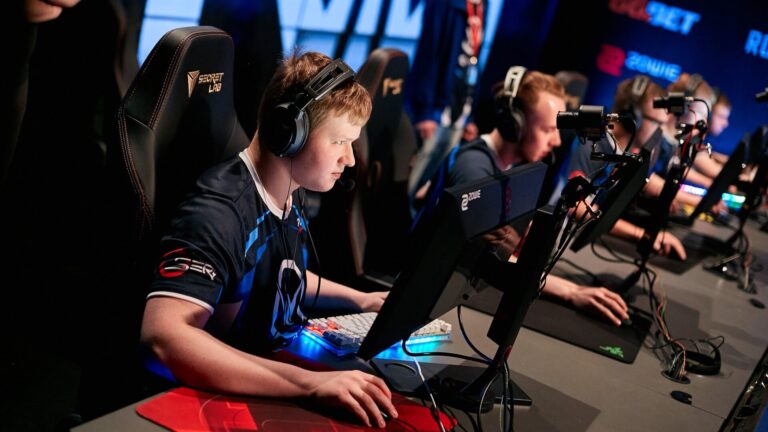
The main conclusion from the discussion is simple: Denmark is one of the few countries where Counter-Strike truly has the status of a mass esports phenomenon. People there know it, watch it, play it in offices, discuss it in families, and take it much more seriously than in many other regions.
That is why the Danish scene has remained important for global CS for so long. It is built not only on individual stars, but on a culture that has been growing players, teams, and fans for decades. And judging by the community’s reaction, Denmark still looks like an almost unique example of a country where Counter-Strike has become much more than just a game.