When Team Liquid completed the Intel Grand Slam in 2019, they didn’t just become the best team in North America – they briefly became the best team in the world.Nick “nitr0” Cannella, Jonathan “EliGE” Jablonowski, Keith “NAF” Markovic, Russel “Twistzz” Van Dulken and Jake “Stewie2K” Yip completed the Intel Grand Slam in a record breaking 63 days. The lineup has since become the benchmark for North American Counter-Strike. And ever since it broke apart, Liquid has been searching for a team that could achieve anything remotely close to those glory days.
Since 2019, Team Liquid has repeatedly recruited players with Major championships, HLTV Top 20 appearances, elite leadership credentials and world-class mechanical ability. Every rebuild arrived with optimism. Every roster addressed a perceived weakness. Every move made sense on paper. And every project ultimately led back to the same dark place: another disappointing reset. Personally, that’s what makes Liquid’s history so fascinating. Rather than a series of obvious mistakes, we have witnessed a series of logical decisions that somehow never produced logical results.
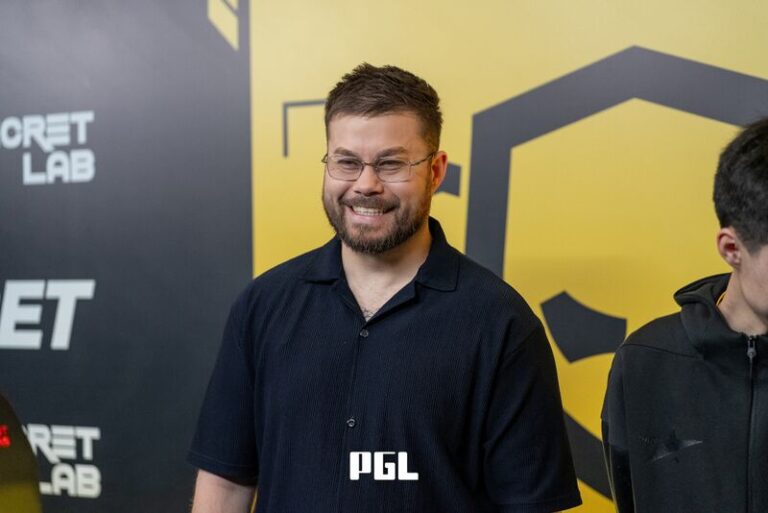

The first major attempt to usher in newfound success came in 2021 with the arrival of FalleN. Few players have entered the organization with a stronger résumé. FalleN was already a two-time Major champion, one of the greatest in-game leaders the game had ever seen and among the most influential AWPers of the CS era. His leadership had transformed Luminosity and SK Gaming into a dynasty, making him one of the most respected figures in professional Counter-Strike and a God amongst men in Brazil.
Liquid was investing in his championship experience, structure and leadership. Qualities that many believed could stabilize a roster trying to move on from its greatest-ever lineup. Instead, the team struggled to establish a consistent identity. Individual performances fluctuated and the cohesion that had defined the Grand Slam roster never truly emerged. While there were moments of promise, Liquid never developed into the title contender many had envisioned.
It’s difficult to criticize the decision. At the time, signing FalleN was viewed as an ambitious acquisition of a player who was familiar with Liquid, thanks to all the time he spent competing against them. Ultimately, it became the first indication that replacing one legendary roster would require more than adding one legendary player.
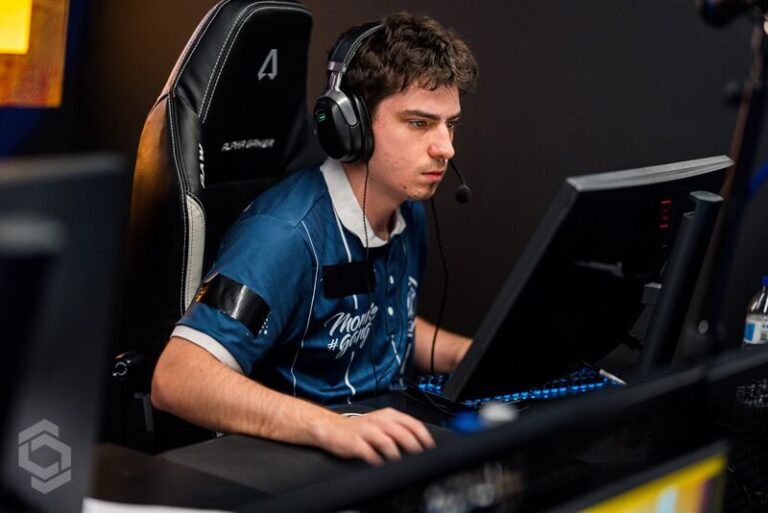

More than a year later, rather than doubling down on veteran leadership, Liquid’s next blockbuster move would pivot in a completely different direction. When YEKINDAR arrived from Virtus.Pro, he was widely regarded as one of the most explosive entry fraggers in the world. His aggressive style had made him one of Counter-Strike’s biggest stars, and his arrival immediately transformed Liquid’s approach.
The early signs were encouraging. YEKINDAR brought a new level of confidence and pace to the roster, helping Liquid return to deep playoff runs and once again compete with the world’s best teams. It wasn’t difficult to imagine him becoming the centerpiece of the organization’s next great lineup, but the momentum gradually faded.
As Liquid continued searching for consistency, YEKINDAR found himself taking on greater responsibility outside his natural role. Possibly through increased leadership duties, the fearless entry player who had once overwhelmed opponents became increasingly inconsistent. Eventually, the partnership ended without producing the championship success many had begun to believe in.
Sadly, in the end, the most notable thing Liquid and YEKINDAR produced together was a documentary focused on his downfall. The logic behind the signing was right before us. Liquid had secured one of the hottest players in the world at the peak of his reputation. The mystery once again wasn’t why they brought him in – it was why it never fully worked.
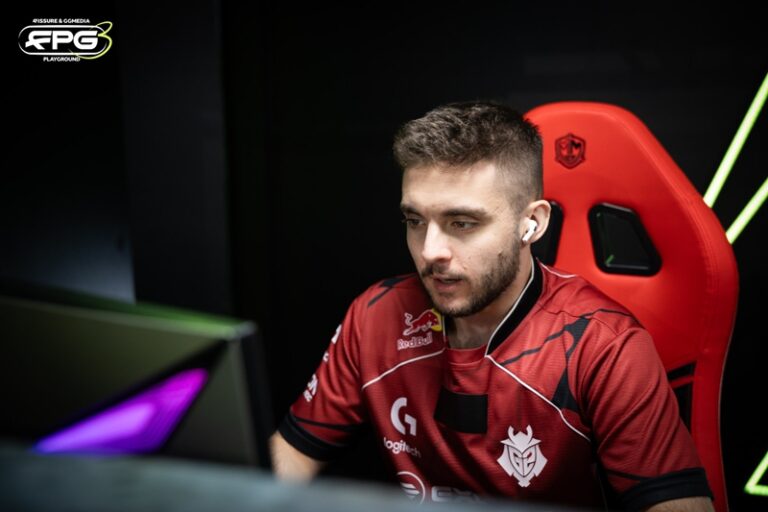

Still searching for answers, the organization pulled the plug and overhauled the team. This time, revolving around Casper “cadiaN” Møller. By the time cadiaN joined Liquid, he had already established himself as one of Counter-Strike’s premier leaders. Under his guidance, Heroic became one of the most consistent teams in the world, reaching a Major final, lifting elite trophies and challenging for the No. 1 ranking. He combined tactical structure with emotional leadership and solid AWPing, making him a solution to the collection of issues Liquid faced at the time.
Again, Liquid’s vision seemed apparent: build around cadiaN’s leadership and surround him with proven veterans like Twistzz and NAF. Retain the explosive potential of YEKINDAR and add one of Brazil’s young prospects in Felipe “skullz” Medeiros. On paper, it may have been Liquid’s strongest overhaul since the Grand Slam roster. Instead, it became another missed opportunity. The identity that had defined Heroic never fully translated. YEKINDAR’s form continued to decline, skullz struggled to adapt to tier-one international Counter-Strike, and the roster never developed the chemistry expected from so much individual talent. Before long, another dead roster.
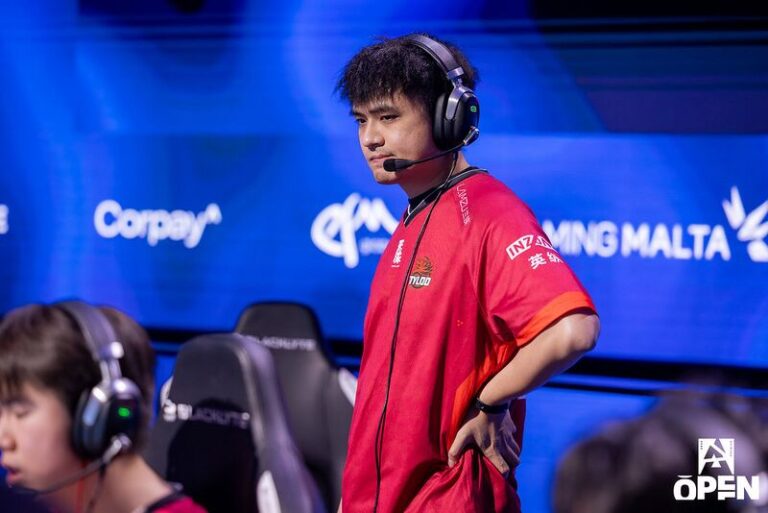
The cadiaN project highlighted a central mystery surrounding Team Liquid. If signing one of Counter-Strike’s most respected leaders wasn’t enough, what exactly was missing? Should they simply try again with another captain? Was it a cadiaN problem, or a Liquid problem?

Liquid’s philosophy has remained remarkably consistent, if not exhausting. The organization has continued targeting players whose accomplishments suggest they belong on championship-caliber teams. More recent renditions, like siuhy’s stint alongside NertZ and ultimate once again fit that pattern. siuhy had earned recognition as one of Counter-Strike’s brightest young in-game leaders. NertZ was entering as one of Europe’s strongest riflers. Individually, moves that were easy to justify, but in the end, resulted in Liquid freefalling down the rankings.
Now that this repetitive process of failure is clear, please allow me to introduce the twist in Liquid’s mystery:
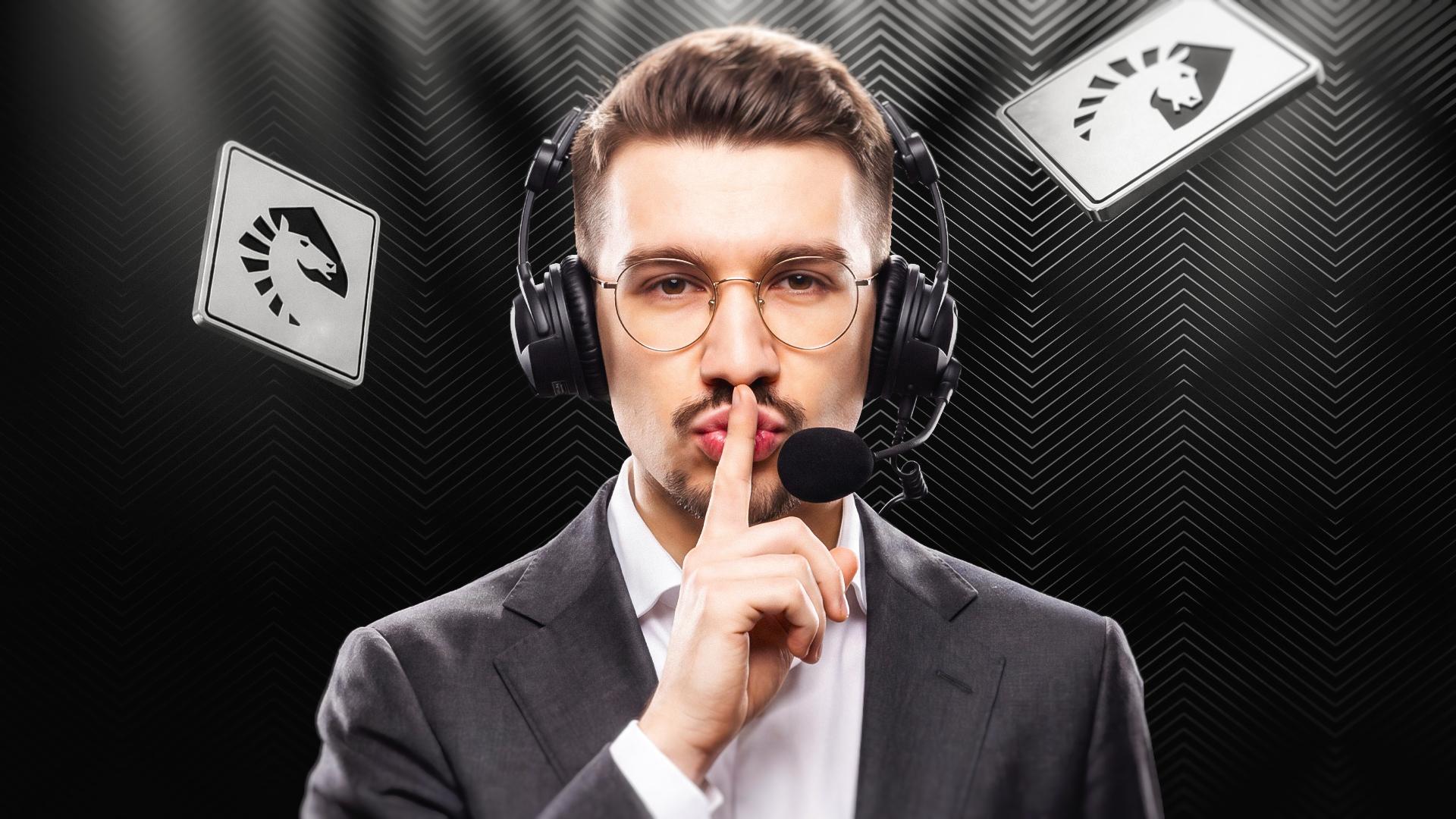
Rather than searching internationally for another established superstar, Liquid have finally turned to Johnny “JT” Theodosiou. Unlike the organization’s previous headline signings, JT has spent the entirety of Liquid’s post-Grand Slam era competing in North America, quietly operating with fewer resources and far less fanfare. He, alongside all of us, has witnessed Liquid’s struggle.
He doesn’t arrive carrying the résumé of a Major champion or one of the world’s biggest individual stars. Instead, he brings years of leadership within the very ecosystem Liquid has spent so long trying to reclaim. What a delicious irony. While Liquid scoured the world for championship solutions through players like FalleN, YEKINDAR, cadiaN, and siuhy, JT was developing as a leader in North America all along.
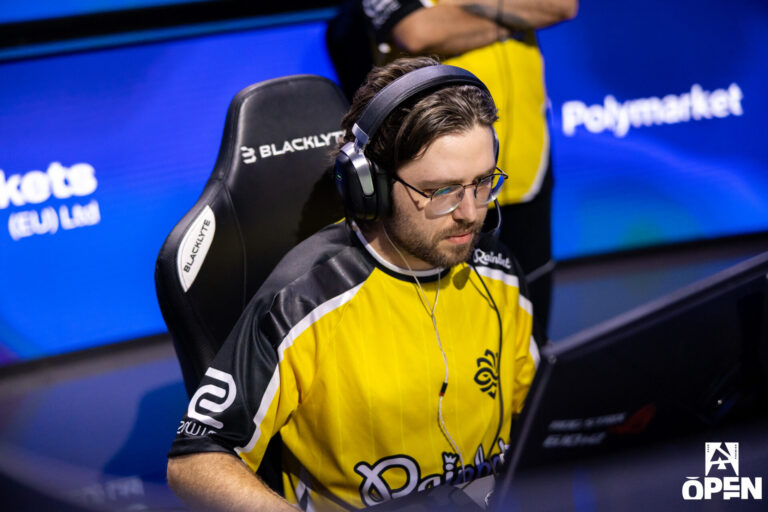
Whether his arrival finally breaks the cycle remains to be seen. Counter-Strike has humbled countless promising projects before, most often of which, Team Liquid’s. But if this version of Team Liquid succeeds where so many others have fallen short, the organization’s greatest solution may have been competing in front of them the entire time.

JT’s Liquid has had a great first outing at BLAST Bounty this week and has delivered us another dose of North American hope as he somehow wrangles EliGE into his finest form. It’s not the first time a Liquid roster hits the ground running, but by God there’s a chance it’s the first time, in a long time, that they don’t faceplant right after. Most organizations can point to one failed experiment. Team Liquid can point to many. Here’s to hoping this time is different.