Recent changes in how Valve manages team names and logos in Counter-Strike 2 have sparked widespread debate across the community. Specifically, the updated guidelines now rely on third-party platforms — including HLTV and Liquipedia — to define what counts as a “commonly known” team name.
The core issue: who decides team names?
Valve now requires teams and players to register names exactly as they appear in third-party esports media. As a result, HLTV and Liquipedia effectively shape naming standards. Because of this:
- these platforms now influence official naming decisions;
- organizations may push for sponsor-driven branding;
- Valve avoids direct involvement and leaves gaps in guidance.
Criticism: “Valve is shifting responsibility”
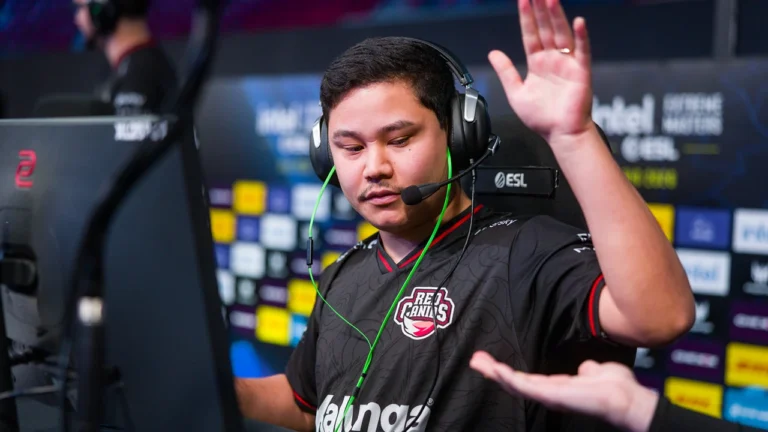
Analyst Mnmzzz (Jeff) openly criticized this approach:
Valve is effectively handing responsibility to third-party sites without any support or clear guidance.
Moreover, he explained that the situation is already evolving behind the scenes. Organizations increasingly contact HLTV and Liquipedia to influence listings. In some cases, they even apply legal pressure. Consequently, sponsor-friendly names appear more often. Therefore, many now question whether these platforms can remain editorially independent.
Community reaction: from skepticism to sarcasm
The community quickly reacted, and opinions vary widely.
- On the one hand, some users see no issue:
“Sponsor names have always been part of esports.” - On the other hand, critics warn about long-term damage:
“Valve is slowly killing professional CS.” - At the same time, others respond with sarcasm:
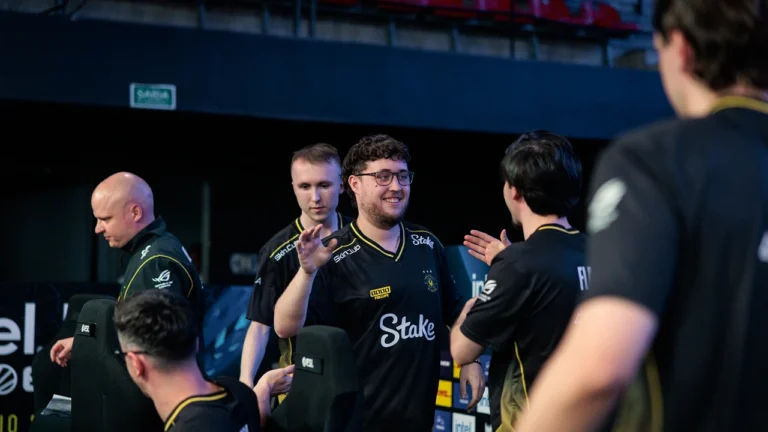
“Can’t wait for Team Stake Red Bull Logitech on Liquipedia.” - Meanwhile, many users remain confused and ask for clarification. This confusion clearly shows that Valve failed to communicate the changes properly.
Potential impact on the scene
If Valve does not clarify the rules, several consequences may follow. First, HLTV and Liquipedia could face increasing pressure from organizations. Second, sponsor influence may grow even stronger across team branding. In addition, legal disputes could become more frequent. Finally, viewers may struggle to follow inconsistent team names.
What’s next?
At the moment, Valve has not provided further clarification. However, the community expects action.
In particular, stakeholders want:
- clearer and more detailed guidelines;
- a transparent system for approving names;
- protection for third-party editorial independence.
Until then, uncertainty remains. Still, this issue already shapes a new point of tension in the CS2 ecosystem.