At the heart of esports lies an interesting paradox. Competitive games need a large player base. Without many players, tournaments lose depth and teams struggle to find practice. A healthy ecosystem simply cannot exist without scale. At the same time, successful esports require a very high skill ceiling. The game must remain interesting for elite players. It must allow them to improve and constantly push the limits of what is possible. Here is the problem. The easiest way to increase the player base is often to lower the skill ceiling. Simpler mechanics make games easier to learn and more welcoming to newcomers. But in my opinion, this approach can damage the competitive dream of the game.
The Modding Era and Natural Selection
Many modern esports titles started as mods. The two most obvious examples are Counter-Strike and Dota. It is difficult to explain exactly why modding produced so many successful competitive games. However, one reason seems clear. Modding communities acted as a form of natural selection. I spent countless hours playing Warcraft 3 mods and Half-Life mods. There were hundreds of them. Some were terrible. Others created incredible memories. I still miss Natural Selection when it existed only as a Half-Life mod. I also often imagine how amazing it would be to remake Vampire Slayer for modern hardware. The important point is not any single mod. The real story is the volume of experimentation.
read more
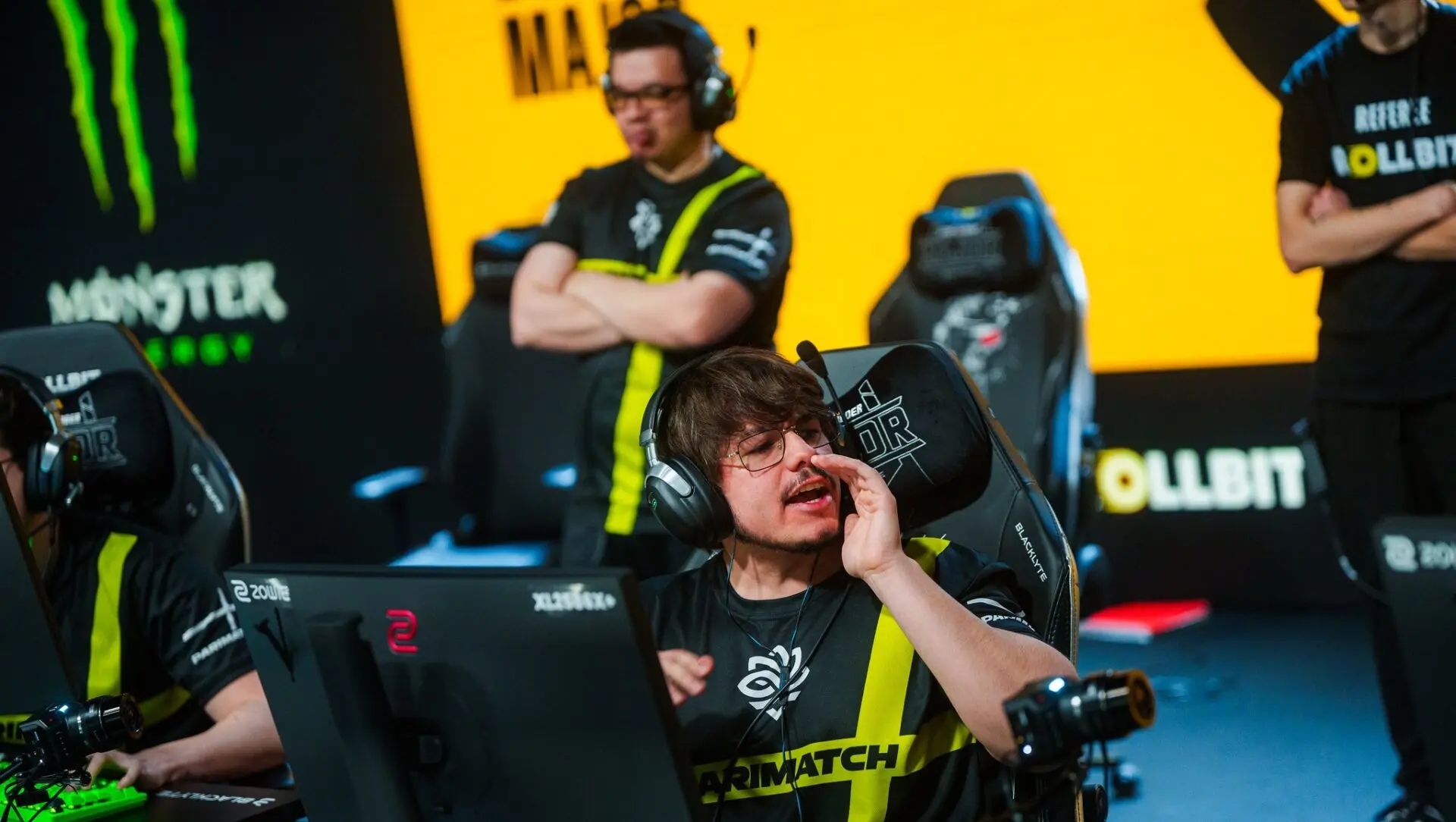
Warcraft and Half-Life communities produced an enormous number of ideas. Players naturally selected the ones that deserved to survive. Over time, only the best concepts remained active. This process resembles evolutionary pressure. Weak ideas disappeared quickly. Strong ideas gained communities and longevity. Later, major companies stepped in. They expanded the player base and supported tournaments with prize pools. But the original selection process came from the players themselves. Today, many developers seem to forget how powerful that process was.
When Accessibility Goes Too Far
Not every competitive game finds the right balance. In my opinion, Overwatch represents a case where developers leaned too far toward accessibility. This is not necessarily about whether Overwatch requires skill. Many heroes demand mechanical ability and strong coordination. The issue lies more in the ceiling than the difficulty. Blizzard wanted every type of player to feel welcome. This vision existed across the company. Blizzard aimed to become the developer that welcomed everyone. It is a positive philosophy. However, it conflicts with esports in subtle ways.
read more
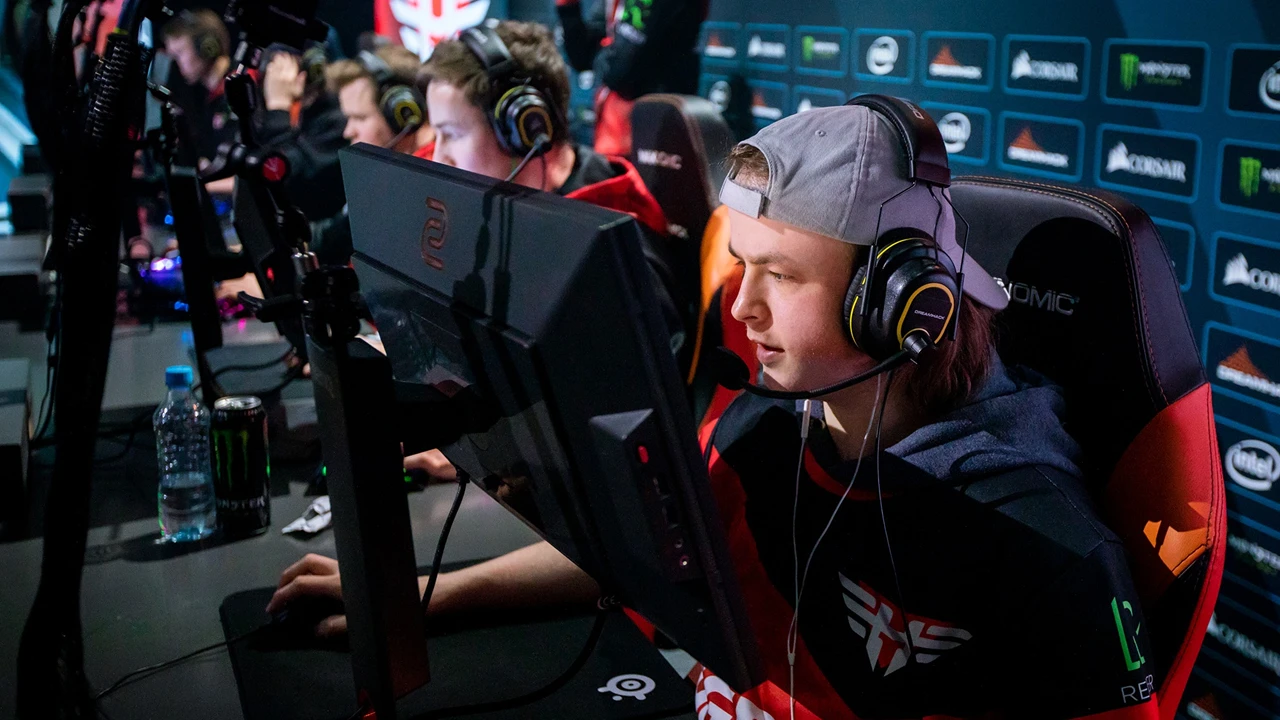
One of the least welcoming experiences for a new player happens when they encounter gameplay they simply cannot understand or reproduce. This happens often in character-based games. Players who enjoy support roles may suddenly face extremely aggressive damage dealers. These players can dominate fights in ways that feel impossible to counter. From a competitive perspective, this situation is not necessarily a problem. In fact, strong asymmetry can create interesting strategies. However, it can frustrate players who expect a completely even playing field. Matchmaking systems such as ELO attempt to solve this issue. They try to place players against opponents of equal ability. Still, this process takes time. The early experience often remains difficult.
The Culture of Aspiration
So why do games like Counter-Strike and Dota succeed despite being very unfriendly to beginners? In my opinion, the answer lies in culture. These games created a strong culture of aspiration. Players understand that the game will be difficult. They expect to struggle at the beginning. However, they also see what the best players can achieve. There is a huge difference between two mentalities:
-
“This game will be hard, but I want to reach that level someday.”
-
“I want competition, but only on a completely equal playing field.”
The first mindset embraces growth. The second mindset often seeks comfort. Game culture shapes which mentality dominates. For many mod-based games, that culture already existed. Installing mods required effort. Players actively searched for new experiences. They joined communities that celebrated mastery. This environment naturally rewarded players who wanted to improve. The question today is simple: Can new games create the same culture from scratch?
read more
Deadlock and the Return of “Git Gud”
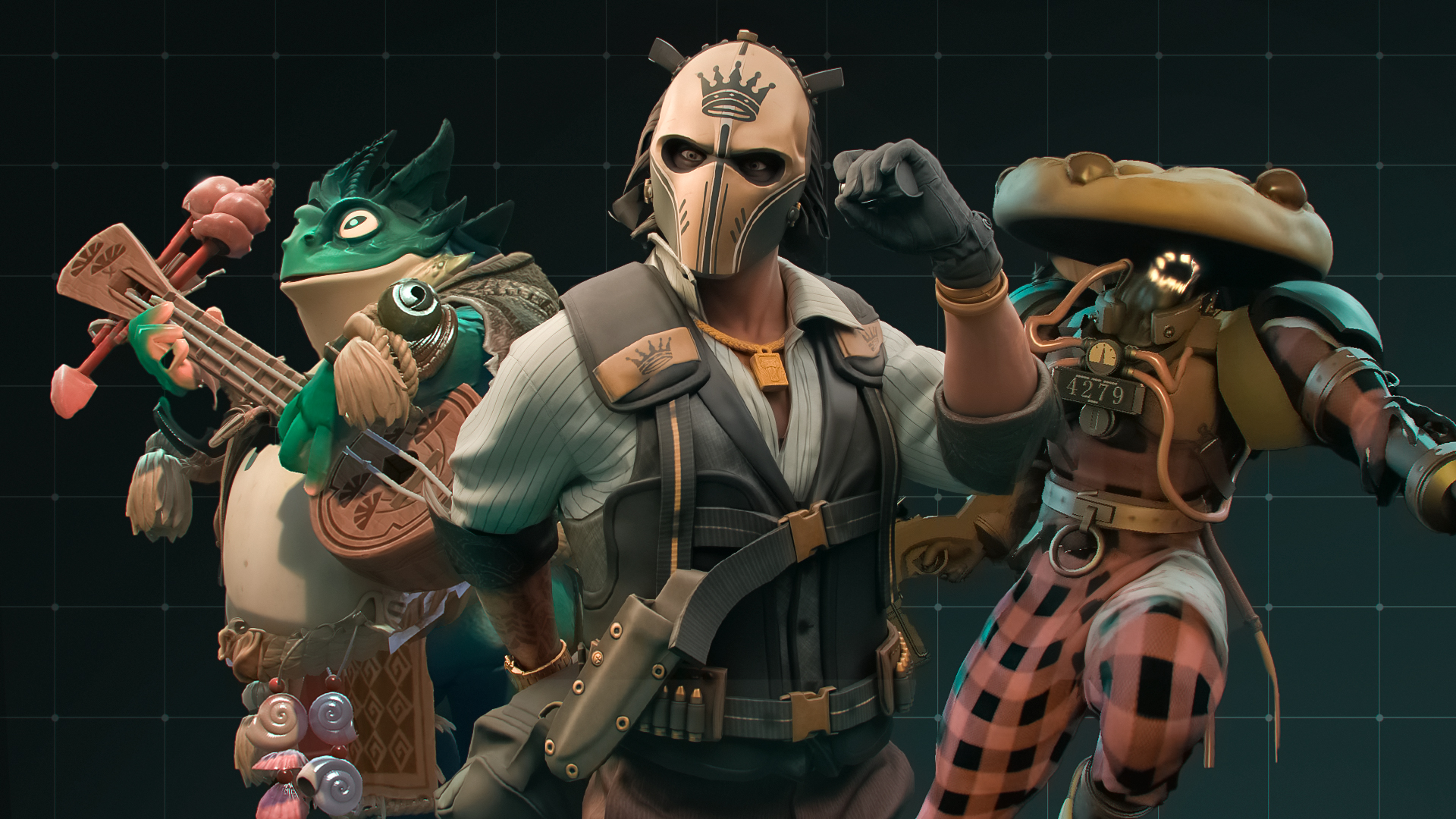
In some sense, the answer might be yes. One of the most fascinating modern examples is Deadlock, Valve’s upcoming competitive title. Deadlock feels brutal for new players. The learning curve appears immediately. The number of characters and items alone can overwhelm newcomers. The map contains complex pathways and small mechanical interactions. Many details remain invisible during the first hours of play. However, the most impressive element is the movement system. Deadlock movement might be one of the most advanced systems in modern multiplayer games. It clearly separates good players from elite ones. During my first ten to twenty hours, the game felt confusing. I played something that resembled Dota, with occasional FPS mechanics layered on top. Later I watched professional level matches. The difference shocked me. Those players moved through the map in ways that I did not even understand. It felt like they were playing an entirely different game. For a moment, that realization felt discouraging. Then it became inspiring. I do not plan to become a professional Deadlock player. However, I absolutely want to learn how to move like one. It simply looks incredible.
read more
A Community That Accepts the Challenge
The Deadlock community seems to understand this challenge. Of course, players still complain about balance issues. Someone always believes a hero is overpowered. That discussion exists in every competitive game. Yet most players recognize something important. Deadlock contains core skills that every serious player must learn. The game does not apologize for this reality. Could Valve attract more players by simplifying movement mechanics? Probably yes. Lowering the mechanical ceiling would make the game easier to approach. However, that decision would also reduce the heights players can aspire to reach. Over time, that trade-off might damage the competitive ecosystem. Years ago, internet culture produced a slightly cringe phrase: “git gud.” The phrase meant “get good.” Despite its simplicity, the idea carried an important message. Competitive games reward improvement. They challenge players to become better. Deadlock seems to embrace that philosophy more strongly than many recent games.
Why Deadlock Might Succeed
Counter-Strike and Dota inherited their competitive mentality from the modding era. Their communities grew around players who enjoyed mastering difficult systems. Deadlock appears to rebuild that mentality from the ground up. The game tells players something very simple: Learn the required skills, or lose to those who already have them. This approach may limit early growth. Some players will quit quickly. Others will struggle for dozens of hours. But for those who stay, the reward becomes meaningful improvement. In the long run, that kind of culture often produces the strongest esports. The future will decide how far Deadlock goes as a competitive game. My prediction is optimistic. I believe Deadlock has a real chance to become a major esports title. One of the main reasons is its unapologetic design philosophy. The game challenges players directly. Improve — or get crushed by those who did. If you have already played Deadlock, I would love to hear your thoughts. What do you think about the game so far? And how far do you believe it can go as a competitive esport?