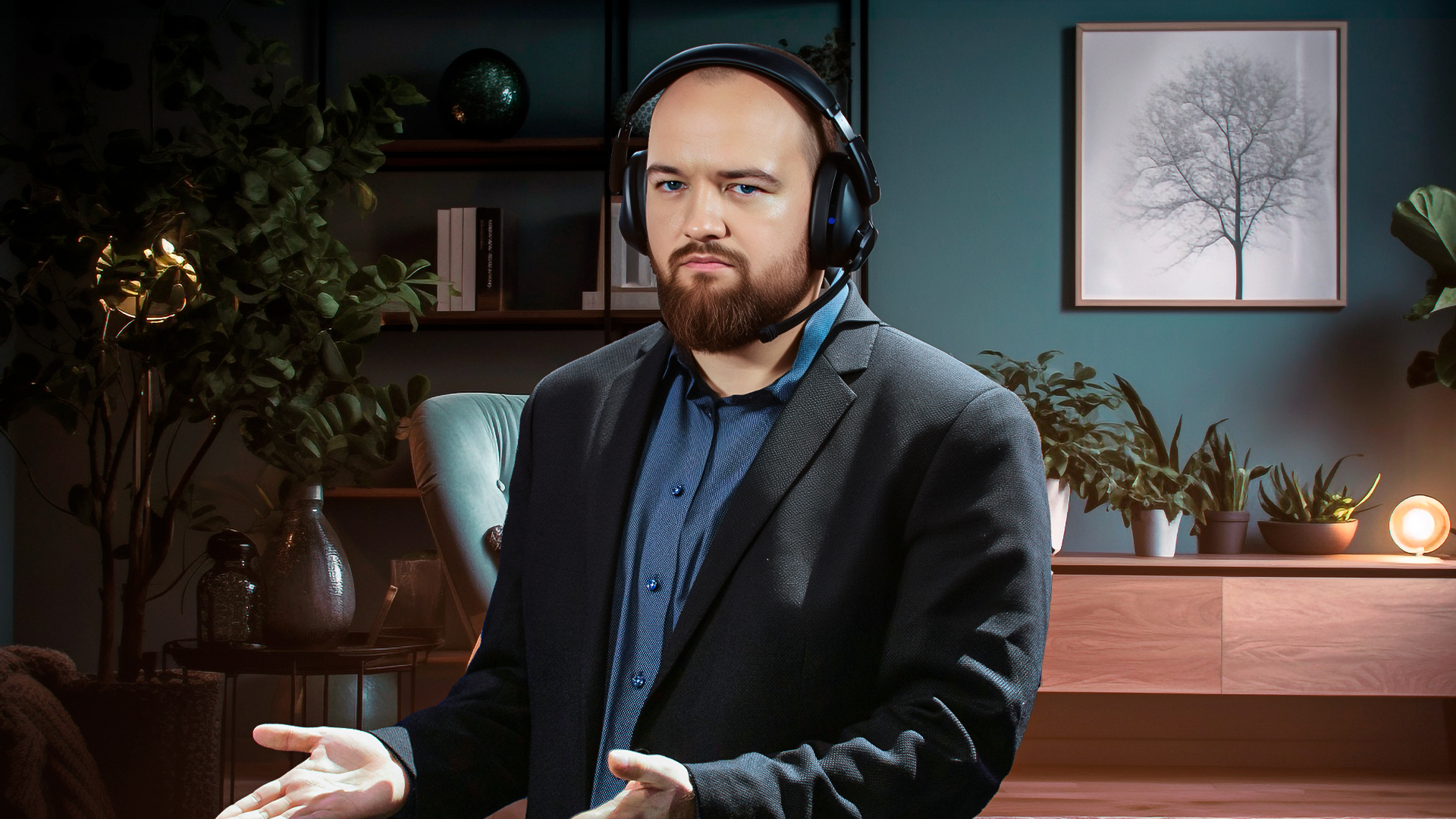

Watching the Major from the outside has given Anders Blume a rare chance to reflect — not just on the tournament itself, but on Counter-Strike, casting, and his own journey. In a candid conversation, the legendary CS voice opens up about why this Major feels uniquely unpredictable, the disappointment of not being part of the broadcast, life after his long-standing partnership with Semmler, and the growing tension between esports’ authentic roots and its push toward a more traditional sports image. From Skybox to fatherhood, Blume speaks with clarity shaped by experience and change.
Key talking points:
- Why this Major stands out as one of the most unpredictable in years
- Not being selected for the broadcast and the realities of talent decisions
- Redefining himself as a caster after Semmler and the importance of chemistry
- Esports losing strong personalities while chasing a “mainstream” audience
- Skybox, tactical evolution, and why human instinct still defines Counter-Strike
- Fatherhood and how it has redefined him in esports and beyond
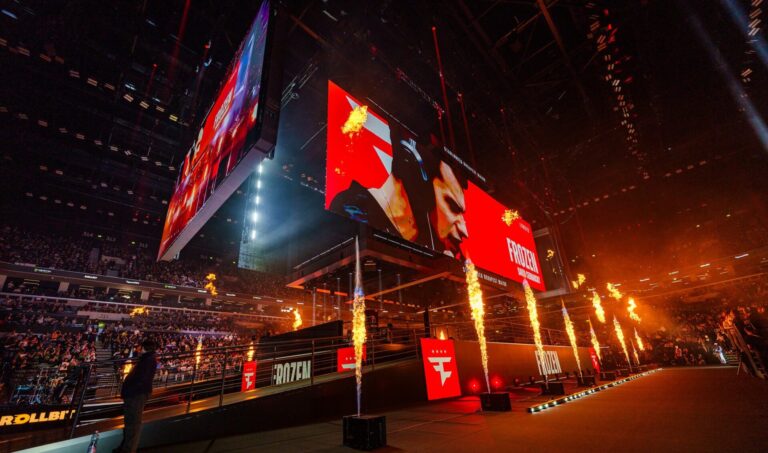
Let’s start with the Major. It’s one of the rare occasions when you’re not there. What excites you most about watching it from the outside?
You definitely experience the Major differently when you’re not there. When you’re working at an event, your focus is locked in on the job, but when you’re at home, you can step back and see the whole picture in a different way. What excites me most is that for once it doesn’t feel like we have a clear-cut winner who will just walk in and take the trophy.
We’ve had that before, and we’ve been wrong plenty of times too, but before the Major, I couldn’t confidently choose between FURIA, Falcons, Vitality, or even teams like The MongolZ or MOUZ. All of that felt possible, and that level of unpredictability makes this Major incredibly exciting.
Not seeing you on the broadcast talent list was surprising for many. Why aren’t you part of this Major?
I do believe I was considered. I’ve had a long history with StarLadder and a lot of great memories working with them. We’ve collaborated at multiple events and stayed in contact leading up to the Major. But the reality is that choosing talent for an event like this is extremely difficult. There are so many strong commentators and analysts, and whatever decision is made, someone will feel disappointed.
In recent years, I haven’t had one consistent casting partner, and that inconsistency can sometimes be confusing from an organiser’s perspective. I’ve worked with Henry, then more with Vince, and with others as well. That lack of a stable duo is something I’m actively trying to address.
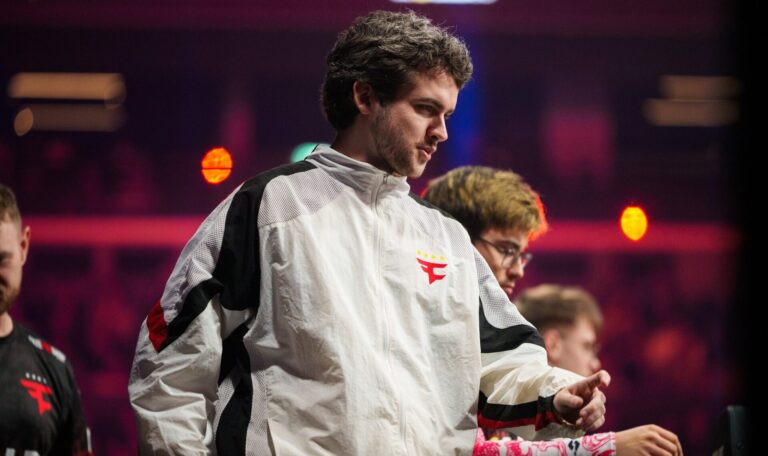
Of course, it hurts not to be invited. It genuinely feels awful when you realise you’re not going. But at the same time, it’s given me space to focus on other projects, like Skybox and content work. You can’t be part of everything, and considering how many Majors I’ve worked in the past, I can’t claim I’ve been overlooked throughout my career.
Do you feel certain talents were unfairly left out?
The word “deserve” is always complicated in this context. But one very obvious omission for me is Yanko as an analyst. The issue is that these discussions often turn into comparisons where one person is praised while another is dragged down, and I don’t think that’s necessary. I can say I love Scrawny’s casting and leave it at that.
Yanko’s absence is noticeable. That said, I’m genuinely happy that Tedd is getting this opportunity. He’s sharp, passionate, and very talented. If it turns out he wasn’t quite ready, people might retroactively say it should have been Yanko, but I personally believe Tedd will perform very well.
Did losing your long-term partnership with Semmler force you to redefine yourself as a caster?
Yes, absolutely. I probably took a lot of those partnerships for granted when they worked seamlessly. When something functions smoothly, you don’t always realise how valuable it is until it changes. After that, I became much more aware of how important chemistry is, both on and off the broadcast. I want to enjoy working with the people around me and maintain a high level of focus and quality in every match I cast.
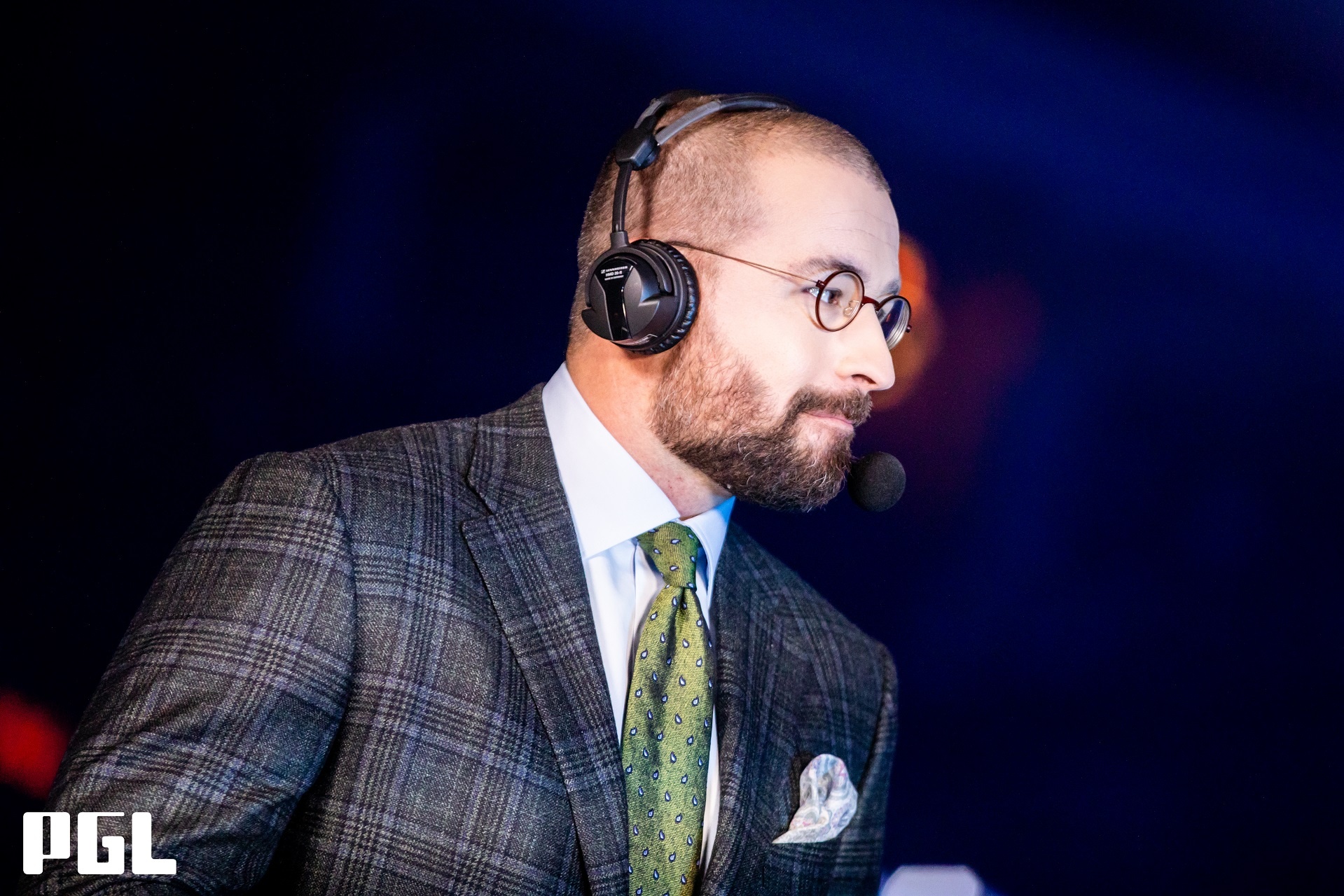
I don’t want to show up as just “the legacy guy.” I want to contribute meaningful, sharp, high-quality commentary every single time, whether it’s the first match of the tournament or the final. That level of focus has become more important to me than ever.
Do you miss Semmler?
Yes, sometimes I do. He had very unique strengths as a broadcast partner that I don’t believe anyone has replicated in the same way. It would be amazing to revive that partnership, but sometimes it’s also best to leave certain things as they were. The memory can often be better than trying to recreate it.
Some people feel the community has become too rigid and pushes out strong personalities. Do you think esports has lost influential figures because of this?
It’s quite easy for me to separate people from their opinions. I can appreciate someone’s insight and still disagree with a specific take. I don’t expect people to be perfect across everything they say. The complication comes when politics and social pressure start to mix with what is ultimately an entertainment product. That tends to create chaos and discomfort.
I think Duncan is brilliant on a desk, and I genuinely believe it’s a loss for the community that we don’t see him more often. Working with him was always stimulating and engaging, and his knowledge as an esports historian is unmatched. There is nobody who can replace that depth of memory and understanding.
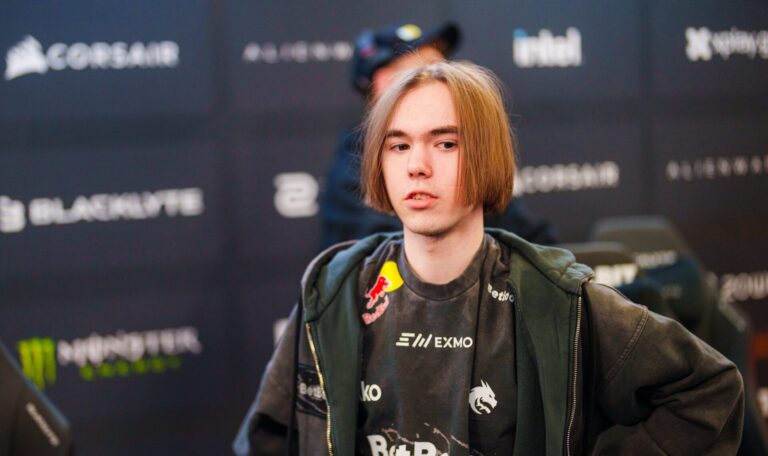
At the same time, esports has tried to chase a more “mainstream” sports image, and in doing so may have started catering to an audience that doesn’t really exist. The true audience is on Twitch, HLTV, and forums. It may be chaotic, but it is authentic. Ignoring that core while trying to appeal to an imaginary crowd feels like a misstep.
Do you think the dream of making esports mirror traditional sports was misguided?
I think we can learn a lot from traditional sports, and that is valuable. But esports is fundamentally different. If we try to make it a one-to-one copy, we risk losing what makes it unique. The product is already strong, but sometimes I feel it is being aimed at people who simply are not there. That worries me.
You were once voted in by the community for a Major. What did that support mean to you?
It still means a lot to me, even though I sometimes forget about it. I’m often surprised by how many people still support me and want to see me involved. Back then, there were many bigger names from other esports being considered, but the community wanted people who genuinely cared about Counter-Strike. That was incredibly powerful.
At the same time, being pushed forward like that also created tension, because it meant other people were left out. But for me personally, it was an unforgettable moment and a testament to the connection I had with the scene. We dedicated countless hours to casting every possible match, living and breathing the game in a way that simply isn’t possible today.
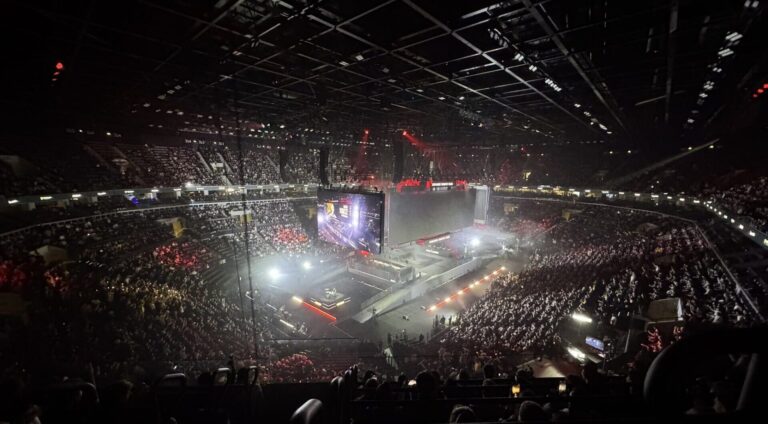
Has some of the magic of the early Majors been lost?
In some ways, yes, but it’s also proof of how much Counter-Strike has grown. Back then, Majors stood alone. Now we have multiple elite-tier tournaments that rival that prestige. Events like Cologne are must-win, must-attend spectacles on their own.
The format of the Major also plays a role. BO1s and Swiss systems can feel less dramatic compared to full BO3 structures, but scaling the Major further could make it impossible to run. What exactly is missing from the “vibe” is hard to define. Maybe it’s the condensed nature of the event, where everything happens so quickly. A longer narrative build might enhance the emotional arc, but it would also disrupt the ecosystem. I honestly don’t know what the perfect solution is.
You’ve spoken openly about financial struggles in recent years. Do you feel you’ve recovered?
Some things have definitely improved. I also realised that what I went through wasn’t unique to me. Many people in esports have faced similar instability due to reduced investment across the scene. At the time, I blamed myself, but in hindsight, it was more about the ecosystem struggling as a whole. That period forced me to focus on building stability outside of casting. It wasn’t easy, but it pushed me toward new projects and avenues, which has been important.
Outside of casting, what parts of your work do you enjoy most now?
Skybox is doing incredibly well, and that is something I’m very proud of. Seeing so many top teams use the platform is extremely rewarding. There’s also content creation, which has been a learning curve but also a creative challenge I enjoy. Streaming was another experiment. It’s difficult to balance with life, but it’s a fun way to connect with the community. All of this is a process of relearning and adaptation, but it’s engaging and motivating.
What is your role in Skybox exactly?
I’m one of the co-founders. The company originated from an idea I had back in 2008, although what we’re doing today has evolved significantly. We’re still a small but efficient company and one of the few profitable esports businesses, which is something I’m genuinely proud of.
Has Skybox “calculated” Counter-Strike?
Fortunately, no. That would be terrifying. You can gather unlimited information, but no human can retain or apply all of it in real time. Even with analytical tools, players still rely on instinct and adaptation. That’s what makes the game alive. The tactical battlefield never ends. If both sides use the same tools, the mind games simply go deeper. That constant evolution is what keeps the game fascinating.
Has Skybox narrowed the gap between tiers?
I think the real difference now lies in interpretation. The tool doesn’t play the game, people do. Coaches who understand how to convert data into strategy are the real gatekeepers. That’s where the true skill lies.

Who are the greatest tactical minds in Counter-Strike?
Karrigan stands out immediately. His ability to remain unpredictable mid-round is incredible. It often feels like he makes decisions based on instinct refined by experience. That’s a rare quality. There are others like SAW or ash who show incredible tactical intelligence, but much of that brilliance remains hidden for a reason. The most dangerous minds are often the ones we never fully understand, and that’s their advantage.
If you had to describe the direction of esports today, are we moving the right way?
I sometimes worry that we are trying too hard to imitate traditional sports, instead of embracing what makes esports unique. The core community is different, and the culture is different. While growth is important, losing authenticity in pursuit of a non-existent mainstream audience feels like a strategic mistake. We should evolve, but not by abandoning what defines us.
You have photos of your children behind you. How has fatherhood changed your life and your perspective?
It has changed everything in a way that’s hard to fully put into words. Having children forces a different kind of responsibility on you. You realise that you are the one who has to fix things, provide stability, and be there no matter what. It shifts your priorities and your motivation.
Before, I was more focused on the lifestyle and the excitement of travelling. Now I think far more about security, balance, and providing a safe future for them. That perspective changes not just how you live, but also how you work.
Did the period where you had less work allow you more time with your family?
Yes, and that is one of the big positive sides of it. When I was constantly travelling, I often felt like I never saw my kids. It was emotionally draining. But when work slowed down, I was able to be present in their daily lives, and I realised how valuable that time was. At the same time, not having enough work brings its own stress. Life tends to swing between extremes, and part of growing up is accepting that perfect balance almost never exists.
Has being a father influenced the way you approach your role in esports?
Absolutely. You mature in a way that’s difficult to achieve otherwise. There’s a moment where you realise you are the adult in the situation, and nobody else is coming to fix it for you. That sense of responsibility changes your mindset, your discipline, and your motivation. It also makes you more focused on longevity and sustainability rather than pure impulse or excitement.
What is the most rewarding thing about being a father?
For me, it’s seeing the kind of people my kids are becoming. They’re funny, creative, and genuinely enjoyable to be around. There’s a relief in realising that they are kind and interesting individuals. There isn’t one single defining moment, but rather a constant appreciation of their personality and the joy they bring into everyday life.
Are you more of a strict parent or a friend?
You have to be both, but you can’t be a friend all the time. Sometimes you need to make them do things they don’t want to do because it’s important for their development. If you’re only a friend, you fail to give them structure. I imagine as they grow older, that line will shift more towards friendship, but right now guidance and discipline are necessary.
Would you support your children entering esports?
I think it’s important for children to explore their own interests naturally. If one day they come to me and say they want to pursue esports or broadcasting, I would support them fully. But I would never force that path on them. They need to discover what they love on their own, and my role is to encourage and guide, not dictate.
Do you still get goosebumps watching Counter-Strike?
Yes, absolutely. Even after all these years, there are moments that hit just as hard as the first time. Earlier today I was casting and saw a clutch that genuinely gave me that feeling again. That unpredictability is exactly why Counter-Strike remains special. No matter how much you’ve seen, you can never fully anticipate what happens next.
Do you still feel connected to the Counter-Strike community?
Yes, very much so. Despite the ups and downs, the support from the community continues to mean a lot to me. It’s something that never really left, and I appreciate it more than people probably realise.
I just want to say thank you. The fact that people still care, still listen, and still support me after all these years is incredibly humbling. I don’t take any of that for granted, and I’m very grateful for it. And hopefully we’ll share a drink someday. That one’s on me.