
A first-round match in the Asian qualifier for PGL Masters Bucharest 2026 has drawn attention to a familiar issue in the region: high ping. FlyQuest faced DEPO, and DEPO won the match. However, the result was not the only talking point. Chris “GoMeZ” Orfanellis, a manager of a Counter-Strike 2 roster, used the match to highlight the connectivity challenges that teams in the Asia region continue to face.
This matters because ping issues can directly affect competitive fairness. Teams separated by thousands of kilometers face very different latency. As a result, this gap can shape how a match plays out, regardless of team skill.

Background on the Asia Region Challenge
The Asia region in Counter-Strike esports covers a vast geographic area. Because of this, teams in the same qualifier bracket can sit extremely far apart. Some players therefore face much higher ping than others, simply based on where their opponents are located.
Orfanellis addressed this directly. He noted that Asia should not be treated as a single, uniform region. For example, he pointed out that FlyQuest and DEPO were roughly 10,000 kilometers apart. He compared this to a round trip from London to Moscow and back, then to Moscow again, saying that trip would still cover a shorter distance. He also compared it to a round trip between Dallas and São Paulo.
Match Result and Ping Details
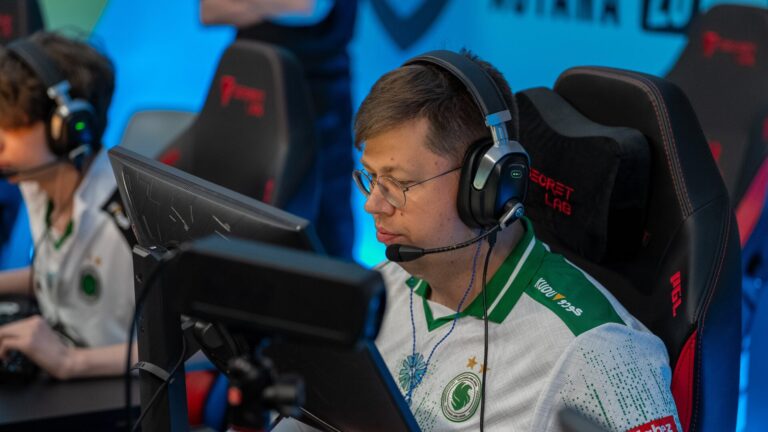
The FlyQuest vs DEPO match was part of round one of the Asian qualification for PGL Masters Bucharest 2026. DEPO won the match, taking Ancient 13:9 and Anubis 13:5.
During the match, Orfanellis shared live updates on the ping conditions. He first reported that players were experiencing 160ms. Shortly after, the number rose to 180ms. He explained that this increase was tied to more people in Australia coming online as the region approached peak internet usage hours.
Why This Matters for Competitive Integrity
The FlyQuest vs DEPO match result is now part of the Asian qualification path toward PGL Masters Bucharest 2026. However, the ping figures shared by a manager close to the action add an important layer to the story. High and rising latency, especially during peak hours, can influence gameplay in ways that go beyond team preparation or strategy.
Therefore, the discussion raised by Orfanellis points to a broader question for organizers: how to structure qualifiers so that geographic distance does not create an uneven playing field. As the PGL Masters Bucharest 2026 qualification process continues, this remains a relevant issue for teams and fans following the Asia region.