
It is June 2nd and the lights have gone up inside the LANXESS Arena, for the first Major staged in Cologne in a decade. Thirty-two teams, a $1.25 million prize pool, and the entire field hand-picked not by a panel or an organizer’s whim but by the cold arithmetic of the Valve Regional Standings. It is, in every sense, a stage built for a coronation. The only question worth asking is whether the team everyone expects to be crowned will actually show up to collect. Because here’s the thing about Vitality in 2026: they have spent the year making “inevitable” feel like a reasonable forecast, right up until the moment it suddenly didn’t.
A year that bordered on the absurd
Let’s not bury the lede. Vitality have been preposterously good. Across the first half of 2026 they hoovered up trophy after trophy, roughly six titles from seven events entered depending on how you count, and they didn’t do it by farming soft brackets. They went hunting big game and kept coming home with it. IEM Krakow in February. IEM Rio in April, which doubled as their second consecutive ESL Grand Slam, a feat no organization had ever managed. A 16-match LAN win streak at the peak. A series win rate hovering somewhere near 84% at the S-tier level, which is the statistical signature of a team that doesn’t so much beat opponents as administer them.
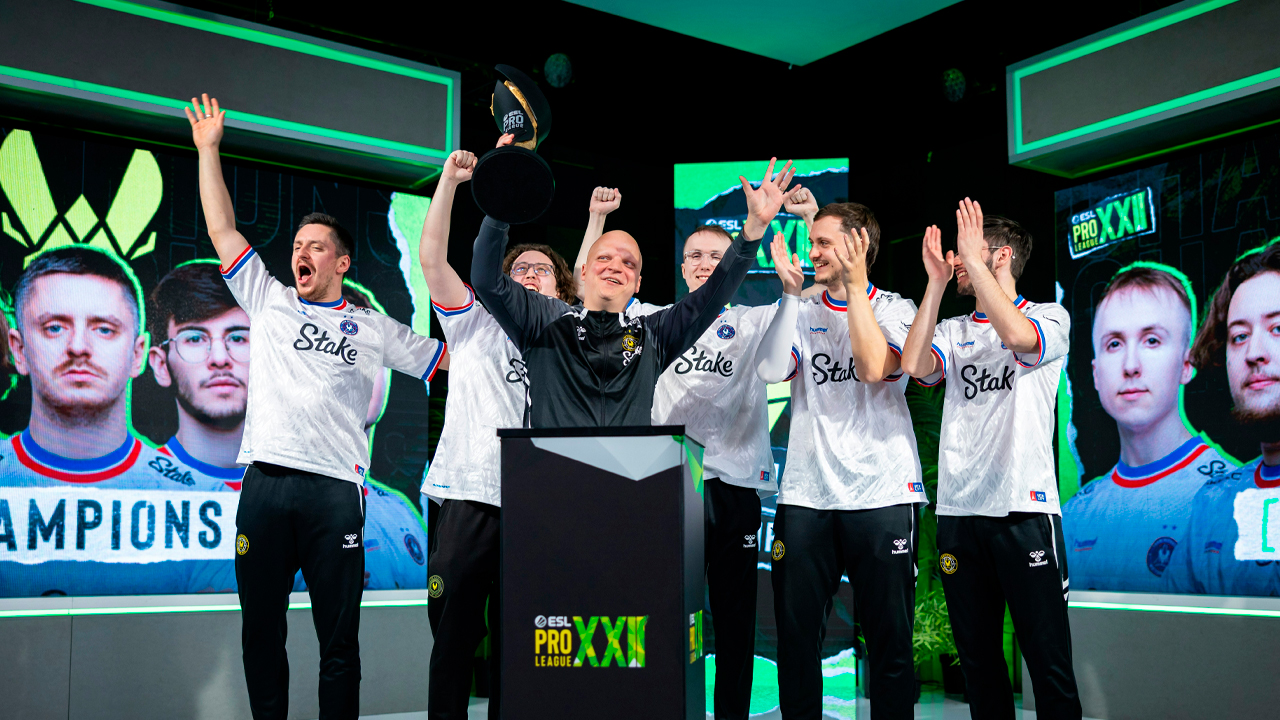
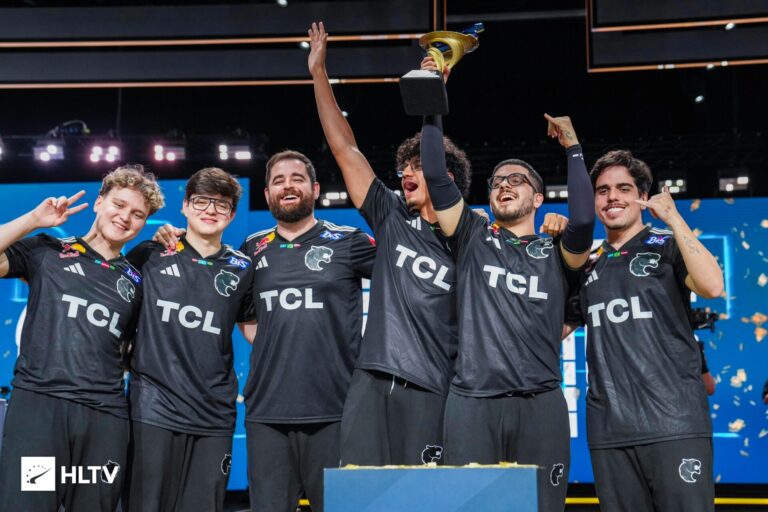
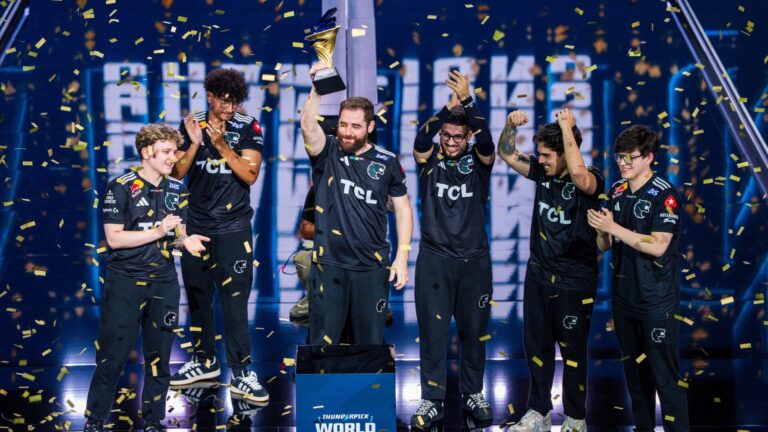
And of course, the two trophies that matter most for the Cologne narrative: back-to-back Major titles. Austin 2025 over The MongolZ, Budapest 2025 over FaZe. Win in Cologne and Vitality complete a three-peat, matching the holy grail of Astralis’s London-to-Berlin run in 2019, while also tying the Danes’ all-time record of four organizational Majors. The history books are quite literally holding a page open.
The crack in the armor
But sport, mercifully, refuses to be a spreadsheet. At IEM Atlanta 2026, the spell broke. Vitality, reportedly under-practiced and visibly off their axis, were dragged into a lower-bracket scrap during the group stage and ultimately watched NAVI lift the trophy at their expense. For two years the French side had played gatekeeper to the Ukrainians, denying them again and again in the bracket. In Atlanta, NAVI finally kicked the door in. And suddenly, with days left before the Major, the aura of invincibility had a hairline fracture in it.
Obviously, perspective matters. As more than one analyst has noted, the fact that ZywOo was still in the EVP conversation during what was openly described as Vitality’s “disaster” event tells you everything about the altitude they normally operate at. A wobble for this team is a podium finish for most others. But it also planted a seed of doubt that the entire field will arrive in Cologne eager to water.
It is still ZywOo’s world
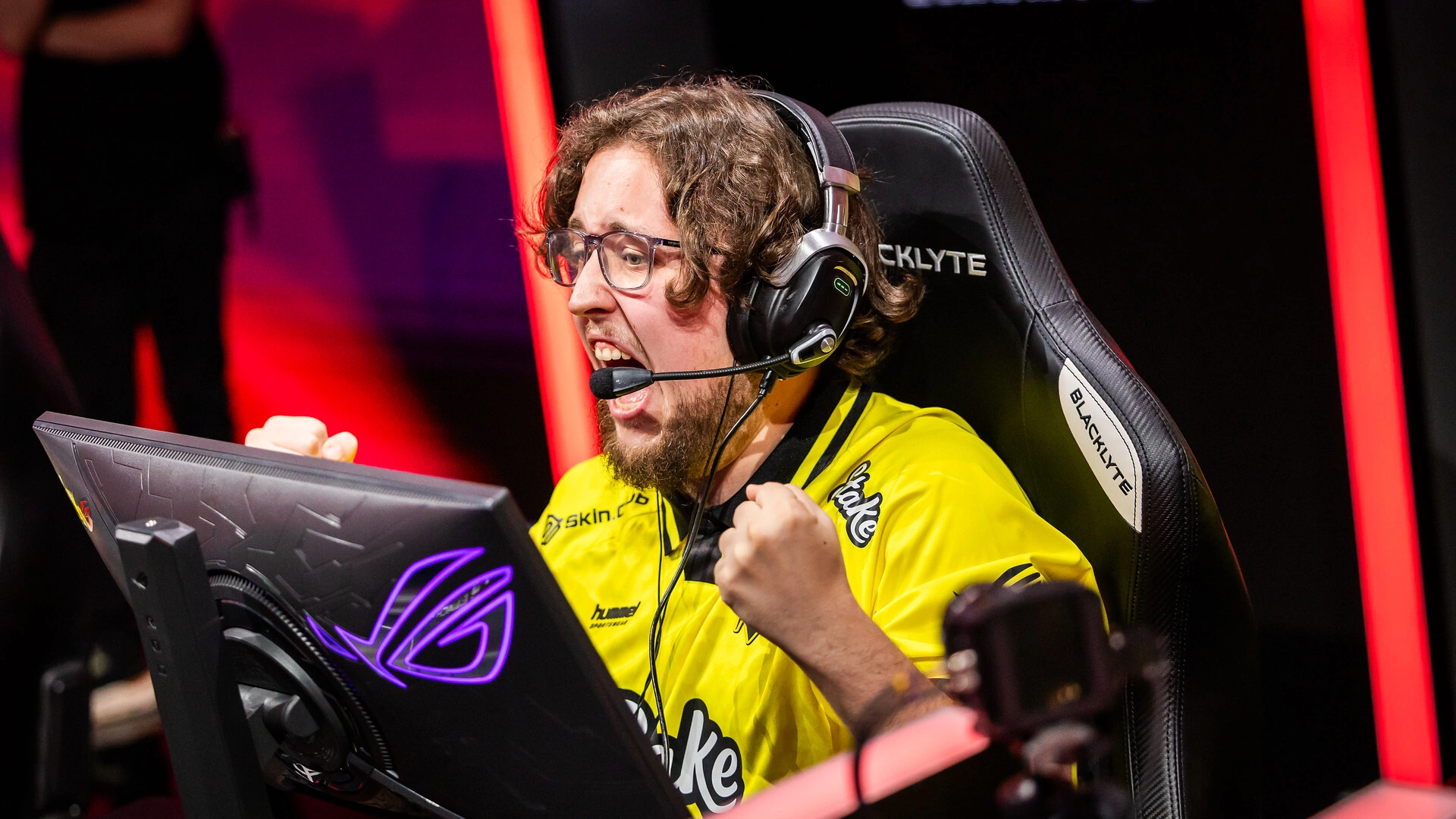
If you want the simplest reason Vitality remain favorites, his name is Mathieu Herbaut. ZywOo enters Cologne as the reigning HLTV Player of the Year and the player essentially everyone agrees is the best in the world. He’s been carrying a rating around the 1.42 mark through 2026, already pocketed something like six MVP medals on the year, and posted a career-best 1.59 at IEM Krakow that he himself called the finest tournament he’s ever played. “The way I was smiling,” as he put it. He holds the records for both total HLTV MVPs and LAN MVPs, which is to say he’s already outrun every ghost the sport could put in front of him.
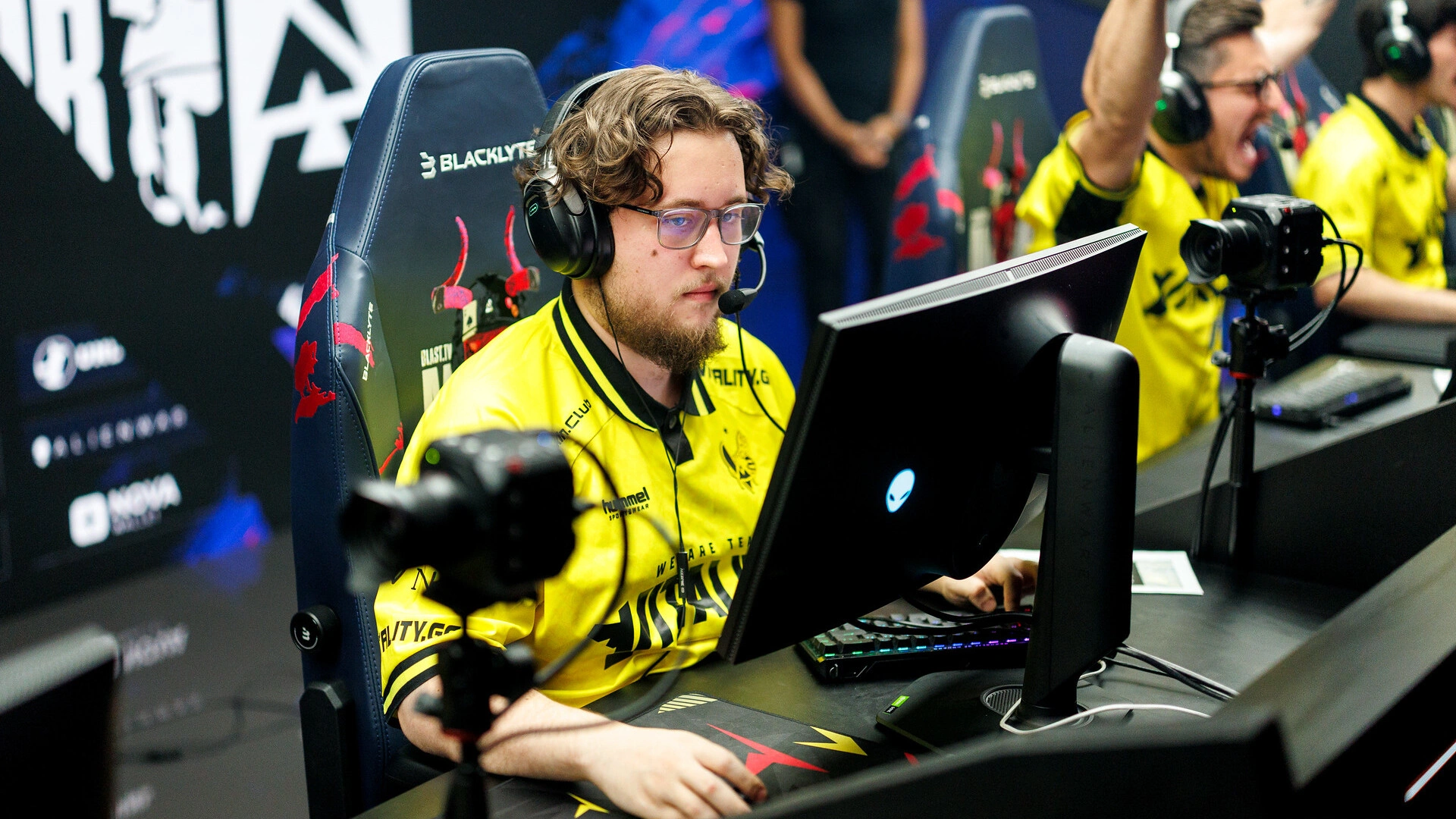
And he doesn’t carry the load alone. ropz has spent the year playing genuine top-five Counter-Strike, his lurk-heavy, brain-first style dovetailing beautifully with the relentless entries of flameZ. mezii quietly glues the whole thing together. It is, by broad consensus, one of the most balanced and slump-resistant rosters the game has ever assembled. When one star dims, another flares. That’s the system, and systems travel well to Majors.
Vitality also benefit from the bracket’s geometry. As a Stage 3 (Legends) team, they skip the early Swiss gauntlet that swallows lesser sides whole. The tournament runs three Swiss stages, Opening, Challengers, and Legends, before collapsing into an eight-team single-elimination playoff, capped by a best-of-five grand final. Starting at the top means fewer landmines and more time to find rhythm. The VRS, in its inscrutable way, rewarded the year’s body of work with the kindest possible on-ramp.
So who actually stops them?
This is where Cologne gets spicy. The prediction markets have Vitality near 45%, a commanding number, but also an admission that the other 55% has to live somewhere.
NAVI are the obvious answer. They already proved in Atlanta that they can beat Vitality in a best-of-three, and they’ve reached four grand finals in 2026, winning ESL Pro League Season 23 along the way. The caveat the analysts keep returning to: they’ve *only* beaten Vitality in a series, never quite established a true pattern of dominance. But they enter as the closest thing the scene has to a peer, sitting in Stage 3 alongside the favorites and carrying around an 11% market price that feels almost polite.
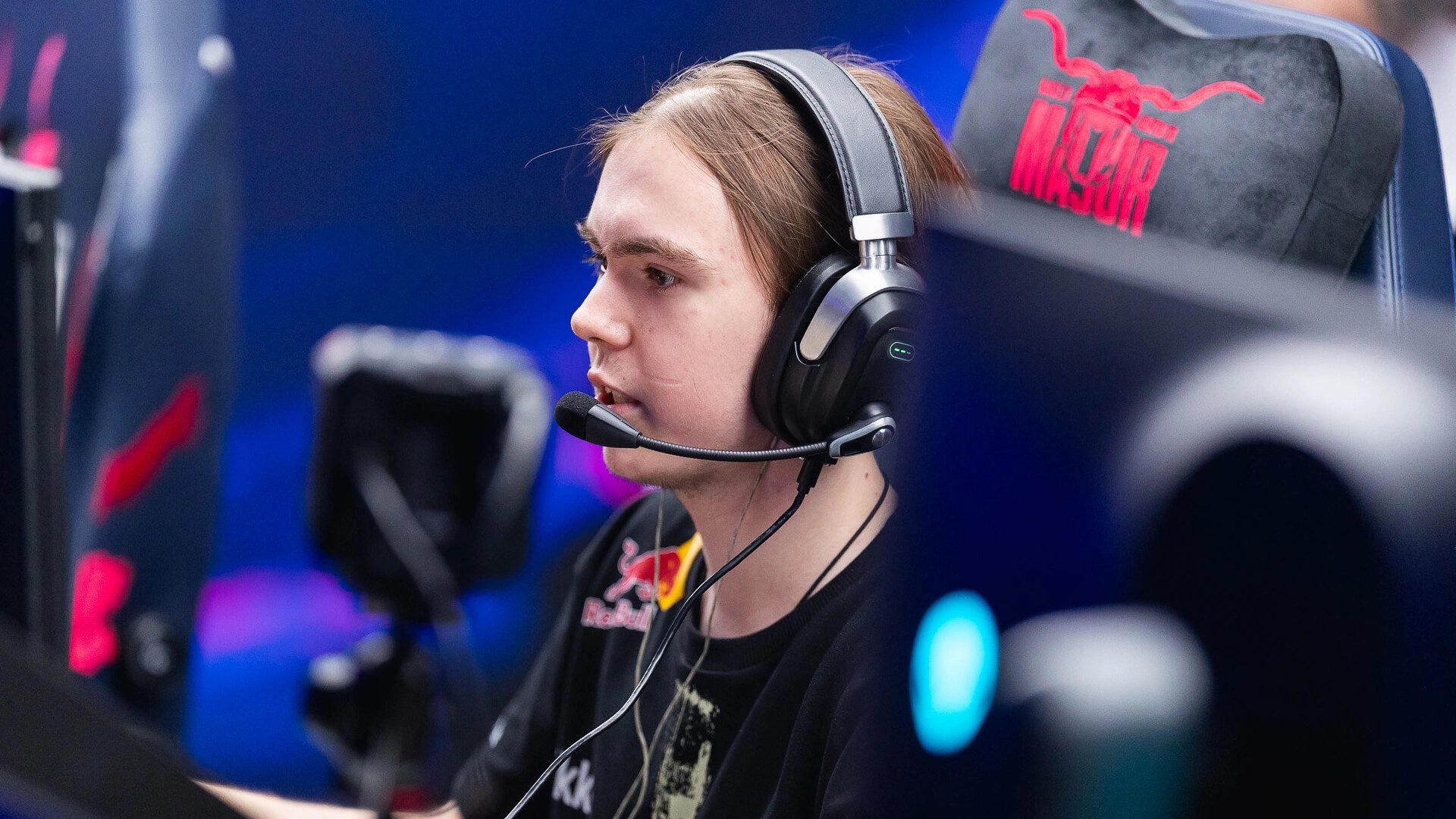
Team Spirit are the dangerous wildcard. The market actually rates them *above* NAVI at roughly 17%, and for good reason. donk and sh1ro form the one duo that has consistently given Vitality real trouble over the past two years. Spirit won PGL Astana 2026 and looked like they’d finally found a game model that’s aggressive, unpredictable, and a nightmare to read. The catch is consistency: this is a team that can win a tournament or detonate in a single evening. Tellingly, the VRS slotted them into *Stage 2* rather than the Legends tier despite two recent grand finals, meaning they have to grind through the bracket before they can even reach the favorites. If they survive the climb, watch out.
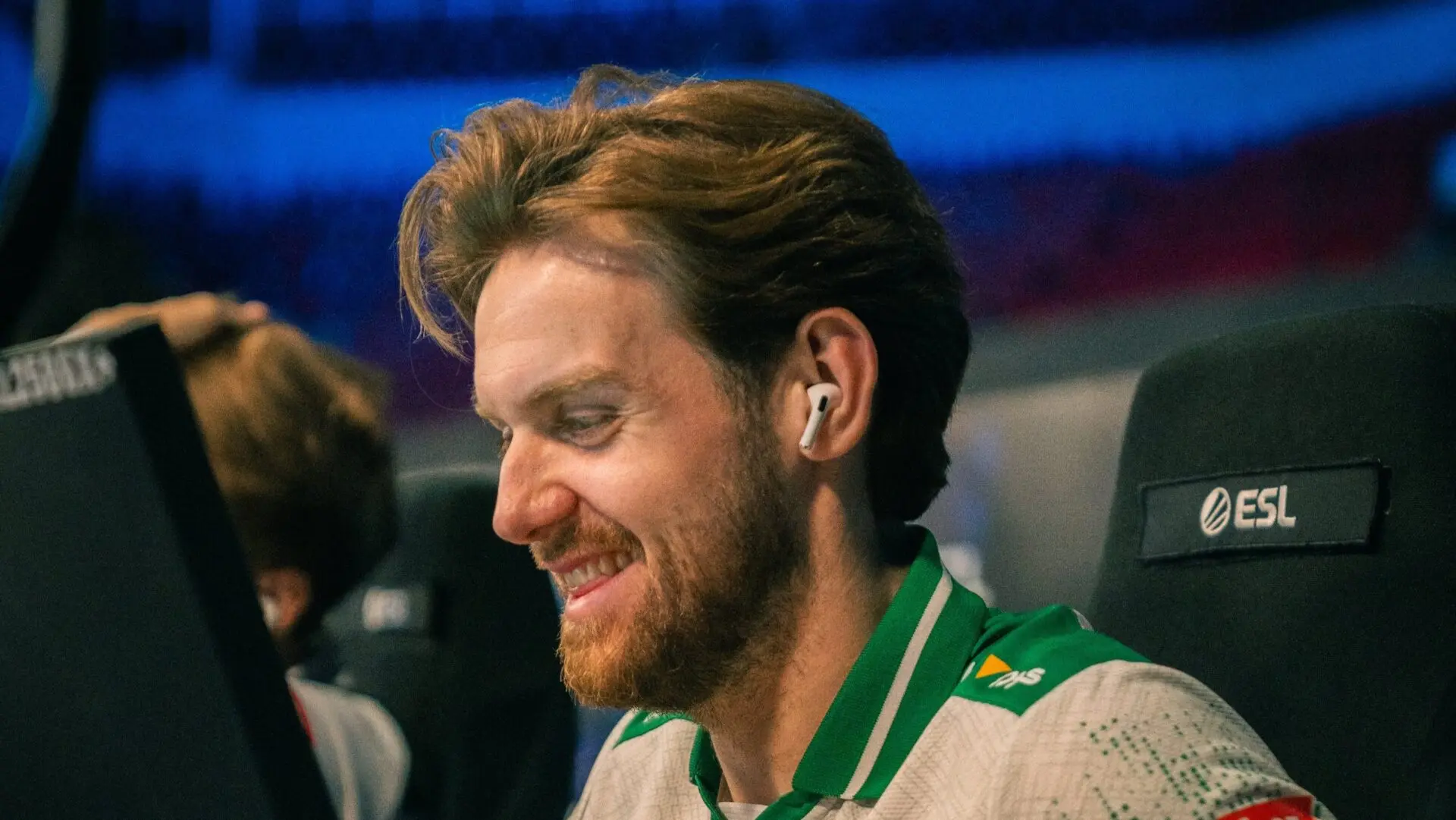
Then there’s Falcons, the field’s most intriguing science experiment. They’ve always had the firepower, with m0NESY and NiKo seeing to that, but lacked the structure to close. With karrigan, who has freshly arrived from FaZe, one of the most decorated in-game leaders the game has known. Whether his tactical fingerprints have had time to set before Cologne is the great unknown. And lurking beneath it all is the romance of the thing: NiKo, more than a decade into his career, still chasing the one trophy that has always eluded him. Cologne, as the saying goes, loves a story.
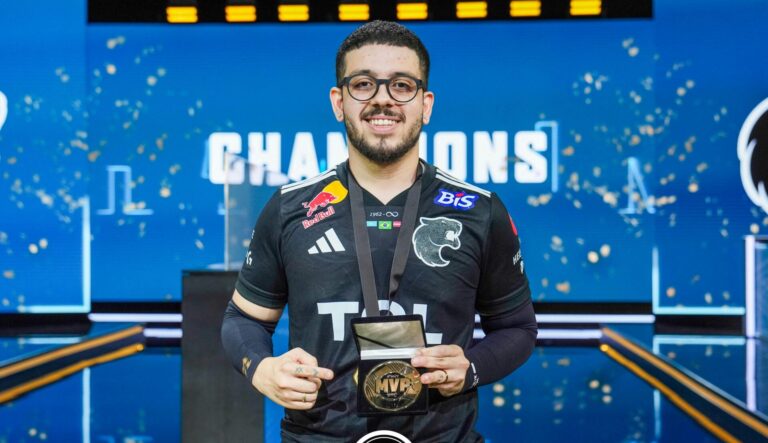
Round out the contenders’ tier and you’ve got The MongolZ, seventh on the VRS, fearless to the point of being uncomfortable to play against, and dangerous in any best-of-three; FURIA, the lone Americas Legends side with FalleN’s veteran nous and molodoy’s youthful menace, competitive against anyone but still short of a championship-defining run; and MOUZ, perennial deep-runners who feel more semifinal than trophy as their roster situation shuffles around them.
So, another Major for Vitality?
The honest answer is that the smart money says yes, and the smart money is right to. The VRS, the form, the individual ceiling, the bracket seeding, the sheer accumulated weight of expectation: every structural advantage points their way. They are the deepest, most complete team in the world, led by the best player on the planet, one win away from immortality. But Atlanta whispered something, and that is that this team is mortal after all. Vitality remain the team to beat. The trophy is theirs to lose. And in a tournament called the Cathedral, that’s precisely the kind of sentence that has a way of tempting fate. Now, we find out whose story Cologne decides to write.