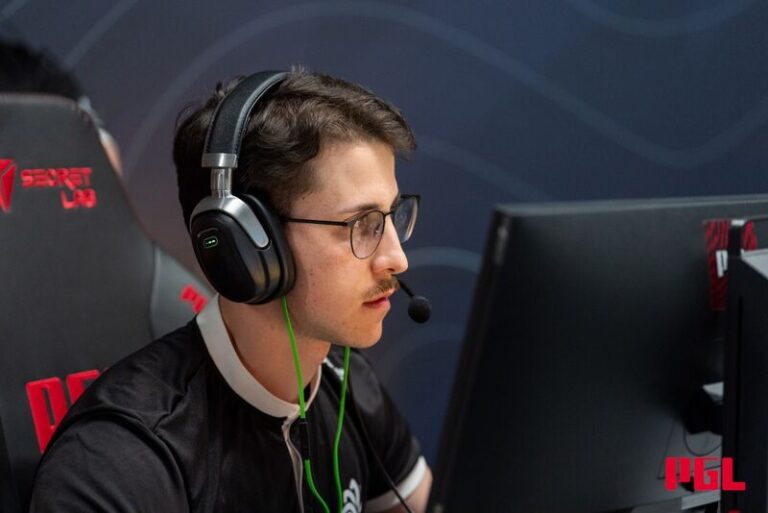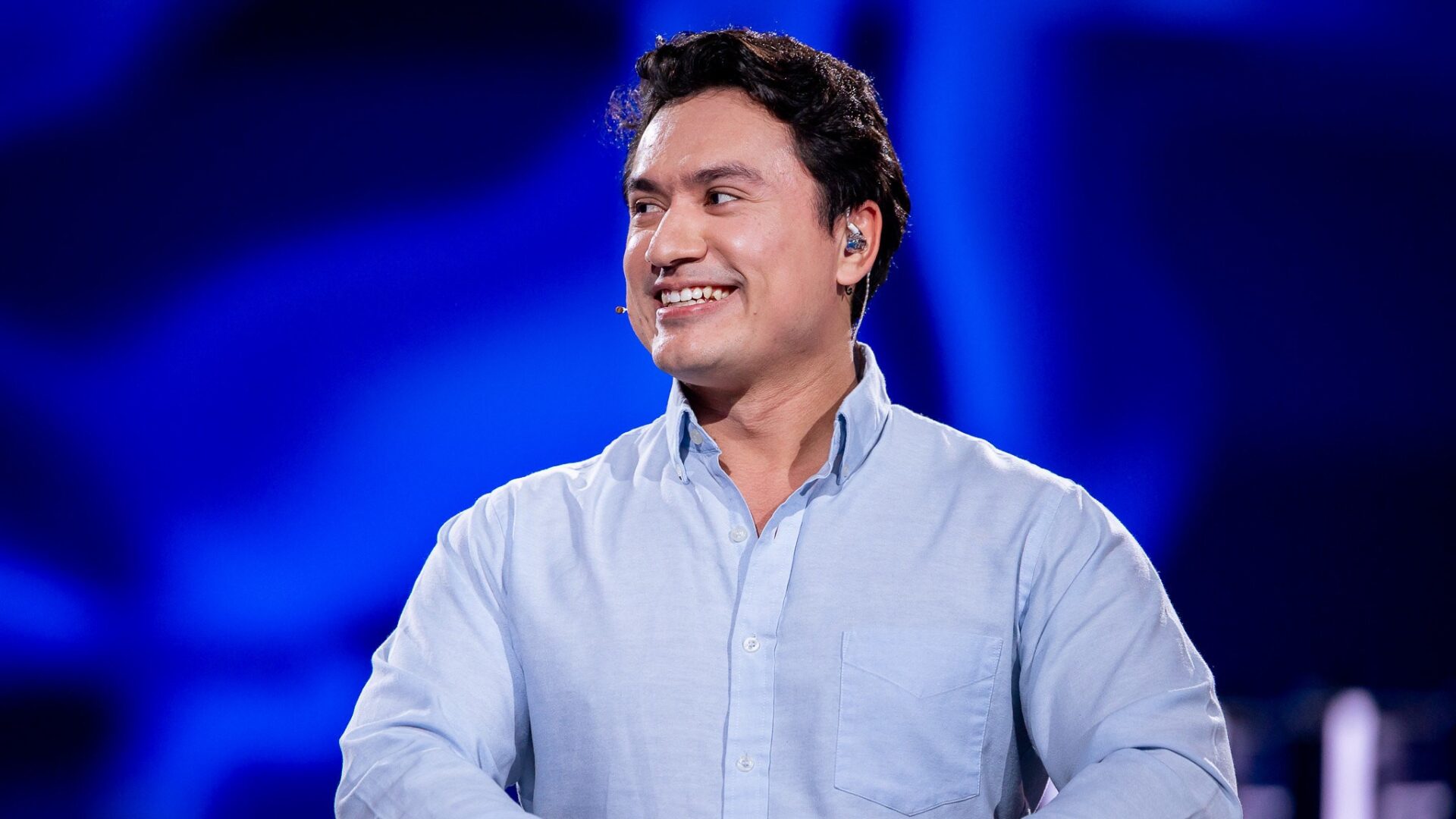
A discussion around Spirit’s coaching structure has appeared again. Mauisnake said that he would like to see S0tF1k as head coach, because in the analyst’s opinion, it was under him that Spirit executed team actions and grenade work better.
Why S0tF1k is being discussed again
S0tF1k’s name has returned to the center of discussion not simply because of nostalgia for Spirit’s previous results. He is being mentioned in the context of specific in-game details that affected the quality of team play: interaction, preparation for entries, proper flashes, and support for aggressive actions.
Mauisnake stated directly:
I want to see S0tF1k as head coach.
This phrase is important because it is not about random sympathy for the coach. The analyst is essentially saying that Spirit under S0tF1k had a different level of team organization, where the players’ individual strength was better supported by a system.
Flashes as the main argument
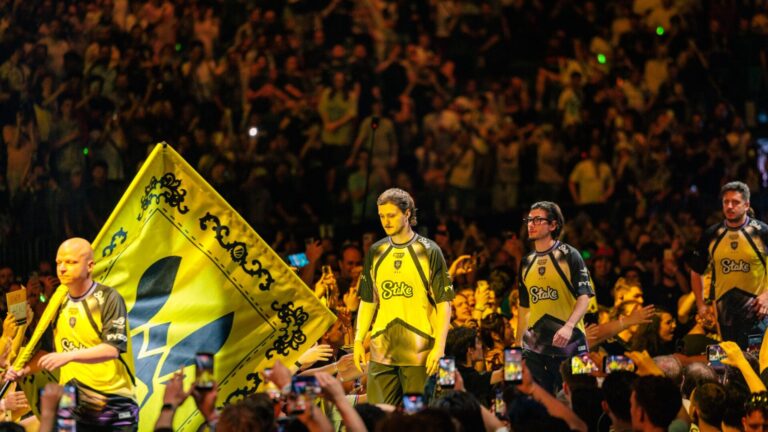
Mauisnake’s strongest argument is not a general phrase about “better play,” but a specific example from Spirit’s matches. He drew attention to how the team used flashes for simultaneous entries by two players onto a position.
Every time I saw two Spirit players entering a position at the same time, almost always a flash exploded perfectly right above their heads or behind their backs. That was exactly what constantly stood out at those tournaments when he was leading the team.
This is a very telling detail. In such moments, the viewer often sees only a frag or an aggressive entry, but behind it stands a prepared team action. When a flash pops at the right moment, the player gets not just a chance for a duel, but a real advantage even before first contact.
The statistics also add context
According to available data, S0tF1k’s period as Spirit’s coach looked quite strong. Under his leadership, the team won PGL Astana 2026 and also finished second at IEM Rio 2026. His coaching statistics over recent months also stand out with a high map win percentage and strong results on the CT side.
This does not mean that all the credit belongs only to the coach, but such results clearly explain why his candidacy is being discussed again. When a team shows not only victories, but also a quality structure in the game itself, the coach’s influence becomes more visible.

Spirit need more than aggression
The main question for Spirit now is not whether the team has enough individual strength. There are no problems with that. The question is different: can the team consistently turn that strength into controlled, disciplined, and repeatable play?
This is where Mauisnake’s words look logical. He is talking about the elements that often do not make it into highlights, but decide big matches. The timing of a flash, a synchronized entry, proper support from the second player — all of this can be the difference between chaotic aggression and a championship structure.
S0tF1k as a symbol of a more systematic Spirit
In this story, S0tF1k looks not just like a coach people want to bring back. He has become a symbol of a version of Spirit where individual aggression was better combined with team play. That is why his name is appearing again in conversations about the team’s future.
For Spirit, this is an important discussion. If the team wants to consistently fight for titles again, it needs not only star players, but also a clear system built around them. And according to Mauisnake, S0tF1k is associated precisely with the period when that system worked most visibly.
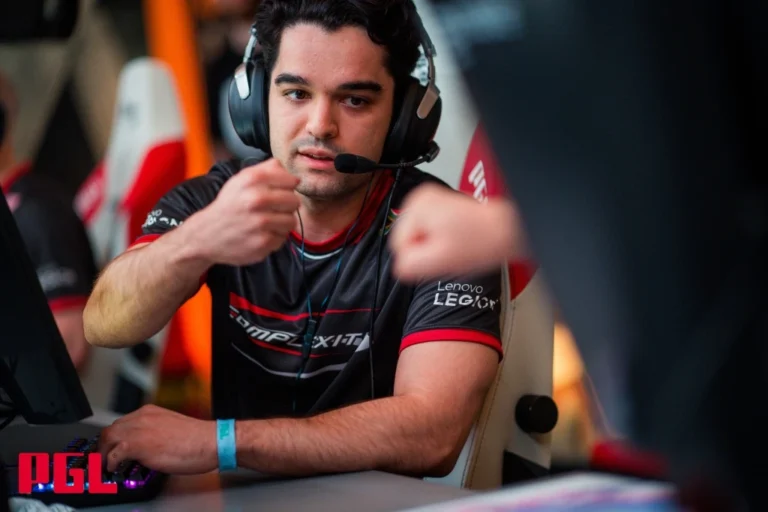
The coaching question is back in focus
Mauisnake’s statement is not an official inside report or confirmation of future changes. But it clearly shows how part of the analytical scene sees Spirit’s problems and potential. This is not only about results, but about the quality of team play inside rounds.
The main conclusion is simple: if Spirit want to return to their most stable version, they need not only to rely on individual actions, but also to restore their level of synchronization. That is exactly why S0tF1k once again looks like an important figure in the discussion about the team’s future.