
PGL Bucharest 2026 turned out to be a very revealing tournament: it produced several strong stories for second-tier teams, but at the same time left behind one important note — this event took place without the main giants of modern Counter-Strike. That is exactly why the results here should be evaluated soberly: it was a good test of the scene’s depth, but not a final verdict on the entire top hierarchy.
A tournament without the scene’s biggest giants changed the angle of evaluation
Before talking about the heroes and failures of Bucharest, it is important to establish the main context. PGL Bucharest 2026 did not gather the full set of the scariest teams in the current CS landscape, so the bracket and the overall competition looked less dense than at the biggest events of the season. This does not devalue the tournament, but it explains why some teams got a little more room here for a deep run than they would have had at an event with the full elite field.
That is exactly why the Bucharest results should be read as an intermediate snapshot of form. For some, this was a chance to capitalize on an open window and prove that they are ready for more. For others, it was a failure even under eased conditions, which already sounds much more alarming.
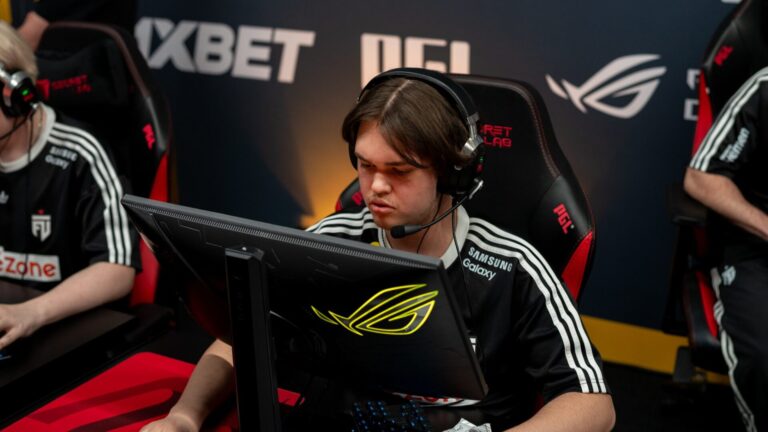
FUT, Astralis, The MongolZ, and 3DMAX came out of the tournament in the positive
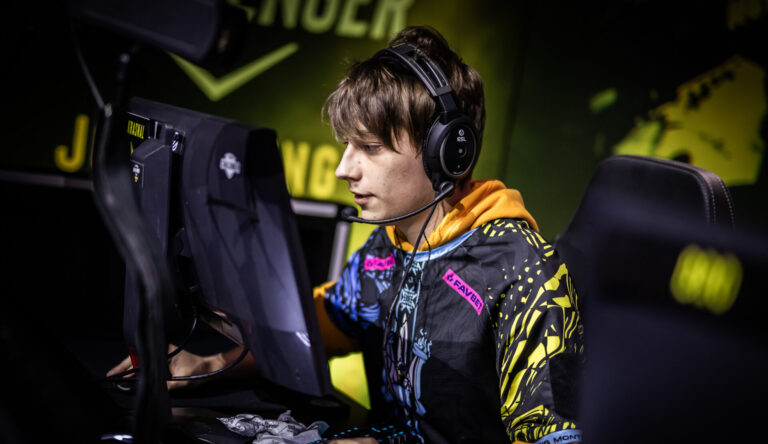
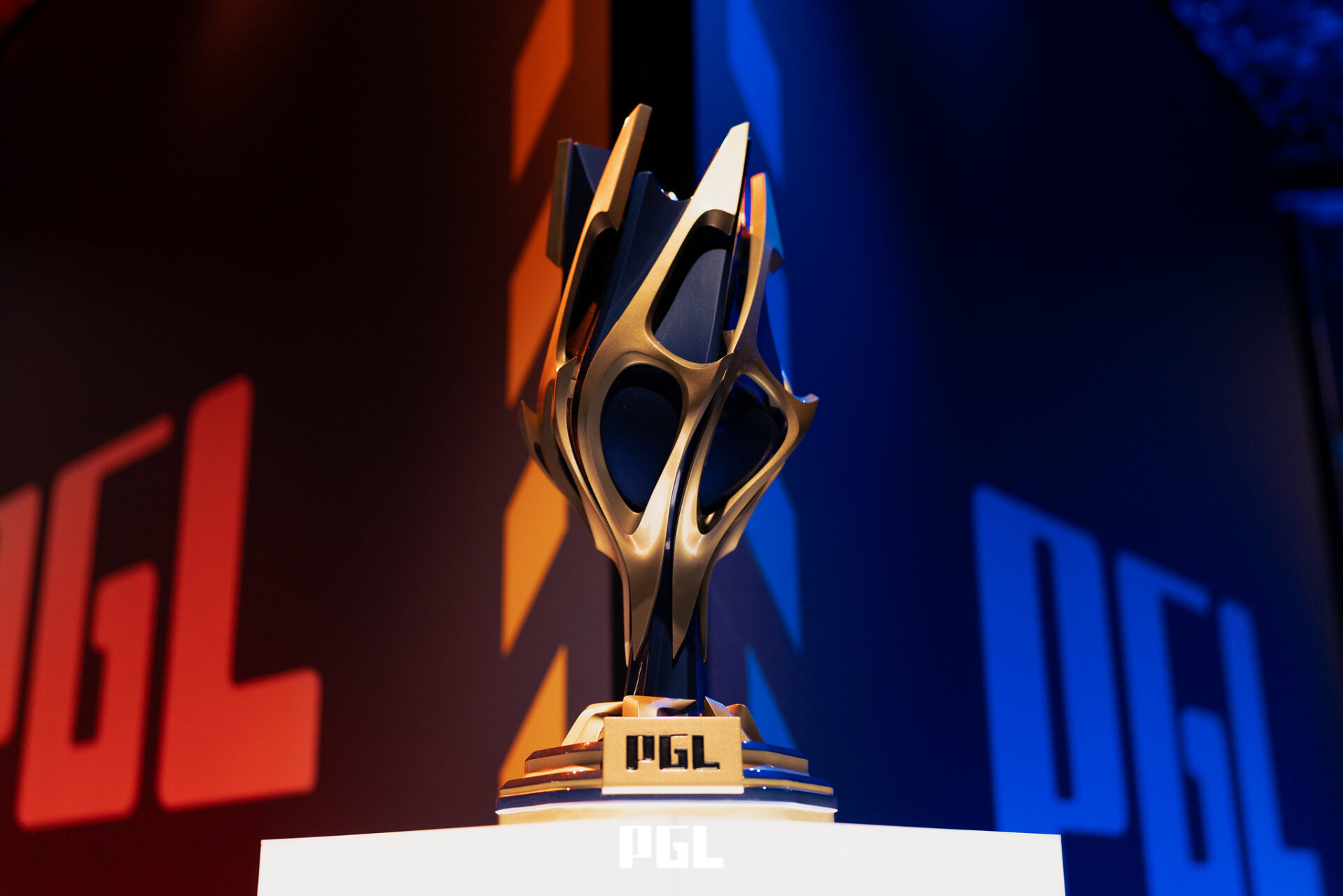
The main revelation of the tournament was FUT. Winning PGL Bucharest 2026 is not just a nice trophy, but a very strong claim to a new status. The team did not look like a one-off upset maker, but like a roster that had genuinely grown into the biggest final stretches. This story was further strengthened by cmtry’s MVP medal, which made FUT’s success feel even more complete.
Astralis also played a very strong tournament. For them, the final is not a triumph, but it is definitely an important step in the right direction. The team once again showed that it is capable of going deep at major tournaments, and its updated lineup no longer looks like a raw project without a ceiling.

The MongolZ also had a positive tournament. They did not reach the final, but once again confirmed that they are no longer an exotic team on the periphery of the top scene. Their run only underlined that this is a stable contender for high placements that feels comfortable in series against serious opponents.
3DMAX can also put Bucharest in the positive column. For the team, a top-four finish is not a cosmic-scale sensation, but it is a very useful result in terms of reputation. These are exactly the kinds of tournaments needed to cement status as a solid participant at major events rather than a random guest.
The biggest failures look even more painful precisely because of the softened context
The worst tournaments belonged to FaZe and Inner Circle. And it is important that both failures look bad not only because of the final placement itself, but because of the overall background.
In FaZe’s case, this is another blow to a team that is already living through a prolonged decline. If you collapse at a tournament without the full set of the scene’s current monsters, then it no longer sounds like a random slip-up, but like a deeper systemic problem. Bucharest gave FaZe no argument at all in favor of the idea that the team is beginning to come back to life.

Inner Circle also left a very weak impression. For a team of this level, this was a good opportunity to make a louder statement, but instead they remained in the group of teams that could not withstand even a tournament with a less brutal top end. In that kind of situation, there is simply no basis yet for talking about a serious breakthrough.
BC.Game, NRG, and PARIVISION ended the event with unpleasant questions
There are teams that should not be thrown into the category of complete failure, but they do not have many excuses either. BC.Game belong exactly here. Their tournament hangs somewhere between a weak performance and unrealized potential. In other words, it is still too early to cut deep, but the suspicion that the project is stalling only grew stronger after Bucharest.
NRG and PARIVISION should also be included among those who failed to meet expectations. NRG’s tournament was far too quiet to speak of any serious positive takeaway. The team did not collapse loudly, but it also left no feeling whatsoever that it was really fighting for something bigger.

PARIVISION also left a mixed impression. On paper, this is a team expected to make deep runs and apply steady pressure against strong opponents. But in Bucharest it did not live up to that image. And that is exactly why this result reads not as a catastrophe, but as a very unpleasant underperformance.
Wildcard look like an interesting team for the future
Wildcard stand on a separate shelf. They should not be listed among the main revelations of this particular tournament, but after Bucharest they look like one of the most interesting teams in the longer term. The updated roster has the traits of a project that could still make a leap if it finds stability and a slightly wider margin of strength against stronger opponents.
So right now, Wildcard are not about a huge result here and now, but about a team that genuinely makes sense to keep watching.
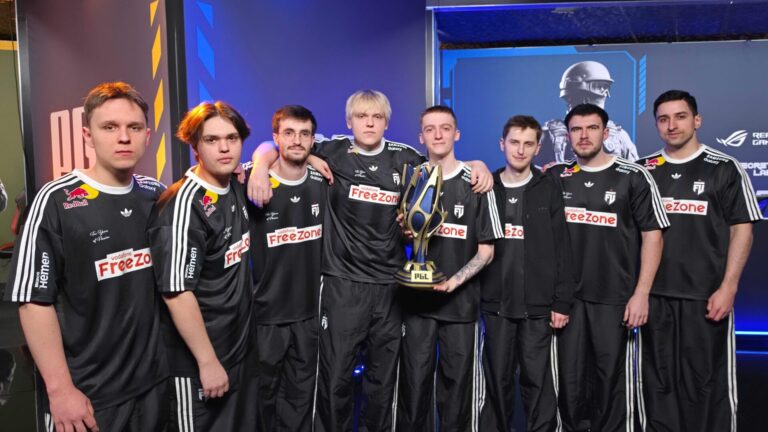
Bucharest delivered useful conclusions, but did not redraw the entire map of the scene
PGL Bucharest 2026 turned out to be a tournament of contrasts. FUT, Astralis, The MongolZ, and 3DMAX used their chance and came out of the event with reputational gains. FaZe and Inner Circle failed especially painfully because they did so at a tournament without the full set of the main predators of modern CS. And BC.Game, NRG, and PARIVISION left behind more questions than answers.
The main conclusion here is simple: Bucharest did not turn the scene upside down, but it showed very clearly who knows how to take advantage of open opportunities and who, even in more comfortable conditions, is unable to put together a strong tournament.