
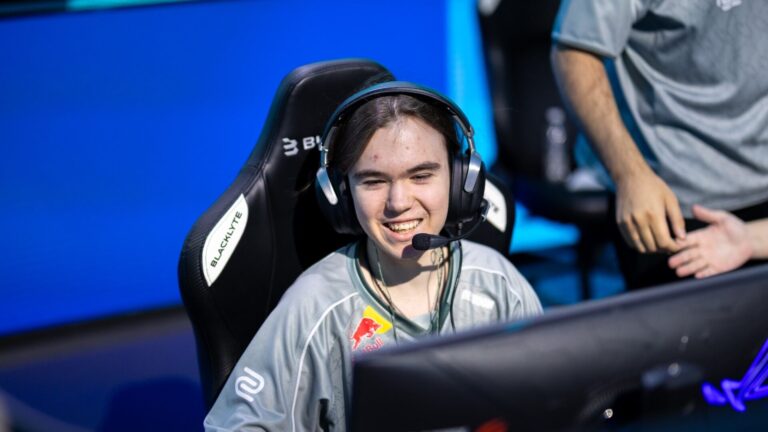
FlyQuest’s try of reaching a tier-1 tournament in China has ended before a single round was played. The Australian roster was set to face TYLOO in the grand final of the IEM Beijing 2026 Asia Closed Qualifier on September 4, 2026. Instead, organizers awarded TYLOO a technical win after a network failure made the match impossible to play.
This story stands out because it wasn’t a tactical mistake or a roster issue that decided a Counter-Strike 2 slot at a Tier 1 event. It was infrastructure. A broken undersea or backbone connection between Australia and Singapore pushed ping above 200 milliseconds, a level at which competitive play simply cannot happen. For a team that had fought through a full bracket to reach the final, losing the spot to a technical issue is a frustrating way to end a qualifier run.
The Road to the Grand Final
The Asia Closed Qualifier ran from September 2 to September 4, 2026, using a double-elimination format. TYLOO, Lynn Vision Gaming, FlyQuest, and DEPO received direct invites into the eight-team bracket, while the remaining four spots were filled through open qualifiers. FlyQuest dropped into the lower bracket early after a loss to Rare Atom, then fought back by beating Kaleido, DEPO, and Rare Atom again to reach the decider. TYLOO, meanwhile, advanced through the upper bracket, defeating DEPO and Rare Atom along the way.
Both teams had already used one qualifier match against different opponents to reach this stage. Winning the grand final would have sent the victor to IEM Beijing 2026, one of the year’s marquee CS2 events. Instead, the match never even started.
What Actually Happened
Organizers explained that the physical connection between Australia and Singapore had broken down. This drove ping past 200 milliseconds for all traffic on that route. The venue had several backup internet providers connected, but the fault hit the entire path between Australia and Asia, not just one provider. As a result, no workaround could restore a playable connection.
The timing ruled out a reschedule too. TYLOO plays in FISSURE Playground the next day, so no window existed to push the match back and wait for the connection to stabilize . Given the deadline and the region-wide fault, organizers ruled the match a forfeit. TYLOO took the win and the tournament slot.

A Frustrating End for FlyQuest
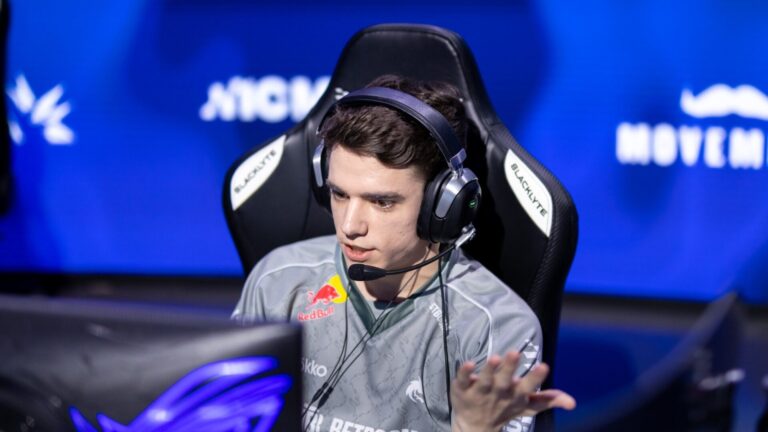
Nothing points to a dispute, a rules violation, or foul play from either side. Geography and network infrastructure simply worked against one team on a critical day. TYLOO now moves on to IEM Beijing 2026 with a spot secured. Meanwhile, FlyQuest’s qualifier campaign ends in the worst possible way: undefeated on the server, but with no chance to finish the job.
This case highlights a recurring challenge in online CS2 qualifiers. Teams based far from the host region, like Australian rosters playing on Asian servers, stay vulnerable to connectivity problems that have nothing to do with skill or preparation. FlyQuest reached a grand final, only to lose it to a damaged cable. That outcome shows how even the best qualifier run can fall apart from circumstances a team can’t control.