
Across all three stages of the IEM Cologne 2026 Major, the tournament features players from more than 15 different nationalities, ranging from traditional powerhouses like Russia, Brazil, and Denmark to rising regions like Mongolia, China, and Australia. Stage 1 highlights the depth of Brazil and the growing legitimacy of Asian Counter-Strike, while Stage 2 introduces more established contenders like Spirit, G2, and Astralis. By Stage 3, the Major becomes packed with superstar-heavy rosters and championship-level experience.
What stands out most is how modern CS2 has moved beyond purely national teams. International lineups like NAVI, Vitality, and G2 now coexist alongside culturally unified squads like Aurora and The MongolZ. The result is one of the most diverse and unpredictable Major fields Counter-Strike has ever seen.
Stage 1: Brazil and China lead the charts
In the Stage 1 of the IEM Cologne Major 2026, what stands out immediately is how Brazil continues to flood the Major pipeline. Even in Stage 1 alone, Brazilian players make up the single largest nationality group. Teams like MIBR, Gaimin Gladiators, and Sharks are almost entirely Brazilian, while other rosters mix Brazilian talent into international systems. The region’s identity hasn’t changed much over the years either: aggressive rifling, emotional momentum, and teams that can either upset anyone or implode spectacularly. Community sentiment around Brazilian CS right now is interesting because fans seem split between optimism and frustration. A lot of people still believe Brazil has enough raw talent to produce another elite contender, but there’s also a growing feeling that many of these lineups are stuck in the “dangerous but inconsistent” tier. That especially applies to teams like MIBR, who always seem one good tournament away from becoming relevant again.
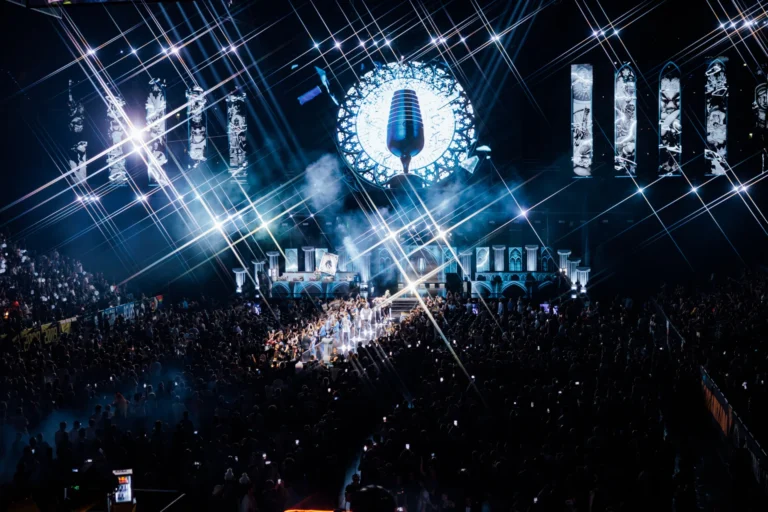
China is probably the most fascinating storyline in Stage 1. TYLOO and Lynn Vision together give Asia a stronger presence than many expected heading into the Major cycle. Chinese Counter-Strike has spent years hovering around the edge of relevance internationally, but this feels different. The mechanical level is clearly improving, and more importantly, these teams are finally gaining regular international experience. TYLOO still carries that chaotic “ranked game energy” fans joke about online, but there’s genuine structure underneath it now. Lynn Vision, meanwhile, has quietly become one of the more disciplined Asian teams in the scene. People are starting to expect real upsets from these teams rather than treating them as automatic 0-3 candidates.
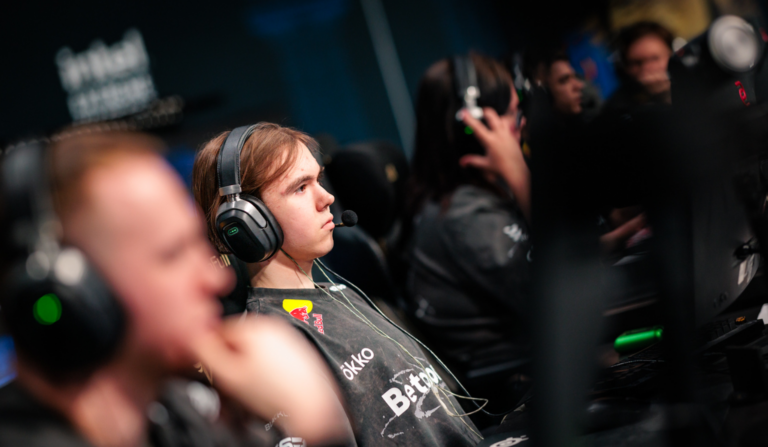

Australia also deserves attention because Stage 1 includes both FlyQuest and THUNDER dOWNUNDER, giving Oceania unusual depth at a Major. Australian Counter-Strike has always had this stubborn resilience to it. Even when the region loses players overseas or struggles financially, another lineup somehow appears. FlyQuest looks like the more polished roster, especially with veterans like jks bringing stability, but THUNDER dOWNUNDER has become a fan-favorite underdog team simply because they embody old-school Aussie CS.
Europe still dominates the overall numbers, though, especially once you look at the spread of nationalities. Russia, Ukraine, Sweden, Denmark, Germany, and Poland are everywhere across the Stage 1 field. BetBoom, B8, BIG, HEROIC, SINNERS, and GamerLegion all reflect how deep the European ecosystem still is. But unlike older Majors where teams were mostly single-country rosters, modern European Counter-Strike is heavily mixed. International lineups are now the norm rather than the exception. HEROIC alone combines Turkish, Swedish, and Danish talent, while GamerLegion pulls players from multiple European countries into one roster. That trend says a lot about how the scene has evolved: organizations care less about nationality and more about finding the best five players who can function together in English.
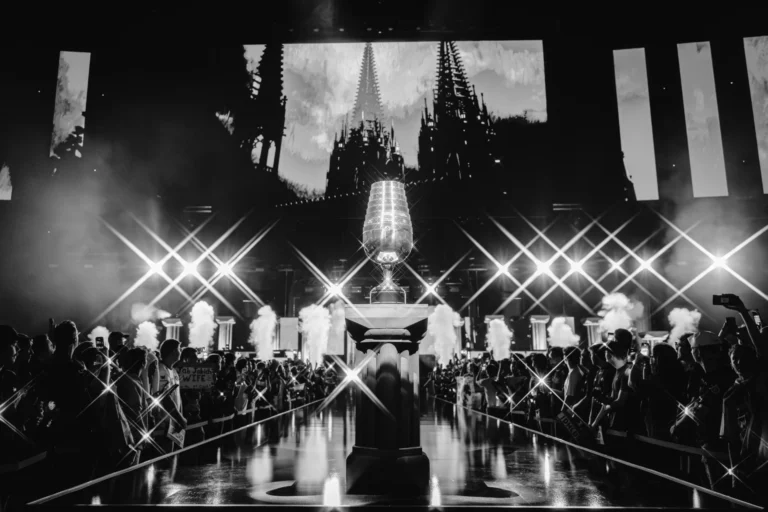
One of the coolest things about this Stage 1 lineup is that it genuinely feels unpredictable. There are established names like Liquid and BIG, volatile dark horses like BetBoom, rising Asian squads, struggling veterans, and first-time Major organizations all thrown into the same Swiss format. The nationality spread reflects that chaos perfectly. This isn’t just Europe versus NA anymore. It’s Brazil trying to reclaim relevance, Asia trying to prove legitimacy, Oceania trying to survive internationally, and Europe trying to hold onto its throne all at once.
Nationality | Count |
|---|---|
Brazil |
11 |
China |
10 |
Australia |
10 |
Ukraine |
5 |
Russia |
5 |
Sweden |
4 |
USA |
4 |
Germany |
4 |
Poland |
4 |
Denmark |
3 |
Czechia |
2 |
Argentina |
2 |
North Macedonia |
1 |
Romania |
1 |
Canada |
1 |
Guatemala |
1 |
Hungary |
1 |
Serbia |
1 |
South Africa |
1 |
Turkey |
1 |
Stage 2: Brazil still far ahead of any other Nation
Stage 2 of the IEM Cologne 2026 Major feels a lot more top-heavy than Stage 1. While the opening stage was packed with regional underdogs and developing scenes, Stage 2 introduces organizations and players that fans already expect to see deep in playoff brackets. The nationality spread narrows slightly here, but the concentration of elite talent becomes much more obvious. Brazil still dominates the numbers overall, but this stage is really where Eastern Europe starts to take over the conversation.
Spirit instantly becomes the centerpiece of Stage 2 because of one name: donk. Even outside dedicated CS circles, donk has become one of the biggest attractions in Counter-Strike. Spirit’s Russian-heavy core mixed with zont1x from Ukraine continues the trend of CIS rosters blending talent across the region. The general feeling is that Spirit no longer plays like a young team trying to prove itself. Fans now expect trophies from them, especially after winning PGL Astana 2026.
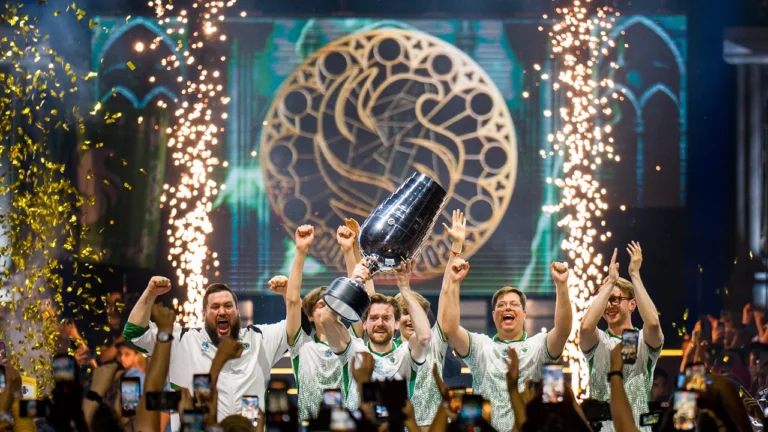
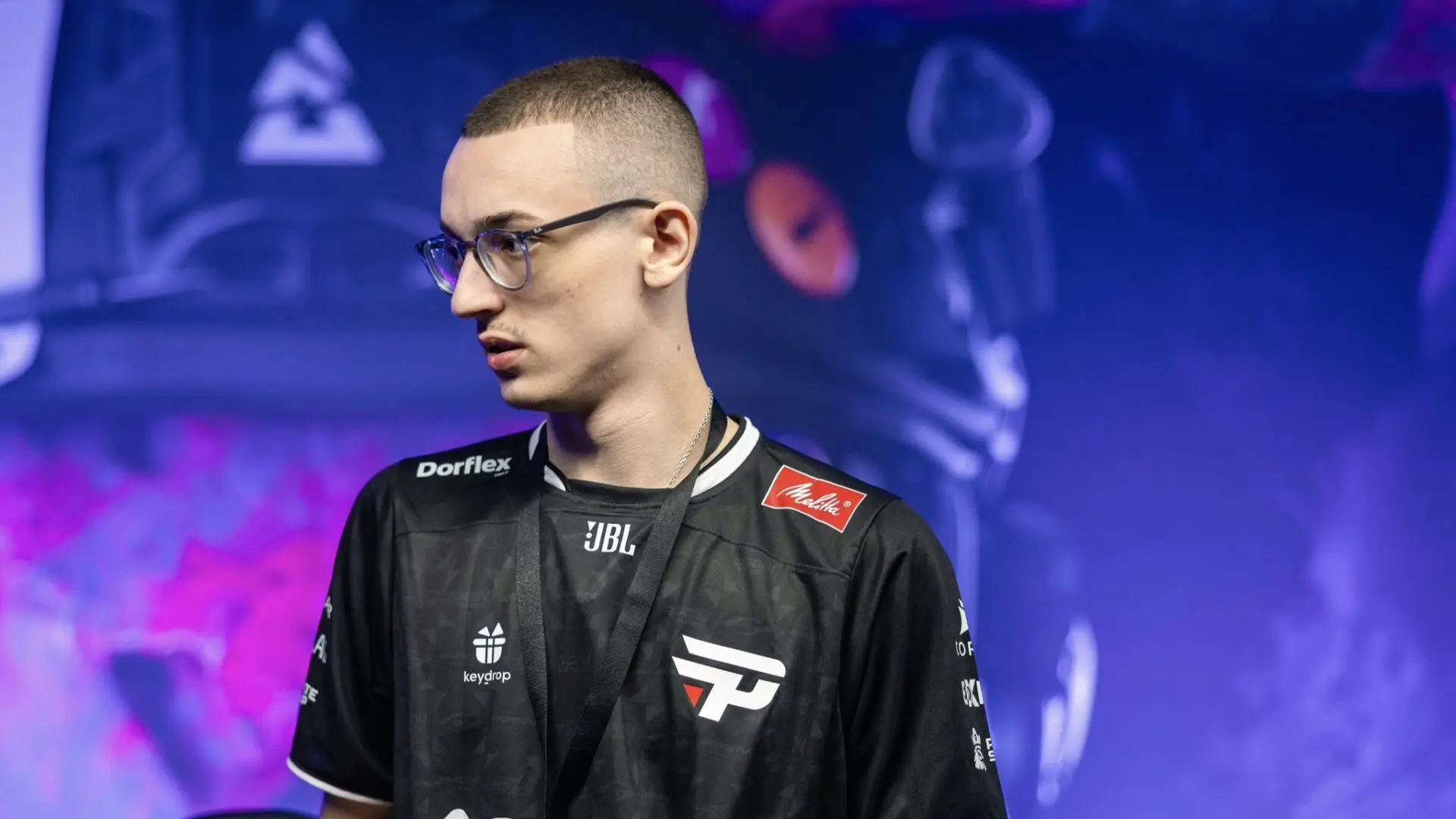
Brazil remains incredibly visible in Stage 2 as well. Legacy and paiN together account for half of the Brazilian representation in this group, and both teams reflect two very different sides of the region. Legacy feels like classic Brazilian Counter-Strike: emotional, aggressive, and momentum-based. paiN, meanwhile, has slowly built a reputation for being more structured and internationally adaptable. Brazilian fans especially seem confident about paiN’s ceiling right now, largely because the team looks tactically cleaner than many previous Brazilian lineups that relied purely on mechanics.
Then there’s Astralis, a heavily Danish lineup carrying one of the most iconic names in Counter-Strike history. Even though Astralis is no longer the untouchable dynasty it once was, the organization still carries an aura around Major events. Every time they appear on stage, fans immediately start comparing the current roster to the legendary 2018 era, which honestly might be unfair to any modern lineup.
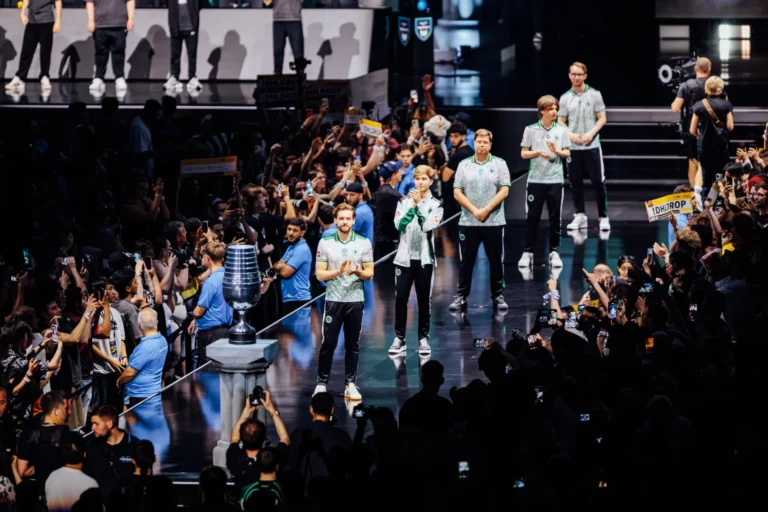
G2 is one of the more interesting international mixes in Stage 2. The roster combines players from Bosnia, Israel, Spain, Slovakia, and Romania. Monte and FUT continue another growing theme in Counter-Strike: smaller organizations becoming internationally relevant through smart scouting. Monte’s roster spreads across Bulgaria, Lithuania, France, and the UK, while FUT mixes Ukrainian, Romanian, Kosovan, and Lithuanian talent. Five years ago, teams like these probably wouldn’t have been considered serious Major threats. Now, fans actively expect them to upset bigger names. That shift says a lot about how deep the global talent pool has become. The nationality spread in Stage 2 might be smaller, but the quality attached to those nationalities is significantly higher.
Nationality | Count |
|---|---|
Brazil |
10 |
Russia |
5 |
Denmark |
4 |
Israel |
4 |
Ukraine |
3 |
Lithuania |
3 |
Uruguay |
2 |
United Kingdom |
2 |
Bosnia & Herzegovina |
1 |
Spain |
1 |
Slovakia |
1 |
Romania |
1 |
Kosovo |
1 |
France |
1 |
Belarus |
1 |
Bulgaria |
1 |
Stage 3: Russia overtakes all other nations
Stage 3 is where the title contenders start stacking on top of each other. Nearly every roster here has either Major-winning experience, superstar-level firepower, or a system that fans genuinely believe can make a deep run in Cologne. The nationality spread also shifts heavily toward established Counter-Strike powerhouses, especially Eastern Europe and Turkey.
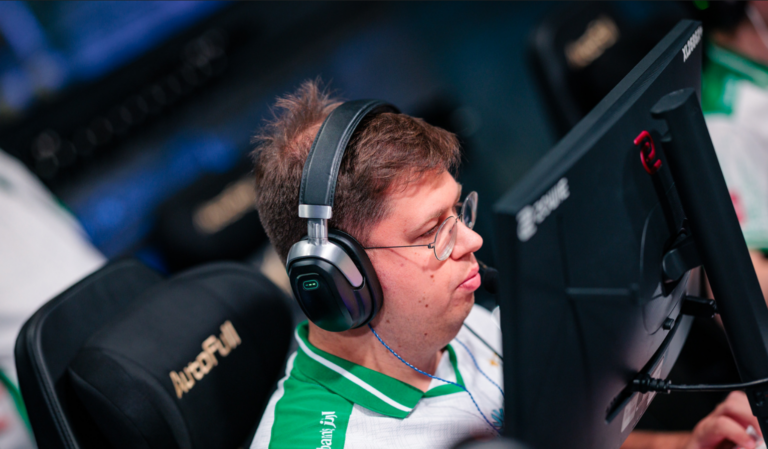
Russia completely dominates the player count in Stage 3, and honestly, that feels fitting given how much of modern CS2 revolves around CIS talent right now. Spirit and PARIVISION alone bring massive Russian representation, while players like donk, sh1ro, and Jame continue to shape the identity of top-tier Counter-Strike. The region’s style has evolved over the years too.

Turkey also has a massive presence in this stage thanks almost entirely to Aurora. MAJ3R, XANTARES, woxic, soulfly, and Wicadia give Stage 3 one of the most nationally unified lineups in the tournament. Turkish Counter-Strike has always had an incredibly passionate fanbase, but this current Aurora roster feels different because expectations are finally catching up to the hype.
Vitality enters Stage 3 carrying a very different kind of pressure. Their roster is spread across France, Estonia, Israel, and the UK, but the conversation always circles back to one player: ZywOo. Every Major involving Vitality eventually becomes part team discussion and part ZywOo legacy debate. There’s a growing opinion that we’re watching one of the greatest individual peaks Counter-Strike has ever seen, especially because ZywOo manages to look effortless while doing things that shouldn’t be mechanically possible.
Then there’s NAVI, which might quietly be one of the most internationally balanced superteams in the event. Finnish leadership through Aleksib, Romanian firepower from iM, Ukrainian stars like b1t and w0nderful, plus makazze representing Kosovo gives the roster a genuinely modern identity. This version of NAVI reflects the broader direction elite Counter-Strike is heading toward. Nationality matters less than flexibility, communication, and finding players who can thrive inside structured systems.
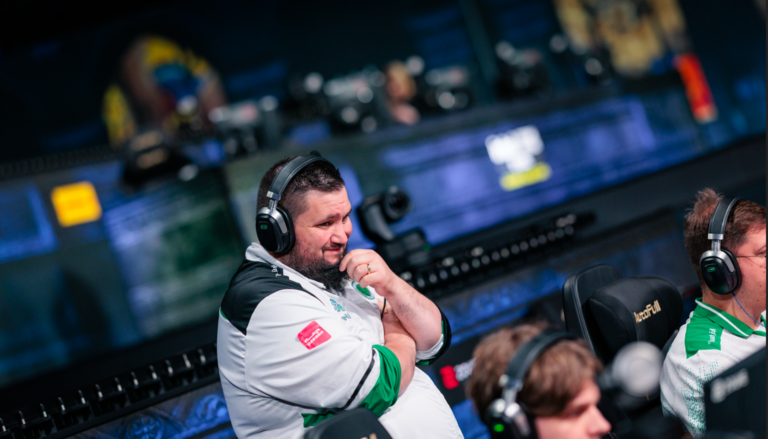
The MongolZ remain one of the coolest stories in the entire Major. A fully Mongolian lineup reaching this level consistently is no longer a novelty. They’ve earned real respect internationally. MOUZ and FURIA round out the stage with two completely different identities. MOUZ boasts players from Sweden, Hungary, Israel, and Poland blended together into a polished system. FURIA, meanwhile, still carries that unmistakable Brazilian energy. Even after roster changes and stylistic adjustments over the years, the team still plays with emotion and confidence that makes every match feel volatile.
Nationality | Count |
|---|---|
Russia |
8 |
Turkey |
5 |
Brazil |
3 |
Ukraine |
3 |
Israel |
3 |
Denmark |
2 |
France |
2 |
Mongolia |
2 |
Sweden |
1 |
Estonia |
1 |
United Kingdom |
1 |
Finland |
1 |
Romania |
1 |
Kosovo |
1 |
Bosnia & Herzegovina |
1 |
Latvia |
1 |
Kazakhstan |
1 |
Hungary |
1 |