
A CS2 player salary usually comes from multiple sources. Players earn through team salaries, prize money, sticker revenue, streaming, and sponsorship deals. For top players, qualifying for a Major can matter as much as a deep playoff run because Valve’s in-game sticker system has become one of the industry’s most significant revenue sources. Prize pools remain important, but they represent only part of the financial picture. A player’s actual earnings depend on contract terms, team status, and Major-related payouts.
How Do Pros Make Money?
Pros earn most of their income from contracts. In top CS2 teams, reported salaries can reach tens of thousands of dollars per month, while rare superstar deals, such as NiKo’s reported contract, can approach $100,000 per month. Qualifying for a Major adds far more in a single payout. Valve shares 50% of Major item revenue with the tournament organizer, teams, and players. At past events, some players reportedly earned more than $200,000 from sticker sales alone. Prize money, hardware sponsorships, and streaming revenue provide extra income, although contract terms determine how much players ultimately keep.
CS2 Players’ Salaries
Tier 1 and Tier 2-3 CS2 players salary compared
CS2 salary levels vary by competitive tier. Top organizations usually offer higher guaranteed salaries because they value consistent results, player popularity, and Major qualification. Long-term contracts with stronger financial guarantees are more common among Tier 1 players, while Tier 2 and Tier 3 competitors often rely on tournament earnings, potential transfers, and opportunities to join larger organizations.
Player tier | Estimated monthly salary | Income profile |
|---|---|---|
Tier 1 superstar |
$50,000-$100,000+ |
Highest contracts, stronger sponsor value, major role in roster spending |
Tier 1 regular player |
$15,000-$50,000+ |
Stable club salary, larger bonuses, better access to sticker revenue |
Tier 2 player |
$5,000-$10,000 |
Lower fixed salary, prize money matters more, Major runs can change income |
Tier 3 player |
$1,000-$5,000 |
Smaller contracts, less stable income, fewer sponsor and sticker opportunities |
The gap between tiers is significant because CS2 income is closely tied to organizational budgets. A player in a lower tier may have the same workload as a Tier 1 player, but the financial rewards are often much lower without a stable salary, Major exposure, and sponsorship opportunities.
Tournament Winnings
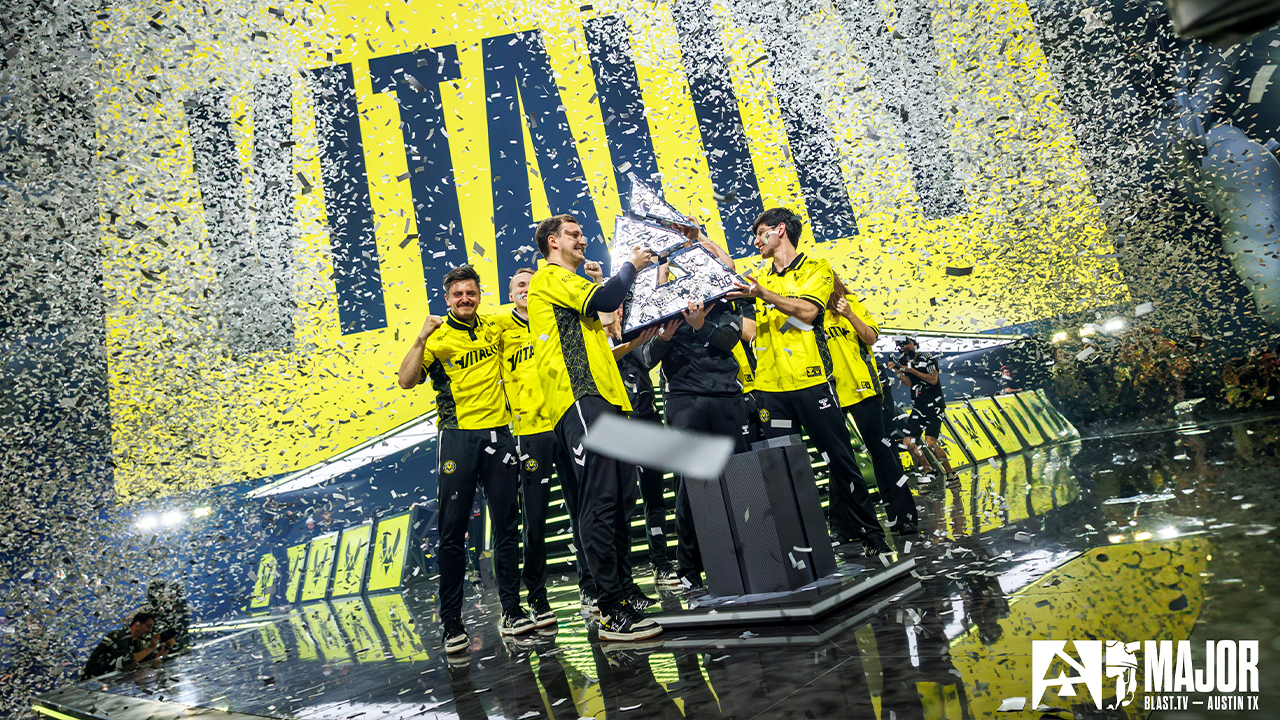
CS2 tournaments range from local and regional events to online cups, league seasons, elite LAN tournaments, and Valve Majors. The latter anchor the competitive circuit with standard prize pools of $1,250,000, while events such as IEM and ESL Pro League also provide premier international competition. The level of a tournament directly influences earnings because higher-tier events offer larger prize pools and greater financial rewards for players who perform well.
Tournament winnings can significantly increase a player’s annual income, but they’re not always a stable source of revenue. Prize earnings depend on team results and internal agreements between players and their organizations. A playoff finish at a major LAN event can add a substantial payout to a player’s fixed salary. For Tier 2 and Tier 3 players, prize money is often even more important because guaranteed salaries are usually lower.
Livestreams
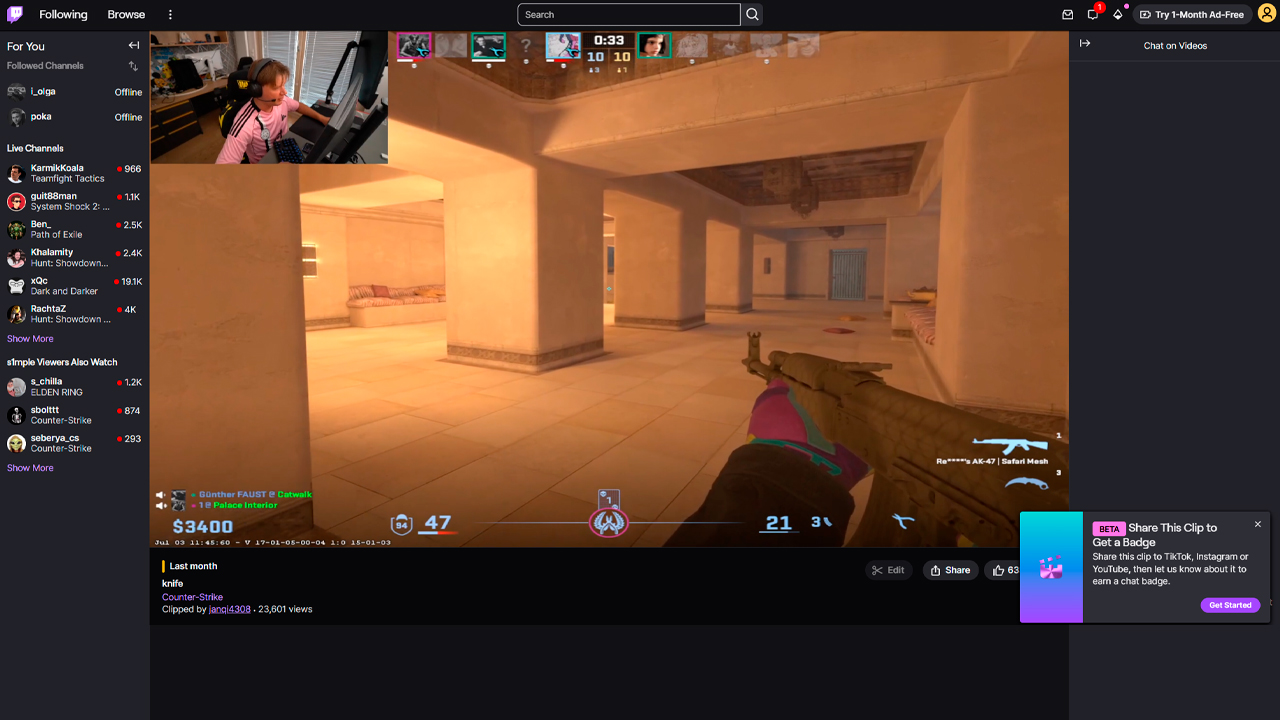
Livestreaming can provide CS2 pros with additional income, especially when they have a large enough audience to attract regular viewers. Twitch monetization includes subscriptions, Bits, ads, and sponsorship opportunities. Direct donations and merchandise sales are usually handled through external services, but streams give players a platform to promote them.
Oleksandr “s1mple” Kostyliev is an example of a professional player who streams regularly. He remains an active Counter-Strike player and runs a Twitch channel with a large audience. s1mple streams matches, FACEIT games, and interacts with viewers between tournaments. His channel demonstrates how streaming can supplement the income of top players. In contrast, lower-tier players often use streaming to build their personal brand, increase their market value, and attract future contract opportunities.
Brand Advertising
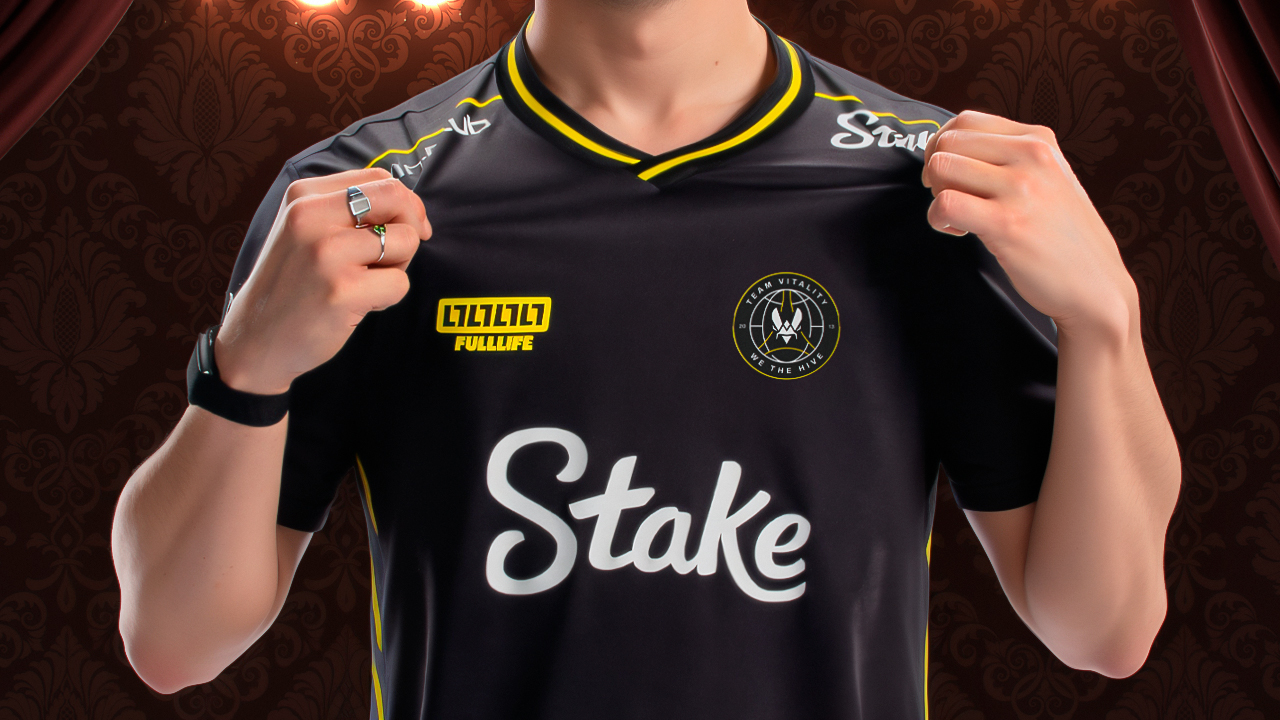
Brand partnerships can provide another source of income for CS2 players with a large fanbase. Most deals are related to gaming equipment, but players with a stronger personal brand can also appear in campaigns outside esports, as demonstrated by Team Vitality’s partnerships with Magnum and Ben & Jerry’s.
- Gaming Peripherals: Mice, mechanical keyboards, custom mousepads, and professional headsets.
- Computer Hardware: Monitors, graphics cards, and gaming PCs.
- Gaming Comfort: Gaming chairs and specialized desks.
- Lifestyle & Food: Energy drinks, soft drinks, and snacks.
- Digital Platforms: Third-party skin marketplaces and trading sites.
Stickers in CS2
Major stickers were previously sold through capsules, where fans purchased randomized team and player stickers during the event. Valve changed this model for IEM Cologne 2026 by moving stickers to the Major Shop. Instead of opening capsules, fans can buy specific stickers with tokens. Prices are no longer fixed in the same way, as demand can raise or lower the cost of each item. Valve also added partial refund protection when a sticker drops by more than 25 tokens within 24 hours after purchase.
The revenue-sharing model has also changed. Valve states that 50% of Major Shop and Major Pass revenue is shared among the tournament organizer, teams, and players. Payouts are based on VRS rankings until the grand final, after which they are determined by the final tournament standings. Half of each team’s royalty goes to the organization, while the other half is divided equally among the five players.
FAQ
-
How much can a professional CS2 player earn per month?
A professional CS2 player can earn anywhere from around $1,000 per month in the lower tiers to $50,000 or more in Tier 1. Elite salaries are usually estimated rather than officially confirmed, with top contracts reportedly reaching between $50,000 and $100,000 per month.
-
Do CS2 players make more money from salaries or tournament prizes?
For Tier 1 players, fixed salaries are usually the more stable source of income. For lower-tier players, tournament prize money can play a larger role because their base salaries are lower and less predictable. However, prize money is often shared among players, coaching staff, and organizations.
-
How much can CS2 players earn from sticker sales?
Sticker earnings can be substantial for Major-qualified players, but the exact amount varies. Past reports suggested that some Major sticker payouts reached around $200,000-$300,000 per player, while the newer Major Shop model ties revenue more directly to demand, VRS ranking, and final tournament placement.



![Desert Eagle Heat Treated CS2 Guide & Patterns [2026]](https://community.skin.club/wp-content/uploads/2024/10/Main-x-Name-9-768x432.jpg)
![How to Get a Service Medal in CS2: Full Guide [2026]](https://community.skin.club/wp-content/uploads/2024/10/Main-x-Name-5-768x432.jpg)
![Recoil Control in CS2: Explanation and Tips [2026]](https://community.skin.club/wp-content/uploads/2024/10/Main-768x432.jpg)