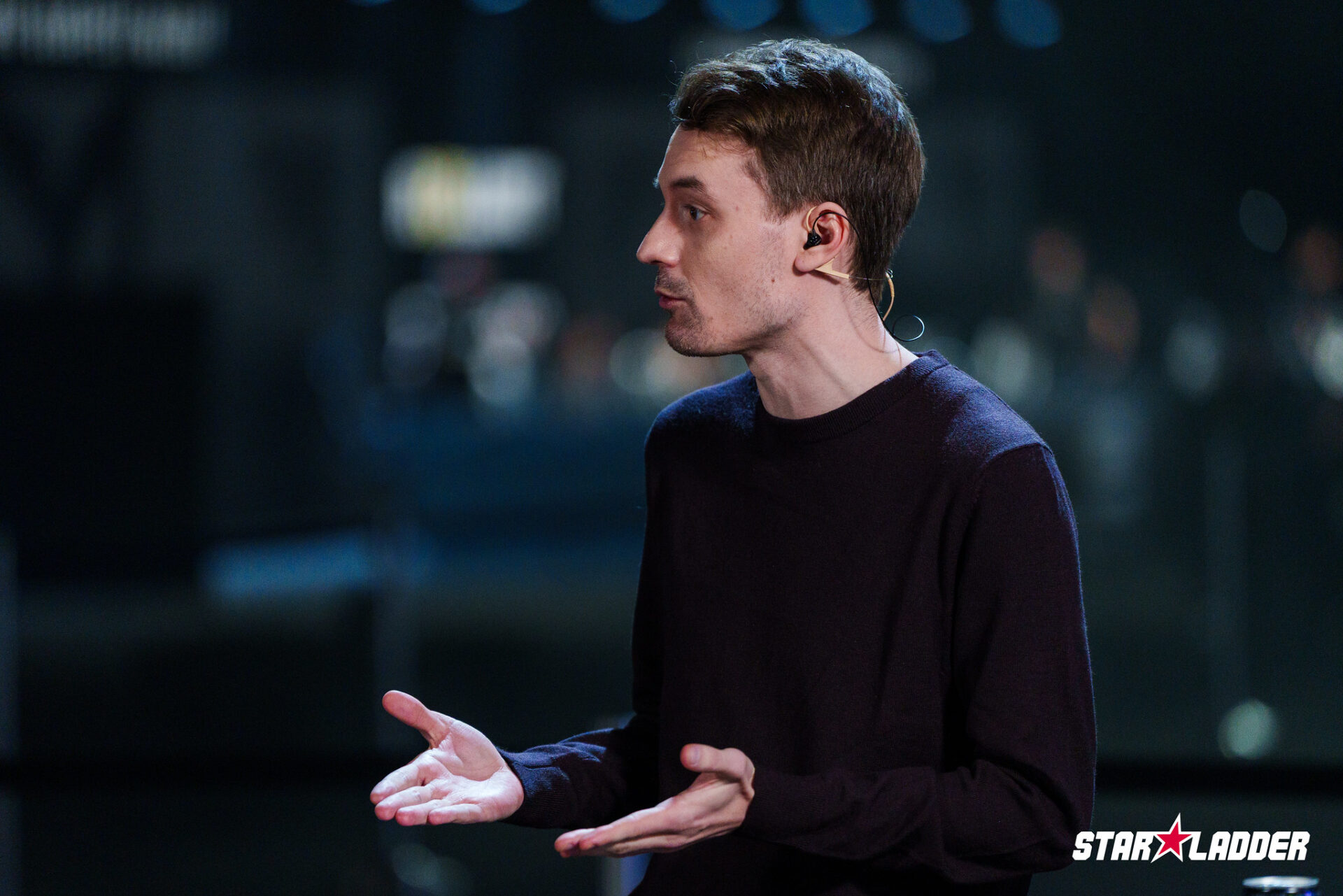

Two-time Major champion Jonatan “Devilwalk” Lundberg returned to the analyst desk for his second Major, offering unique insight into the current CS2 ecosystem. In this exclusive interview, he reflects on the differences between Antwerp and Budapest, explains what’s broken in the VRS system, speaks about burnout after ten years of coaching, breaks down what truly defines championship teams, and evaluates FaZe’s real chances of winning the StarLadder Budapest Major 2025.
You’re working your second Major as an analyst. What is the biggest difference compared to your previous experience in Antwerp?
The biggest difference is that for PGL Antwerp I had one day of notice. I just got the message that they needed someone extra for the analyst desk rotation, and I went there. This time I had much more preparation and time to get familiar with all the teams. That’s the biggest difference.
As a former coach and player, you competed in a much lighter calendar. What do you think about the current system?
There are good and bad things about it. The calendar is stacked, but with the VRS system it’s no longer dependent on attending every single event. For a lot of top teams, it’s getting better because they can pick and choose and plan their year a bit more. I also like the revival of the local scene — more local LANs are happening because teams can gain points there, and young teams get valuable LAN experience. But the system still has flaws and isn’t perfect yet.
If you could change something in the current VRS system, what would it be?
A LAN win shouldn’t give as many points as it currently does. Right now, someone can have zero VRS points and suddenly jump really high after winning a small LAN. It should depend more on who your opponents are and the overall weight of the event.

Do you see yourself returning to coaching in the future? What conditions would you need?
I’m definitely not closing the door. I still enjoy coaching, but I needed a break. I coached for about ten years straight, and it’s hard to balance private life during that. It’s easy to burn out when you’ve done it for such a long time. I need to recover and make sure I’m in the best possible mental and physical health before I consider returning. I don’t have special requirements for a team — it’s more about me being in the right place, because then I know I’ll do a great job.
You’ve won two Majors, both as a player and as a coach. What is one quality championship teams have that viewers often overlook?
Team chemistry and personality balance. You can’t have five players who all take a lot of space. You need a blend of personalities that balance each other so everyone feels comfortable. It’s incredibly important to get along, and people often underestimate that. You travel over 200 days a year with your team — if you can’t get along or if you sweep your issues under the rug, no team survives that. Problem solving and being comfortable around each other is essential.
What do you think about the new StarLadder rule where eliminated teams must go to the signing zone immediately?
I think it’s important that we see how much it means for players, how much work they put in, and the emotions they feel when they get eliminated. Maybe there’s a better way to do it, but I still think it’s valuable for viewers and for the scene.
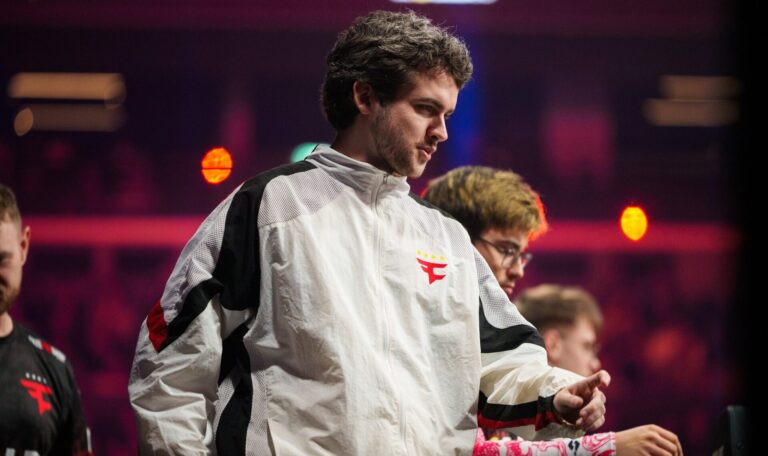
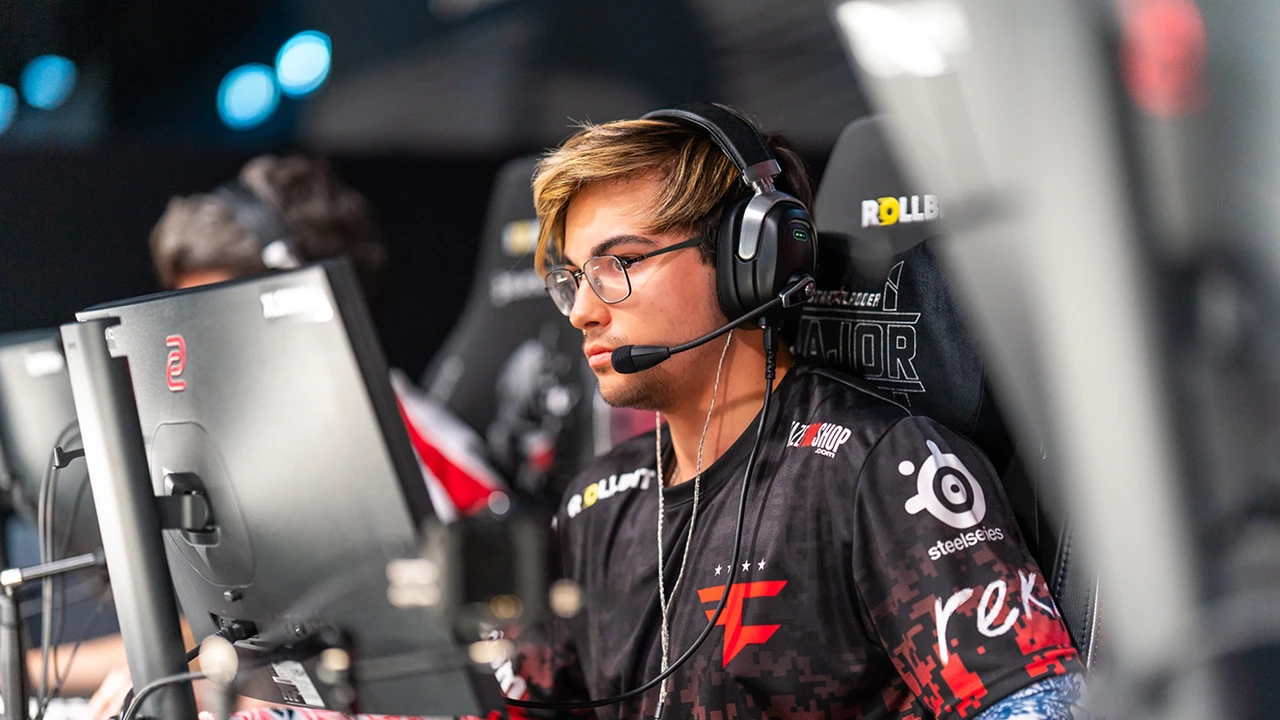
FaZe made an incredible comeback on Inferno against NiP and looked strong. Can they win this Major?
FaZe is FaZe. Logically you’d say no, but somehow they always pull off these magical victories in the craziest situations. They’re constantly in losing positions and still manage to bring it back. You can never count them out. I think it’s incredibly unlikely that they will win, but I will never count them out.
Which team has surprised you the most at this Major so far and why?
PARIVISION has surprised me the most. I knew they were good, but the way they played and how they mentally came back in certain games impressed me. They’re playing with four rookies, and both Jame and Dastan have done an incredible job getting them to this level. Even if they lose every remaining game, they’ve shown they can compete at a much higher level than before.
In an interview yesterday, Dastan said that the core members of PARIVISION need to train together for about three years to win a major. How long do you think it will take?
Yes, I think they can definitely do it. They have the potential, and it depends on how they nurture these talents going forward. They have everything you’d want as young players: a great in-game leader and a great coach who can facilitate the knowledge they need. They absolutely have the possibility to reach that level if they work really hard. I would say three years as well.
Which players should viewers pay special attention to during this event? Who has the potential to outperform expectations?
xiELO is one, xKacpersky is another. Both have been incredibly clutch for their teams. xKacpersky has that star factor that doesn’t come often. xiELO is underrated — he gets a multikill in 37% of the rounds he plays, which is absolute insanity. He could easily become a star player in the future.
Open qualifiers used to create more upset potential. What do you think about them being removed?
I understand it to some degree because there were a lot of issues, including cheating accusations. Online qualifiers are tough environments. But I also think the current system isn’t ideal. I would prefer to have a standalone RMR event that leads into the Major. Right now Stage 1 feels like a rebranded RMR played inside the Major itself. I’d rather have RMR be RMR — and then move on to the Major.