
The race for the PGL Major Singapore 2026 is over. After months of tournaments, constant changes in the Valve Regional Standings, and a dramatic final stretch, all 32 participants have been determined. While some teams secured their invitations comfortably, others saw their chances disappear despite once being among the favorites to qualify.
For several organizations, missing the Major was not simply the result of one bad tournament. Some lost their positions after weeks of disappointing performances, others struggled with roster decisions, and a few saw their qualification hopes damaged by their own tournament schedules.
B8, TYLOO, Alliance, NRG, and Luminosity were among the teams that paid the highest price. Alongside BIG, Inner Circle, magic, paiN, and Sashi, their stories show just how quickly a promising Major campaign can fall apart.
B8 — From 97% to Missing the Major
For much of the qualification race, B8 looked almost certain to reach Singapore. On September 23, the Ukrainian team had an estimated 97.2% chance of qualifying, making it one of the safest bets in Europe. However, tournament scheduling decisions and a series of disappointing results gradually eroded that advantage.
A major blow came at RLG Tesla Cup, where B8 faced FaZe in the third-place match on October 29. FaZe dominated the series, winning Dust2 and Nuke by identical 13-5 scores. The defeat left B8 in a difficult position, dependent on other results to keep its Major hopes alive.
B8 had spent months building what appeared to be a comfortable advantage, only to lose it during the final stretch. What once looked like an almost guaranteed Major appearance became one of the biggest disappointments of the qualification race.

TYLOO — When the Calendar Costs You a Major
TYLOO’s failure was arguably the most unusual of the qualification race. Before the HyperX Retake Season 13 playoffs, the Chinese team had an estimated 68% chance of reaching Singapore. However, a scheduling conflict with IEM Beijing led to its withdrawal from the Portuguese tournament ahead of its quarter-final against Metizport.
The forfeit had devastating consequences. TYLOO’s qualification probability immediately dropped from 68% to 17%, opening the door for Lynn Vision to claim the final Asian invitation.
The situation was further complicated by AWPer Jee’s illness and the team’s original decision to attend Retake as insurance against poor results elsewhere. Ironically, an additional tournament intended to protect TYLOO’s Major chances ended up contributing to its elimination.
Alliance — The Collapse of a Major Favorite
Alliance experienced one of the most dramatic declines of the season. At its peak, the Swedish team climbed to around 15th in the rankings and appeared well-positioned to qualify. On September 23, its estimated Major chances stood at 87.1%, with some projections during its strongest period placing them even higher.
But a prolonged run of poor results changed everything. By October 13, Alliance’s qualification probability had fallen to just 7%. The team continued struggling in the final tournaments, including a 0-2 defeat against FaZe at RLG Tesla Cup, and eventually dropped well outside the invitation zone.
Unlike TYLOO, Alliance could not point to a single decision that cost it the Major. Its failure was the result of repeated defeats that gradually erased everything it had achieved earlier in the season. What looked like a breakthrough campaign ended in a complete collapse.

NRG — From Major Participants to Missing Out
After qualifying for the previous Major, NRG entered the new cycle hoping to establish itself as a consistent presence on Counter-Strike’s biggest stage. Instead, the North American team endured an inconsistent season, losing important matches against regional competitors and repeatedly putting its qualification hopes at risk.
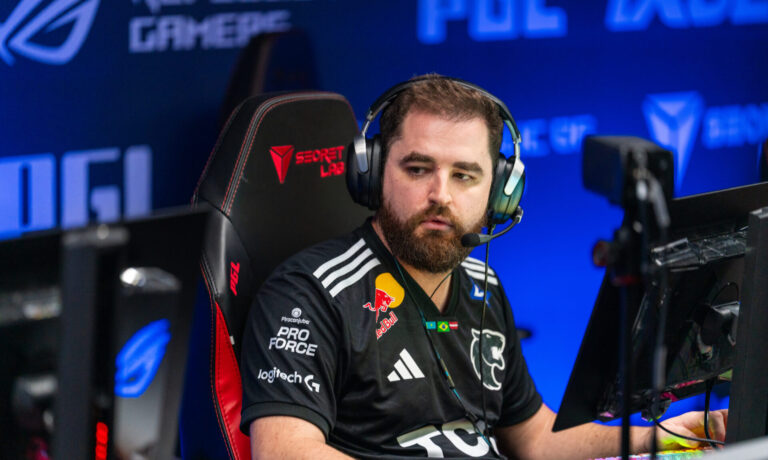
Its final opportunity came at FiRe Last Chance in Argentina. On October 31, NRG faced Wildcard in a match with major implications for both teams’ qualification hopes. A victory would have significantly improved NRG’s chances, but after three maps, Wildcard prevailed 2-1, winning the deciding Cache 16-14.
The defeat ended NRG’s campaign and helped Wildcard secure the final invitation from the Americas. For a roster featuring experienced players such as nitr0, Grim, and hallzerk, missing the Major after attending the previous edition represented a major setback.
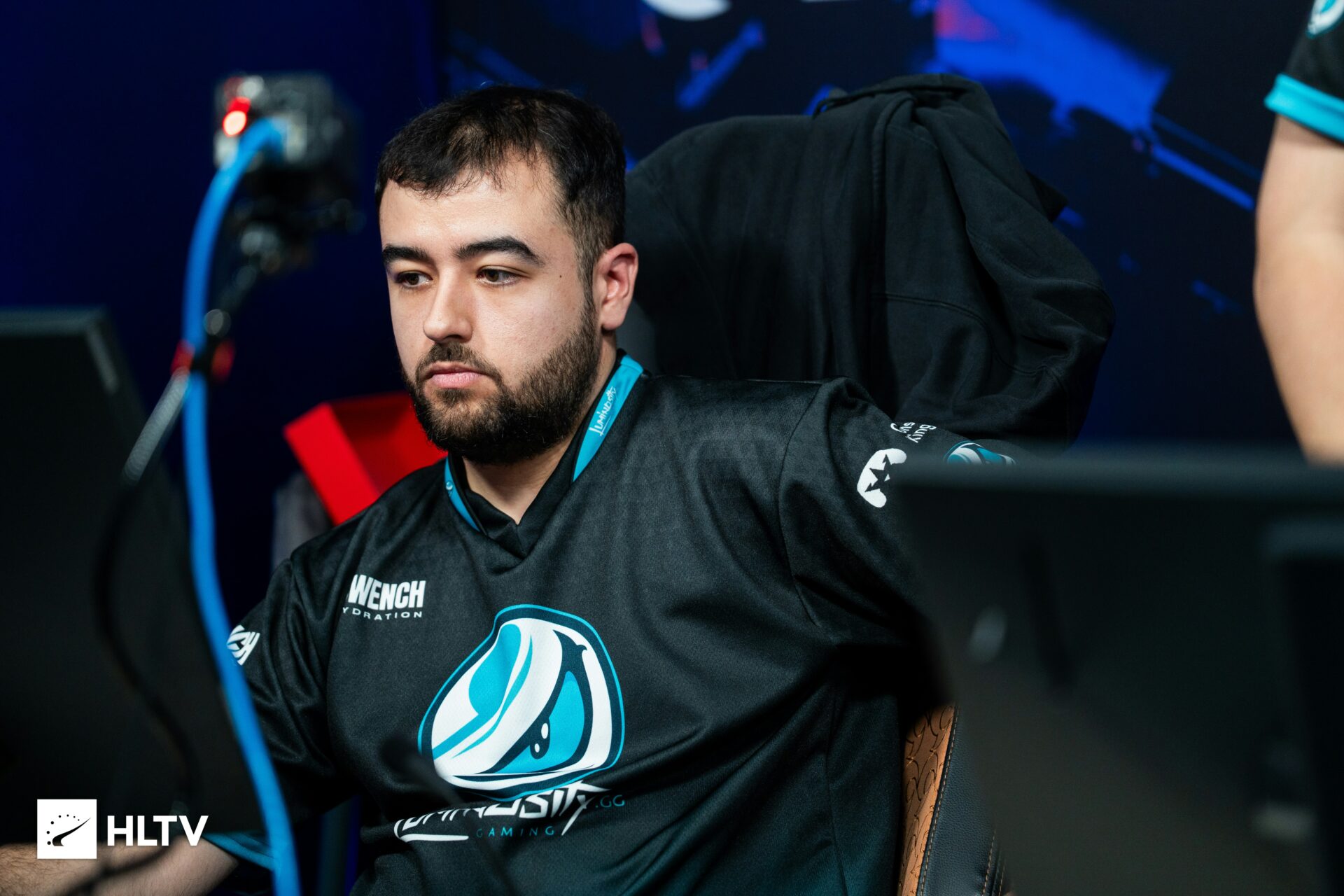
Luminosity — They Bought the Roster, but Lost Its Leader
Luminosity returned to Counter-Strike in July 2026 by signing most of Monte’s former Major lineup. The organization inherited a promising group of players and a strong starting position in the VRS, but one important figure was missing: in-game leader Gizmy, who did not follow his former teammates.
Instead, Luminosity brought in lux, hoping to reproduce the roster’s previous success under a different captain. The transition proved difficult. The team finished last at both XSE Pro League Guangzhou and the Esports World Cup, eventually benching Bymas and bringing in yxngstxr.
Despite retaining a 41.8% qualification probability in late September, Luminosity failed to recover. Disappointing results at DracuLaN and RLG Tesla Cup ended its Major hopes. Meanwhile, former captain Gizmy joined 100 Thieves, who secured an invitation to Singapore, making Luminosity’s roster decisions look even more costly in hindsight.

BIG — Another Major Slips Away
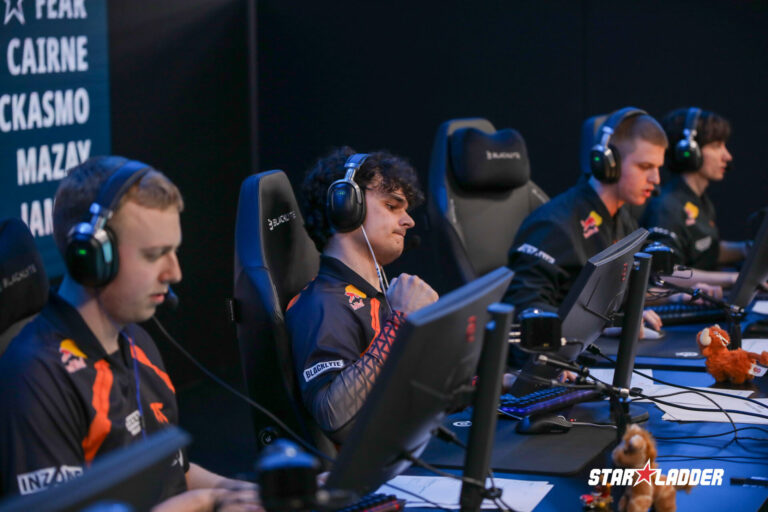
BIG entered the autumn with a realistic chance of returning to the Major. On September 23, the German organization had an estimated 69.7% qualification probability, but disappointing performances gradually eroded that advantage.
One of the team’s missed opportunities came at 1win Private Club Season 2, where BIG lost 0-2 to PARIVISION on October 21, missing out on valuable VRS points. As competitors continued to climb the rankings, BIG ultimately failed to secure an invitation.
For an organization with such a long history in Counter-Strike, another missed Major highlighted its ongoing struggle to deliver consistent results when they matter most.
Inner Circle — A Promising Position Wasted
Inner Circle emerged as one of the unexpected contenders in the European qualification race. On September 23, the Ukrainian team had an estimated 79.6% chance of reaching Singapore, making a Major appearance a realistic possibility.
However, a disappointing group-stage exit at Stake Pulse Beat III seriously damaged its chances. The organization also underwent a coaching change in October, with jR moving into a management role and stikle- taking over as head coach. Despite having established itself among the leading VRS contenders earlier in the season, Inner Circle could not turn its promising position into a Major invitation.

magic — The Surprise Contender That Could Not Hold On
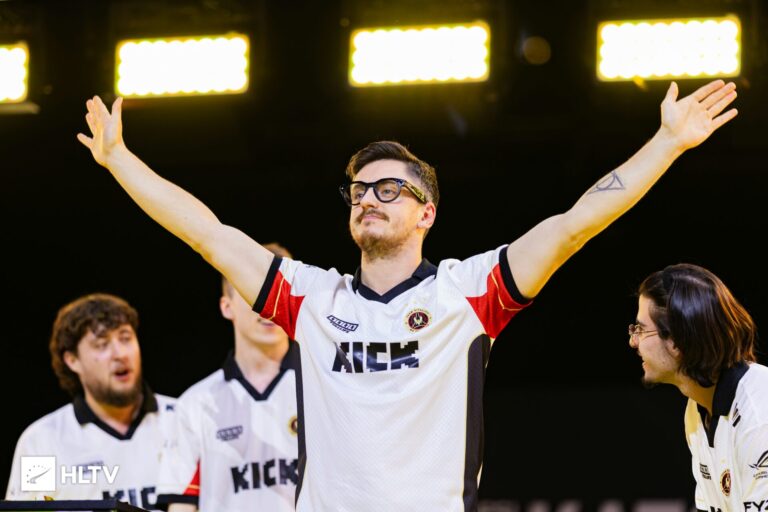
magic was another unexpected candidate for a Singapore invitation. On September 23, the team had an estimated 74.1% chance of qualifying, putting it ahead of several more established organizations.
However, its form deteriorated during the final weeks. In early October, magic replaced AWPer mo0N with lattykk in an attempt to strengthen the lineup for the decisive stretch of the race. The move was not enough to reverse its fortunes.
A 0-2 defeat to The MongolZ at 1win Private Club Season 2 on October 21 reduced magic’s estimated qualification chances to just 13%. Despite its impressive rise earlier in the season, the team ultimately missed out on Singapore.
paiN — A Brazilian Disappointment
paiN’s qualification hopes came to an end at Gamers Club Masters VII. The Brazilian organization entered the event with an opportunity to rescue its campaign, but after an opening 2-1 victory over NAOCOPULAS, it suffered consecutive 0-2 defeats against Imperial and NAOCOPULAS.
The elimination on October 31 ended paiN’s chances of reaching Singapore, while Imperial went on to secure a Major invitation. For paiN, it was a disappointing conclusion to a campaign in which the team failed to capitalize on its final opportunities.

Sashi — A Region Switch That Backfired
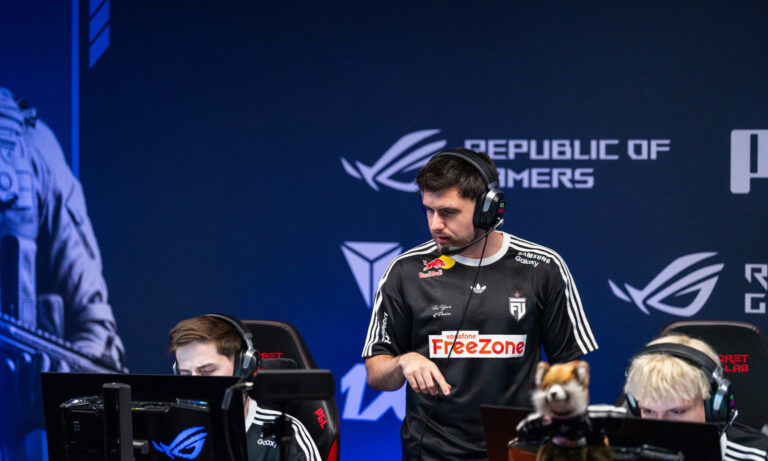
Sashi made one of the most controversial moves of the Singapore Major race. In early October, the Danish organization signed Australian players TjP and Hatz, creating a potential Asian core alongside Anlelele, who holds Vietnamese citizenship. The goal was clear: switch from Europe’s highly competitive VRS region to Asia and improve the team’s chances of qualifying.
However, on October 6, Valve introduced a new rule preventing teams from receiving a new regional assignment if they had appeared in another region’s VRS rankings during the previous three calendar months. The change effectively derailed Sashi’s strategy, while BC.Game, which had also pursued a regional switch, subsequently received an exception.
Sashi continued competing in Europe but failed to recover. Following disappointing performances at Stake Pulse Beat III and DracuLaN Season 7, the organization parted ways with TjP and Hatz in October. What was intended to be a shortcut to Singapore instead became one of the most unusual failed qualification attempts of the season.
A Major Race That Punished Every Mistake
The Singapore Major qualification race demonstrated how dramatically the VRS system has changed Counter-Strike. B8 and Alliance lost positions that once appeared secure, TYLOO suffered from a costly scheduling conflict, NRG failed in a decisive regional battle, and Luminosity struggled to reproduce the success of the roster it had acquired.
Meanwhile, teams such as FaZe, 100 Thieves, Wildcard, and Lynn Vision capitalized on their opportunities and secured places at the Major.
The biggest lesson from the race is simple: strong qualification probabilities mean little until the invitations are officially confirmed. Tournament selection, roster stability, and consistency have become crucial parts of the competition, and even a few mistakes can undo months of progress.
For the ten teams left behind, the challenge now is to ensure that the same mistakes do not cost them another Major.