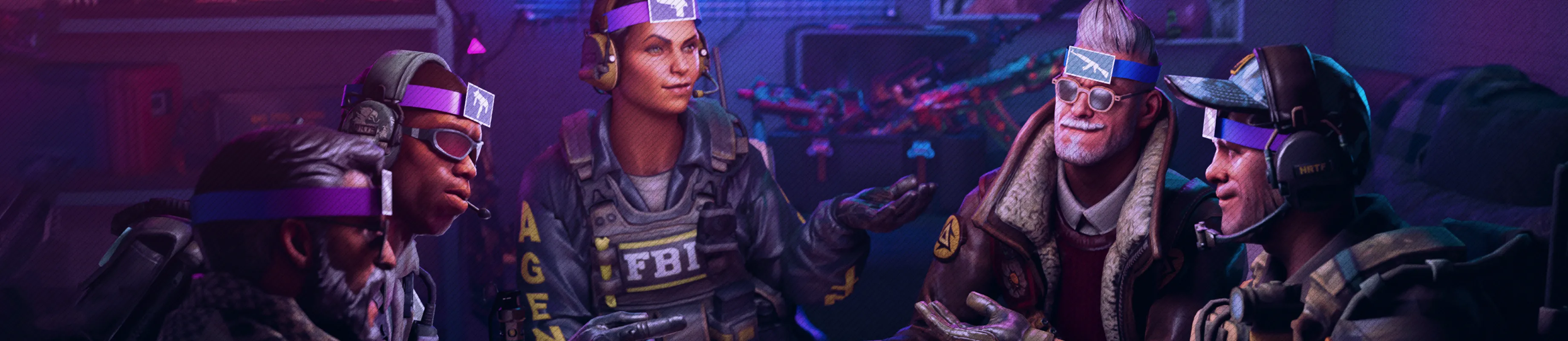
A researcher has connected a digital model of a fruit fly’s brain directly to Counter-Strike 2. As a result, the insect’s simulated neural network is now making in-game decisions on its own.
This story stands out because it blurs the line between biology and gaming. A brain built from real neural data is no longer just running lab experiments. Instead, it is competing inside one of the world’s most popular shooters.

From Lab Experiment to Game Controller
The fly’s brain was not a physical insect. It was a digital connectome, a computer-based map of the fly’s neural connections that scientists had already reconstructed. This same digital model reportedly showed strong results in a separate crypto trading experiment before being adapted for gaming.
For this project, the researcher repurposed that connectome and linked it to CS2’s control system. In other words, a model built to simulate biological brain activity was now steering actions in a first-person shooter.
The Numbers Behind the Experiment
The setup relied on 139,255 sensory neurons to process information and generate responses. Meanwhile, the system’s decision latency measured just 10 milliseconds, meaning the model reacted almost instantly to in-game events.
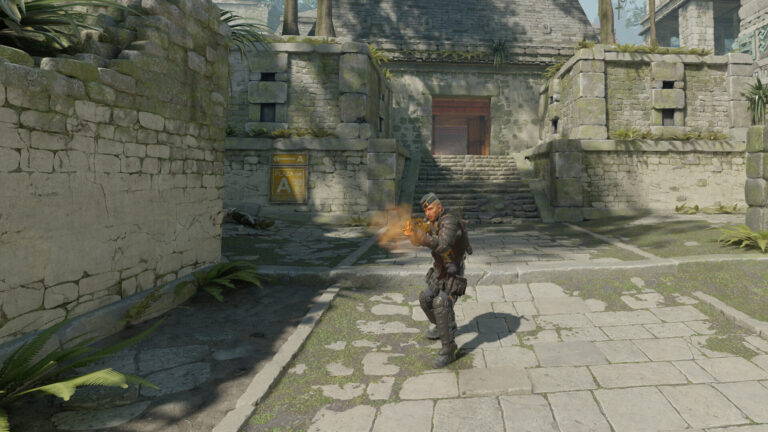
According to the researcher, the fly’s digital brain performed a difficult in-game action, landing an AWP shot during a round on the map de_dust2. This detail illustrates the speed of the neural model, since AWP shots typically require sharp timing and precision from human players.
I thought my fruit fly was only good at outtrading crypto influencers.
Today I hooked its neural connectome directly into Counter Strike 2.
139,255 sensory neurons. 10ms decision latency. Zero human delay.
While pro players warm up for hours, this biological brain just… https://t.co/KNTE6tq0JM pic.twitter.com/G9nud27Oug
— shmidt (@shmidtqq) September 13, 2026
Why This Experiment Matters
The researcher framed the results by comparing the fly’s reaction speed to that of professional players, noting that its digital brain acted without the delay humans typically need to warm up or process information. Although this was presented informally, it highlights a broader question about how biological neural models might one day inform faster, more efficient computer decision-making systems.
For now, the experiment remains a novel demonstration rather than a scientific benchmark. However, it adds to a growing pattern of researchers testing lab-based neural connectomes in real-world digital environments, from financial markets to competitive gaming.