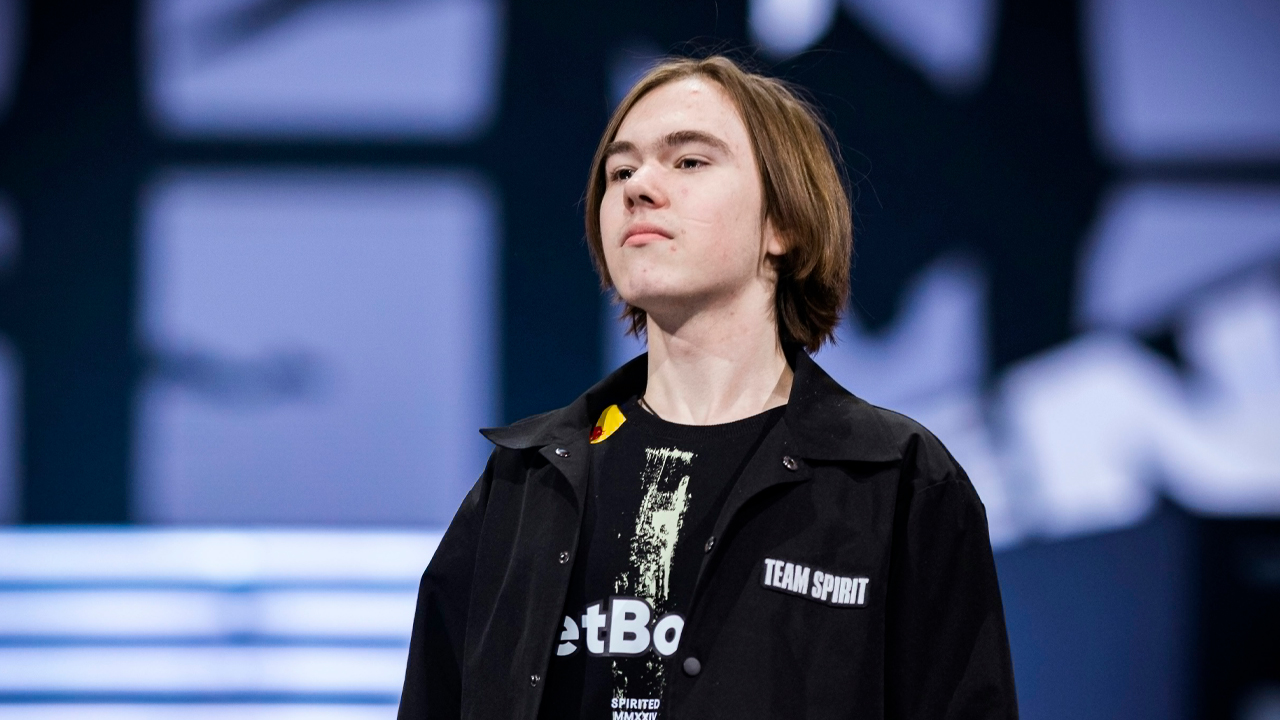

Team Spirit’s journey across 2025 and 2026 has had some significant differences. In 2025, the team operated under the leadership of chopper, a traditional in-game leader who emphasized structure, discipline, and team play. By 2026, however, Spirit transitioned into a more flexible, star-driven lineup that prioritized firepower and individual impact over rigid systems.
This transformation was aimed at a deeper adaptation to the evolving Counter-Strike meta, where firepower at disposal would give donk more support and take Spirit to soaring heights. The central question was whether this transition would make Spirit a better team overall, or whether they sacrificed too much stability in pursuit of higher upside. This article explores both versions of Team Spirit in detail, comparing team performance, tactical identity, and individual player form to determine whether the change resulted in improvement or decline.
Team Spirit in 2025 Under chopper
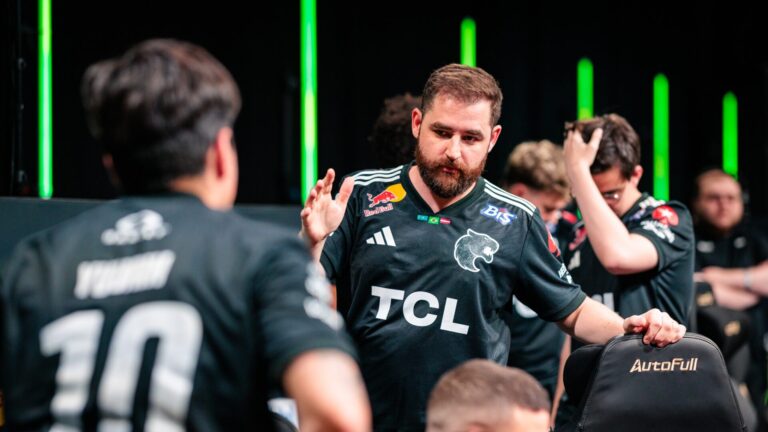
In 2025, Team Spirit was widely recognized as a disciplined and structured team, guided by donk’s firepower at the helm. Under chopper’s leadership, the team relied on executes, a bait and switch structure that would enable donk. Their approach focused on minimizing mistakes, maintaining positional advantages, and executing coordinated plays rather than relying on individual heroics.
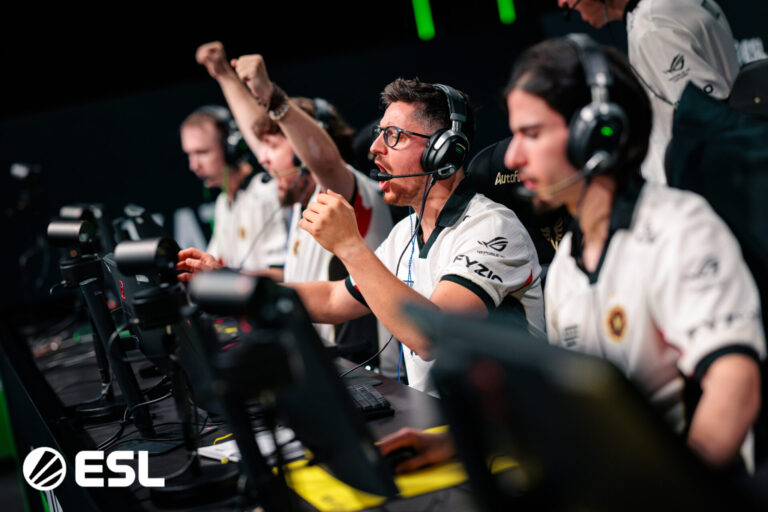
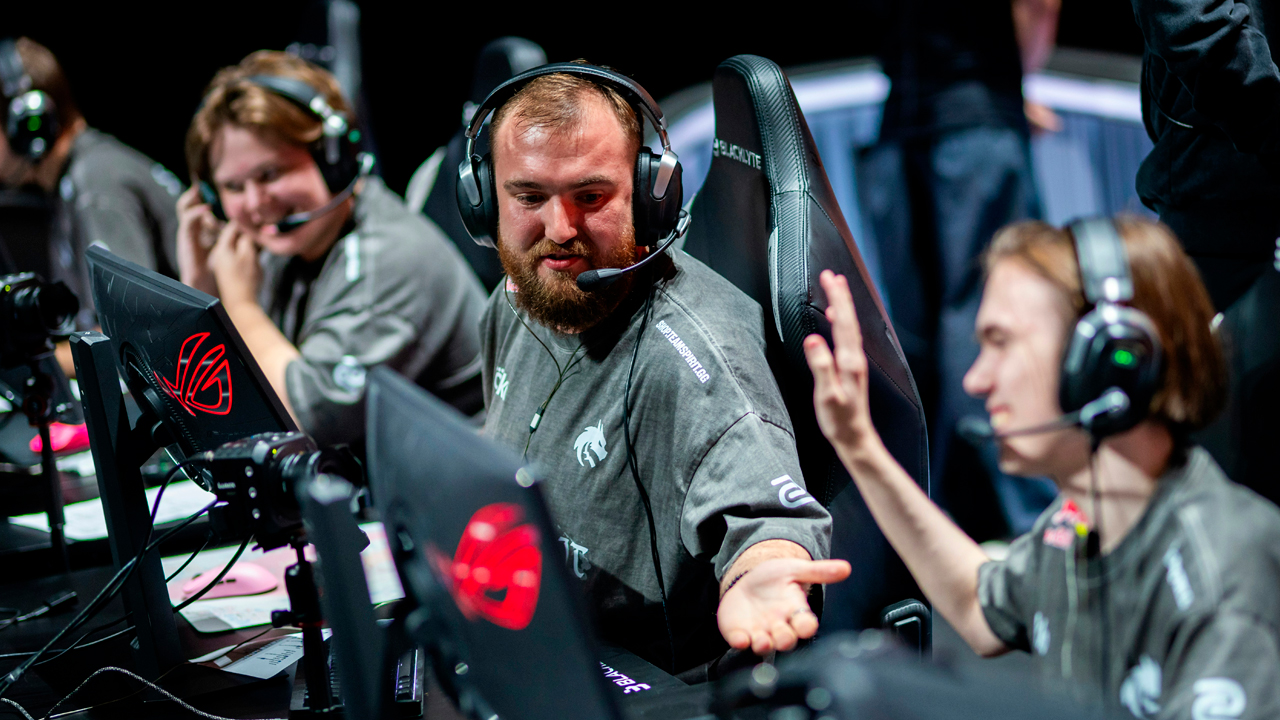
However, many would argue that most of the time, chopper’s executes became too one-dimensional and predictable. In a meta that increasingly rewarded aggression and mechanical skill, Spirit’s slower pace sometimes made them predictable. Opponents with higher raw firepower could disrupt their setups before they fully developed.
From a results standpoint, 2025 was a strong year for Spirit. They consistently placed well in major tournaments and maintained a position among the top teams globally. At their peak, they even reached the number one ranking, demonstrating their ability to compete with the very best.
Team Spirit’s 2025 Results
# | Event |
|---|---|
1st |
BLAST Bounty 2025 Season 2 Finals |
1-8th |
BLAST Bounty 2025 Season 2 |
1st |
IEM Cologne 2025 |
1st |
PGL Astana 2025 |
1st |
BLAST Bounty 2025 Season 1 Finals |
1-8th |
BLAST Bounty 2025 Season 1 |
2nd |
IEM Katowice 2025 |
3-4th |
StarLadder Budapest Major 2025 |
One of the defining characteristics of this version of Spirit was consistency. They rarely had early exits and were almost always present in the later stages of tournaments. Apart from Esports World Cup, where they went out in 9th-16th place, Spirit never placed outside top 8. This reliability made them a respected contender in every event they entered.
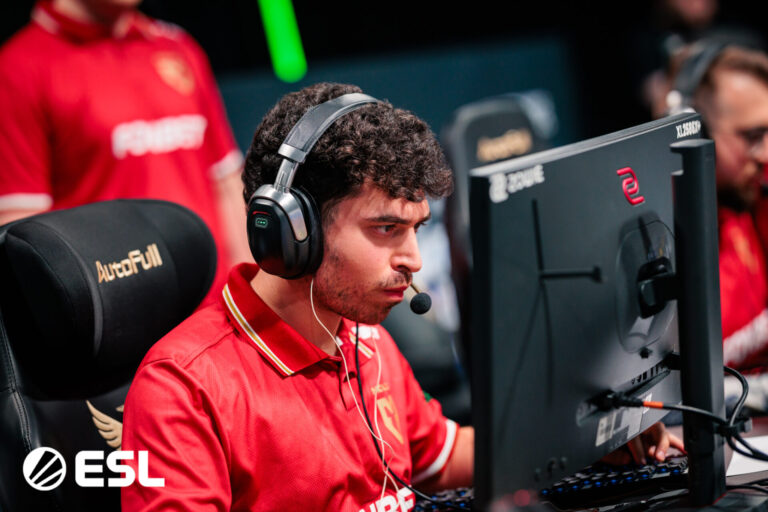
Despite this, they struggled to convert opportunities into consistent championships. They reached playoffs and finals but often fell short against teams that could match their structure while also outperforming them in raw aim duels. This inability to dominate at the very top level became a recurring theme. Chopper’s influence on the team was undeniable. As the in-game leader, he was responsible for maintaining structure and ensuring that every player understood their role within the system. His calling style emphasized control and discipline, which suited the team’s overall philosophy.
Individually, however, chopper’s performance was limited. His statistics were below average compared to other top-tier players, particularly in terms of fragging output, despite having some of the better roles. While this is common for in-game leaders, the gap between him and the rest of the field became more noticeable as the meta evolved.
His reduced firepower placed additional pressure on the rest of the roster to deliver consistent impact. While players like donk and sh1ro were capable of doing so, the imbalance sometimes left the team at a disadvantage against more evenly distributed lineups.
Team Spirit in 2026 After the System Shift
In 2026, Spirit underwent a clear transformation. The team moved away from rigid structures and adopted a more fluid, aggressive style. Players were given greater freedom to make decisions, take duels, and adapt to situations in real time.
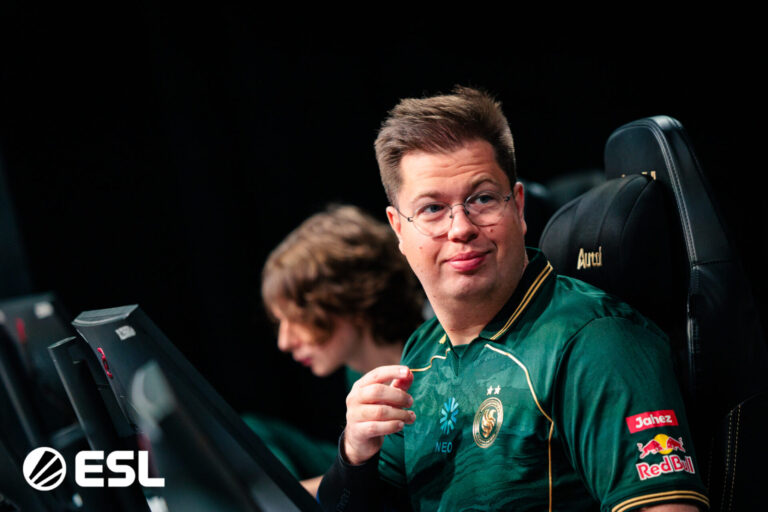
This change resulted in a faster pace of play. Instead of carefully building rounds, Spirit often relied on early engagements and individual initiative to gain advantages. The focus shifted from executing perfect strategies to creating opportunities through pressure and skill.
Team Spirit’s 2026 Results
# | Event |
|---|---|
1-2nd |
ESL Pro League Season 23 Stage 2 |
1-8th |
BLAST Bounty 2026 Season 1 |
2nd |
IEM Rio 2026 |
3rd |
IEM Kraków 2026 |
5-8th |
ESL Pro League Season 23 Finals |
5-8th |
BLAST Bounty 2026 Season 1 Finals |
7-8th |
BLAST Open Rotterdam 2026 |
The new approach has produced similar results. On one hand, Spirit remained a top-tier team and continued to reach important stages in major tournaments. Their ability to compete at a high level did not disappear.
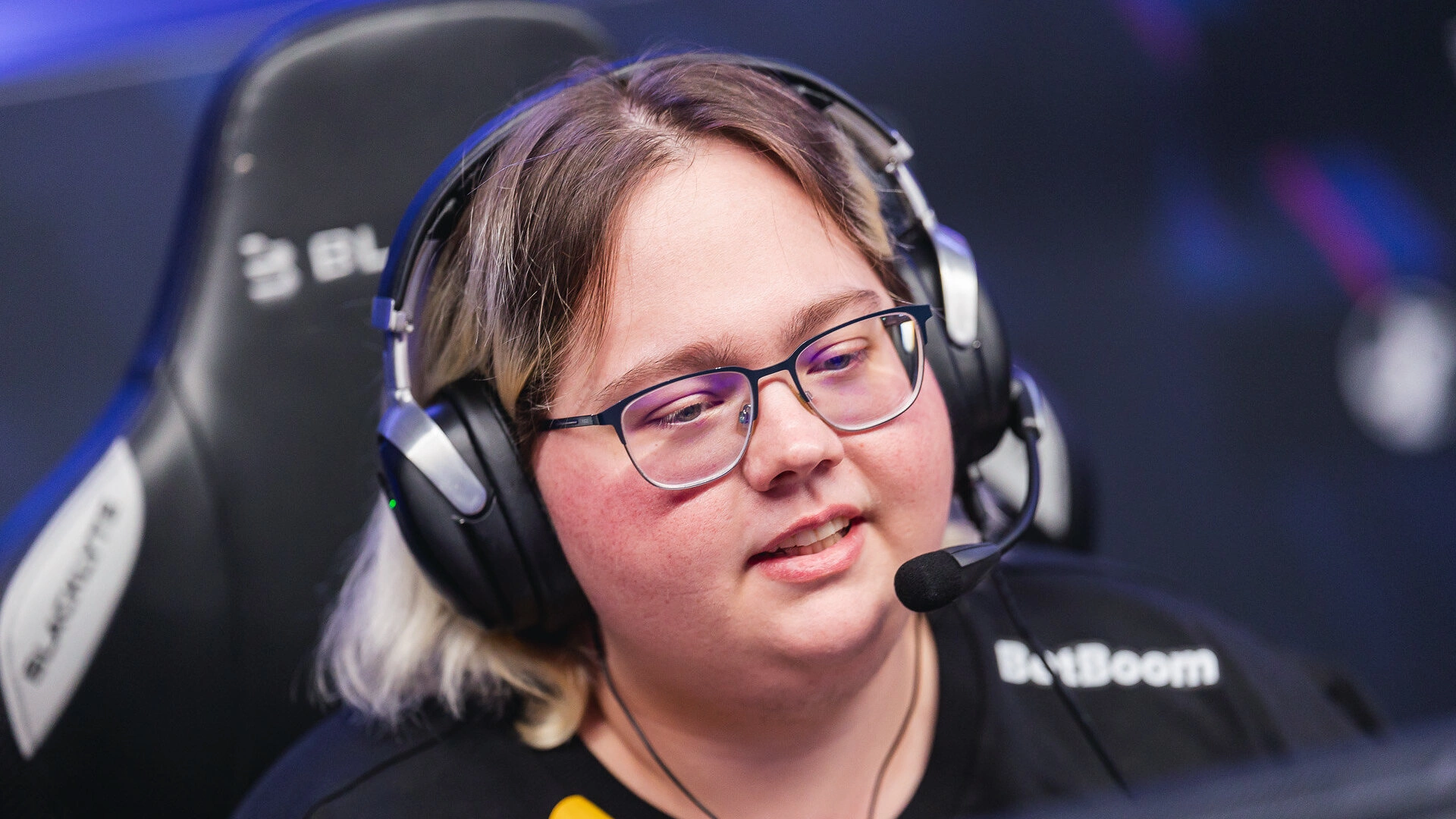
On the other hand, their consistency declined. While they could produce dominant performances, they were also more prone to unexpected losses. The lack of a rigid system meant that their results depended more heavily on individual form and momentum. This created a team that was more volatile but also more dangerous. At their best, they could overwhelm opponents with sheer firepower. At their worst, they could struggle to maintain cohesion.
Individual Performance Comparison
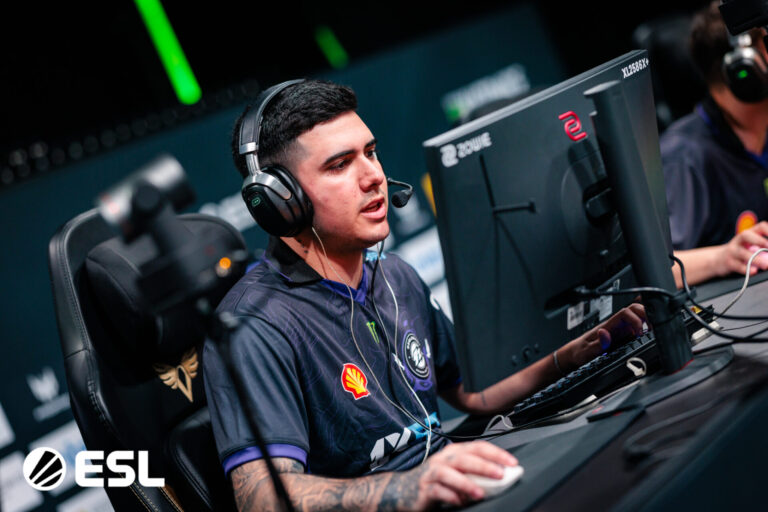
The biggest and most important change in individual performance has been observed in donk. Even the new system was supposed to free him from the constraints of a structured system, so he would be able to fully express his aggressive playstyle, the result has been somewhat different. His statistics have gone down significantly, especially on the T-side, and his impact has been reduced.
Player | Rating 2025 | Rating 2026 |
|---|---|---|
donk |
1.42 |
1.36 |
sh1ro |
1.20 |
1.16 |
zont1x |
1.08 |
0.96 |
magixx |
1.03 |
0.99 |
tN1R |
1.03 |
1.03 |
Notably, his CT-side rating has remained unchanged, but the T-side rating has dipped from 1.49 to 1.36. The structure that was intended to grant him greater freedom has, paradoxically, contributed to a decline. But is the structure truly to blame, or is his own form beginning to wane?
sh1ro has remained a model of consistency across both years, although a slight dip in performance is still evident. Even the supporting cast, including zont1x and magixx, have not been performing at the level they maintained last year. However, with increased and evolving responsibilities, such regression is understandable to some extent.
While donk’s performance may serve as a crucible for disappointment, tN1R’s individual output raises an even more compelling debate. He was expected to be the star capable of matching donk’s level, or at least to emerge as a formidable presence. At a rating of just 1.03, he has yet to demonstrate the level that was anticipated of him.
Overall Team Comparison
On paper, Spirit have undeniably upgraded their pieces. The move toward a more individually skilled roster suggested a higher ceiling and a more explosive style. Yet, paradoxically, it has yielded worse overall results. The departure from a more rigid, experience-driven core has exposed underlying issues that raw firepower alone has not been able to mask.
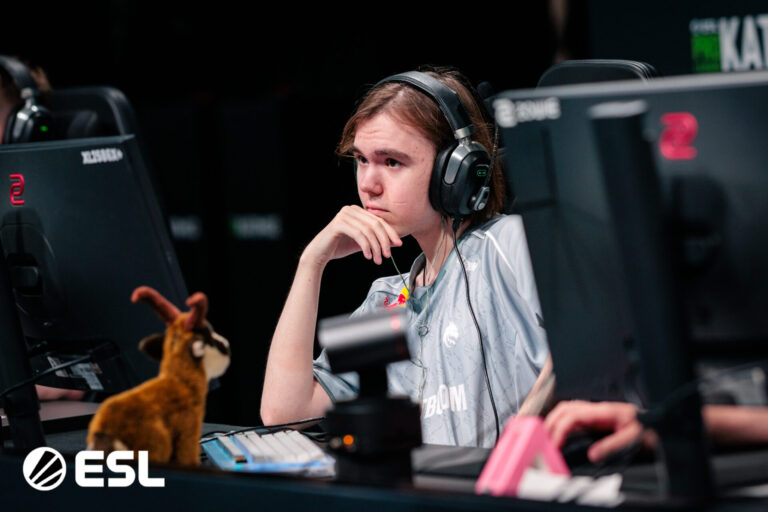
chopper, while never regarded as an elite caller, brought a level of composure and experience that grounded the team. His leadership provided structure in high-pressure moments, something this newer iteration has struggled to consistently replicate. The current roster may be mechanically superior, but it lacks the same cohesion and stability, and that has reflected in the dip in individual performances across the board.
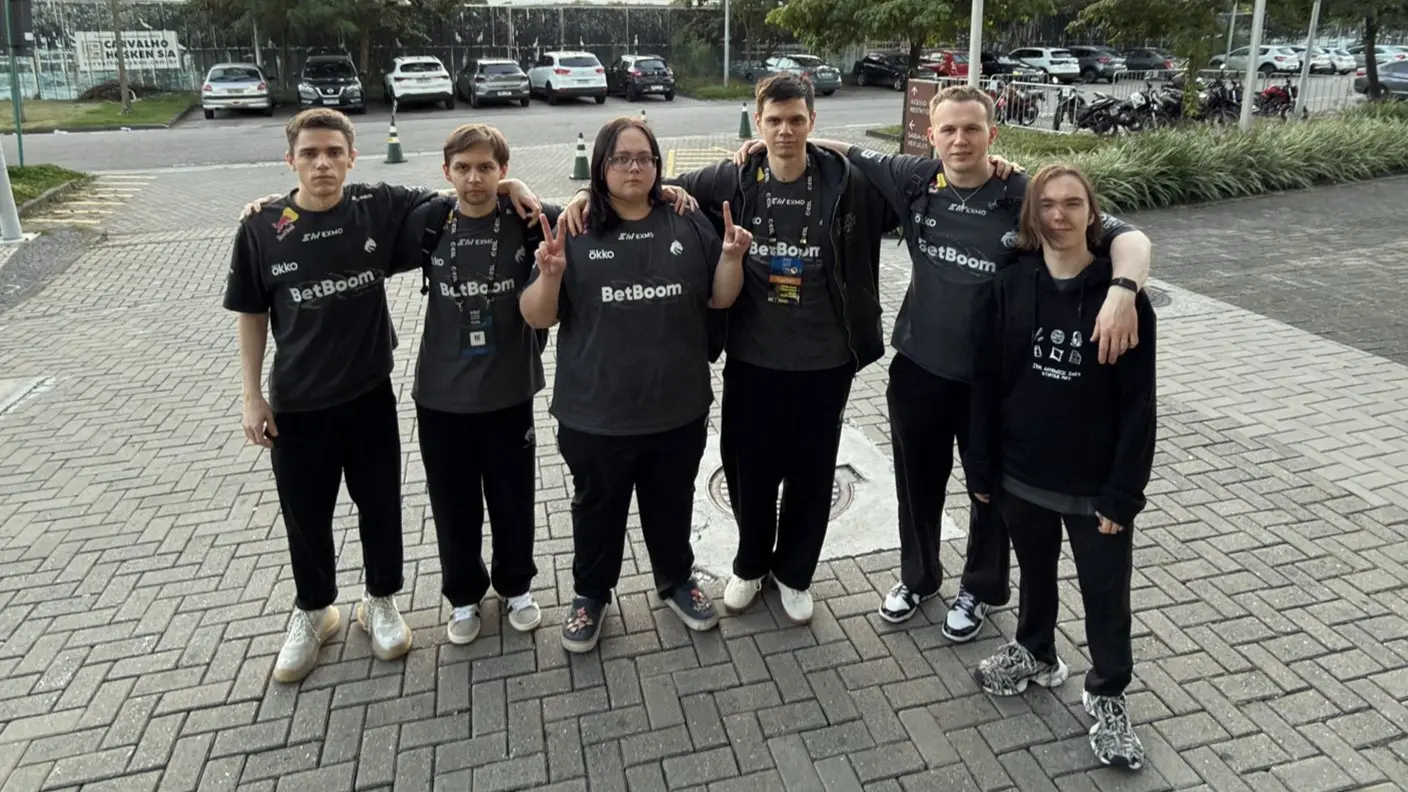
That said, this outcome is not entirely unexpected. This is still an inexperienced roster, adjusting not only to new roles but also to a fundamentally different system. Naturally, that transition comes with inconsistency and growing pains. A significant portion of the burden now falls on hally, whose responsibilities have increased considerably. Managing this shift, balancing freedom with structure while stabilizing performance, is no small task, and much of Spirit’s trajectory hinges on how effectively he can guide this evolution.
Despite the current struggles, there is reason for optimism. The pieces are there, and the ceiling remains high. As the players gain more experience within this system and roles begin to solidify, it is likely that performances will stabilize. If anything, this phase feels less like a decline and more like a necessary adjustment period, one that, in time, should only lead upward.