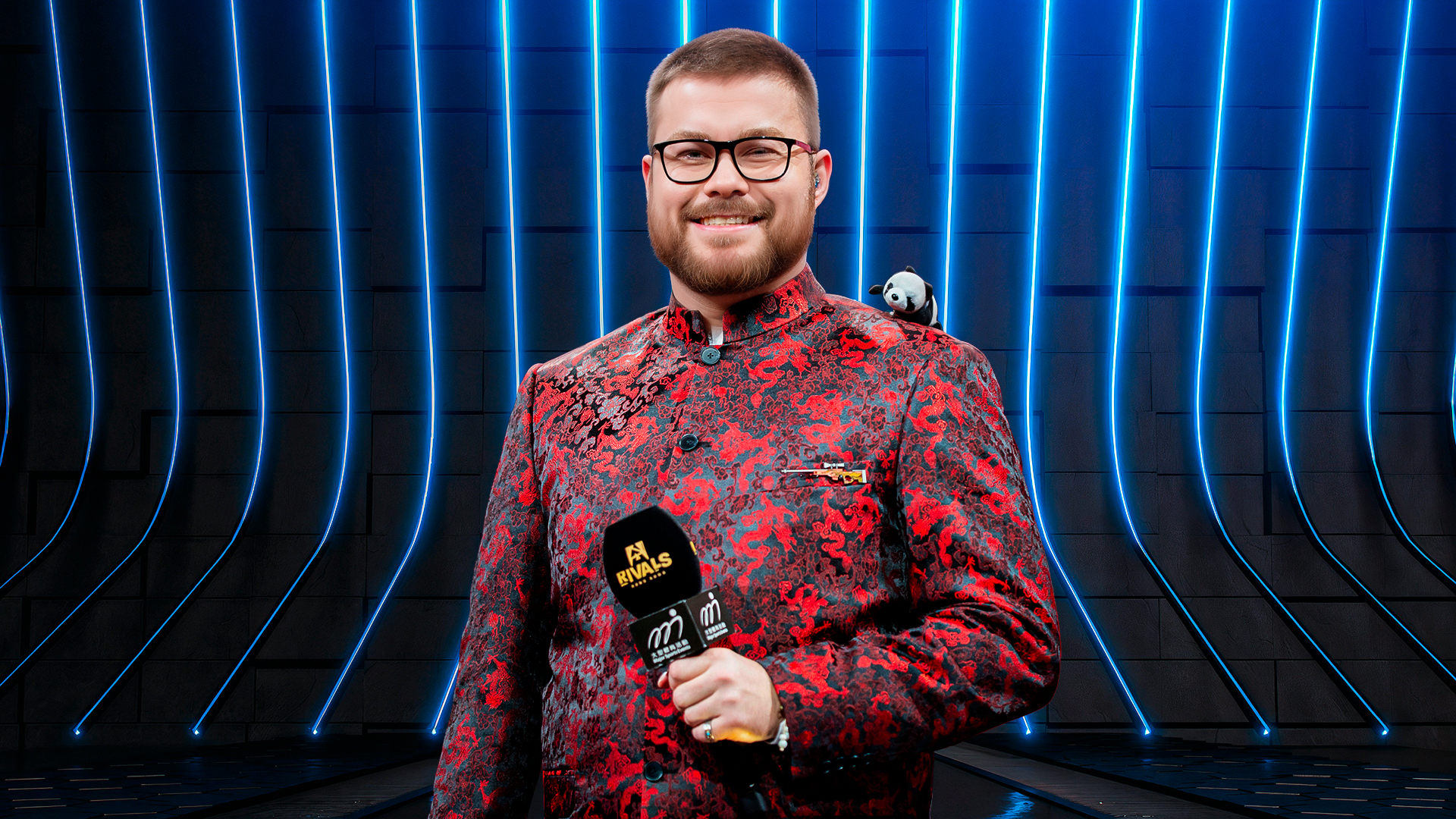
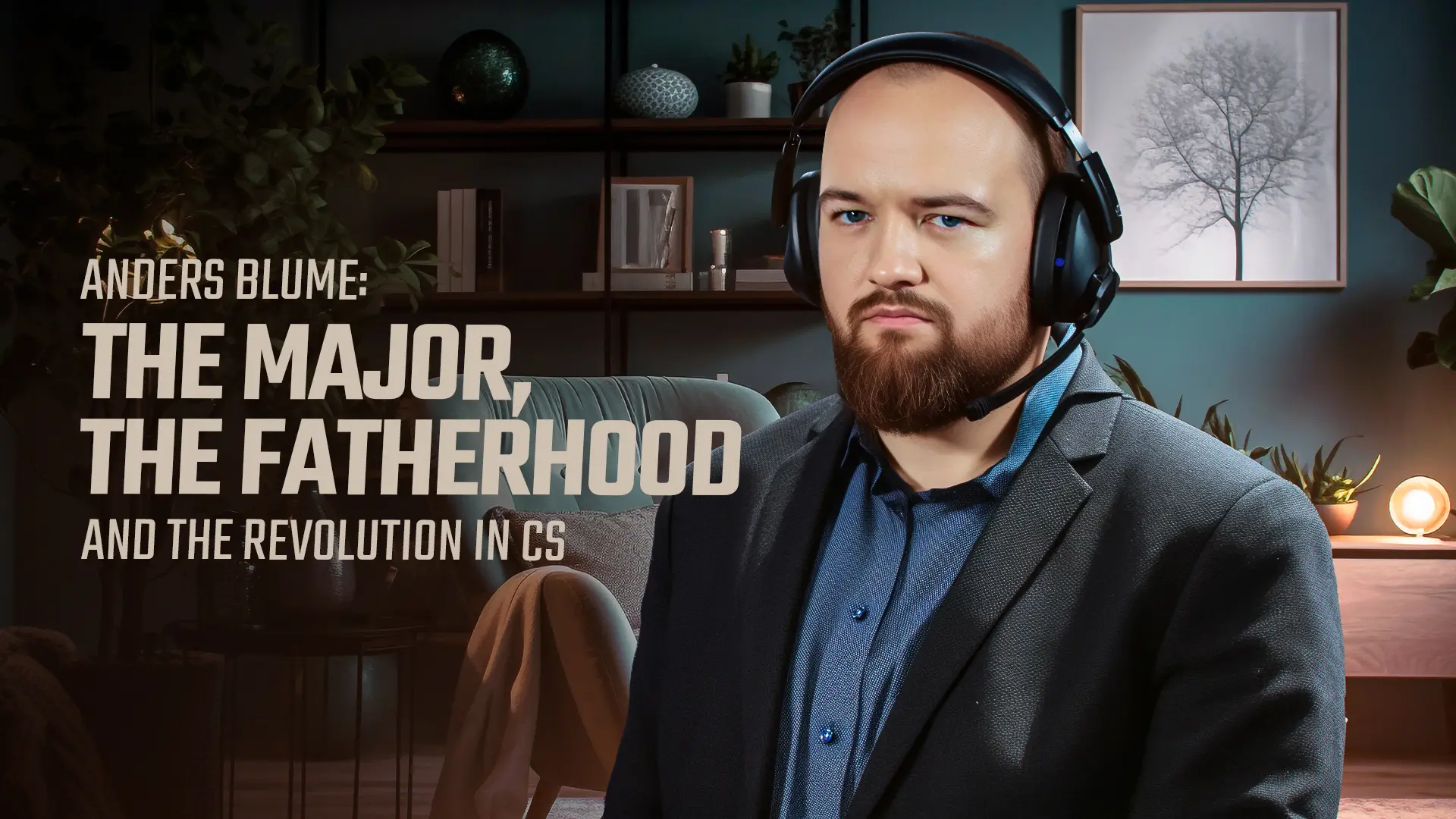
James Banks — the voice and face of the StarLadder Budapest Major 2025 — opens up about the pressure of hosting, the magic of a roaring 20,000-seat arena, backstage moments, and his honest take on every playoff contender. A rare inside look from the person who feels the energy of the Major before anyone else.
You’ve essentially become the face of this Major. How mentally and emotionally demanding is it to open the arena every day?
It’s definitely demanding, but in a good way. There are different levels to it. Stage 1 didn’t have a huge crowd, but it was still a Major and the first Major back with StarLadder since 2019. Even then you feel responsibility and pressure.
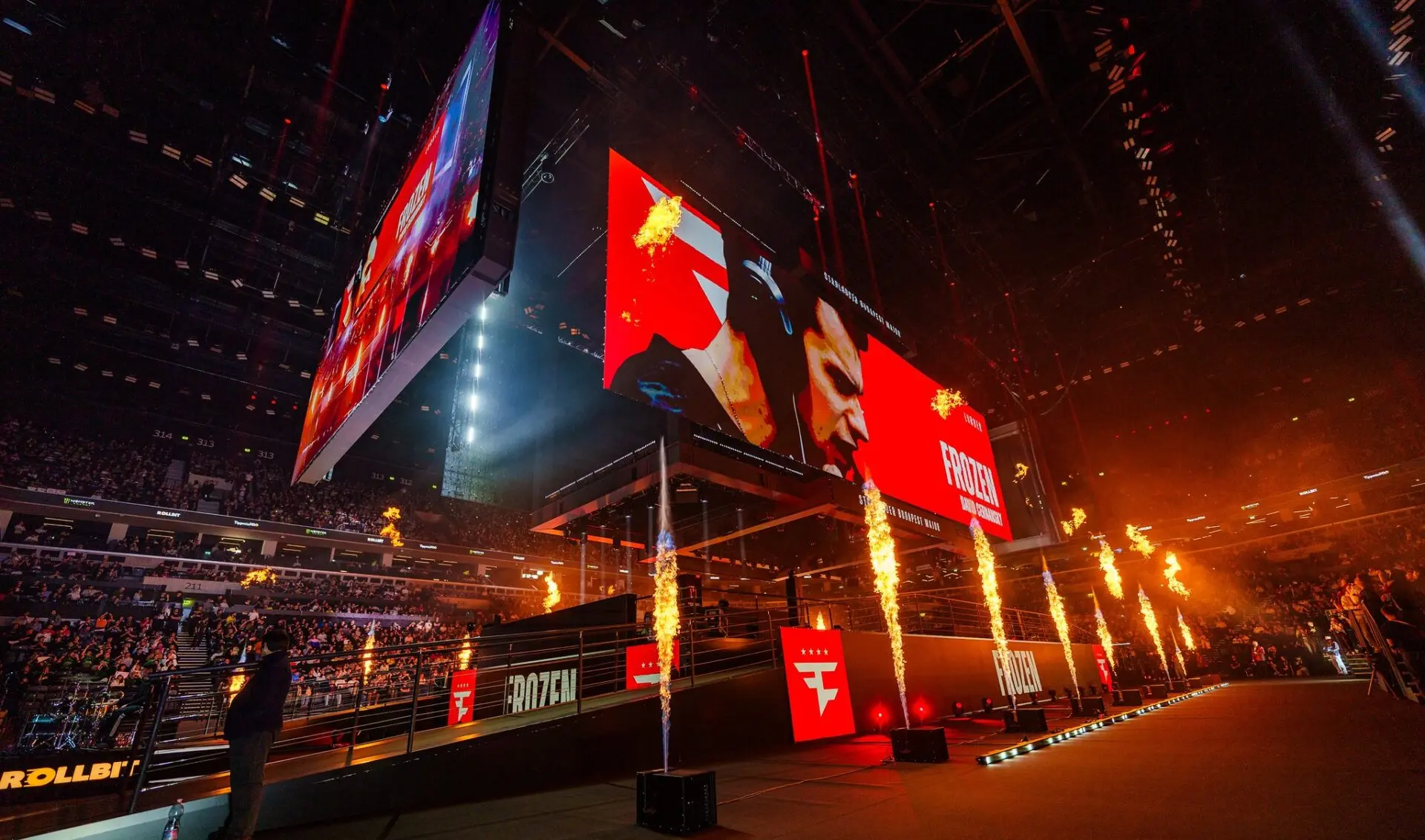
Then Stage 2 comes, more people show up, you’re a bit more nervous. Stage 3, you’ve got Torzsi at home, FaZe, Falcons, m0NESY, NiKo – people go crazy, the noise gets louder. That’s when you really feel that “Major magic”. The fans’ excitement, the players’ energy, the feeling in the hotel when you see everyone… it all builds. And then we go to the arena — the MVM Dome with 20,000 people. I haven’t felt that for such a long time. Antwerp had around 18,000, Shanghai was maybe 15,000. Twenty thousand in Europe is going to be crazy.
read more
It is a lot of pressure, but honestly, if you don’t feel nerves and pressure, that’s a bad thing. A little bit of it is good.
How much of your stage hype is prepared and how much is improvised?
I always have an idea of what I want to do, but 60–70% ends up being improvisation. You never know how the crowd will react.
In China, for example, the crowds are always loud and strong, but maybe they don’t react in the same way. In Europe or America I can play with words more, they react differently, so I change that up depending on where I am
It also depends on the size and energy of the crowd. I might plan: on Thursday I’ll do this, Friday that, Saturday something bigger, Sunday something huge. But sometimes a Friday crowd is way better than expected and suddenly you can push further.
I remember Elisa Masters in Finland — maybe 5–6k people — but they were having beers, ready to party, super into it. Their energy hit me immediately and made me go harder as well.
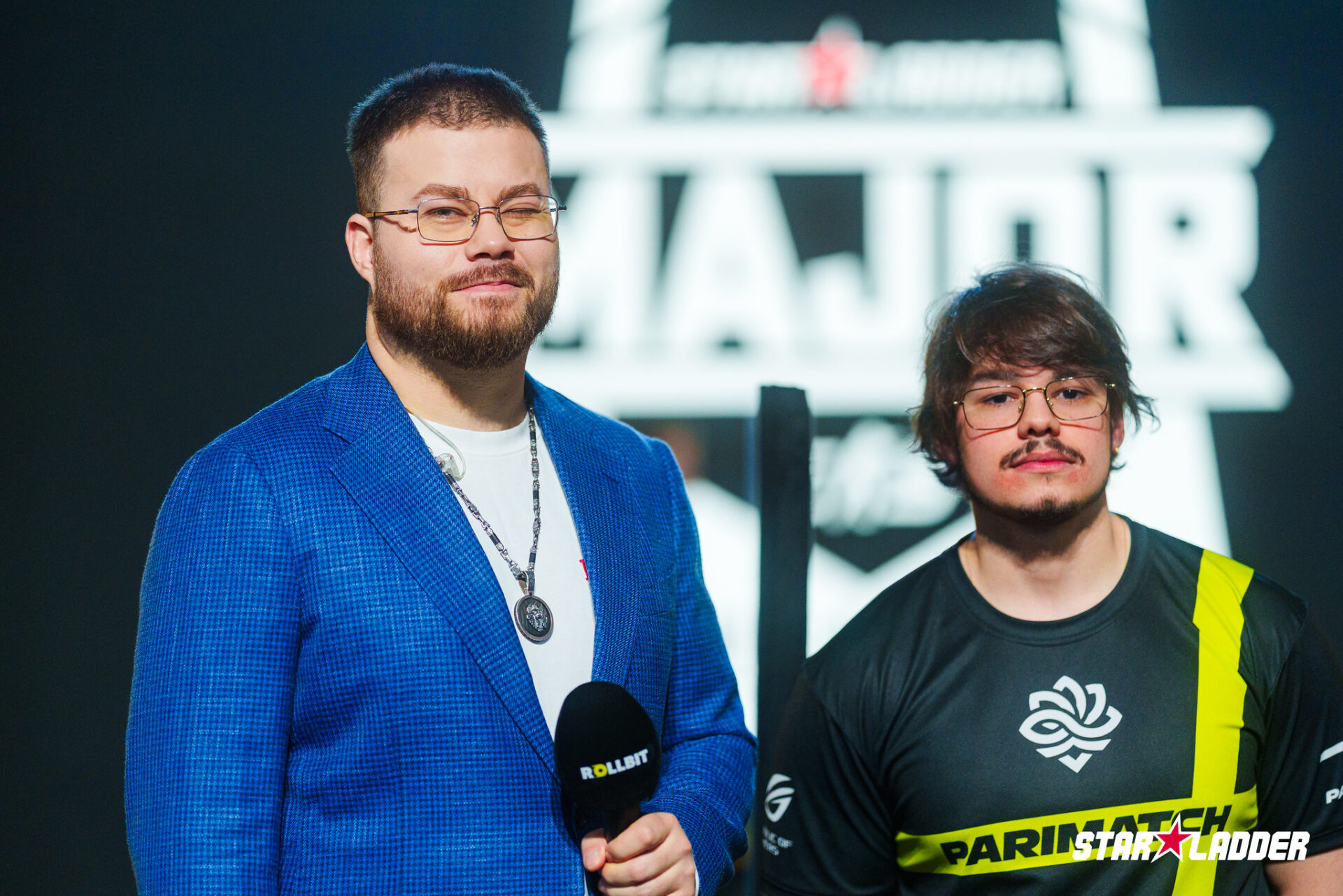
Was there a moment when the crowd’s energy completely carried you away?
Definitely Antwerp [PGL Major Antwerp 2022]. It was such a special location because people from all over Europe could come easily, even by train. The arena officially had around 18,000 seats, but on the last day it felt like there were even more people sitting wherever there was space.
read more
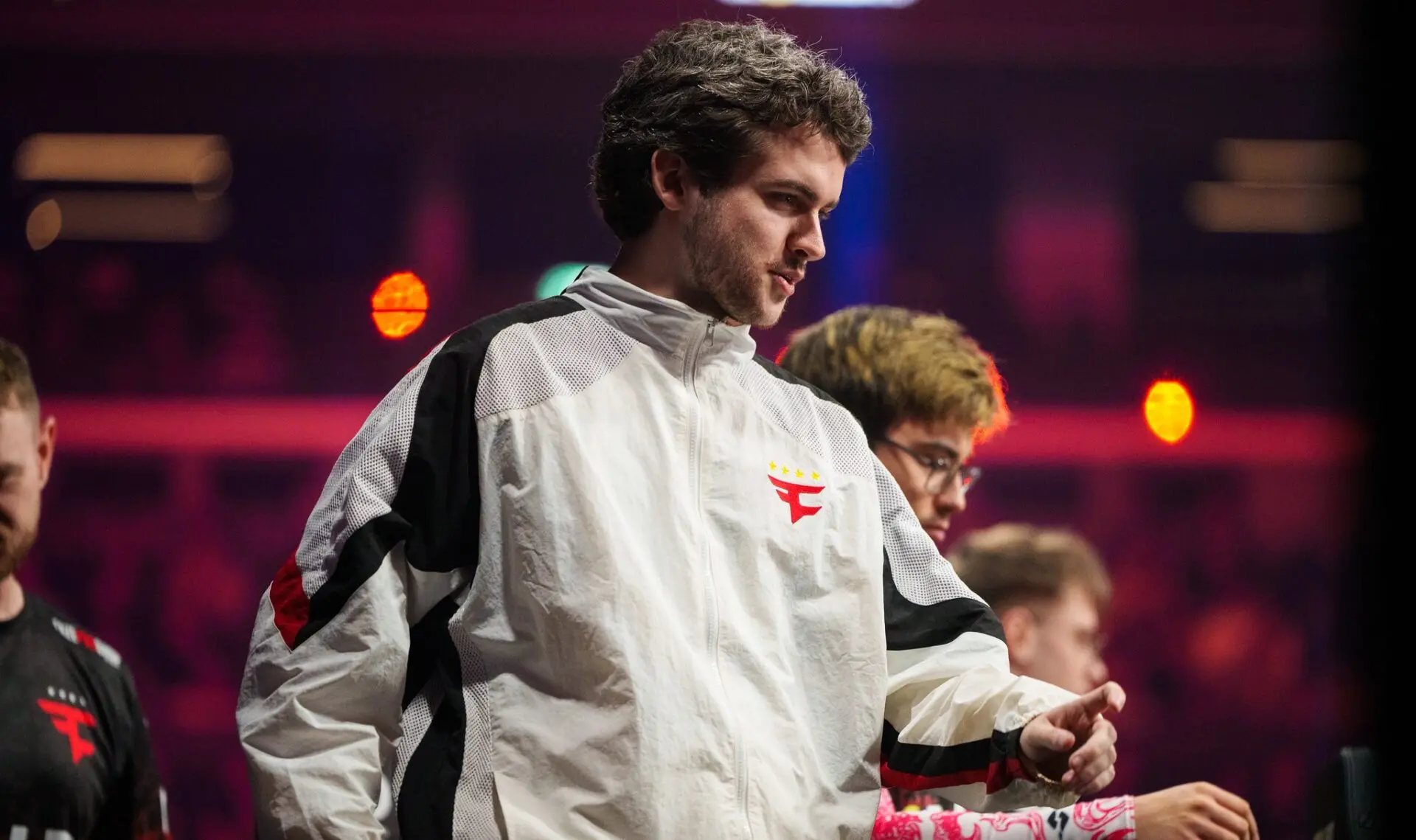
Before the FaZe vs NAVI grand final, the atmosphere was insane. After FaZe won, I remember standing on stage and physically feeling the air move when people were cheering. I’ve never felt anything like that.
It gave me this clear feeling: this is where I want to be, this is what I want to do. It was like one huge celebration and to literally feel that energy was out of this world.
From your perspective, which playoff matchups at this Major are the most exciting?
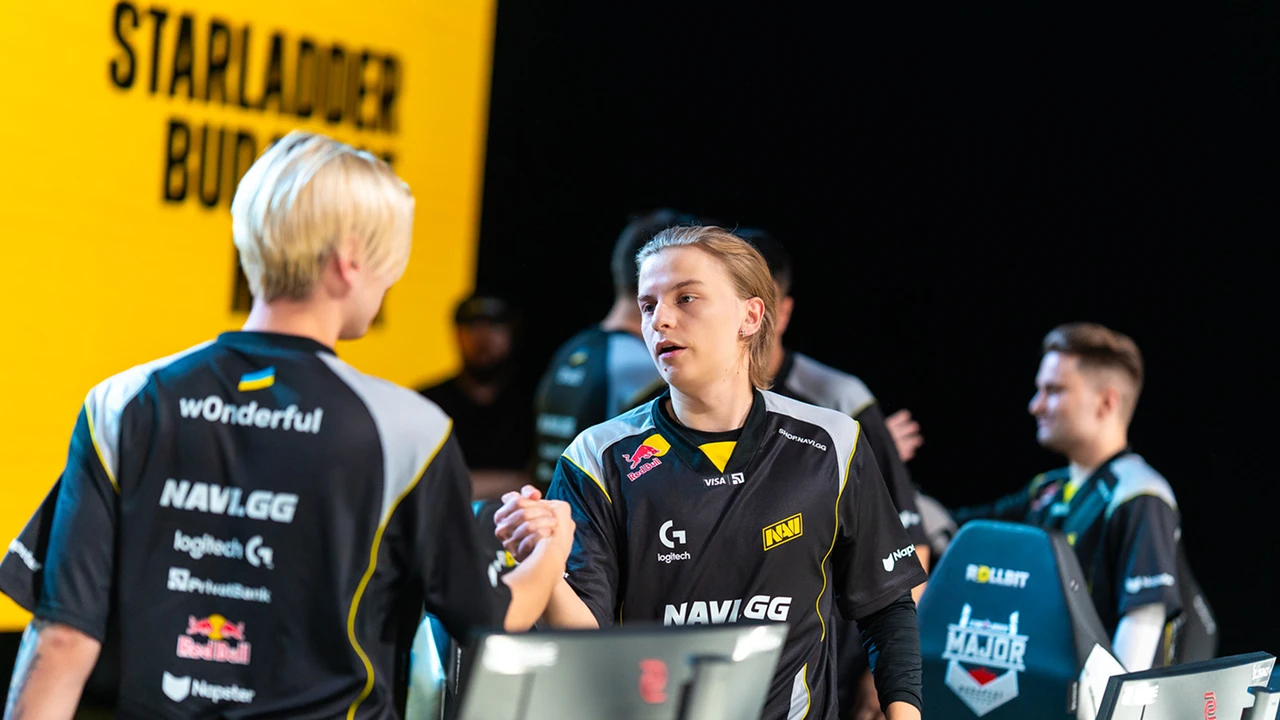
NAVI vs FURIA is a big one for me because of the history. The matchup usually favors FURIA – even when NAVI were 2–0 up in that best-of-five at Thunderpick, FURIA reverse swept them. That shows me that in a BO3 there’s always a chance for NAVI if they level up, especially with wonderful playing this well.
The other huge one is Spirit vs Falcons. On paper, Spirit always lose to Falcons. NiKo and m0NESY have beaten them nine or ten times in a row. It’s incredibly dominant. But it’s a Major stage, and Falcons almost didn’t make it here at all. You just never know what happens in that environment.
Which storyline at this Major do you find the most compelling, and which team surprised you the most?
The MongolZ surprised me the most. They lose senzu, their star player, and I honestly thought they’d go 1–3 or 2–3 at best. Controlez had one Major before, he’s 28, he’s not some “new prodigy” coming up. On paper it looked really bad for them.
read more
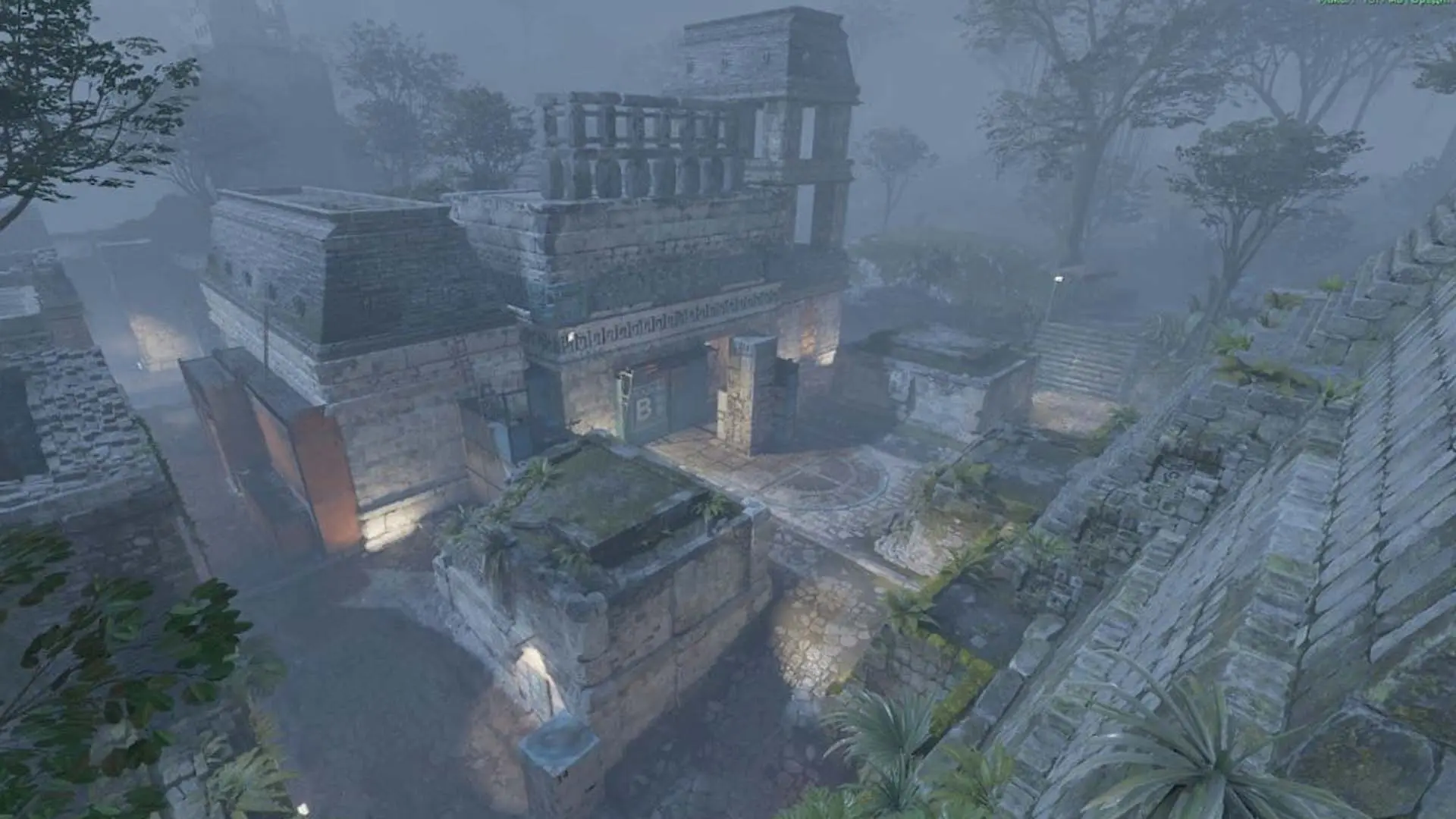
But controlez is playing so well individually, and Mara has proven how strong their system is. It makes me believe they can go further than people expect. Just reaching playoffs with a last-minute stand-in is already a massive win. Beyond that, there are two storylines I love:
- Vitality – they dominated the first half of the year, dropped off heavily by their standards, and now have a real chance at back-to-back Majors. No one has done that since Astralis in 2019, and for apEX it would be his fourth Major. If they pull it off after a weaker second half, they go into “all-time great” territory.
- FURIA – a Brazilian lineup that was supposed to represent the country, with FalleN chasing Major glory again after 2016. And they’re doing it with a Kazakh and a Latvian, changed language, changed roles, and still winning events. That’s absolutely wild.
So FURIA is my number one storyline, MongolZ is my “feel-good surprise”, and Vitality is the long-term legacy one.
Have any emotional reactions from players — whether after a visa issue or elimination — ever caught you off guard?
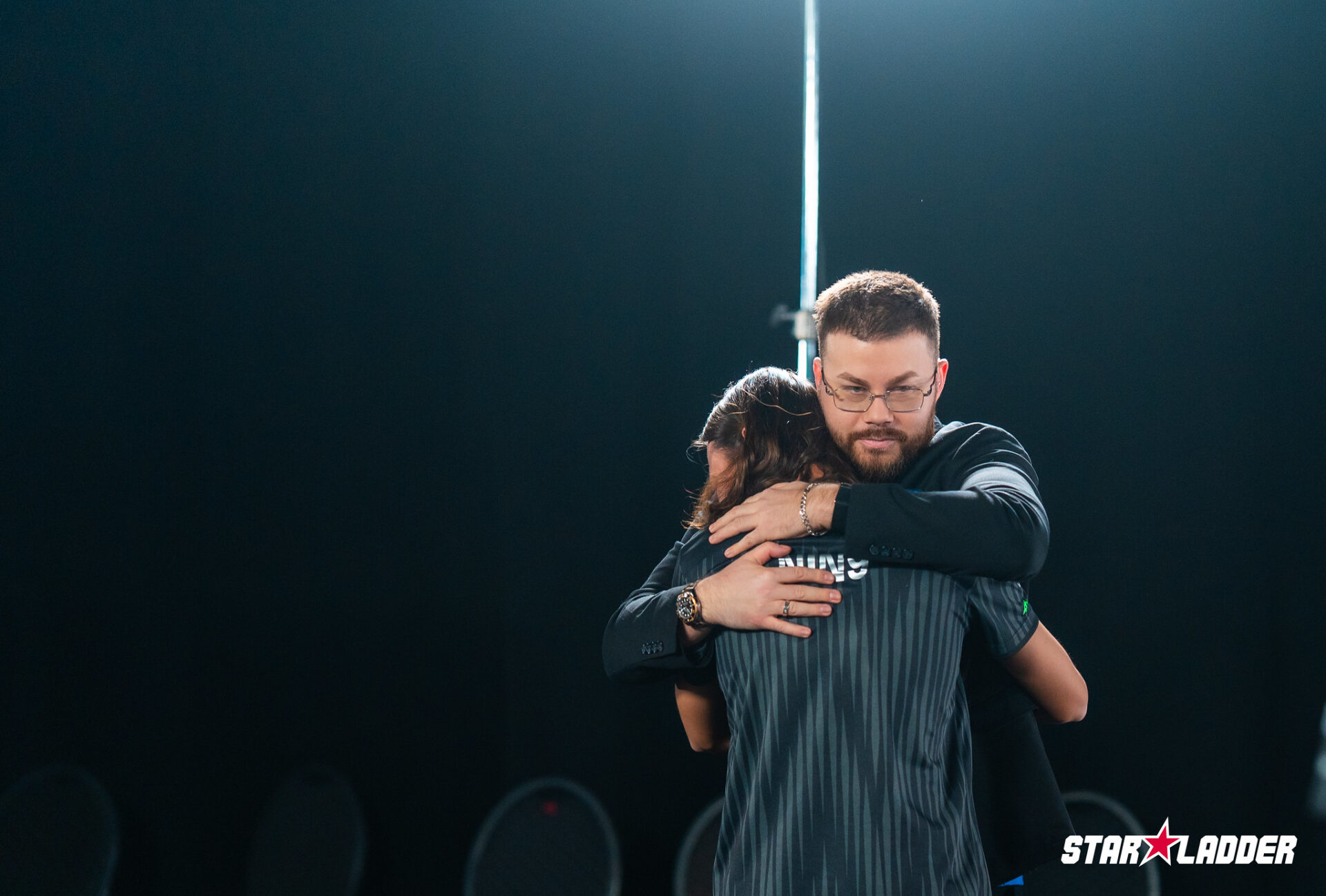
Yes, a couple of times. One was Emilia from Lynn Vision during the loser wall interviews. Those are already painful — I’m just the interviewer, StarLadder decided to do it that way — but I didn’t expect him to cry. He was so sad about his own performance that I felt like I needed to do something more than just ask questions. I wanted to hold him, talk to him, comfort him.
read more
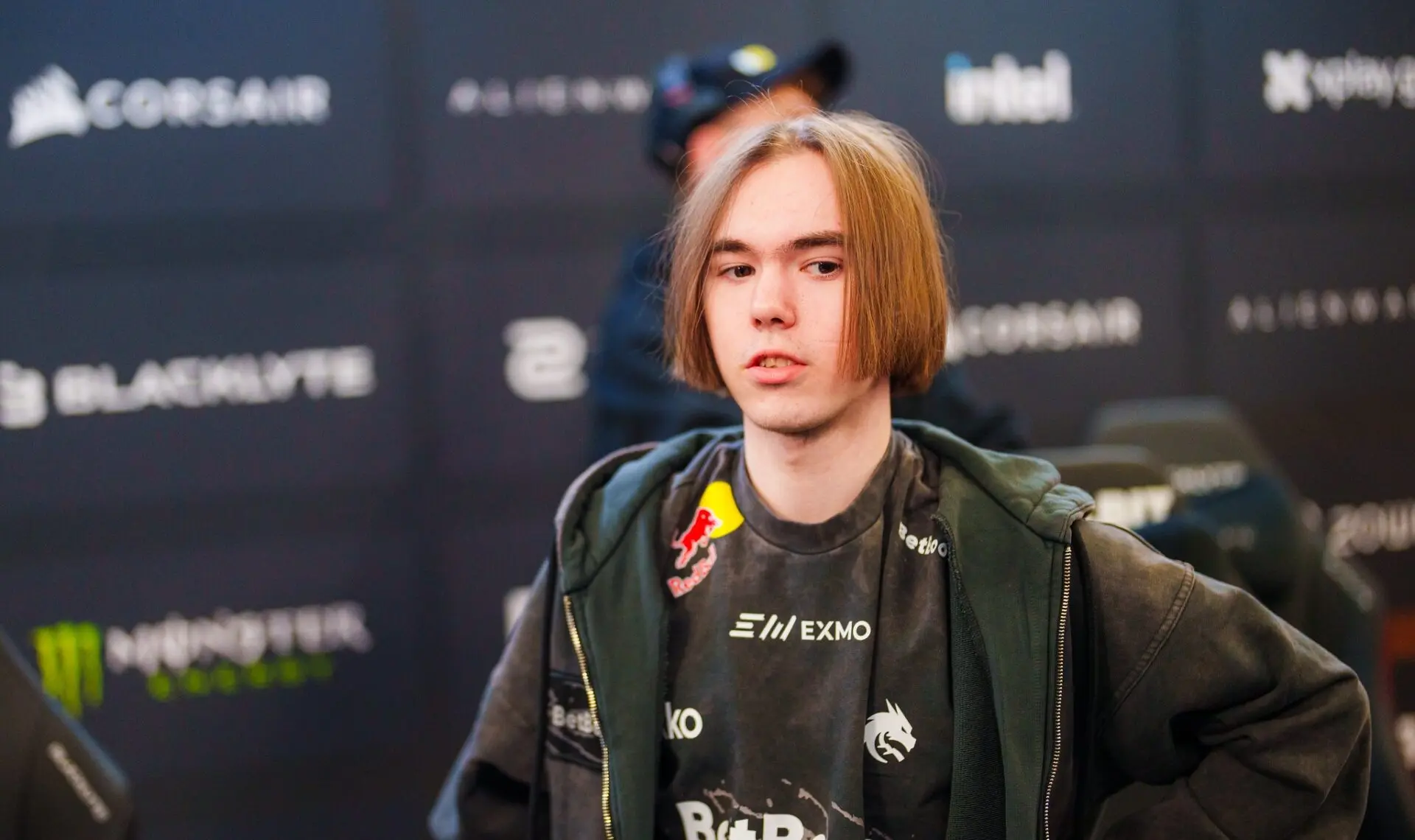
Lynn Vision hadn’t bootcamped in Europe, they were clearly struggling, so I didn’t expect much from them results-wise. But seeing how much it still meant to him, and how much he wanted to succeed to help his family, really caught me off guard.
Another example is huNter-. G2 got eliminated, they missed playoffs again, so I expected a very sad interview. But before we even started filming, he was already breaking down rounds with his teammates — “On Dust2, in this round, we did this…”
So yes, he was unhappy, but his first reaction was completely professional: identify mistakes, think about what to improve next time. Then he did the interview perfectly, with a very mature perspective, even though it was another painful exit for G2. That impressed me a lot.
Has something ever gone wrong on stage where you had to react live and “save” the situation?
Many times, just in different ways. Microphones can die, technical issues happen, the crowd can start cheating by giving away positions — in those cases I have to step in. I’ll go into the crowd and say: “Guys, we might turn X-ray or even the minimap off. We don’t want to ruin your experience, but we have to protect the integrity of the game.” That’s part of the stage host job.
The biggest example is the PGL Copenhagen Major incident, when people knocked down the trophy and caused a huge mess. I had no script, no plan. One moment I’m watching the game, next moment everything is delayed and my boss says: “You need to go on stage and get us back into the game, get the crowd activated again.”
read more
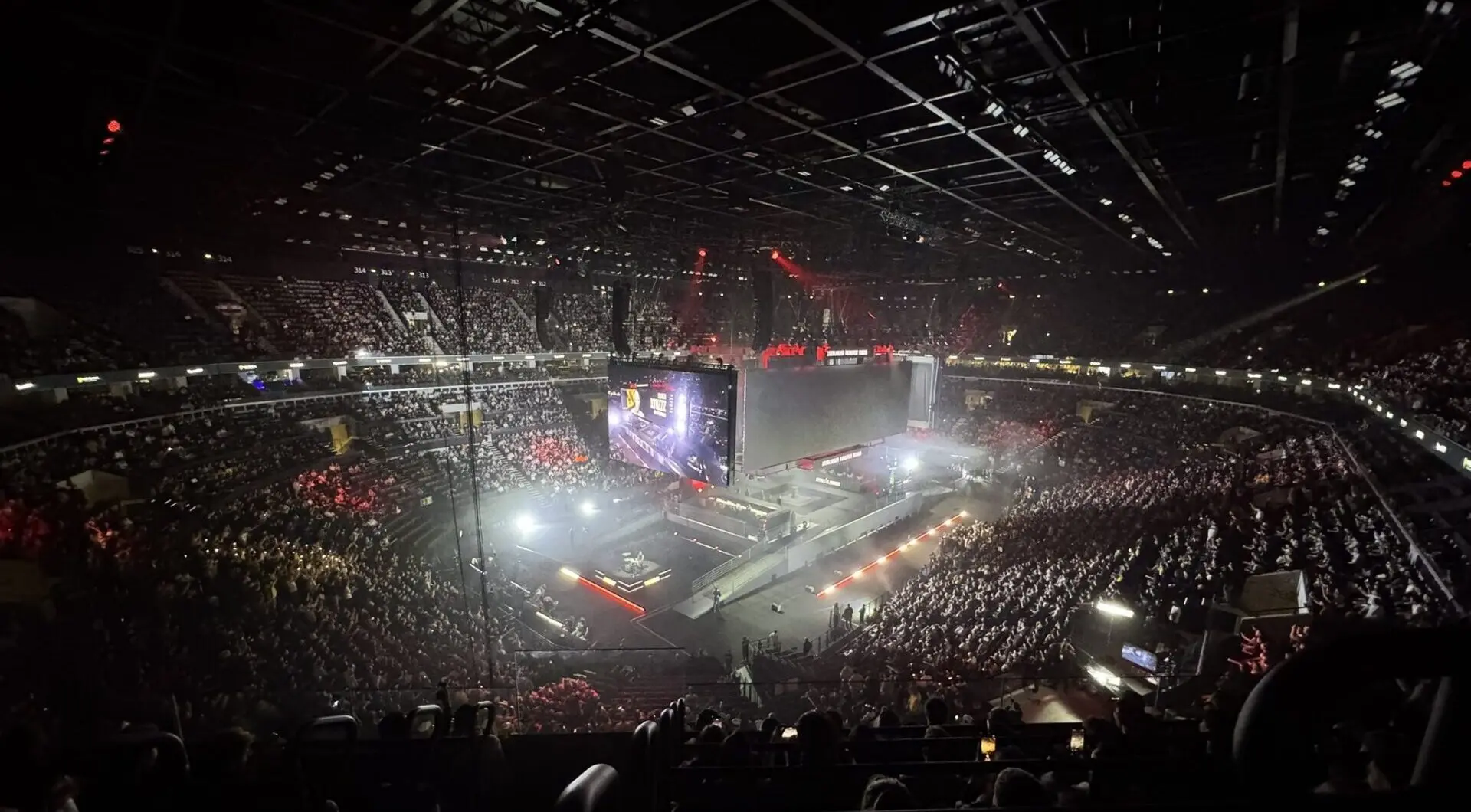
So I went out there and tried to turn a horrible, sad situation into something positive. I told people we needed to ignore this, focus on the game, and get the atmosphere back. I can’t even remember my exact words because it was such a blur, but that’s one of those moments where you just have to act instantly and lead.
You’re not the only interviewer or host at this event. How do you look at other people’s work, and how do you help them?
I always try to learn from others and help where I can if they are newer.
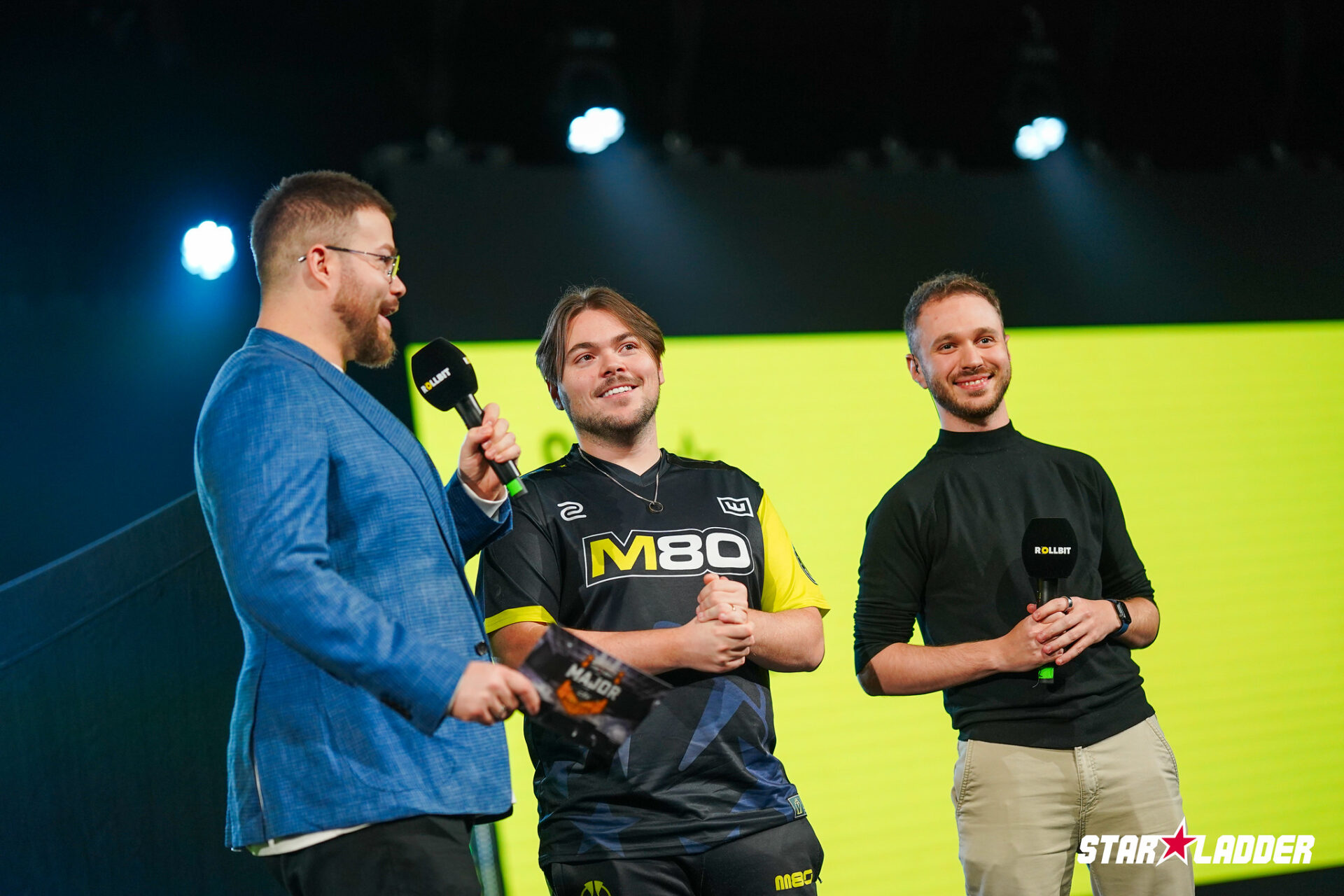
STYKO is a good example here. He’s a professional player, and this is his first time doing work like this on a Major broadcast. Same for Donna: she had done interviews before, worked with OnlyPixel, but a Major is a different level of pressure. Even very experienced people make mistakes under that pressure.
If you watch my first Major in 2019, I was terrible. That’s just a fact. You learn and grow from each event. So with someone like STYKO, I tell him:
“You’re a pro. You can ask detailed questions I might never think of. You’ve lifted trophies, you’ve played on stage. Use that.”
I also give small presentation tips: which hand to hold the mic in, how to stand, how to slow down for players whose English isn’t great, how to phrase things.
For myself, I look at people like OJ Borg — his stage hosting and voice work are fantastic. I try to learn and apply bits of that in my own style. But at the end of the day, all of us need our own unique way of doing things. We shouldn’t all be copies of each other.
read more
How has your role evolved over the years, and what’s the most underrated skill of a great interviewer?
In the past, interviews were much more “free”. Broadcasts were less tight, players had more media time. I could do a three– three-and-a-half-minute interview easily: warm them up, ask context, then dive deep.
Now, the time is much more limited. Sometimes you have one or two minutes max. So when people say “Why didn’t you ask this?” — the reality is, I just don’t have the time.
Another thing fans don’t see: no one gives me questions. I write them all myself. And if I’m working with analysts — Pimp, Maui, Devilwalk, TeD here — and they have a question, I’ll prioritize theirs over my own. Because my job is also to serve the desk.
I’m like a hidden part of the analyst desk. They play the interview and react to what the player says, so my questions need to feed them material, not just satisfy fans curiosity. That’s a very “TV” way of thinking that people don’t always understand.
Stage hosting has also evolved massively. It used to be: stand there, welcome teams, hype the crowd, done. Now you have full walk-in presentations, voiceovers, player highlights, crowd segments – look at BLAST Hong Kong or PGL events. There’s way more to do.
The most underrated skill? Relationships and flexibility.
read more
- Relationships with players — not to be everyone’s friend (that’s impossible), but to understand them as people so you can get better interviews.
- Flexibility — you might plan to interview one player, but he’s sick, so suddenly you’re talking to someone else with zero prep. You have to adapt.
We also do more coach check-ins between maps now. That never existed before. You talk to the coach, listen, then decide whether it’s actually worth reporting. If it’s basic, you skip it. If it’s insightful, you lift it into the show.
What’s your honest view on the “loser wall” exit interviews at this Major? A lot of fans say it looks too harsh.
Personally, I’ve never had a problem doing loser interviews in general. But this particular format — lining all the players up on a wall — feels painful and awkward.
From StarLadder’s perspective, I understand it. They want something different, they want to show emotions, they want a unique visual. Companies don’t want to run the same format at every event. I respect it and I will do as they ask me t odo.
The funny thing is, at the Austin Major I did a ton of loser interviews as well and Reddit was like: “Banks, these are so good, such deep insight!” Same style, same interviewer, similar questions. Now at this Major, because it’s on the wall, suddenly it’s: “Banks is shit, fire him, he shouldn’t be doing this job.”
So it’s not really about me, it’s about how the setup looks. It’s harsh on players, I agree. But you also get moments like the last G2 interview with huNter-, which was excellent. Emotional but constructive, and we got real insight.
read more
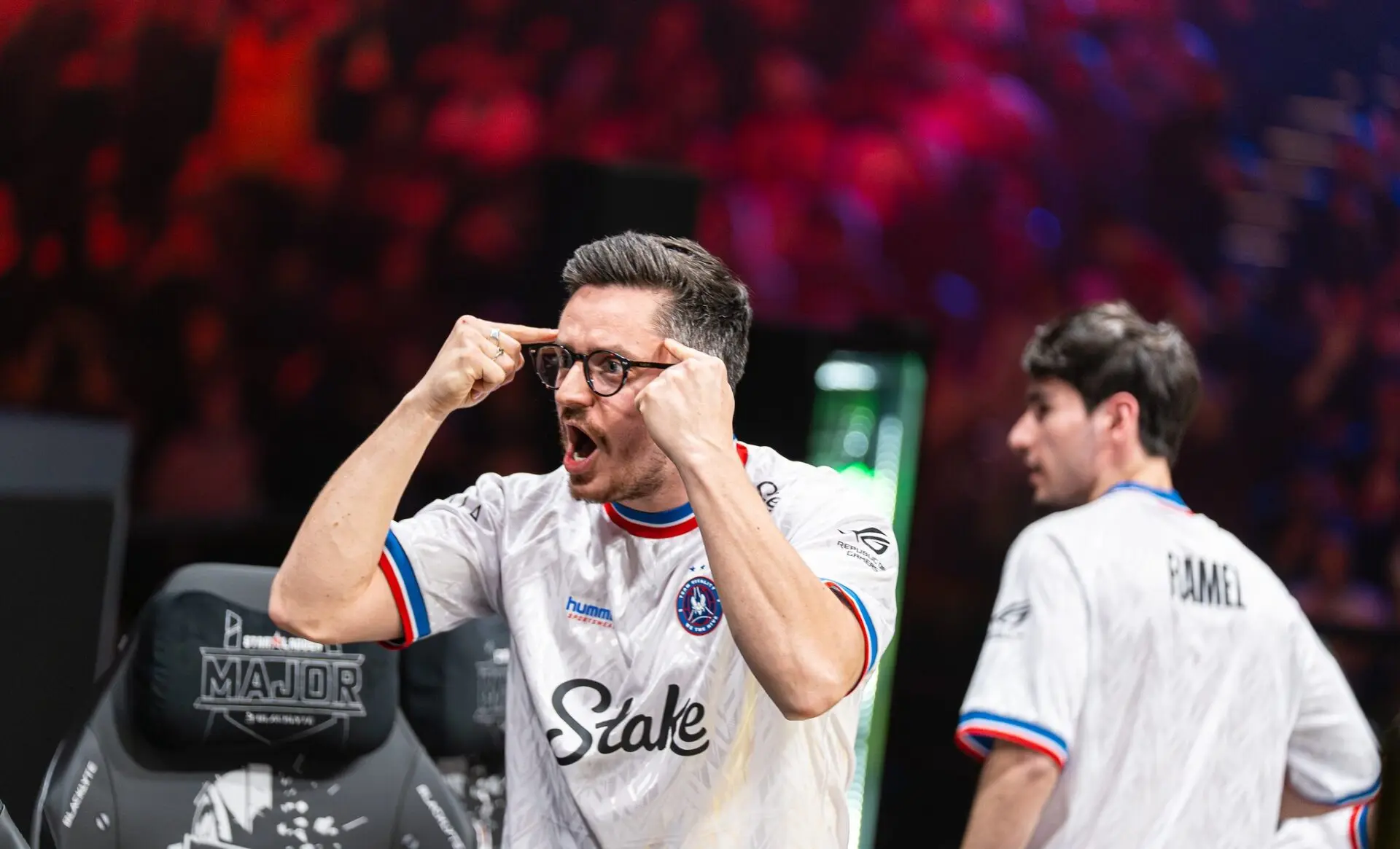
People hate change at first. Maybe if more tournaments copy this format, the community will go: “Actually, this is good.” We’ll see. End of the day you should not take criticism from people you would not take advice from.
How do you translate the backstage atmosphere to the audience so they feel the emotion as well?
You have to filter it. Sometimes backstage is negative — delays, tech problems, people stressed and angry. I can’t bring that to the crowd. My job is to give them energy and excitement, not to dump backstage stress on them.
When the environment is positive, though — for example, FURIA blasting music and dancing before going on stage, or apEX joking around with flameZ — that energy comes into me. I feel it, and it makes it easier to bring hype to the fans.
So it works both ways. The key is to take what’s useful and not let the bad stuff leak out.
What does a typical day at the event look like for you?
As an interviewer and stage host, I’m usually the first talent in and the last one out. Production still works harder and longer overall, but among talent, my day is long.
Roughly:
- 9–10 am: wake up, breakfast, get ready.
- Head to the venue, prepare the opener with camera crew, sometimes other talent film it.
- Quick makeup — for men it’s fast
- Wait for teams to arrive and set up, then do pre-match interviews as soon as possible so we don’t delay them.
- Watch every game. Interviewers and stage hosts don’t have split shifts like casters or analysts — we’re there all day. I watch, take notes, talk to analysts and casters for extra insight.
- Rotate through pre-match and post-match interviews until the whole day is done.
read more
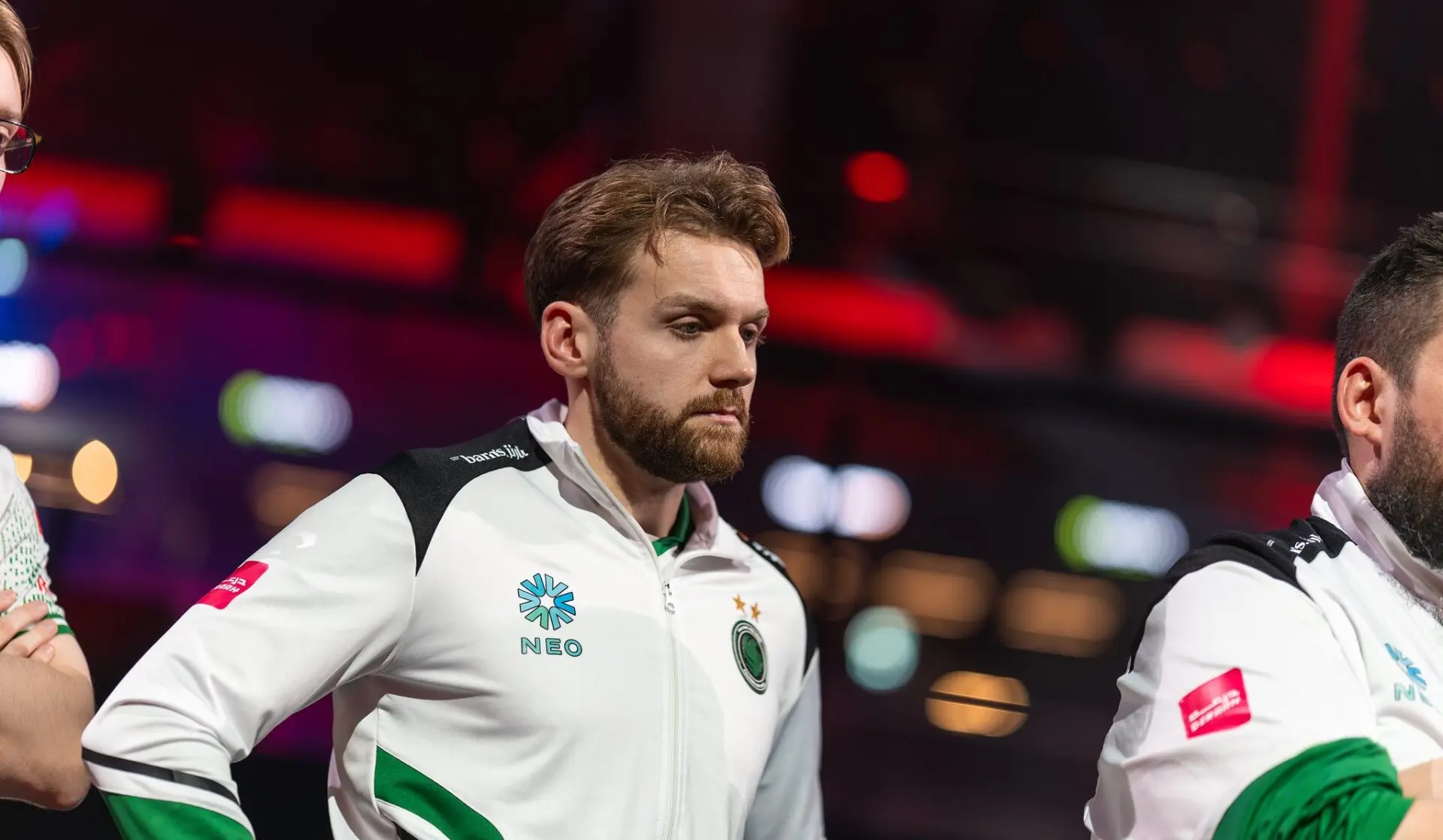
If we’re lucky, we’re back at the hotel around 22:30–23:00. Then you still need to prepare questions for the next day. So you’re easily doing 12+ hour days.
And I want to highlight: production are the real unsung heroes. Camera operators, techs, people pushing buttons, fixing issues… they worked through the night to sort out problems after that rough first day. Without them, none of what viewers see is possible.
Spirit enter the playoffs in incredible form. What do you see as the main driving force behind their success?
Time and data.
When you have systems like NAVI or Spirit, you need a lot of games and demos to understand what works and what doesn’t. Spirit went through a big change — it’s not just “they have donk, so they should win”.
Magixx left, zont1x came in, tn1r and zweih joined; everyone had to learn how to react and fit together again. They’ve gone 3–0 at events before and still not won the Major, so raw strength isn’t the only story.
The key difference now is:
- In Hong Kong, the coach Hally gave chopper more control over preparation, instead of doing everything himself.
- They gathered a lot of data from officials with the new players.
- They used the pre-Major break to rework their system properly based on that data.
read more
That’s why they look so strong now. If they bring this level into the arena for playoffs, they’re terrifying. Donk will do his thing, I don’t worry about him. It’s more about how the rest of the team handles the pressure and the crowd.
I’d also bet Spirit are one of the teams not really taking a day off before playoffs. Maybe one at most. They’re grinding hard.
What about Falcons? Is this the best chance for NiKo to finally win a Major?
It’s a huge chance, but I don’t know if it’s the best one.
Falcons have had a very good year in terms of deep runs: lots of second places, third–fourth places. They won Bucharest with degster, but they haven’t lifted the biggest titles yet.
The tricky part is the extra pressure. The organization has repeatedly said: “The Major is the focus.” That adds another layer onto an already high-pressure event. The Major is stressful enough without the org reminding you it’s everything.
So yes, it’s a big opportunity. But it’s far from guaranteed, and that pressure could easily become a problem if they don’t manage it well.
How dangerous do Vitality look at this tournament?
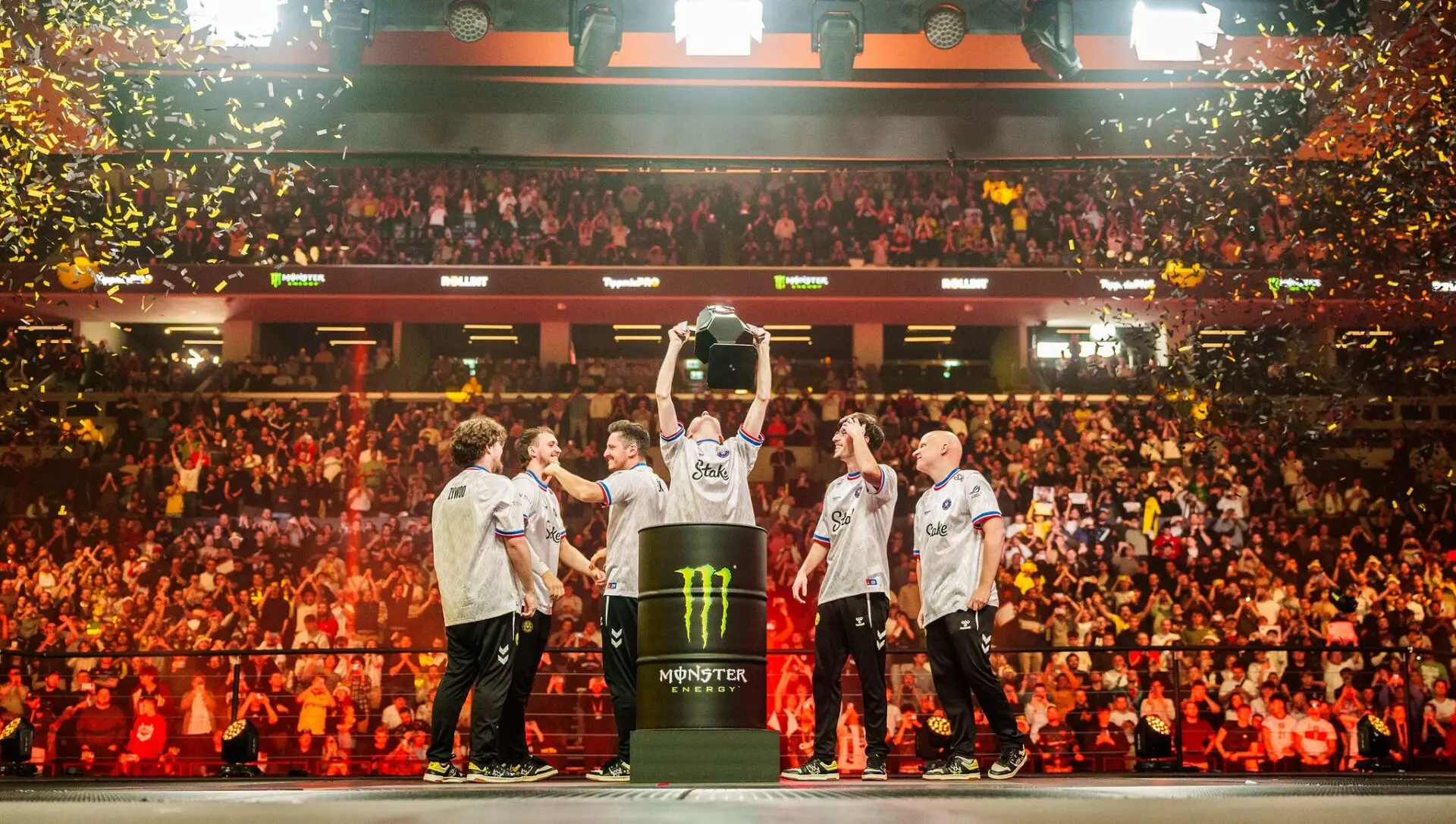
Vitality are always dangerous. For me, their biggest strength isn’t just ZywOo dropping numbers — it’s the synergy. When they really understand each other and play off each other perfectly, they’re terrifying. It’s the little things: the perfect flash at the right time, the supportive rotation, the way they trade for each other. When all five players click like that, they’re one of the scariest teams in the world.
read more
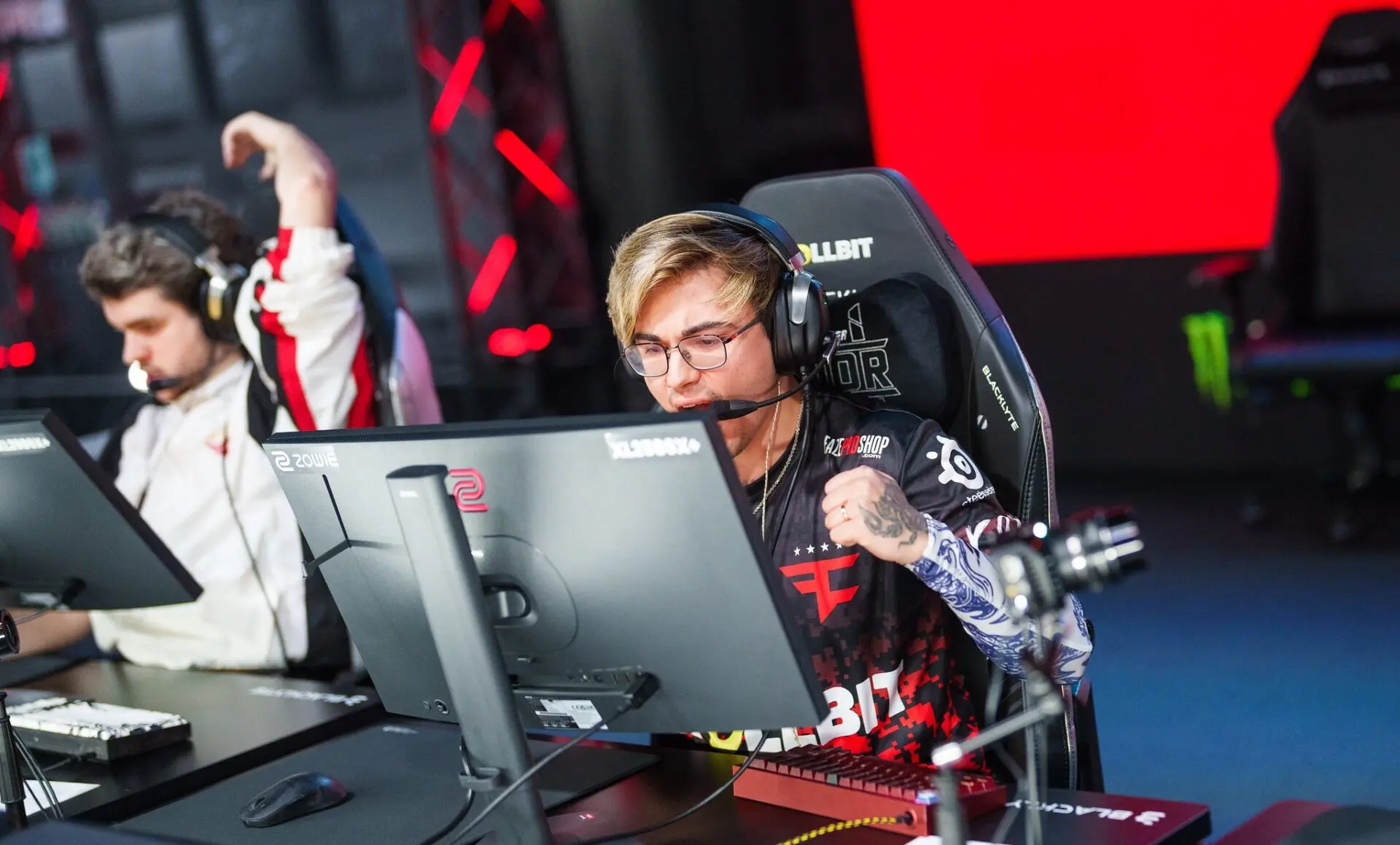
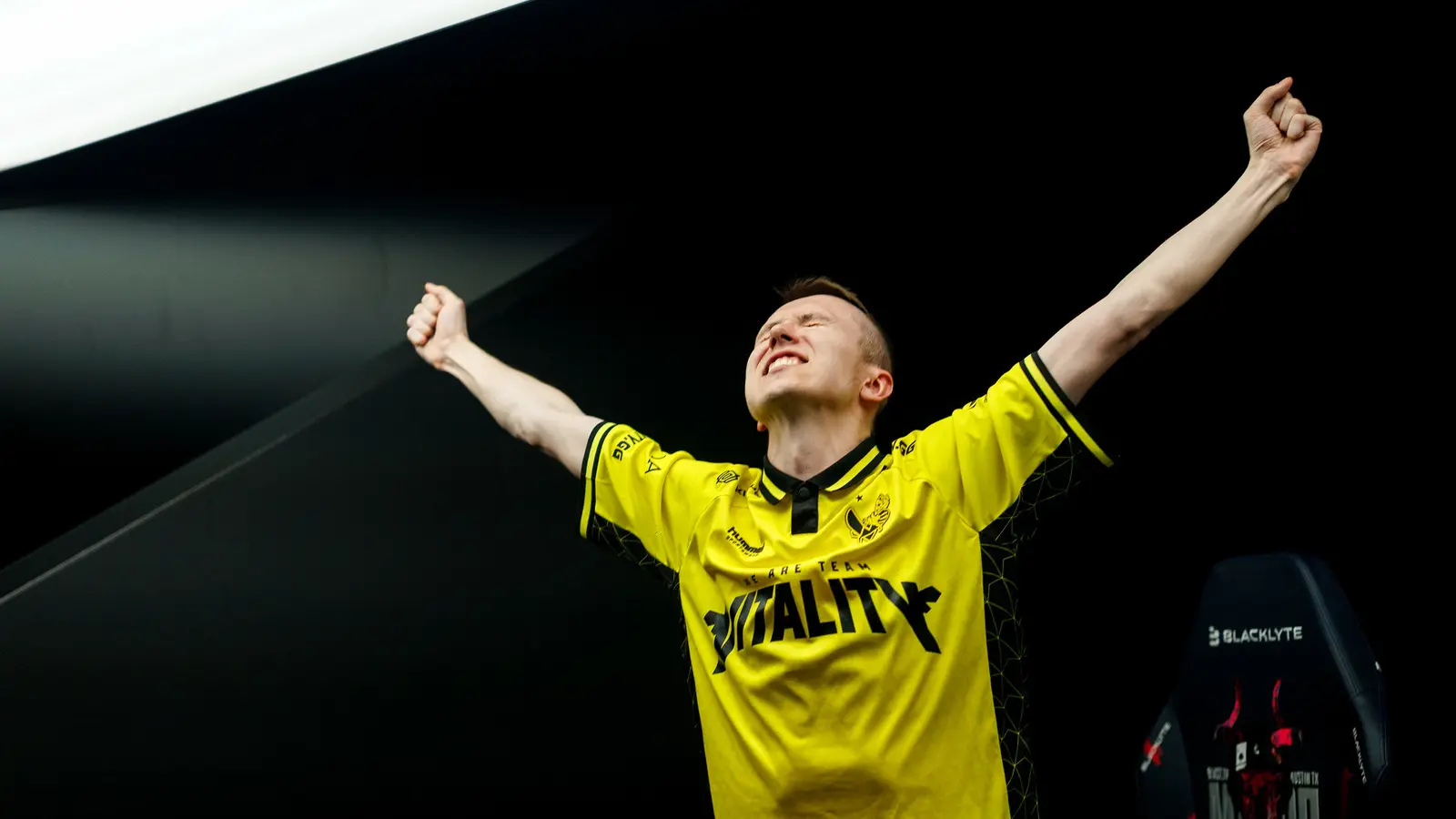
apEX has talked openly about how important this Major is for him: back-to-back trophies, first time since 2019, fourth Major for him personally. If they end a shaky second half of the year by winning a Major, after already taking one in the first half, they’ll put themselves into a very small group of “greatest of all time” lineups.
How far do you think The MongolZ can actually go?
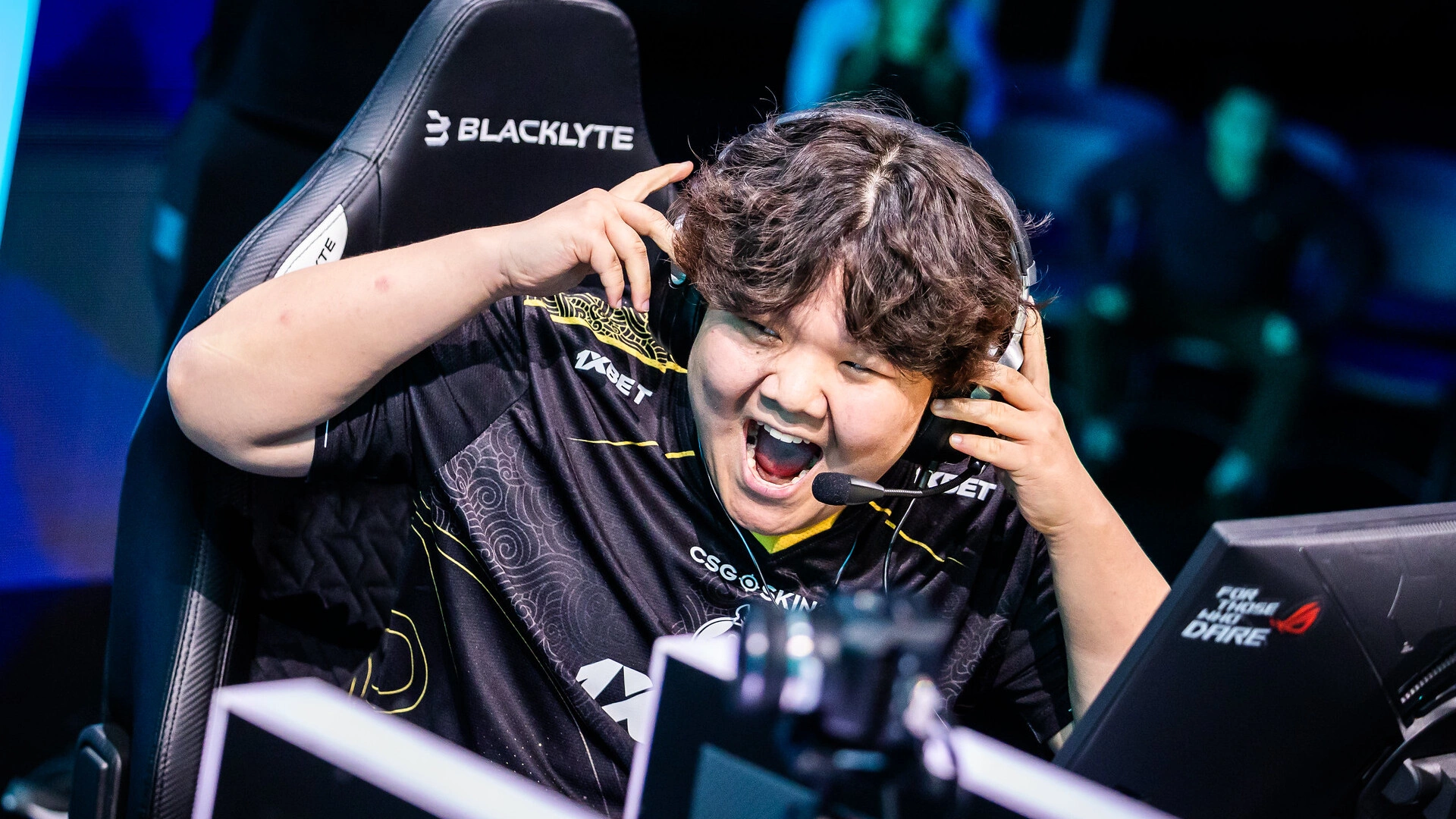
Their first game is against Vitality, and Vitality has always been a tough matchup for them, so that makes it harder. MongolZ play a really unique style – very duel-heavy, very confident, lots of fights. They’ve integrated controllers well, but we don’t yet know how he’ll perform on a huge stage. He’s older, 28, not a rookie.
The thing with MongolZ is: they can beat anyone on the right day — FURIA, Falcons, Vitality, MOUZ, you name it. We saw it against G2: they took every fight, every duel and made it work. But if one or two players are off, if 910 isn’t hitting his form, their style can fall apart. And in playoffs, it’s single elimination: one bad day and you’re out. So I think they can upset anyone, but they have to start very strong.
Who can stop FURIA in playoffs?
Right now, FURIA look like massive favorites. Their qualifiers to playoffs were dominant, the scorelines were crazy. It didn’t look like anyone could really contest them.
read more
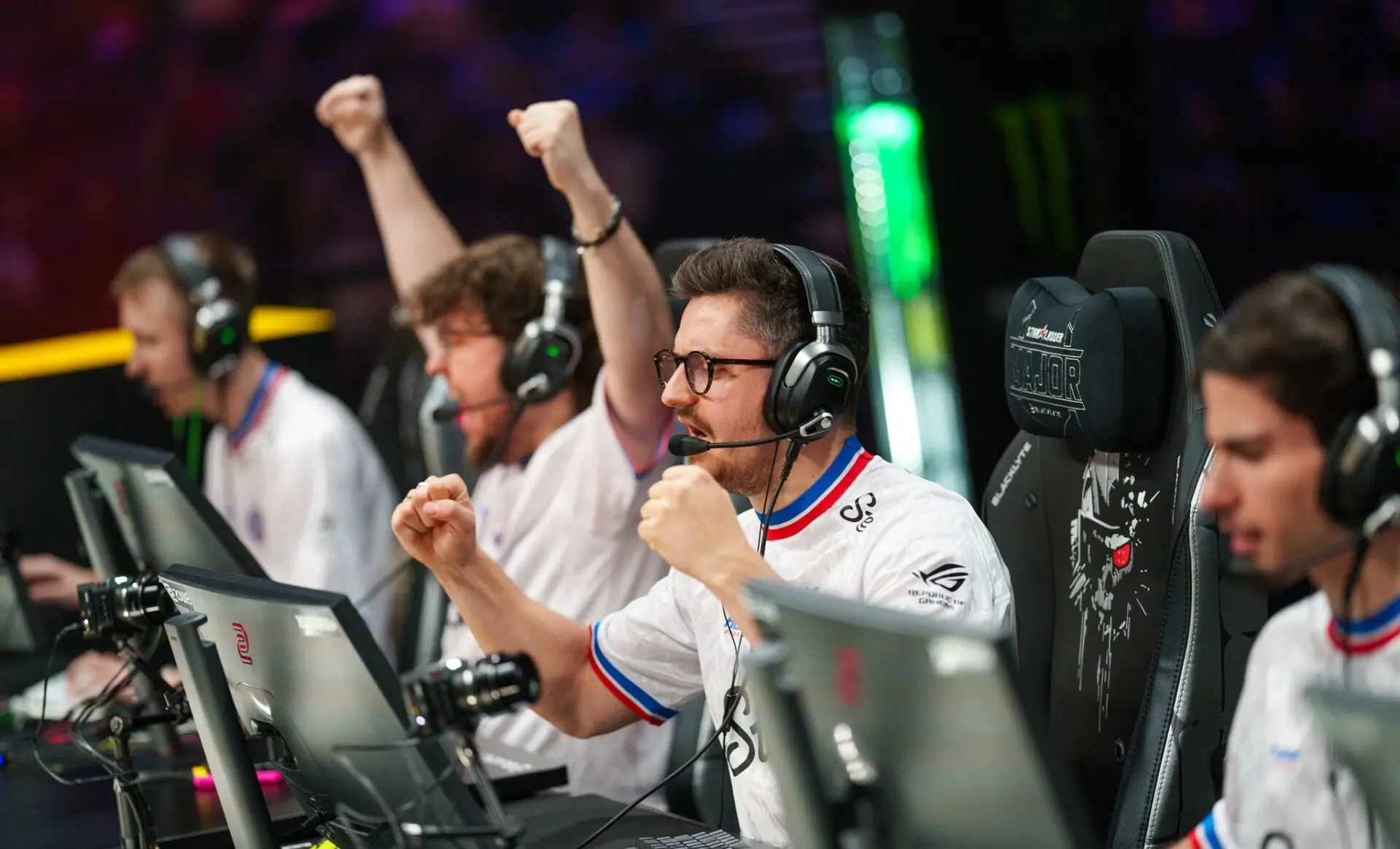
But if you look historically at finals and playoff runs, they often have series that go very close against all kinds of teams. NAVI have taken maps off them, Falcons beat them on the first map in Hong Kong. There are weak spots.
What pulls them together is:
- An experienced leader with great calling
- Individuals who clearly believe in each other
- Almost perfect synergy right now
They can lose to anyone in a long, close BO3, but they can also beat anyone. They just need to make sure they’ve checked all the basics, gone through their defaults, and fully understood how they want to approach each opponent. They also had some sickness in the team, I gave Yekindar some medicine to help him get better after they went 3-0, so hopefully they will be at full strength for the playoffs.
NAVI destroyed everyone in Stage 2, but looked shaky in Stage 3. Which version of NAVI do you expect in playoffs?
I still expect a slightly shaky NAVI, simply because the opponents are stronger now.
This year, NAVI usually beat teams below them but struggle against the very top teams. The good news is the Vitality series: they could have won both maps. Tiny details made the difference. If they’d simply won one pistol, they might have taken the whole thing.
The most important improvement is their mentality. Before, you could see them tilting, looking unhappy in games. This event, thanks to Urszula ‘Xirreth’ Klimczak, their performance manager, they clearly focused hard on that during bootcamp. Their mood and attitude look much better. B1ad3 even gave her credit as well.
read more
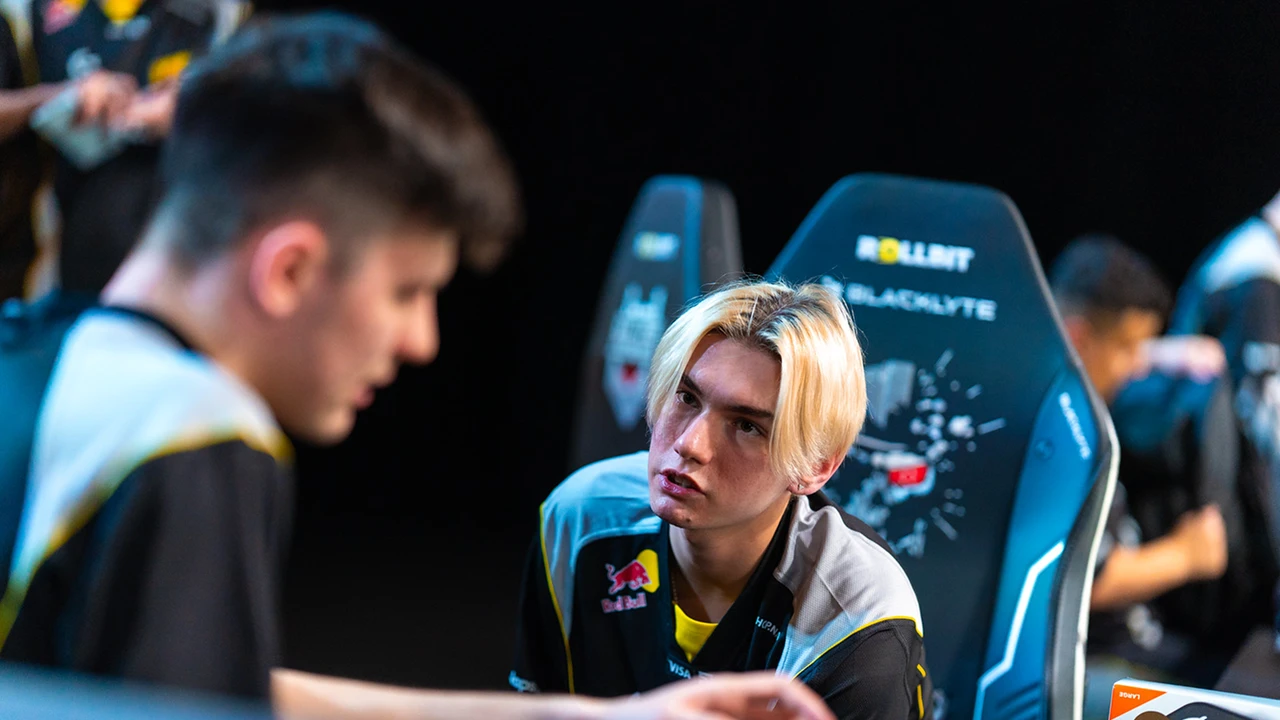
If that mental work holds under arena pressure, they can surprise people. But they still need to prove it on the big stage.
MOUZ keep reaching semifinals but can’t go all the way. Can the home crowd in Budapest push them to a final — or even the trophy?
MOUZ are the most consistent team in Counter-Strike right now. If you look at the year, they basically only lose to Falcons and Vitality. They can beat everyone else, including Spirit.
The issue is the mental barrier. Even when they reached a final, like Cologne, it fell apart there. The crowd in Budapest will help massively — it’s siuhy’s home. But that also adds pressure, both on him and on the rest of the team to step up.
They’ve stuck with the same core for a long time now. If it doesn’t work at this Major, after such an amazing year, and after trying different approaches within the team, maybe they’ll need to look at changes. Not because someone is “bad”, but because sometimes you’re one player away from lifting trophies instead of just reaching semis.
Right now, I honestly don’t know how far to put them in my Pick’em. They’re so close. You want to root for them because they’re always on the edge of greatness.
How much do FaZe depend on broky’s form — and do you expect him to shine in the arena, or just play like he has so far at this Major?
Before Stage 3, broky was sick and not playing well, even before the Major. In Stage 3, he started to come back, which is a very good sign.
read more
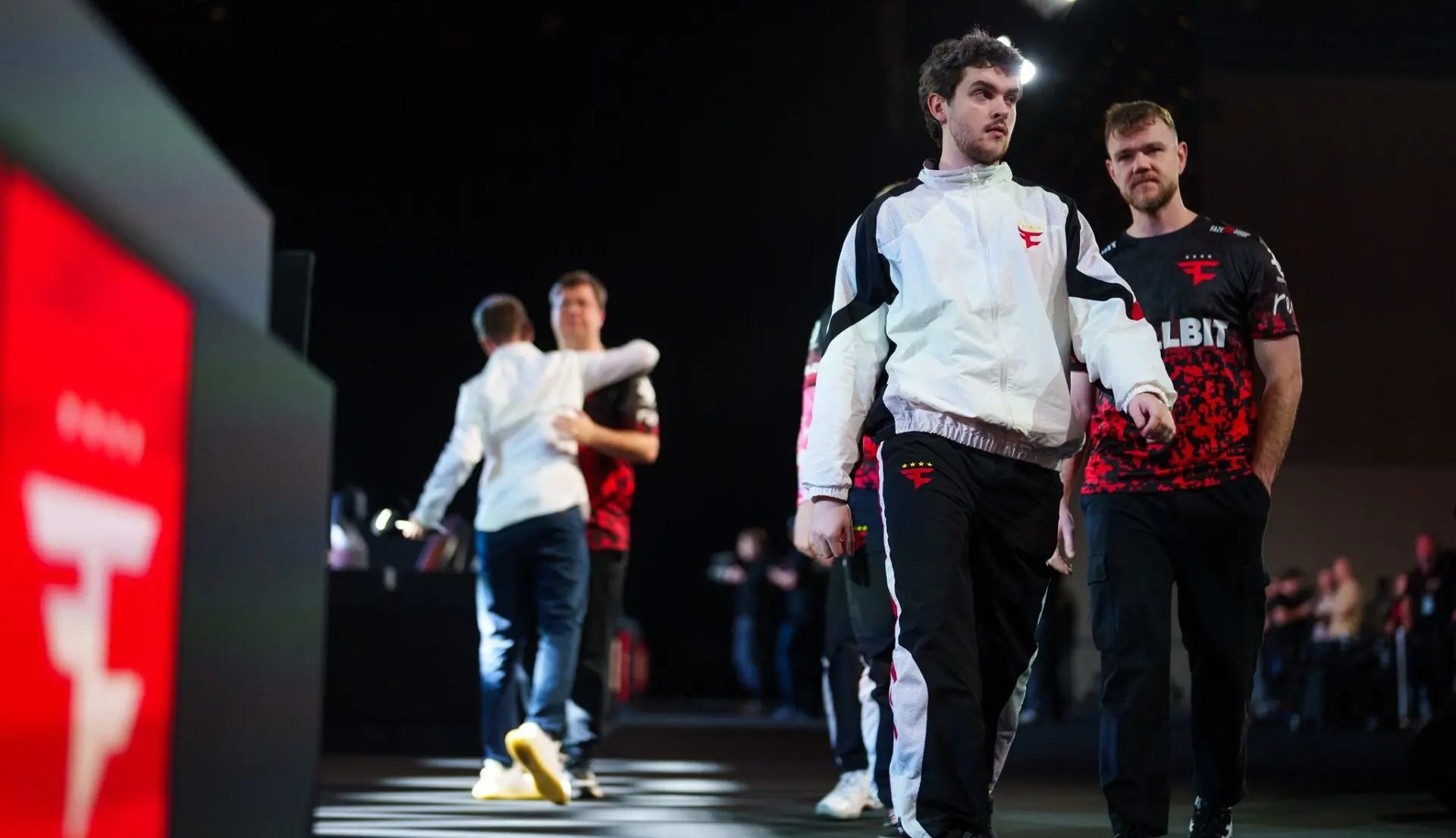
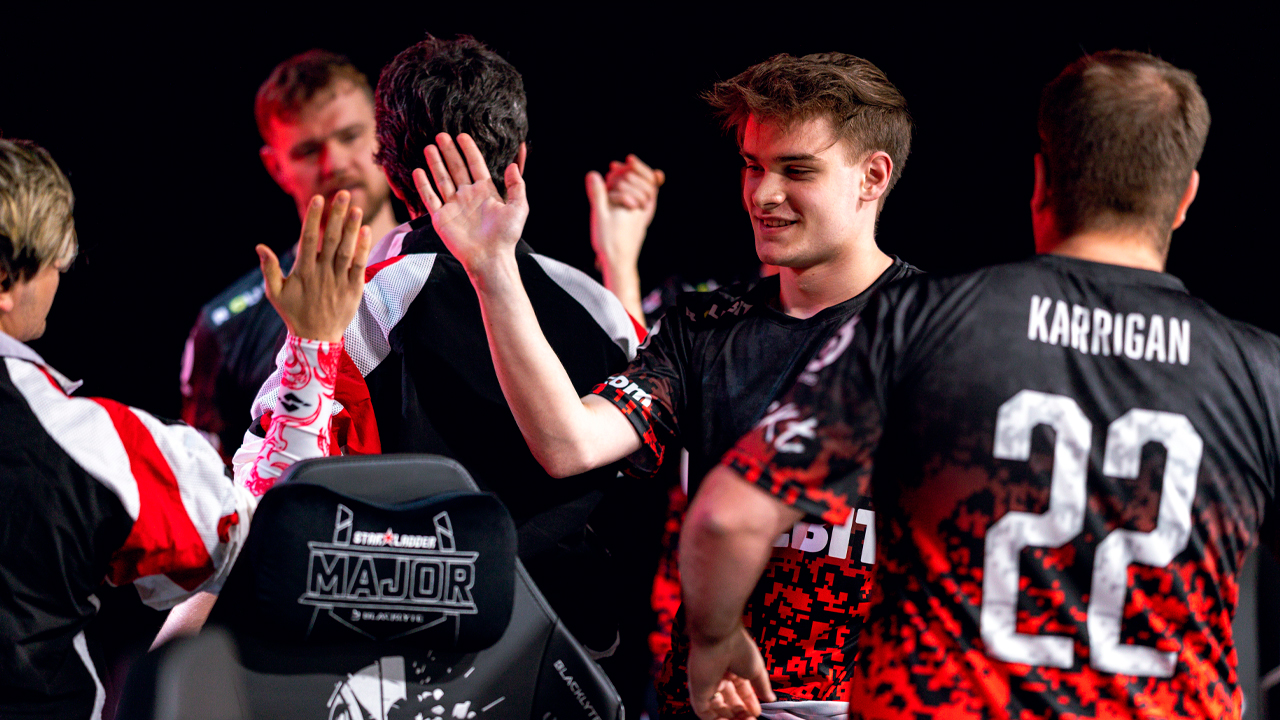
Karrigan told me: “Once we’re in playoffs, everyone will be scared of us because we have nothing to lose.” And he’s right. They were 0.4 seconds away from elimination. Now they’re in playoffs. If they go out in quarters, people will say, “Fair enough, it was already better than expected.”
Karrigan knows how to get the best out of frozen, broky, ropz and Twistzz on stage, and he knows how to use the crowd. jkaem, by the way, is playing really well this Major; people gave him a lot of shit before, but he’s found confidence again.
The big question is whether that confidence holds in a 20,000-seat arena. That’s a different challenge.
For FaZe, this is a free swing. They’ve already overperformed expectations. And with FaZe, there’s always a chance for some Major magic — just look at how many finals they’ve reached when everyone said they were done.
This Major schedule is brutal. How do you stay physically and mentally healthy throughout the event?
My wife is the number one reason I can do this. She’s sitting next to me right now. She handles everything non–Counter-Strike related so I can focus on my job:
- Helps pick suits and outfits
- Makes sure I don’t forget things
- Films behind-the-scenes videos and photos for social media
- Takes care of small logistical stuff that would otherwise drain my energy
Up until today I’ve had zero days off — even on “off-days” without broadcast I’m doing media, live podcasts, something. The way I look at it is: when the Major ends, it’s Christmas time, holiday time. That’s where I rest and recharge. But during the event, it’s full grind.
read more
I try to eat better now. A few years ago I’d finish work at 11 pm and hit McDonald’s, KFC, Burger King. That destroys your body if you do events back-to-back. There was a period where I went to the gym every morning before broadcast, but that made me too tired and it wasn’t sustainable. I’m 35 now, I listen more to my trainer and my wife. I try to find balance: eat better, don’t drink two energy drinks every day, maybe have tea instead.
I’m also a type 1 diabetic and I’ve had three surgeries in the last year to fix issues I ignored while grinding events. None of them were huge operations, but they were about fixing long-term pain. I should’ve done them earlier. So the big lesson is: don’t neglect your health. Good food, enough sleep (ideally 7–8 hours), and listening to your body. Young people might not see it yet, but it’ll catch up with you.
SkinClub Pick’em — Expert Insight for Your Playoff Picks
The SkinClub Pick’em for the playoffs is live, and James Banks’ perspective helps highlight the key danger teams, upset potential, and real title contenders. Use his take on Spirit, Vitality, FURIA, Falcons, MOUZ, and The MongolZ to fine-tune your predictions — or go against the grain and chase a bold bracket.
read more