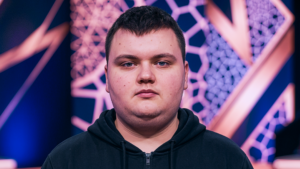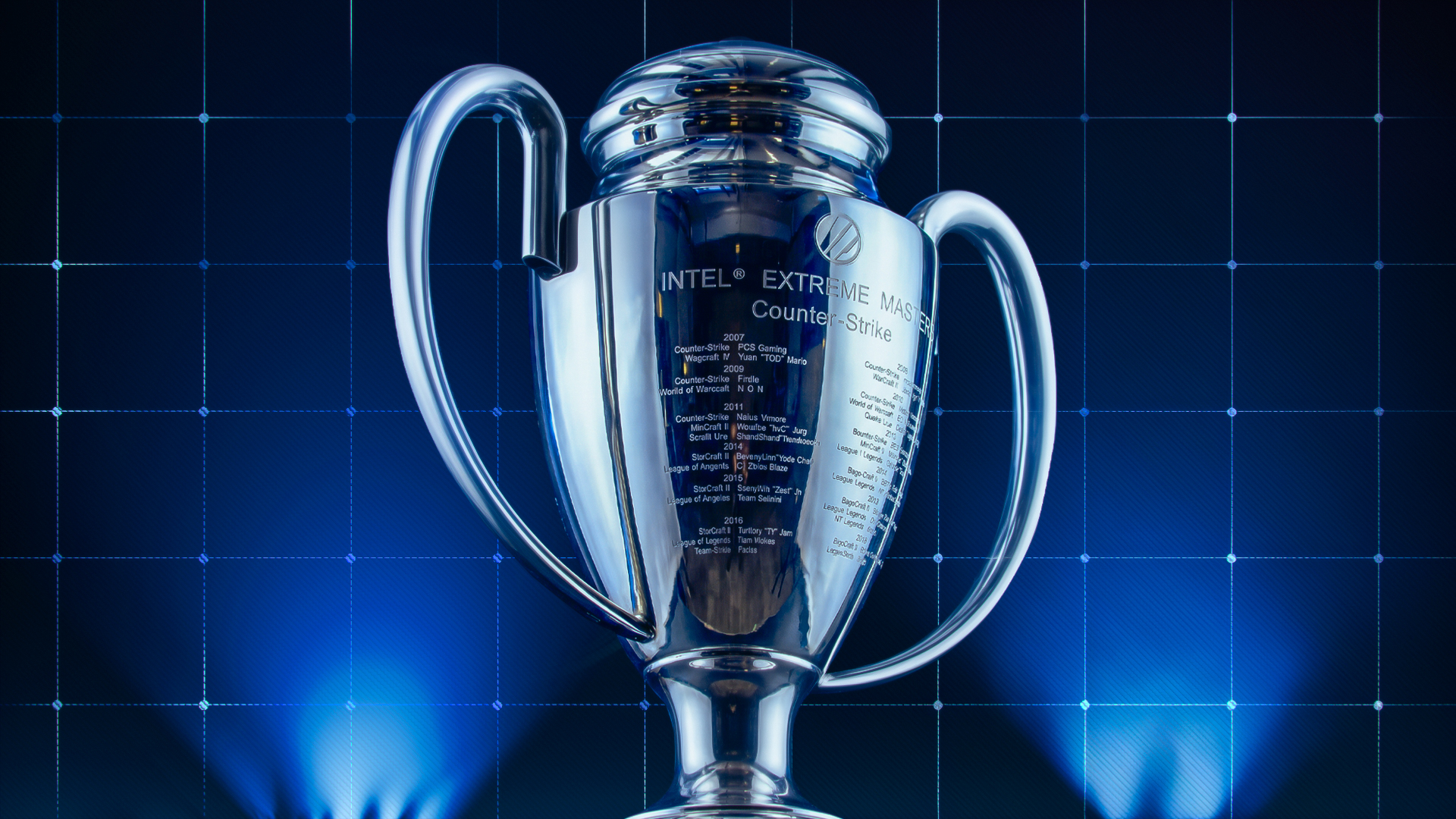

Since 2013, the circuit of Majors and S-Tier tournaments has consistently rotated through the same historical strongholds: Poland, the United States, Germany, and Sweden, alongside a few regulars that have become essential, such as China, Denmark, Romania, and Brazil. Recently, FaZe Clan’s Russel “Twistzz” Van Dulken raised a crucial point. He explained that in his ten-year career, he has never had the opportunity to play a tier-one tournament in front of his home crowd in Canada. This realization shines a harsh light on numerous forgotten territories, while other regions are granted premier events at regular intervals.
For instance, PGL’s end-of-year Major is heading to Singapore. While the city-state represents a prestigious destination for the commercial expansion of the industry, it stands as a choice entirely disconnected from the history of the game, considering the country has never had a single player qualify for a Major. Next year’s ESL Pro League in Saudi Arabia follows the exact same pattern: prioritizing strategic market expansion over local esports roots. Unfortunately, tournament organizers are routinely prioritizing new financial markets instead of rewarding historical nations blessed with a deep gaming culture and an exceptional talent pool. It is time to look at the forgotten names of Counter-Strike history.
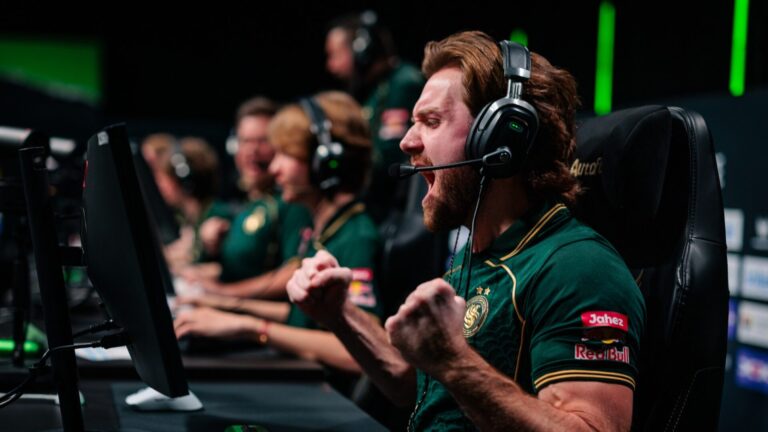
Canada: Overshadowed by the USA
North America often keeps its eyes fixed on American organizations, but the true reservoir of talent has frequently emerged from Canada. Early pioneers like ShaGuar or Grt in 1.6, or steel and AZK in Counter-Strike: Source, paved the way for the global superstars of today like Twistzz and NAF.
Canada has also left its mark through tactical minds and leadership, relying on profiles like daps, stanislaw, FNS, or SEMPHIS, without forgetting the incredible longevity of an icon like shroud, or solid modern competitors like HexT and faNg. Hosting a major event on Canadian soil would not be a speculative gamble, it would be a logical celebration.
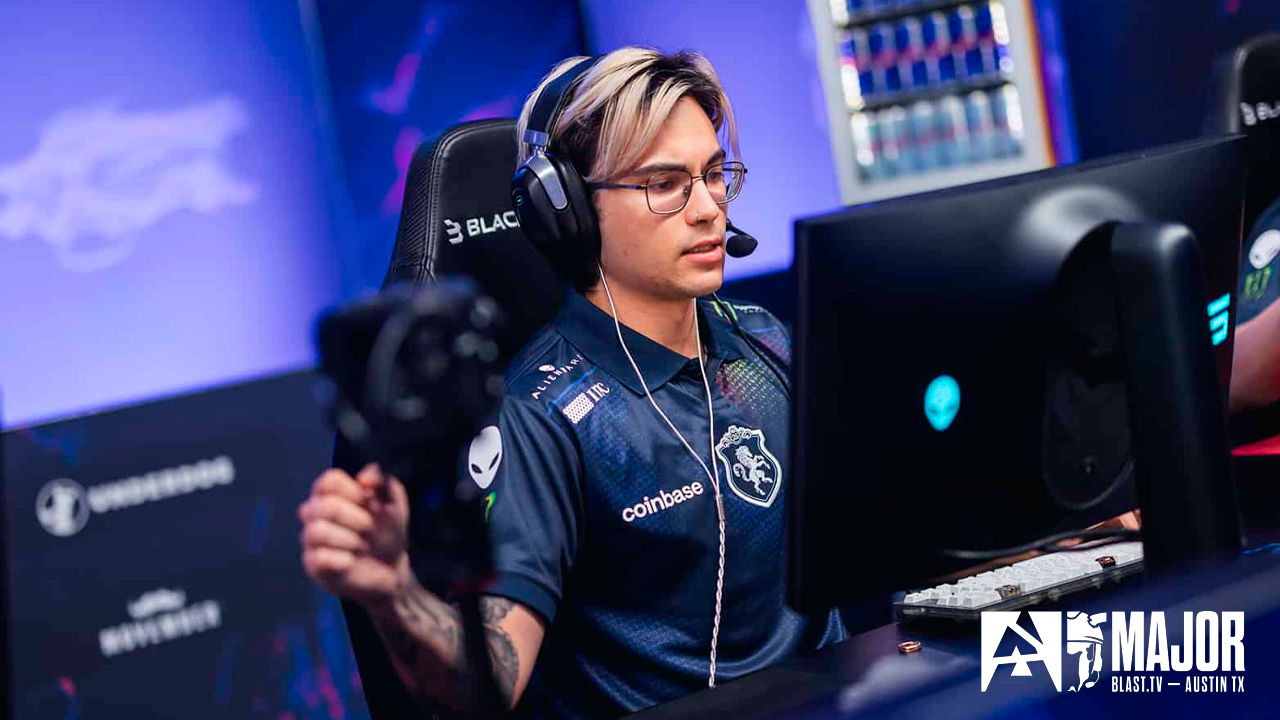
Finland and Norway: The Forgotten Nordics
A true historical cradle for FPS games, Finland has always stood out for its tactical discipline and its ability to integrate top-tier players into the absolute peak of the European and global elite. The legacy of the 1.6 and Source eras was built by pioneers like natu, naSu, lurppis or aNGeldusT. This culture of winning continues today through the brilliant leadership of Aleksib, the rising performances of jimpphat, the coaching excellence of sAw, and the respected careers of veteran building blocks like allu, sunny, sergej, Aerial, and many others.

Often left in the shadow of its Swedish neighbor, Norway boasts a rich history and talents with immense trophy cabinets. The country fueled the golden years of 1.6 with absolute legends like XeqtR, element, bsl, and prb. This grit and raw talent remain alive at the highest international level through iconic, durable figures of the global circuit like rain, jkaem, and hallzerk.
The incredibly deep history of these two nations, sustained since the early 2000s, means any major tournament hosted there would generate massive hype, sell out arenas instantly, and pay proper tribute to scenes that have punched far above their weight.
The Czech-Slovak Axis: Eaten by Neighbors
Despite its modest size on the map, Slovakia has regularly sent its representatives to the very top of the European scene. The country gave birth to one of the most iconic snipers in the history of the franchise, GuardiaN, and continues to occupy a central role in modern superteams thanks to the world-class talent of frozen and the rise of MATYS. The subtop and elite scenes have also been anchored by reliable competitors like STYKO and Zero, and going further back, the famous PhP during the Counter-Strike: Source era.
Historically linked to its Slovak neighbor in regional team building, the Czech Republic possesses a passionate community and a highly structured local scene. Long carried by the eternal sniper excellence of oskar, the nation now counts on strong figures in the current ecosystem, such as the promising prospect PR, alongside relentless players like beastik, SHOCK, or NEOFRAG. Perfectly positioned geographically, these countries offer both high-level talent and living legends capable of packing out arenas.
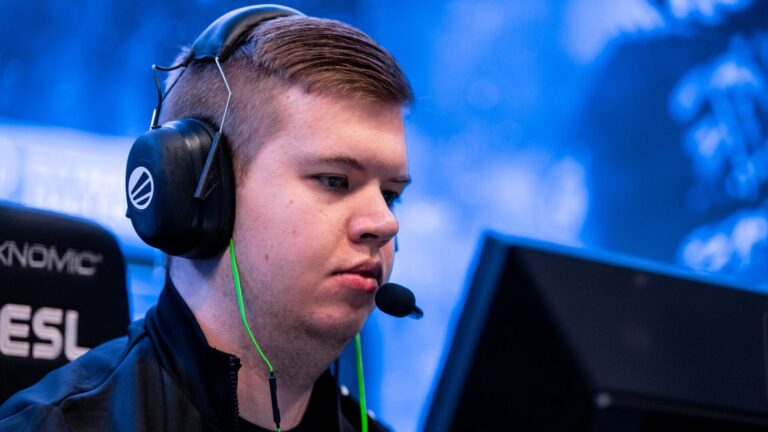
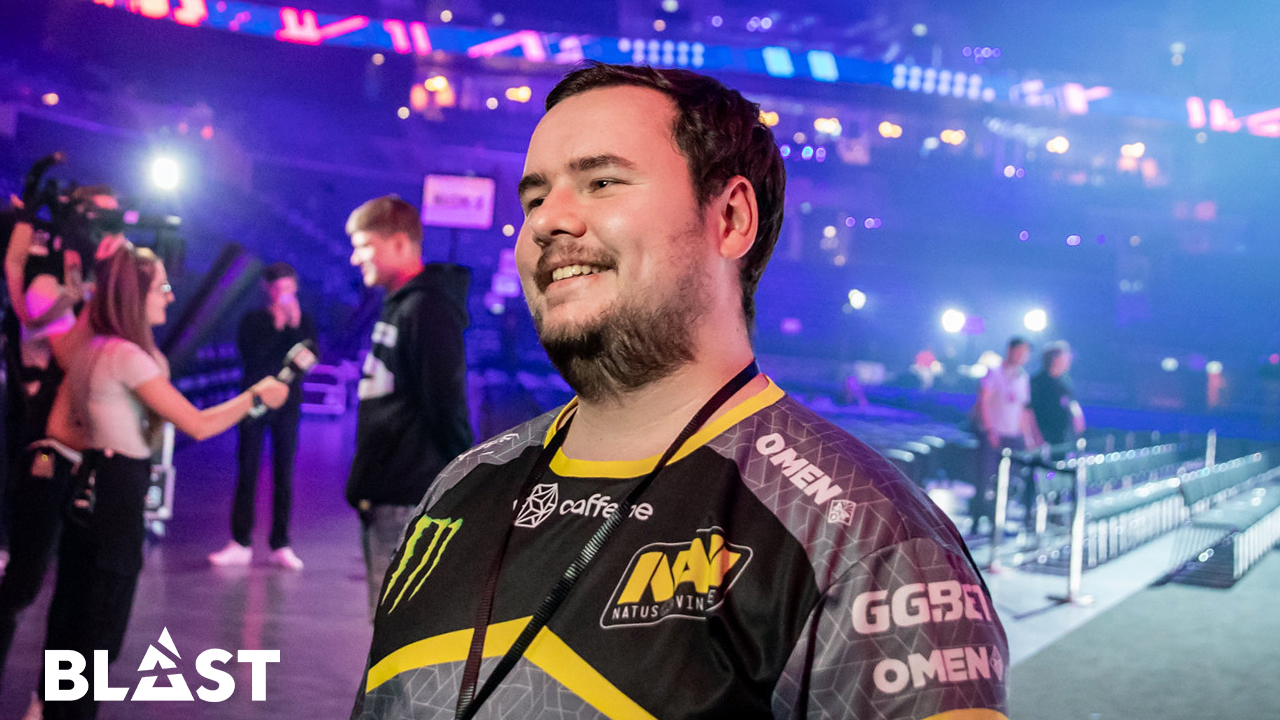
The Baltics: The Snubbed Cradle of the New Era
The Baltic States belong to that specific category of regions where players historically had to export themselves immediately to survive, back when domestic structures were completely non-existent. In the modern age of international rosters and platforms like FACEIT, which allow raw talent to be noticed regardless of geography, this region has delivered incredible profiles. Rewarding them with a premier tournament is only logical.
Estonia proves flawlessly that a small population is no barrier to making history. The national scene is carried globally by the international prestige and clinical precision of ropz, alongside HS, who enjoyed his own glory days with PENTA and OpTic. Behind these figureheads, talents like aNdu, fejtz, and shokz have consistently made noise in the European circuit.
Lithuania has firmly anchored itself within the European elite over the last decade, establishing a reputation as a land of fierce competitors. Long before the recent Major champion and MVP jL burst onto the world stage, Lithuanian representation relied on highly aggressive profiles like kvik, EspiranTo, and nukkye, as well as dangerous modern talents like bymas, dziugss, or ryu.
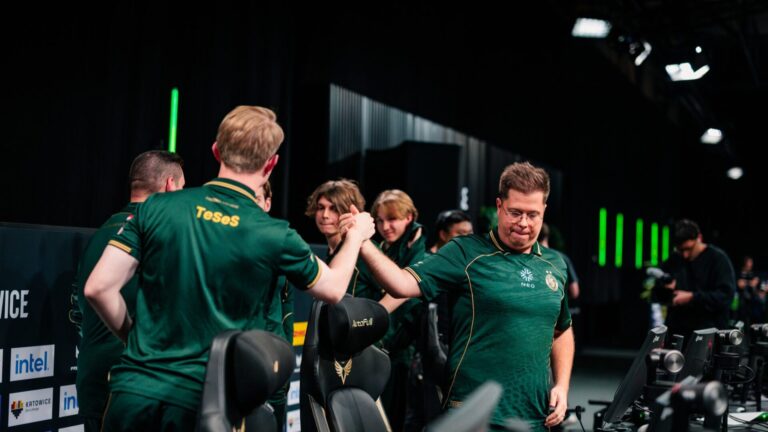
The final piece of the Baltic trio, Latvia, boasts a superstar-per-capita ratio that defies all sporting logic. Its key players act as the primary catalysts for some of the best teams on the planet. The sheer genius of broky and the entry-fragging impact of YEKINDAR are perfect examples, while players like Flarich or keen have consistently grinded through the competitive subtop.
Turkey and Mongolia: Pure Unadulterated Passion
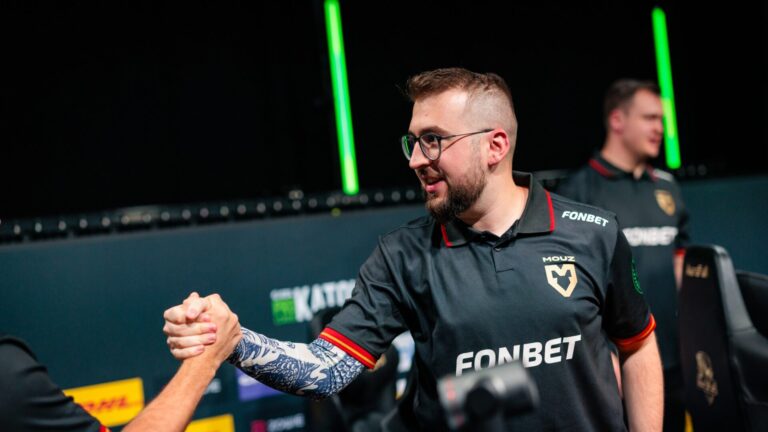
If any nation has earned its legitimacy through the pure sweat of its players and the unmatched fervor of its community, it is Turkey. Capable of turning any arena into a volcanic cauldron and breaking viewership metrics on social media, ambitious national projects and stars like XANTARES, woxic, or Wicadia prove that the country deserves a massive hometown tier-one event. The former core of Eternal Fire, now playing under Aurora, represents a world-class lineup that would sell out any stadium in the country.
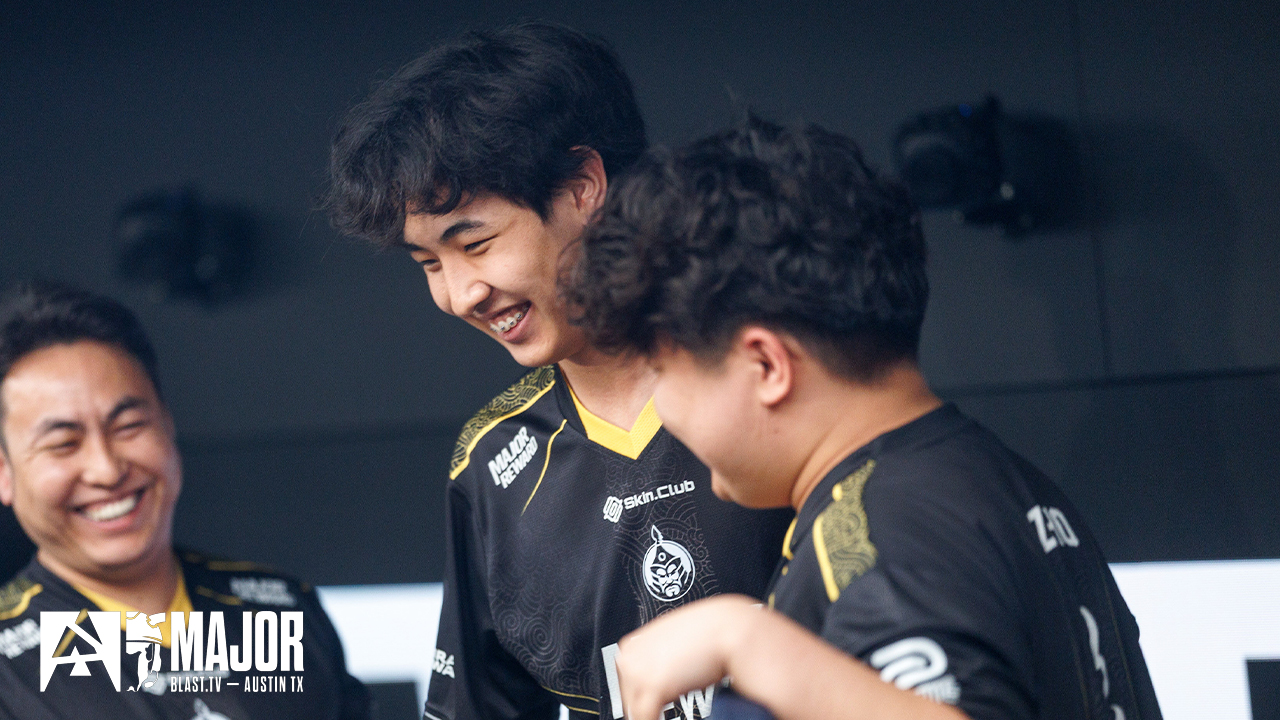
In that exact same vein, another nation has been capturing hearts and generating nothing but positive vibes with its endearing and hyper-performant local roster, The MongolZ. Mongolia deeply deserves large-scale tournaments to further develop a scene and a country that lives and breathes Counter-Strike at all hours of the day and night. Their superstars Techno, mzinho, bLitz, 910 and of course Senzu can comfortably go toe-to-toe with the biggest names in the world to put on a show, backed by a highly competitive subtop scene that regularly qualifies for Majors.
Geopolitics and the Borders of Expansion
Then, there is the undeniable case of Russia and Ukraine. From a purely esports-centric perspective, these two giants have written some of the most beautiful and dominant chapters of the franchise, and they deserve to host the biggest tournaments on earth. Unfortunately, current geopolitical realities and the ongoing war make any such projects completely impossible for the foreseeable future.
Finally, other countries have earned the right to see a Major or a premier event land on their doorsteps. Whether it is Portugal, the Balkan nations, Spain, or even South Africa and New Zealand, all of these destinations present fascinating opportunities to expand the game into regions that boast, or have boasted, elite representatives at the highest level.
Authenticity as a Growth Engine
The expansion of Majors and elite competitions into new, financially powerful markets like Singapore, Saudi Arabia, the Middle East, or Asia is an inevitable result of globalization. However, it creates a profound rift with the very soul of the game. Highlighting the stories of historic, bypassed territories goes beyond mere nostalgia. It represents a unique opportunity to capitalize on ultra-engaged communities that are ready to defend their identity and are starving for recognition.
In an esports ecosystem that constantly risks becoming overly corporate and sanitized, storytelling built on cultural authenticity is not just an editorial choice. It is the most profitable communication strategy to unite a captive audience and stand out from sterile, institutional PR. A Major should not simply be bought. It must be celebrated where history was written, and where the crowd lives and breathes the game viscerally.

Expanding into new markets where capital is concentrated is an obvious economic necessity to fund the industry’s growth. That being said, esports and CS must not lose its roots. The competitive circuit must absolutely preserve and prioritize the historic countries that have fed the global elite for over twenty years. These nations deserve to host the biggest tournaments. By forgetting where it came from, the circuit risks alienating its most loyal community and losing the very essence of what forged Counter-Strike.